Auburn Mere

At a Glance
The information you need to decide whether this home warrants a closer look.
Residential homes
Staff warmth score
of reviewers answered yes
Good to know
- Registered beds37
- SpecialismsCaring for adults over 65 yrs, Caring for adults under 65 yrs, Dementia, Physical disabilities, Sensory impairment
- Last inspected2019-02-02
Save Auburn Mere to your shortlist
Keep a running list, add visit notes, and compare homes side-by-side. Free account — it takes a minute.
STAGE 4 — RESEARCHING CARE HOMES
Visit homes. Compare them side by side. Choose with confidence.
Most of us will view care homes the way we view houses, impression, atmosphere, the feeling in the corridor. We go home, try to remember what we saw, and make a permanent decision from a blurred memory.

The DCC shortlist gives every home you visit a structured record: the same twelve questions, answered the same way, every time. When you’re ready to choose, pull any two homes side by side and compare them directly. Same criteria, same evidence, your notes and your scores.
The Evidence
What the review data, the inspection reports, and the dementia-care evidence base tell us about this home.
What families say
The eight family priority themes
- Staff warmth72
- Compassion & dignity72
- Cleanliness70
- Activities & engagement65
- Food quality65
- Healthcare68
- Management & leadership72
- Resident happiness70
What inspectors found
Inspected 2019-02-02
Is this home safe?
Is the care effective?
Auburn Mere received a Good rating for Effective at its December 2018 inspection. The home lists dementia as a specialism, and a Good rating implies training and care planning met required standards at the time. No specific detail about dementia training content, care plan review frequency, GP access arrangements, or food quality is recorded in the available published text. The 2023 monitoring review found no reason to change the rating. The absence of specific findings makes it difficult to assess the depth of practice behind the rating.Is this home caring?
Auburn Mere received a Good rating for Caring at its December 2018 inspection. A Good Caring rating typically reflects that inspectors found staff treated people with dignity and respect and that residents and relatives gave broadly positive feedback. No specific observations, direct quotes from residents or relatives, or examples of named practice are recorded in the available published text. The rating alone cannot tell you whether staff use your parent's preferred name, whether they move at a calm pace, or how they respond to someone who is distressed.Is the home responsive?
Auburn Mere received a Good rating for Responsive at its December 2018 inspection. A Good Responsive rating indicates inspectors found the home was meeting individual needs and responding to concerns. The home lists dementia, physical disabilities, and sensory impairment among its specialisms. No detail about specific activities, one-to-one engagement, individual schedules, or end-of-life care arrangements is recorded in the available published text. It is not possible to assess from the report alone whether activities are tailored to individual capacity or whether advanced dementia is well supported.Is the home well-led?
Auburn Mere received a Good rating for Well-led at its December 2018 inspection. A named registered manager, Mrs Lucy Victoria Raine, was in post at the time, alongside a nominated individual, Mrs Renukavathy Baskaran. Auburn Mere is operated by Trafalgar Healthcare Limited. The 2023 monitoring review found no evidence requiring a change to the rating. No specific detail about management visibility, staff culture, governance systems, or how the home handles complaints is available in the published summary.
Source: CQC inspection report →
What the evidence base says
The team at Auburn Mere supports residents with sensory impairments, physical disabilities and dementia care needs. They provide residential care for adults both under and over 65, adapting their approach to each person's requirements. For residents living with dementia, the home provides specialised support within their residential care setting. The team works with families to understand each person's unique needs. All areas worth probing directly during a visit.
The DCC Verdict
Our editorial view, built from the three lenses: what families tell us, what inspectors record, and how the home sits against good dementia-care practice.
DCC Family Score
Auburn Mere was rated Good across all five inspection domains, which is a positive baseline. However, the inspection is now over six years old, meaning the score reflects that positive rating rather than specific, freshly observed detail. You should treat this score as a reasonable starting point, not a confirmed current picture.
Homes in East typically score 68–82.Worth a visit
Auburn Mere, in Watford, was rated Good across all five inspection domains at its last full inspection in December 2018, with the report published in February 2019. The Good rating across Safe, Effective, Caring, Responsive, and Well-led is a positive baseline, suggesting the home met required standards in every area inspectors assessed. A registered manager was in post and the home's registration remains active. The published summary confirms a 2023 review found no evidence requiring a reassessment of the rating. The most important thing to know before you visit is that this inspection is now more than six years old. A Good rating from 2018 does not confirm what you will find in 2025. Staff, management, and ownership may have changed. The inspection text available for this report contains almost no specific observations, quotes, or measurable detail, so it is not possible to say with confidence what makes this home good or where it might have gaps. Before choosing Auburn Mere for your parent, visit in person during a mealtime, ask to see the current staffing rota, check how many permanent staff work on the dementia unit, and speak directly with the manager about how much the home has changed since 2018.
The three questions to ask when you visitSave this home. Compare it against your shortlist.
Let our analysis show you how Auburn Mere measures up against the other homes you’re considering. Free account.
In Their Own Words
How Auburn Mere describes itself — collected from its own website. DCC has not edited or independently verified the content in this tab.
Welcoming Watford care home for diverse support needs
Dedicated residential home Support in Watford
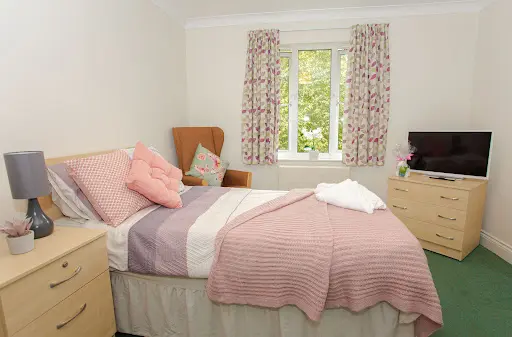
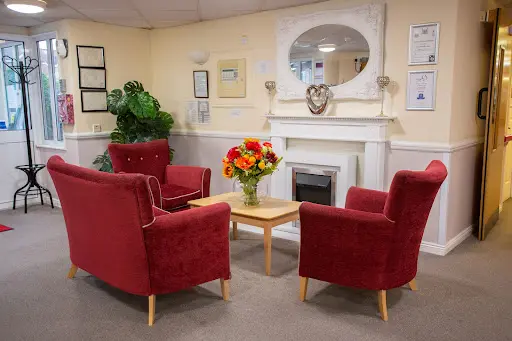
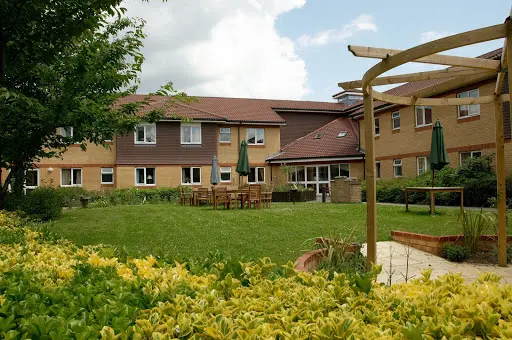
Auburn Mere in east Watford provides specialised residential care for adults with varying support needs. This care home offers a pleasant environment where people with physical disabilities, sensory impairments and dementia receive tailored support. The home welcomes both younger adults under 65 and older residents.
Who they care for
The team at Auburn Mere supports residents with sensory impairments, physical disabilities and dementia care needs. They provide residential care for adults both under and over 65, adapting their approach to each person's requirements.
For residents living with dementia, the home provides specialised support within their residential care setting. The team works with families to understand each person's unique needs.
“Families considering Auburn Mere are encouraged to arrange a visit to see the home firsthand and discuss their loved one's specific care requirements.”
DCC does not edit or curate content in this tab. For independently curated information, see The Evidence and DCC Verdict.
The DCC Verdict
Our editorial view, built from the three lenses: what families tell us, what inspectors record, and how the home sits against good dementia-care practice.
DCC Family Score
Auburn Mere was rated Good across all five inspection domains, which is a positive baseline. However, the inspection is now over six years old, meaning the score reflects that positive rating rather than specific, freshly observed detail. You should treat this score as a reasonable starting point, not a confirmed current picture.
Homes in East typically score 68–82.Worth a visit
Auburn Mere, in Watford, was rated Good across all five inspection domains at its last full inspection in December 2018, with the report published in February 2019. The Good rating across Safe, Effective, Caring, Responsive, and Well-led is a positive baseline, suggesting the home met required standards in every area inspectors assessed. A registered manager was in post and the home's registration remains active. The published summary confirms a 2023 review found no evidence requiring a reassessment of the rating. The most important thing to know before you visit is that this inspection is now more than six years old. A Good rating from 2018 does not confirm what you will find in 2025. Staff, management, and ownership may have changed. The inspection text available for this report contains almost no specific observations, quotes, or measurable detail, so it is not possible to say with confidence what makes this home good or where it might have gaps. Before choosing Auburn Mere for your parent, visit in person during a mealtime, ask to see the current staffing rota, check how many permanent staff work on the dementia unit, and speak directly with the manager about how much the home has changed since 2018.
The three questions to ask when you visitSave this home. Compare it against your shortlist.
Let our analysis show you how Auburn Mere measures up against the other homes you’re considering. Free account.
In Their Own Words
How Auburn Mere describes itself — collected from its own website. DCC has not edited or independently verified the content in this tab.
Welcoming Watford care home for diverse support needs
Dedicated residential home Support in Watford
Auburn Mere in east Watford provides specialised residential care for adults with varying support needs. This care home offers a pleasant environment where people with physical disabilities, sensory impairments and dementia receive tailored support. The home welcomes both younger adults under 65 and older residents.
Who they care for
The team at Auburn Mere supports residents with sensory impairments, physical disabilities and dementia care needs. They provide residential care for adults both under and over 65, adapting their approach to each person's requirements.
For residents living with dementia, the home provides specialised support within their residential care setting. The team works with families to understand each person's unique needs.
“Families considering Auburn Mere are encouraged to arrange a visit to see the home firsthand and discuss their loved one's specific care requirements.”
DCC does not edit or curate content in this tab. For independently curated information, see The Evidence and DCC Verdict.