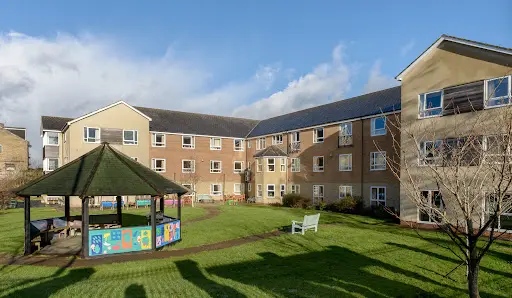
Apple Tree Care Home

At a Glance
The information you need to decide whether this home warrants a closer look.
Residential homes
Staff warmth score
of reviewers answered yes
Good to know
- Registered beds20
- SpecialismsCaring for adults over 65 yrs, Dementia, Mental health conditions, Physical disabilities, Sensory impairment
- Last inspected2022-09-27
Save Apple Tree Care Home to your shortlist
Keep a running list, add visit notes, and compare homes side-by-side. Free account — it takes a minute.
STAGE 4 — RESEARCHING CARE HOMES
Visit homes. Compare them side by side. Choose with confidence.
Most of us will view care homes the way we view houses, impression, atmosphere, the feeling in the corridor. We go home, try to remember what we saw, and make a permanent decision from a blurred memory.

The DCC shortlist gives every home you visit a structured record: the same twelve questions, answered the same way, every time. When you’re ready to choose, pull any two homes side by side and compare them directly. Same criteria, same evidence, your notes and your scores.
The Evidence
What the review data, the inspection reports, and the dementia-care evidence base tell us about this home.
What families say
Visitors to Apple Tree often comment on how friendly the staff are when they arrive. There's a sense that residents here have genuine choices about how they spend their days, with activities available for those who want to join in.
The eight family priority themes
- Staff warmth55
- Compassion & dignity55
- Cleanliness55
- Activities & engagement50
- Food quality50
- Healthcare50
- Management & leadership60
- Resident happiness55
What inspectors found
Inspected 2022-09-27
Is this home safe?
Is the care effective?
The effective domain was rated Good at the August 2022 inspection. The published report does not include specific detail about care plan quality, dementia training content, GP access arrangements, or how food quality and dietary needs are managed. The home's declared specialisms include dementia and mental health conditions, which implies a degree of relevant expertise, but the inspection findings do not describe what that expertise looks like in practice.Is this home caring?
The caring domain was rated Good at the August 2022 inspection. No specific observations about staff warmth, use of preferred names, responses to distress, or privacy during personal care are recorded in the published findings. The Good rating indicates inspectors did not find evidence of poor practice, but the report does not describe what kind, respectful care actually looked like on the day.Is the home responsive?
The responsive domain was rated Good at the August 2022 inspection. The published report does not describe the activity programme, how one-to-one engagement is provided for residents who cannot join groups, or how the home responds to individual preferences and changes in need. No complaints or concerns are referenced in the available text.Is the home well-led?
The well-led domain was rated Good at the August 2022 inspection. A registered manager and a nominated individual were recorded as being in post. The published findings do not describe the manager's visibility on the floor, staff culture, governance systems, or how the home handles complaints and learning from incidents. The presence of named leadership is a positive structural indicator, but no detail beyond this is available.
Source: CQC inspection report →
What the evidence base says
Apple Tree supports people with various needs including dementia, sensory impairments, mental health conditions, and physical disabilities. They care for adults over 65. While Apple Tree lists dementia care as one of their specialisms, we're still learning more about the specific approaches and support they provide for residents living with dementia. All areas worth probing directly during a visit.
The DCC Verdict
Our editorial view, built from the three lenses: what families tell us, what inspectors record, and how the home sits against good dementia-care practice.
DCC Family Score
Apple Tree Care Home received a Good rating across all five inspection domains in August 2022, which is a solid baseline. However, the published inspection report contains very limited specific detail, so most scores sit in the mid-range reflecting a positive but unsubstantiated picture rather than one backed by direct observations or testimony.
Homes in Yorkshire & Humberside typically score 68–82.The three-lens summary
What families tell us
Visitors to Apple Tree often comment on how friendly the staff are when they arrive. There's a sense that residents here have genuine choices about how they spend their days, with activities available for those who want to join in.
What inspectors have recorded
Staff here appear to be the real strength of Apple Tree. Families describe them as not just friendly but genuinely responsive to what residents need.
How it sits against good practice
If you're considering Apple Tree, why not arrange a visit to see if their friendly approach feels right for your family?
Worth a visit
Apple Tree Care Home, on Ox Carr Lane in York, was rated Good across all five inspection domains at its most recent inspection in August 2022. The home is a small, 20-bed residential service registered to support people with dementia, mental health conditions, physical disabilities, and sensory impairments. A registered manager and nominated individual were in place at the time of inspection, which is a positive structural indicator. The main limitation for families reading this report is that the published findings contain very little specific detail: no direct observations of care, no resident or family quotes, and no descriptions of what inspectors actually saw on the day. A Good rating is meaningful, but it tells you the home met the standard, not how it felt to live there. When you visit, ask to see last week's actual staffing rota (counting permanent versus agency names, especially for nights), ask what dementia-specific training staff have completed in the past 12 months, and spend time watching how staff interact with residents in corridors and communal areas before you make your decision.
The three questions to ask when you visitSave this home. Compare it against your shortlist.
Let our analysis show you how Apple Tree Care Home measures up against the other homes you’re considering. Free account.
In Their Own Words
How Apple Tree Care Home describes itself — collected from its own website. DCC has not edited or independently verified the content in this tab.
Where friendly staff make daily life feel lighter and brighter
Apple Tree Care Home – Expert Care in York
Finding the right care home means looking for somewhere that gets the basics right — and then adds that little bit extra. Apple Tree Care Home in York seems to understand this balance well. Families visiting here often mention how approachable the staff are, and how clean and comfortable everything feels.
Who they care for
Apple Tree supports people with various needs including dementia, sensory impairments, mental health conditions, and physical disabilities. They care for adults over 65.
While Apple Tree lists dementia care as one of their specialisms, we're still learning more about the specific approaches and support they provide for residents living with dementia.
“If you're considering Apple Tree, why not arrange a visit to see if their friendly approach feels right for your family?”
DCC does not edit or curate content in this tab. For independently curated information, see The Evidence and DCC Verdict.
The DCC Verdict
Our editorial view, built from the three lenses: what families tell us, what inspectors record, and how the home sits against good dementia-care practice.
DCC Family Score
Apple Tree Care Home received a Good rating across all five inspection domains in August 2022, which is a solid baseline. However, the published inspection report contains very limited specific detail, so most scores sit in the mid-range reflecting a positive but unsubstantiated picture rather than one backed by direct observations or testimony.
Homes in Yorkshire & Humberside typically score 68–82.The three-lens summary
What families tell us
Visitors to Apple Tree often comment on how friendly the staff are when they arrive. There's a sense that residents here have genuine choices about how they spend their days, with activities available for those who want to join in.
What inspectors have recorded
Staff here appear to be the real strength of Apple Tree. Families describe them as not just friendly but genuinely responsive to what residents need.
How it sits against good practice
If you're considering Apple Tree, why not arrange a visit to see if their friendly approach feels right for your family?
Worth a visit
Apple Tree Care Home, on Ox Carr Lane in York, was rated Good across all five inspection domains at its most recent inspection in August 2022. The home is a small, 20-bed residential service registered to support people with dementia, mental health conditions, physical disabilities, and sensory impairments. A registered manager and nominated individual were in place at the time of inspection, which is a positive structural indicator. The main limitation for families reading this report is that the published findings contain very little specific detail: no direct observations of care, no resident or family quotes, and no descriptions of what inspectors actually saw on the day. A Good rating is meaningful, but it tells you the home met the standard, not how it felt to live there. When you visit, ask to see last week's actual staffing rota (counting permanent versus agency names, especially for nights), ask what dementia-specific training staff have completed in the past 12 months, and spend time watching how staff interact with residents in corridors and communal areas before you make your decision.
The three questions to ask when you visitSave this home. Compare it against your shortlist.
Let our analysis show you how Apple Tree Care Home measures up against the other homes you’re considering. Free account.
In Their Own Words
How Apple Tree Care Home describes itself — collected from its own website. DCC has not edited or independently verified the content in this tab.
Where friendly staff make daily life feel lighter and brighter
Apple Tree Care Home – Expert Care in York
Finding the right care home means looking for somewhere that gets the basics right — and then adds that little bit extra. Apple Tree Care Home in York seems to understand this balance well. Families visiting here often mention how approachable the staff are, and how clean and comfortable everything feels.
Who they care for
Apple Tree supports people with various needs including dementia, sensory impairments, mental health conditions, and physical disabilities. They care for adults over 65.
While Apple Tree lists dementia care as one of their specialisms, we're still learning more about the specific approaches and support they provide for residents living with dementia.
Management & ethos
Staff here appear to be the real strength of Apple Tree. Families describe them as not just friendly but genuinely responsive to what residents need.
The home & environment
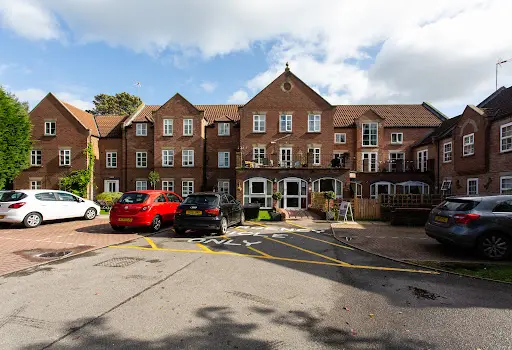
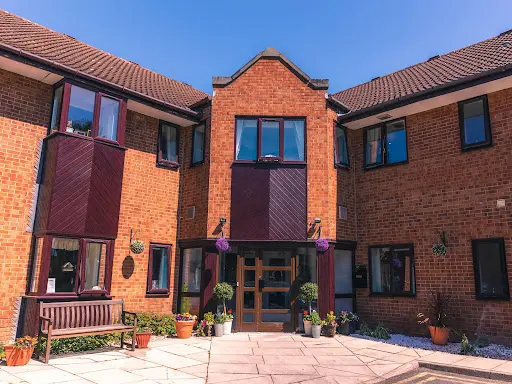
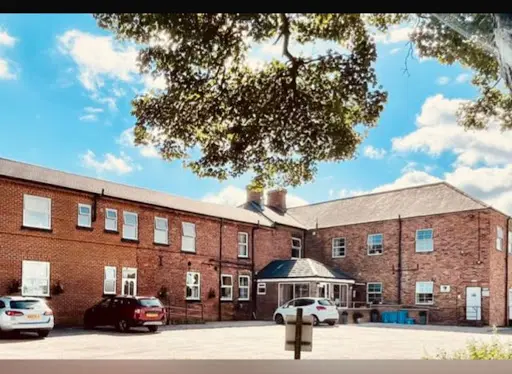
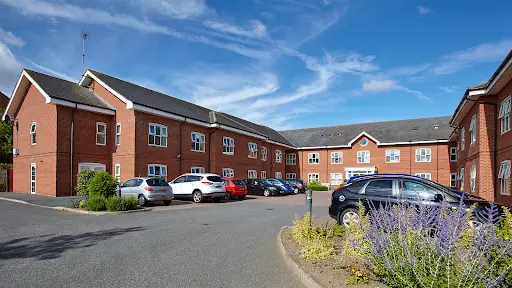
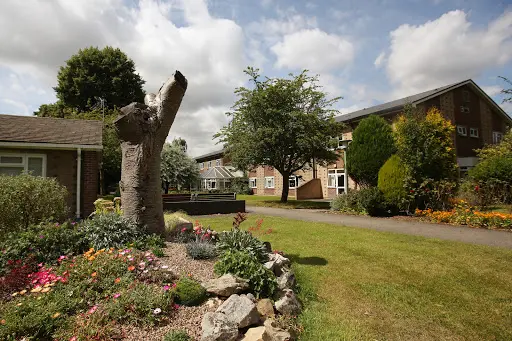
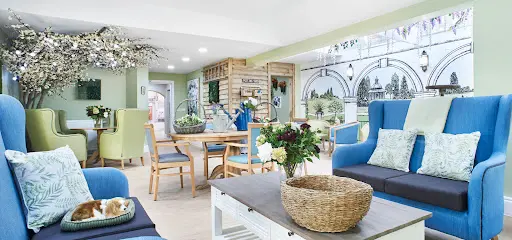
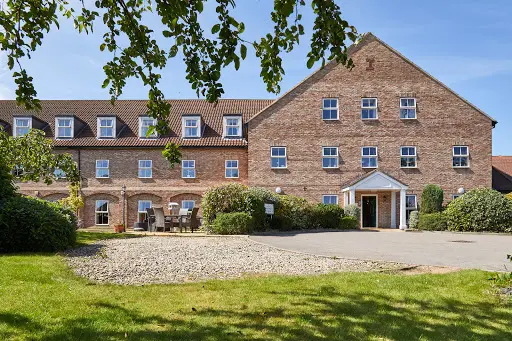
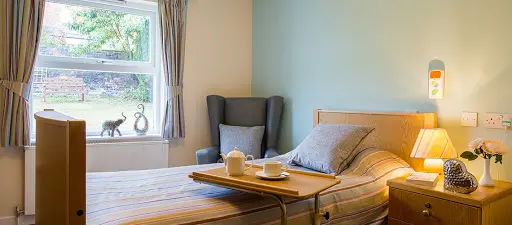
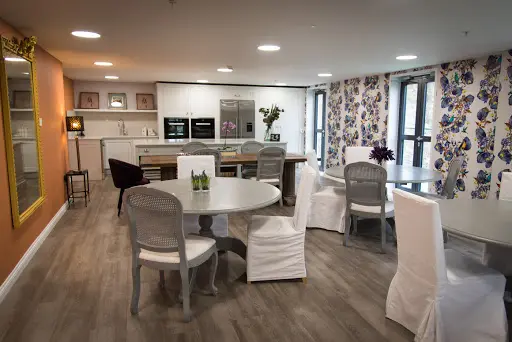
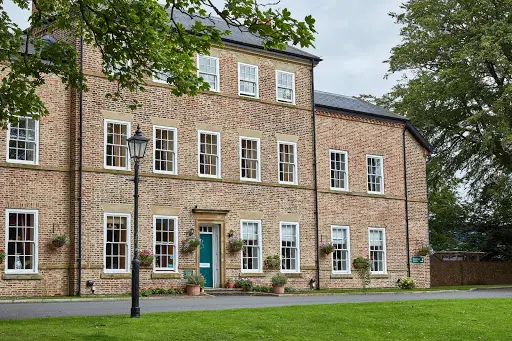
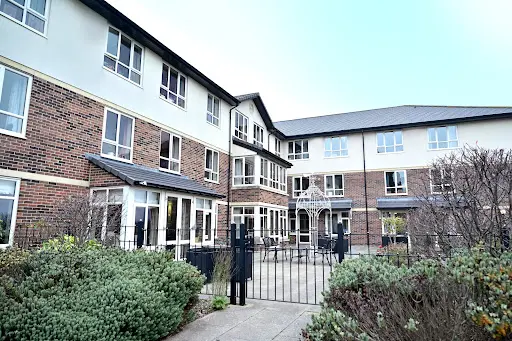
The home itself is consistently described as clean and warm — those fundamental things that matter so much for comfort. While we don't have specific details about the dining or outdoor spaces yet, the overall environment seems well-maintained.
“If you're considering Apple Tree, why not arrange a visit to see if their friendly approach feels right for your family?”
DCC does not edit or curate content in this tab. For independently curated information, see The Evidence and DCC Verdict.