Elmfield House Care Home – CQC rated “GOOD”
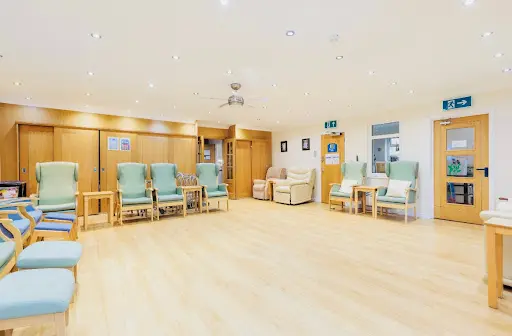
At a Glance
The information you need to decide whether this home warrants a closer look.
Residential homes
Staff warmth score
of reviewers answered yes
Good to know
- Registered beds18
- SpecialismsCaring for adults over 65 yrs, Dementia, Mental health conditions, Physical disabilities, Sensory impairment
- Last inspected2019-04-03
Save Elmfield House Care Home – CQC rated “GOOD” to your shortlist
Keep a running list, add visit notes, and compare homes side-by-side. Free account — it takes a minute.
STAGE 4 — RESEARCHING CARE HOMES
Visit homes. Compare them side by side. Choose with confidence.
Most of us will view care homes the way we view houses, impression, atmosphere, the feeling in the corridor. We go home, try to remember what we saw, and make a permanent decision from a blurred memory.

The DCC shortlist gives every home you visit a structured record: the same twelve questions, answered the same way, every time. When you’re ready to choose, pull any two homes side by side and compare them directly. Same criteria, same evidence, your notes and your scores.
The Evidence
What the review data, the inspection reports, and the dementia-care evidence base tell us about this home.
What families say
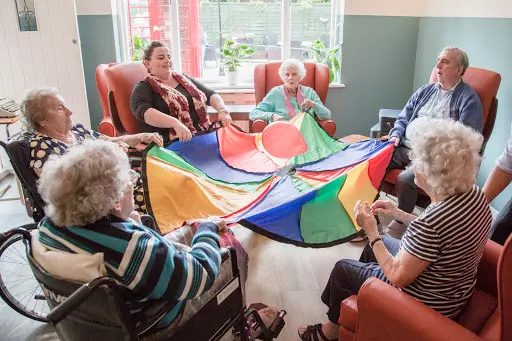
Visitors often comment on how content and engaged residents seem here. There's a full calendar of activities — from morning quizzes to afternoon singalongs — and people clearly enjoy taking part. What stands out is how residents stay connected to ordinary life through regular trips to local pubs, shops and community events.
The eight family priority themes
- Staff warmth72
- Compassion & dignity72
- Cleanliness68
- Activities & engagement55
- Food quality55
- Healthcare65
- Management & leadership74
- Resident happiness68
What inspectors found
Inspected 2019-04-03
Is this home safe?
Is the care effective?
The Effective domain was rated Good, covering care planning, training, healthcare access, and nutrition. The home is registered as a specialist dementia provider, which means inspectors would have looked at whether staff understood dementia-specific care. No detail about the content of dementia training, how often care plans are reviewed, or how GP access is arranged is included in the published summary. The Good rating indicates inspectors were satisfied, but families will need to ask for specifics directly.Is this home caring?
The Caring domain was rated Good, indicating inspectors were satisfied with how staff treated residents at the time of the January 2019 inspection. In a dementia-specialist home, the Caring domain covers how staff communicate with residents who may not be able to express their preferences verbally, how dignity is maintained during personal care, and whether staff know residents as individuals. None of these specifics are recorded in the published summary. There are no resident or relative quotes available from this inspection.Is the home responsive?
The Responsive domain was rated Good, which covers activities, individualised care, and responsiveness to changing needs including end-of-life care. For a small 18-bed home, meaningful individual engagement matters more than a busy group activities calendar, because not everyone living with dementia can participate in group settings. The published summary does not record any detail about the activities programme, one-to-one engagement, or end-of-life planning at Elmfield House.Is the home well-led?
The Well-led domain was rated Good, and the inspection identifies a named Registered Manager (Miss Nicola Rachel Gillett) alongside a Nominated Individual, indicating a defined leadership structure. The improvement from Requires Improvement to Good across all domains suggests the management team identified and acted on previous shortfalls. No detail about the manager's tenure, how staff are supported, or how the home handles complaints is recorded in the published summary.
Source: CQC inspection report →
What the evidence base says
Elmfield House supports people over 65 with various needs including dementia, mental health conditions, physical disabilities and sensory impairments. The smaller setting allows staff to provide more individualised support across these different care needs. For residents living with dementia, the familiar faces and consistent routines in this smaller home can be particularly reassuring. Staff understand how to support people through confusion or anxiety, and the regular activities help maintain social connections. All areas worth probing directly during a visit.
The DCC Verdict
Our editorial view, built from the three lenses: what families tell us, what inspectors record, and how the home sits against good dementia-care practice.
DCC Family Score
Elmfield House has improved from Requires Improvement to Good across all five inspection domains, which is a meaningful step forward. However, the inspection report published in April 2019 contains limited specific detail, so scores reflect confirmed improvement and a Good rating rather than rich observational evidence.
Homes in South East typically score 68–82.The three-lens summary
What families tell us
Visitors often comment on how content and engaged residents seem here. There's a full calendar of activities — from morning quizzes to afternoon singalongs — and people clearly enjoy taking part. What stands out is how residents stay connected to ordinary life through regular trips to local pubs, shops and community events.
What inspectors have recorded
The manager is very much part of daily life here, not tucked away in an office. Staff are consistently described as warm and professional, taking time to understand what each resident needs. Families appreciate the weekly updates and monthly newsletters that help them feel involved in their relative's care.
How it sits against good practice
If you're looking for somewhere that feels more personal than institutional, it's worth arranging a visit to see if Elmfield House might be right for your family.
Worth a visit
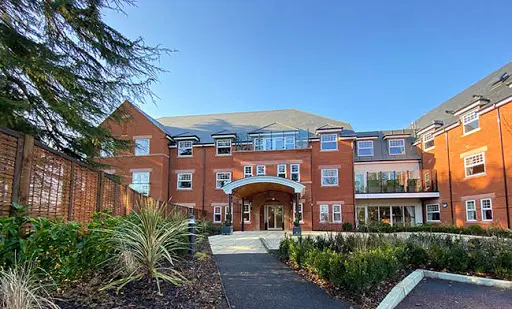
Elmfield House in Woking, a small 18-bed residential home on Church Lane, was rated Good at its last inspection in January 2019, improving from a previous rating of Requires Improvement. All five inspection domains, including Safe, Effective, Caring, Responsive, and Well-led, were rated Good, which represents a clear and positive step forward. The home is registered to support people living with dementia, mental health conditions, physical disabilities, and sensory impairments, so it has a broad remit for a small home. The main uncertainty here is that the published inspection summary contains very limited specific detail: no direct quotes from residents or relatives, no inspector observations, and no staffing numbers are recorded. The inspection also took place in January 2019, which means the findings are now over six years old. A review in July 2023 found no reason to change the rating, but that review was based on available data rather than a fresh inspection visit. Before making a decision, visit in person and use the questions in this report to fill the gaps the inspection text does not cover.
The three questions to ask when you visitSave this home. Compare it against your shortlist.
Let our analysis show you how Elmfield House Care Home – CQC rated “GOOD” measures up against the other homes you’re considering. Free account.
In Their Own Words
How Elmfield House Care Home – CQC rated “GOOD” describes itself — collected from its own website. DCC has not edited or independently verified the content in this tab.
Small Surrey care home where daily outings keep residents connected to life
Elmfield House – Expert Care in Woking
In a quieter corner of Woking, families are finding something special at Elmfield House. With just 18 residents, this smaller care home has built its reputation on keeping people engaged with the world beyond its walls. Local GPs and district nurses often suggest families take a look, and weekly updates help relatives stay close even when they can't visit.
Who they care for
Elmfield House supports people over 65 with various needs including dementia, mental health conditions, physical disabilities and sensory impairments. The smaller setting allows staff to provide more individualised support across these different care needs.
For residents living with dementia, the familiar faces and consistent routines in this smaller home can be particularly reassuring. Staff understand how to support people through confusion or anxiety, and the regular activities help maintain social connections.
“If you're looking for somewhere that feels more personal than institutional, it's worth arranging a visit to see if Elmfield House might be right for your family.”
DCC does not edit or curate content in this tab. For independently curated information, see The Evidence and DCC Verdict.
The DCC Verdict
Our editorial view, built from the three lenses: what families tell us, what inspectors record, and how the home sits against good dementia-care practice.
DCC Family Score
Elmfield House has improved from Requires Improvement to Good across all five inspection domains, which is a meaningful step forward. However, the inspection report published in April 2019 contains limited specific detail, so scores reflect confirmed improvement and a Good rating rather than rich observational evidence.
Homes in South East typically score 68–82.The three-lens summary
What families tell us
Visitors often comment on how content and engaged residents seem here. There's a full calendar of activities — from morning quizzes to afternoon singalongs — and people clearly enjoy taking part. What stands out is how residents stay connected to ordinary life through regular trips to local pubs, shops and community events.
What inspectors have recorded
The manager is very much part of daily life here, not tucked away in an office. Staff are consistently described as warm and professional, taking time to understand what each resident needs. Families appreciate the weekly updates and monthly newsletters that help them feel involved in their relative's care.
How it sits against good practice
If you're looking for somewhere that feels more personal than institutional, it's worth arranging a visit to see if Elmfield House might be right for your family.
Worth a visit
Elmfield House in Woking, a small 18-bed residential home on Church Lane, was rated Good at its last inspection in January 2019, improving from a previous rating of Requires Improvement. All five inspection domains, including Safe, Effective, Caring, Responsive, and Well-led, were rated Good, which represents a clear and positive step forward. The home is registered to support people living with dementia, mental health conditions, physical disabilities, and sensory impairments, so it has a broad remit for a small home. The main uncertainty here is that the published inspection summary contains very limited specific detail: no direct quotes from residents or relatives, no inspector observations, and no staffing numbers are recorded. The inspection also took place in January 2019, which means the findings are now over six years old. A review in July 2023 found no reason to change the rating, but that review was based on available data rather than a fresh inspection visit. Before making a decision, visit in person and use the questions in this report to fill the gaps the inspection text does not cover.
The three questions to ask when you visitSave this home. Compare it against your shortlist.
Let our analysis show you how Elmfield House Care Home – CQC rated “GOOD” measures up against the other homes you’re considering. Free account.
In Their Own Words
How Elmfield House Care Home – CQC rated “GOOD” describes itself — collected from its own website. DCC has not edited or independently verified the content in this tab.
Small Surrey care home where daily outings keep residents connected to life
Elmfield House – Expert Care in Woking
In a quieter corner of Woking, families are finding something special at Elmfield House. With just 18 residents, this smaller care home has built its reputation on keeping people engaged with the world beyond its walls. Local GPs and district nurses often suggest families take a look, and weekly updates help relatives stay close even when they can't visit.
Who they care for
Elmfield House supports people over 65 with various needs including dementia, mental health conditions, physical disabilities and sensory impairments. The smaller setting allows staff to provide more individualised support across these different care needs.
For residents living with dementia, the familiar faces and consistent routines in this smaller home can be particularly reassuring. Staff understand how to support people through confusion or anxiety, and the regular activities help maintain social connections.
Management & ethos
The manager is very much part of daily life here, not tucked away in an office. Staff are consistently described as warm and professional, taking time to understand what each resident needs. Families appreciate the weekly updates and monthly newsletters that help them feel involved in their relative's care.
The home & environment
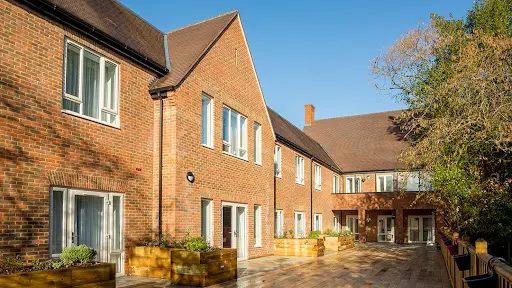
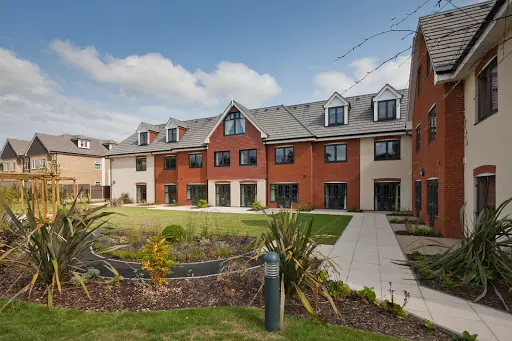
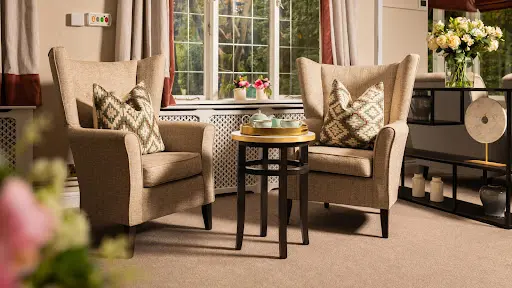
The home organises activities throughout the day, with dancing, bingo and singing sessions that residents genuinely seem to enjoy. Being smaller means there's a real sense of community, where everyone knows each other. The regular outings to familiar local spots help residents feel they're still part of Woking life.
“If you're looking for somewhere that feels more personal than institutional, it's worth arranging a visit to see if Elmfield House might be right for your family.”
DCC does not edit or curate content in this tab. For independently curated information, see The Evidence and DCC Verdict.