Horsell Lodge | Care Home in Surrey
At a Glance
The information you need to decide whether this home warrants a closer look.
Nursing homes
Staff warmth score
of reviewers answered yes
Good to know
- Registered beds70
- SpecialismsCaring for adults over 65 yrs, Caring for adults under 65 yrs, Dementia, Physical disabilities, Sensory impairment
- Last inspected2021-10-20
Save Horsell Lodge | Care Home in Surrey to your shortlist
Keep a running list, add visit notes, and compare homes side-by-side. Free account — it takes a minute.
STAGE 4 — RESEARCHING CARE HOMES
Visit homes. Compare them side by side. Choose with confidence.
Most of us will view care homes the way we view houses, impression, atmosphere, the feeling in the corridor. We go home, try to remember what we saw, and make a permanent decision from a blurred memory.

The DCC shortlist gives every home you visit a structured record: the same twelve questions, answered the same way, every time. When you’re ready to choose, pull any two homes side by side and compare them directly. Same criteria, same evidence, your notes and your scores.
The Evidence
What the review data, the inspection reports, and the dementia-care evidence base tell us about this home.
What families say
Visitors describe staff who make time to chat and answer questions properly. Several families have mentioned how much easier the moving-in process felt with practical help from the team. There's talk of residents who were initially resistant to care becoming genuinely content once they'd settled.
The eight family priority themes
- Staff warmth72
- Compassion & dignity72
- Cleanliness70
- Activities & engagement68
- Food quality68
- Healthcare70
- Management & leadership74
- Resident happiness70
What inspectors found
Inspected 2021-10-20
Is this home safe?
Is the care effective?
Horsell Lodge was rated Good for effectiveness at its March 2024 inspection. The home is registered for dementia care, physical disabilities, and sensory impairments, which requires staff to hold and apply specialist knowledge across several areas. The published report does not describe the content of training programmes, how care plans are structured, how regularly they are reviewed, or how the home manages access to GPs and other health professionals. Food quality and dietary support are also not described in the available text.Is this home caring?
Horsell Lodge was rated Good for caring at its March 2024 inspection. This is the domain most closely linked to family satisfaction in our review data. The published report does not include inspector observations about how staff interact with residents, whether people are addressed by their preferred names, whether care is delivered without rushing, or how staff respond when someone is distressed. The absence of specific detail means this Good rating cannot be unpacked further from the published text alone.Is the home responsive?
Horsell Lodge was rated Good for responsiveness at its March 2024 inspection. The home accepts people with dementia, physical disabilities, and sensory impairments, which means the activities programme and individual engagement need to be adapted to a wide range of abilities and communication styles. The published report does not describe the activities offered, how they are tailored to individuals, whether one-to-one engagement is provided for people who cannot join groups, or how end-of-life care is planned and delivered.Is the home well-led?
Horsell Lodge was rated Good for leadership at its March 2024 inspection. A named Registered Manager, Mrs Julie Gladys Bignell, was in post, and Mrs Rebecca Garwood is listed as Nominated Individual for the operating organisation, Avom Care Limited. The published report does not describe how long the current manager has been in post, how staff are supported and supervised, whether there is a clear process for raising concerns, or how the home acts on feedback from residents and families.
Source: CQC inspection report →
What the evidence base says
The home cares for people with various needs including dementia, physical disabilities and sensory impairments. They support both younger adults under 65 and older residents. For residents with dementia, the focus appears to be on helping them settle comfortably into their new surroundings. Staff work to understand each person's needs during the transition period. All areas worth probing directly during a visit.
The DCC Verdict
Our editorial view, built from the three lenses: what families tell us, what inspectors record, and how the home sits against good dementia-care practice.
DCC Family Score
Horsell Lodge received a Good rating across all five inspection domains at its most recent assessment in March 2024, which is a positive and consistent result. However, the published report text contains very little specific detail, so scores reflect the rating itself rather than direct inspector observations or resident testimony.
Homes in South East typically score 68–82.The three-lens summary
What families tell us
Visitors describe staff who make time to chat and answer questions properly. Several families have mentioned how much easier the moving-in process felt with practical help from the team. There's talk of residents who were initially resistant to care becoming genuinely content once they'd settled.
What inspectors have recorded
The staff seem particularly good at helping new residents adjust. Families appreciate the approachable nature of the team and how they keep communication flowing during those crucial early weeks.
How it sits against good practice
If you're worried about how your relative might adapt to care, it could be worth arranging a visit to see the approach for yourself.
Worth a visit
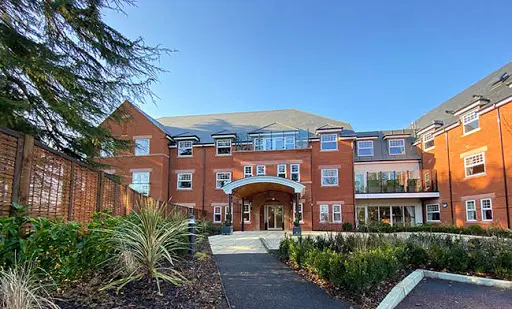
Horsell Lodge, on Kettlewell Hill in Woking, was rated Good across all five inspection domains at its most recent assessment in March 2024, with the report published in August 2024. The home provides nursing and personal care for up to 70 people, including those living with dementia, physical disabilities, and sensory impairments. A named Registered Manager, Mrs Julie Gladys Bignell, was in post at the time of the inspection, and the home is operated by Avom Care Limited. The main limitation for families using this report is that the published text contains very little specific detail about what inspectors actually observed. A Good rating across all domains is genuinely positive, but it tells you the standard was met rather than describing how. Before making a decision, visit in person and ask to see the staffing rota for last week, including night shifts. Ask how many agency staff were used in the past month, how often care plans are reviewed, and how the home supports people with dementia who cannot join group activities. These are the questions the inspection findings cannot currently answer for you.
The three questions to ask when you visitSave this home. Compare it against your shortlist.
Let our analysis show you how Horsell Lodge | Care Home in Surrey measures up against the other homes you’re considering. Free account.
In Their Own Words
How Horsell Lodge | Care Home in Surrey describes itself — collected from its own website. DCC has not edited or independently verified the content in this tab.
Where settling into care happens with warmth and understanding
Horsell Lodge – Your Trusted nursing home
When families visit Horsell Lodge in Woking, they often mention how quickly their relatives settle into life there. It's something healthcare professionals have noticed too — residents who arrive anxious or uncertain often find their feet within weeks. The care home supports people with dementia, physical disabilities and sensory impairments, welcoming both younger adults and those over 65.
Who they care for
The home cares for people with various needs including dementia, physical disabilities and sensory impairments. They support both younger adults under 65 and older residents.
For residents with dementia, the focus appears to be on helping them settle comfortably into their new surroundings. Staff work to understand each person's needs during the transition period.
“If you're worried about how your relative might adapt to care, it could be worth arranging a visit to see the approach for yourself.”
DCC does not edit or curate content in this tab. For independently curated information, see The Evidence and DCC Verdict.
The DCC Verdict
Our editorial view, built from the three lenses: what families tell us, what inspectors record, and how the home sits against good dementia-care practice.
DCC Family Score
Horsell Lodge received a Good rating across all five inspection domains at its most recent assessment in March 2024, which is a positive and consistent result. However, the published report text contains very little specific detail, so scores reflect the rating itself rather than direct inspector observations or resident testimony.
Homes in South East typically score 68–82.The three-lens summary
What families tell us
Visitors describe staff who make time to chat and answer questions properly. Several families have mentioned how much easier the moving-in process felt with practical help from the team. There's talk of residents who were initially resistant to care becoming genuinely content once they'd settled.
What inspectors have recorded
The staff seem particularly good at helping new residents adjust. Families appreciate the approachable nature of the team and how they keep communication flowing during those crucial early weeks.
How it sits against good practice
If you're worried about how your relative might adapt to care, it could be worth arranging a visit to see the approach for yourself.
Worth a visit
Horsell Lodge, on Kettlewell Hill in Woking, was rated Good across all five inspection domains at its most recent assessment in March 2024, with the report published in August 2024. The home provides nursing and personal care for up to 70 people, including those living with dementia, physical disabilities, and sensory impairments. A named Registered Manager, Mrs Julie Gladys Bignell, was in post at the time of the inspection, and the home is operated by Avom Care Limited. The main limitation for families using this report is that the published text contains very little specific detail about what inspectors actually observed. A Good rating across all domains is genuinely positive, but it tells you the standard was met rather than describing how. Before making a decision, visit in person and ask to see the staffing rota for last week, including night shifts. Ask how many agency staff were used in the past month, how often care plans are reviewed, and how the home supports people with dementia who cannot join group activities. These are the questions the inspection findings cannot currently answer for you.
The three questions to ask when you visitSave this home. Compare it against your shortlist.
Let our analysis show you how Horsell Lodge | Care Home in Surrey measures up against the other homes you’re considering. Free account.
In Their Own Words
How Horsell Lodge | Care Home in Surrey describes itself — collected from its own website. DCC has not edited or independently verified the content in this tab.
Where settling into care happens with warmth and understanding
Horsell Lodge – Your Trusted nursing home
When families visit Horsell Lodge in Woking, they often mention how quickly their relatives settle into life there. It's something healthcare professionals have noticed too — residents who arrive anxious or uncertain often find their feet within weeks. The care home supports people with dementia, physical disabilities and sensory impairments, welcoming both younger adults and those over 65.
Who they care for
The home cares for people with various needs including dementia, physical disabilities and sensory impairments. They support both younger adults under 65 and older residents.
For residents with dementia, the focus appears to be on helping them settle comfortably into their new surroundings. Staff work to understand each person's needs during the transition period.
Management & ethos
The staff seem particularly good at helping new residents adjust. Families appreciate the approachable nature of the team and how they keep communication flowing during those crucial early weeks.
“If you're worried about how your relative might adapt to care, it could be worth arranging a visit to see the approach for yourself.”
DCC does not edit or curate content in this tab. For independently curated information, see The Evidence and DCC Verdict.