Applecroft Care Home
At a Glance
The information you need to decide whether this home warrants a closer look.
Nursing homes
Staff warmth score
of reviewers answered yes
Good to know
- Registered beds75
- SpecialismsCaring for adults over 65 yrs, Dementia
- Last inspected2019-02-12
Save Applecroft Care Home to your shortlist
Keep a running list, add visit notes, and compare homes side-by-side. Free account — it takes a minute.
STAGE 4 — RESEARCHING CARE HOMES
Visit homes. Compare them side by side. Choose with confidence.
Most of us will view care homes the way we view houses, impression, atmosphere, the feeling in the corridor. We go home, try to remember what we saw, and make a permanent decision from a blurred memory.

The DCC shortlist gives every home you visit a structured record: the same twelve questions, answered the same way, every time. When you’re ready to choose, pull any two homes side by side and compare them directly. Same criteria, same evidence, your notes and your scores.
The Evidence
What the review data, the inspection reports, and the dementia-care evidence base tell us about this home.
What families say
Families describe feeling genuinely welcomed here, with staff who remember their names and include them in daily life. Visitors find themselves drawn into activities and conversations, creating connections that extend beyond just visiting hours. The atmosphere tends toward calm rather than clinical, which families say makes a real difference for residents adjusting from hospital or home settings.
The eight family priority themes
- Staff warmth55
- Compassion & dignity55
- Cleanliness55
- Activities & engagement50
- Food quality50
- Healthcare55
- Management & leadership60
- Resident happiness55
What inspectors found
Inspected 2019-02-12
Is this home safe?
Is the care effective?
The effective domain was rated Good at the February 2022 inspection. The published report does not include specific information about care plan quality, dementia training, GP access, or food provision. The home holds a nursing registration, which requires qualified staff to be involved in assessing and meeting health needs. No evidence of specific training programmes, care plan review processes, or dietary arrangements appears in the published text. Families should treat this rating as a starting point and seek detail directly from the home.Is this home caring?
The caring domain was rated Good at the February 2022 inspection. No inspector observations about staff interactions, dignity, or use of preferred names appear in the published report. There are no resident or family quotes included. The Good rating indicates that inspectors were satisfied with the standard of care at the time of the inspection, but without specific observations it is not possible to describe what caring interactions look like in practice at this home. Families will need to form their own view on a visit.Is the home responsive?
The responsive domain was rated Good at the February 2022 inspection. The published report does not describe the activity programme, approaches to individual engagement, or end-of-life care arrangements. There is no mention of one-to-one activities for residents who cannot join group sessions, or of how the home adapts to changing needs over time. The home specialises in dementia care, so responsive practice should include tailored, individually meaningful activity and a clear process for care plan review when someone's condition changes. None of this detail is present in the published findings.Is the home well-led?
The well-led domain was rated Good at the February 2022 inspection, having previously contributed to a Requires Improvement overall rating. Mrs Sarah Willitts is named as the Nominated Individual, meaning she holds registered accountability with the regulator. The published report does not describe the manager's visibility on the floor, staff culture, governance processes, or how the home handles complaints and incidents. The improvement from the previous rating suggests that leadership has addressed earlier concerns, but the detail of how is not available in the published text.
Source: CQC inspection report →
What the evidence base says
The home specialises in dementia care for adults over 65, with staff trained to recognise different presentations of the condition and adapt accordingly. Families particularly value how staff work with each person's specific dementia journey, creating routines that provide security while respecting individuality. The consistent staffing means residents with dementia see familiar faces, which helps reduce confusion and build trust over time. All areas worth probing directly during a visit.
The DCC Verdict
Our editorial view, built from the three lenses: what families tell us, what inspectors record, and how the home sits against good dementia-care practice.
DCC Family Score
Applecroft Care Home holds a Good rating across all five inspection domains, which is a meaningful improvement from its previous Requires Improvement rating. However, the published inspection text contains very limited specific detail, so most scores reflect the rating itself rather than observed evidence, and families should seek further information directly from the home.
Homes in South East typically score 68–82.The three-lens summary
What families tell us
Families describe feeling genuinely welcomed here, with staff who remember their names and include them in daily life. Visitors find themselves drawn into activities and conversations, creating connections that extend beyond just visiting hours. The atmosphere tends toward calm rather than clinical, which families say makes a real difference for residents adjusting from hospital or home settings.
What inspectors have recorded
Staff here show real commitment to understanding each resident's specific needs, adjusting their approach as dementia progresses. When families raise concerns, management typically responds quickly and makes changes. The team maintains good communication with families, though some have found gaps in basic care standards that needed addressing.
How it sits against good practice
While the home shows real strengths in dementia understanding and family involvement, visitors should feel comfortable asking specific questions about care standards and recent improvements.
Worth a visit
Applecroft Care Home in Dover was rated Good across all five inspection domains at its last full inspection in February 2022, and a monitoring review in July 2023 found no evidence requiring a change to that rating. The home specialises in nursing care and dementia care for adults over 65, and the improvement from a previous Requires Improvement rating is an encouraging sign that problems identified earlier have been addressed. The main limitation for families reading this report is that the published inspection text contains almost no specific detail: no inspector observations, no resident or family quotes, and no named examples of what Good looks like inside this home. That means the rating tells you the direction of travel, but not the texture of daily life. Before making a decision, visit in person, ask to see the staffing rota for the past week (counting permanent versus agency names, especially overnight), and ask how many staff are on the dementia unit after 8pm. The inspection is now over two years old, so a direct conversation with the manager is essential.
The three questions to ask when you visitSave this home. Compare it against your shortlist.
Let our analysis show you how Applecroft Care Home measures up against the other homes you’re considering. Free account.
In Their Own Words
How Applecroft Care Home describes itself — collected from its own website. DCC has not edited or independently verified the content in this tab.
Families find genuine dementia understanding and continuity at Dover home
Dedicated nursing home Support in Dover
When dementia changes everything, finding care that truly understands can feel impossible. Applecroft Care Home in Dover has built its reputation on consistent staffing and a calm environment where residents with dementia often show marked improvements. The home focuses on creating stability through familiar faces and routines, though families should know that some have raised concerns about care standards during particularly vulnerable moments.
Who they care for
The home specialises in dementia care for adults over 65, with staff trained to recognise different presentations of the condition and adapt accordingly.
Families particularly value how staff work with each person's specific dementia journey, creating routines that provide security while respecting individuality. The consistent staffing means residents with dementia see familiar faces, which helps reduce confusion and build trust over time.
“While the home shows real strengths in dementia understanding and family involvement, visitors should feel comfortable asking specific questions about care standards and recent improvements.”
DCC does not edit or curate content in this tab. For independently curated information, see The Evidence and DCC Verdict.
The DCC Verdict
Our editorial view, built from the three lenses: what families tell us, what inspectors record, and how the home sits against good dementia-care practice.
DCC Family Score
Applecroft Care Home holds a Good rating across all five inspection domains, which is a meaningful improvement from its previous Requires Improvement rating. However, the published inspection text contains very limited specific detail, so most scores reflect the rating itself rather than observed evidence, and families should seek further information directly from the home.
Homes in South East typically score 68–82.The three-lens summary
What families tell us
Families describe feeling genuinely welcomed here, with staff who remember their names and include them in daily life. Visitors find themselves drawn into activities and conversations, creating connections that extend beyond just visiting hours. The atmosphere tends toward calm rather than clinical, which families say makes a real difference for residents adjusting from hospital or home settings.
What inspectors have recorded
Staff here show real commitment to understanding each resident's specific needs, adjusting their approach as dementia progresses. When families raise concerns, management typically responds quickly and makes changes. The team maintains good communication with families, though some have found gaps in basic care standards that needed addressing.
How it sits against good practice
While the home shows real strengths in dementia understanding and family involvement, visitors should feel comfortable asking specific questions about care standards and recent improvements.
Worth a visit
Applecroft Care Home in Dover was rated Good across all five inspection domains at its last full inspection in February 2022, and a monitoring review in July 2023 found no evidence requiring a change to that rating. The home specialises in nursing care and dementia care for adults over 65, and the improvement from a previous Requires Improvement rating is an encouraging sign that problems identified earlier have been addressed. The main limitation for families reading this report is that the published inspection text contains almost no specific detail: no inspector observations, no resident or family quotes, and no named examples of what Good looks like inside this home. That means the rating tells you the direction of travel, but not the texture of daily life. Before making a decision, visit in person, ask to see the staffing rota for the past week (counting permanent versus agency names, especially overnight), and ask how many staff are on the dementia unit after 8pm. The inspection is now over two years old, so a direct conversation with the manager is essential.
The three questions to ask when you visitSave this home. Compare it against your shortlist.
Let our analysis show you how Applecroft Care Home measures up against the other homes you’re considering. Free account.
In Their Own Words
How Applecroft Care Home describes itself — collected from its own website. DCC has not edited or independently verified the content in this tab.
Families find genuine dementia understanding and continuity at Dover home
Dedicated nursing home Support in Dover
When dementia changes everything, finding care that truly understands can feel impossible. Applecroft Care Home in Dover has built its reputation on consistent staffing and a calm environment where residents with dementia often show marked improvements. The home focuses on creating stability through familiar faces and routines, though families should know that some have raised concerns about care standards during particularly vulnerable moments.
Who they care for
The home specialises in dementia care for adults over 65, with staff trained to recognise different presentations of the condition and adapt accordingly.
Families particularly value how staff work with each person's specific dementia journey, creating routines that provide security while respecting individuality. The consistent staffing means residents with dementia see familiar faces, which helps reduce confusion and build trust over time.
Management & ethos
Staff here show real commitment to understanding each resident's specific needs, adjusting their approach as dementia progresses. When families raise concerns, management typically responds quickly and makes changes. The team maintains good communication with families, though some have found gaps in basic care standards that needed addressing.
The home & environment
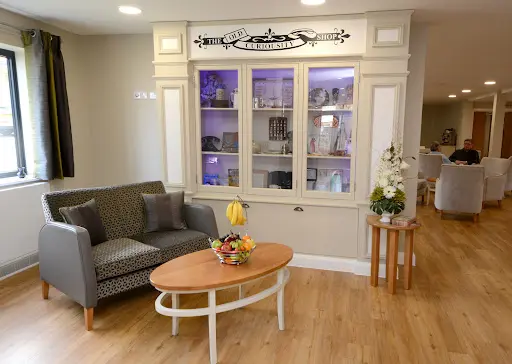
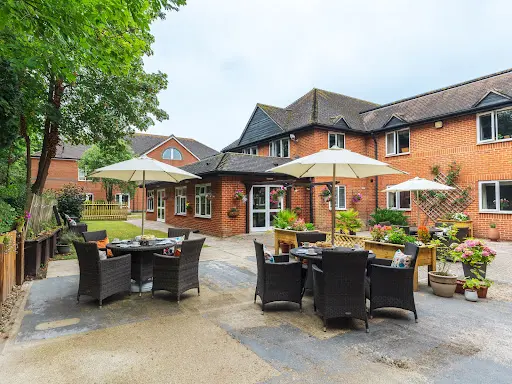
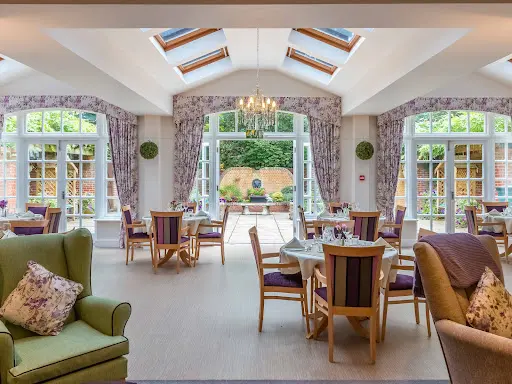
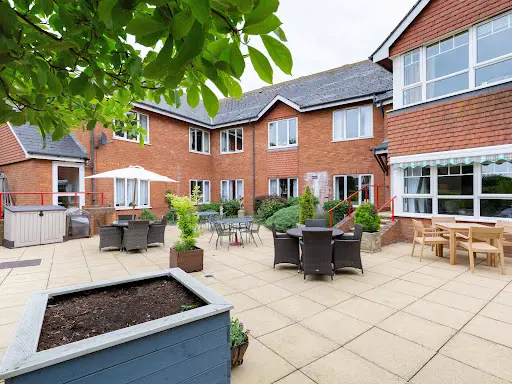
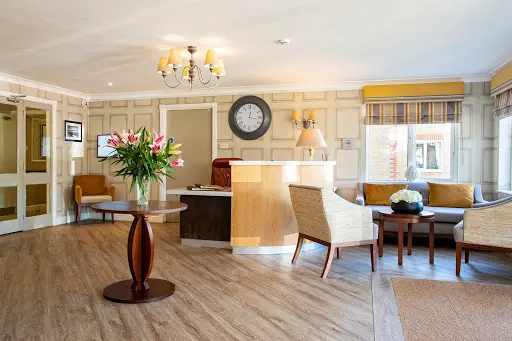
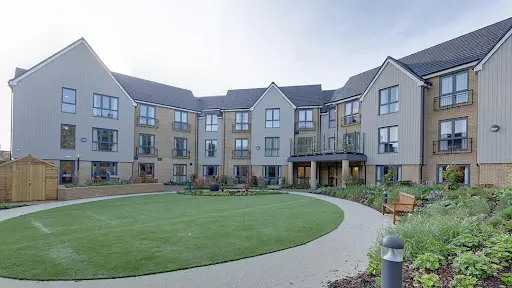
The kitchen produces proper home-cooked meals with variety and care in presentation — families mention everything from roasts to fresh salads. The environment itself supports recovery, with several families noting how the quieter setting helped their loved ones regain mobility and cooperation after difficult hospital stays.
“While the home shows real strengths in dementia understanding and family involvement, visitors should feel comfortable asking specific questions about care standards and recent improvements.”
DCC does not edit or curate content in this tab. For independently curated information, see The Evidence and DCC Verdict.