Connaught Court

At a Glance
The information you need to decide whether this home warrants a closer look.
Nursing homes
Staff warmth score
of reviewers answered yes
Good to know
- Registered beds94
- SpecialismsCaring for adults over 65 yrs, Caring for adults under 65 yrs, Dementia
- Last inspected2019-12-31
Save Connaught Court to your shortlist
Keep a running list, add visit notes, and compare homes side-by-side. Free account — it takes a minute.
STAGE 4 — RESEARCHING CARE HOMES
Visit homes. Compare them side by side. Choose with confidence.
Most of us will view care homes the way we view houses, impression, atmosphere, the feeling in the corridor. We go home, try to remember what we saw, and make a permanent decision from a blurred memory.

The DCC shortlist gives every home you visit a structured record: the same twelve questions, answered the same way, every time. When you’re ready to choose, pull any two homes side by side and compare them directly. Same criteria, same evidence, your notes and your scores.
The Evidence
What the review data, the inspection reports, and the dementia-care evidence base tell us about this home.
What families say
Families talk about how their relatives have flourished here — better appetites, brighter moods, more engaged in daily life. The monthly activity calendar helps families plan visits around things their loved ones enjoy, creating natural conversation starters. People mention how staff take time to really know each resident, remembering their preferences and responding to their individual rhythms.
The eight family priority themes
- Staff warmth72
- Compassion & dignity72
- Cleanliness70
- Activities & engagement72
- Food quality70
- Healthcare85
- Management & leadership88
- Resident happiness72
What inspectors found
Inspected 2019-12-31
Is this home safe?
Is the care effective?
Effective was rated Outstanding at the December 2022 inspection. This is the highest possible rating and covers training, care planning, healthcare access, nutrition, and how well staff apply their knowledge in practice. An Outstanding rating requires inspectors to find specific, compelling evidence that care is consistently effective across the home, not just in isolated cases. The published summary does not detail which specific practices earned this rating, but the award itself is meaningful and relatively rare. The home provides nursing care for people with dementia, making clinical effectiveness particularly significant.Is this home caring?
Caring was rated Good at the December 2022 inspection. This domain covers how staff treat the people in their care: whether they are warm, respectful, and unhurried; whether people's dignity and privacy are protected; and whether people are supported to maintain as much independence as possible. A Good rating indicates inspectors found these standards were being met. The published summary does not include specific observations of staff interactions, resident responses, or direct quotes from residents or relatives about how they experience being cared for.Is the home responsive?
Responsive was rated Good at the December 2022 inspection. This domain covers whether the home adapts to each person's individual needs and preferences, including activities, daily routines, complaints handling, and end-of-life care. A Good rating indicates inspectors were satisfied with the home's approach to individuality and responsiveness. The published summary does not describe specific activity programmes, individual engagement approaches, or end-of-life care arrangements in detail.Is the home well-led?
Well-led was rated Outstanding at the December 2022 inspection. This is the highest possible rating and covers the quality of leadership, management culture, governance, staff support, and whether the home learns and improves over time. The home has a named registered manager and a nominated individual, both recorded with the regulator. The home is operated by The Royal Masonic Benevolent Institution Care Company, a national provider. An Outstanding in Well-led requires inspectors to find not just good governance but a positive, open culture where staff feel supported and empowered to speak up.
Source: CQC inspection report →
What the evidence base says
Connaught Court provides specialist dementia care alongside general support for adults over 65. They also care for younger adults with complex needs. For residents living with dementia, the structured activity programme helps maintain engagement and connection. Staff show particular patience with complex care needs, building trust through consistent, familiar faces. All areas worth probing directly during a visit.
The DCC Verdict
Our editorial view, built from the three lenses: what families tell us, what inspectors record, and how the home sits against good dementia-care practice.
DCC Family Score
Connaught Court holds an Outstanding overall rating, with particular strength in leadership and healthcare, though the inspection text provided is limited in specific observational detail, meaning several scores reflect the rating level rather than granular evidence.
Homes in Yorkshire & Humberside typically score 68–82.The three-lens summary
What families tell us
Families talk about how their relatives have flourished here — better appetites, brighter moods, more engaged in daily life. The monthly activity calendar helps families plan visits around things their loved ones enjoy, creating natural conversation starters. People mention how staff take time to really know each resident, remembering their preferences and responding to their individual rhythms.
What inspectors have recorded
The team here responds quickly when families raise concerns, and management stays accessible for those important conversations. Doctors visit regularly, and families hear promptly about any health changes. During end-of-life care, families find quiet spaces to be together, with refreshments provided and emotional support that continues through bereavement.
How it sits against good practice
Sometimes the hardest decisions lead to the most profound relief when you find the right fit.
Worth a visit
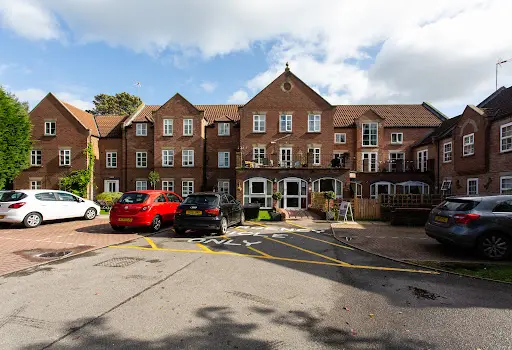
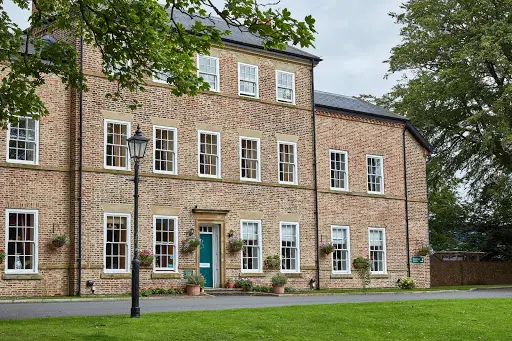
Connaught Court, on St. Oswalds Road in York, was rated Outstanding at its most recent inspection in December 2022, an improvement on its previous Good rating. The home is run by The Royal Masonic Benevolent Institution Care Company and provides nursing care for up to 94 people, including those living with dementia. Inspectors found particular strength in leadership and in the effectiveness of care, awarding Outstanding in both Well-led and Effective. Safe, Caring, and Responsive were all rated Good. The main limitation for families reading this report is that the published inspection summary contains very little specific observational detail. Ratings tell you the broad picture, but they cannot tell you whether the staff your parent will meet every day are warm, unhurried, and know them as an individual. When you visit, pay close attention to how staff interact with residents in corridors and communal spaces. Ask the manager directly about night staffing ratios, agency staff usage in the past month, and how the home involves families in care plan reviews. The Outstanding rating in leadership is a genuinely positive signal, but your own visit remains the most important evidence you can gather.
The three questions to ask when you visitSave this home. Compare it against your shortlist.
Let our analysis show you how Connaught Court measures up against the other homes you’re considering. Free account.
In Their Own Words
How Connaught Court describes itself — collected from its own website. DCC has not edited or independently verified the content in this tab.
Where families find genuine partnership in difficult times
Connaught Court – Your Trusted nursing home
When someone you love needs round-the-clock care, finding the right place feels overwhelming. Connaught Court in York has earned deep trust from families who've walked this path. They've discovered a place where medical needs get proper attention, where staff remember the small things that matter, and where difficult conversations happen with real compassion.
Who they care for
Connaught Court provides specialist dementia care alongside general support for adults over 65. They also care for younger adults with complex needs.
For residents living with dementia, the structured activity programme helps maintain engagement and connection. Staff show particular patience with complex care needs, building trust through consistent, familiar faces.
“Sometimes the hardest decisions lead to the most profound relief when you find the right fit.”
DCC does not edit or curate content in this tab. For independently curated information, see The Evidence and DCC Verdict.
The DCC Verdict
Our editorial view, built from the three lenses: what families tell us, what inspectors record, and how the home sits against good dementia-care practice.
DCC Family Score
Connaught Court holds an Outstanding overall rating, with particular strength in leadership and healthcare, though the inspection text provided is limited in specific observational detail, meaning several scores reflect the rating level rather than granular evidence.
Homes in Yorkshire & Humberside typically score 68–82.The three-lens summary
What families tell us
Families talk about how their relatives have flourished here — better appetites, brighter moods, more engaged in daily life. The monthly activity calendar helps families plan visits around things their loved ones enjoy, creating natural conversation starters. People mention how staff take time to really know each resident, remembering their preferences and responding to their individual rhythms.
What inspectors have recorded
The team here responds quickly when families raise concerns, and management stays accessible for those important conversations. Doctors visit regularly, and families hear promptly about any health changes. During end-of-life care, families find quiet spaces to be together, with refreshments provided and emotional support that continues through bereavement.
How it sits against good practice
Sometimes the hardest decisions lead to the most profound relief when you find the right fit.
Worth a visit
Connaught Court, on St. Oswalds Road in York, was rated Outstanding at its most recent inspection in December 2022, an improvement on its previous Good rating. The home is run by The Royal Masonic Benevolent Institution Care Company and provides nursing care for up to 94 people, including those living with dementia. Inspectors found particular strength in leadership and in the effectiveness of care, awarding Outstanding in both Well-led and Effective. Safe, Caring, and Responsive were all rated Good. The main limitation for families reading this report is that the published inspection summary contains very little specific observational detail. Ratings tell you the broad picture, but they cannot tell you whether the staff your parent will meet every day are warm, unhurried, and know them as an individual. When you visit, pay close attention to how staff interact with residents in corridors and communal spaces. Ask the manager directly about night staffing ratios, agency staff usage in the past month, and how the home involves families in care plan reviews. The Outstanding rating in leadership is a genuinely positive signal, but your own visit remains the most important evidence you can gather.
The three questions to ask when you visitSave this home. Compare it against your shortlist.
Let our analysis show you how Connaught Court measures up against the other homes you’re considering. Free account.
In Their Own Words
How Connaught Court describes itself — collected from its own website. DCC has not edited or independently verified the content in this tab.
Where families find genuine partnership in difficult times
Connaught Court – Your Trusted nursing home
When someone you love needs round-the-clock care, finding the right place feels overwhelming. Connaught Court in York has earned deep trust from families who've walked this path. They've discovered a place where medical needs get proper attention, where staff remember the small things that matter, and where difficult conversations happen with real compassion.
Who they care for
Connaught Court provides specialist dementia care alongside general support for adults over 65. They also care for younger adults with complex needs.
For residents living with dementia, the structured activity programme helps maintain engagement and connection. Staff show particular patience with complex care needs, building trust through consistent, familiar faces.
Management & ethos
The team here responds quickly when families raise concerns, and management stays accessible for those important conversations. Doctors visit regularly, and families hear promptly about any health changes. During end-of-life care, families find quiet spaces to be together, with refreshments provided and emotional support that continues through bereavement.
The home & environment
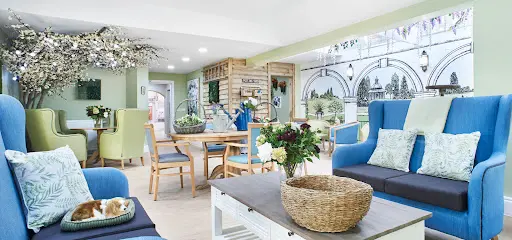
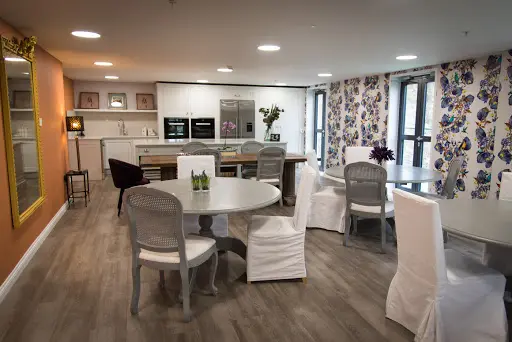
The dining experience stands out, with meals offered three times daily and real choice on the menu. Families appreciate being able to book meals and eat alongside their relatives, making visits feel more natural. Regular hair appointments help residents feel well-groomed and cared for.
“Sometimes the hardest decisions lead to the most profound relief when you find the right fit.”
DCC does not edit or curate content in this tab. For independently curated information, see The Evidence and DCC Verdict.