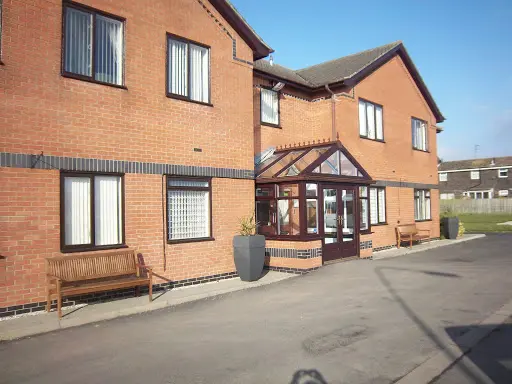
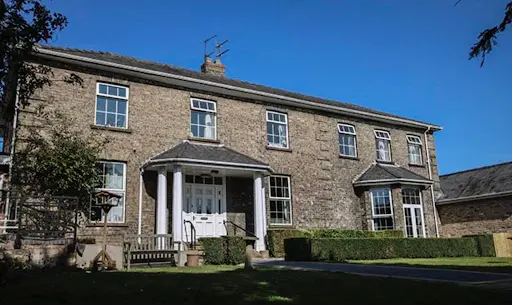
Barchester – Mallard Court Care Home
At a Glance
The information you need to decide whether this home warrants a closer look.
Nursing homes
Staff warmth score
of reviewers answered yes
Good to know
- Registered beds70
- SpecialismsCaring for adults over 65 yrs, Caring for adults under 65 yrs, Dementia, Physical disabilities
- Last inspected2020-01-11
Save Barchester – Mallard Court Care Home to your shortlist
Keep a running list, add visit notes, and compare homes side-by-side. Free account — it takes a minute.
STAGE 4 — RESEARCHING CARE HOMES
Visit homes. Compare them side by side. Choose with confidence.
Most of us will view care homes the way we view houses, impression, atmosphere, the feeling in the corridor. We go home, try to remember what we saw, and make a permanent decision from a blurred memory.

The DCC shortlist gives every home you visit a structured record: the same twelve questions, answered the same way, every time. When you’re ready to choose, pull any two homes side by side and compare them directly. Same criteria, same evidence, your notes and your scores.
The Evidence
What the review data, the inspection reports, and the dementia-care evidence base tell us about this home.
What families say
Families describe how staff take time to learn about new residents before they arrive, gathering details about their interests and preferences to help them settle in. The home maintains a clean, comfortable environment, and many residents eventually express contentment after an adjustment period.
The eight family priority themes
- Staff warmth72
- Compassion & dignity72
- Cleanliness70
- Activities & engagement60
- Food quality60
- Healthcare68
- Management & leadership72
- Resident happiness68
What inspectors found
Inspected 2020-01-11
Is this home safe?
Is the care effective?
The Effective domain was rated Good at the November 2019 inspection. Mallard Court is registered as a nursing home with dementia as a listed specialism, which means nursing input and dementia-specific practice should be embedded in daily care. The published findings do not describe the content of care plans, the frequency of GP access, dementia training content, or food quality and choice. The July 2023 review did not identify concerns.Is this home caring?
The Caring domain was rated Good at the November 2019 inspection. The published findings do not include direct observations of staff interactions, quotes from residents or relatives about warmth or dignity, or descriptions of how staff respond to distress. The absence of specific detail limits what can be said with confidence about day-to-day caring culture.Is the home responsive?
The Responsive domain was rated Good at the November 2019 inspection. The home is registered to care for people with dementia and physical disabilities, which implies that responsiveness to individual needs and adapted activities should be part of its offer. The published findings contain no specific detail on activities provision, individual engagement, end-of-life planning, or how the home responds to changing needs.Is the home well-led?
The Well-led domain was rated Good at the November 2019 inspection, improving from Requires Improvement. A Nominated Individual, Mr Dominic Jude Kay, is recorded. The home is operated by Barchester Healthcare Homes Limited. The published findings provide no specific detail on management visibility, staff culture, governance practices, or how the home handles complaints and learning from incidents.
Source: CQC inspection report →
What the evidence base says
The home provides care for adults over and under 65, including those with dementia and physical disabilities. While the home accepts residents with dementia and works to understand their individual needs before admission, families considering respite care should discuss medical monitoring protocols thoroughly. All areas worth probing directly during a visit.
The DCC Verdict
Our editorial view, built from the three lenses: what families tell us, what inspectors record, and how the home sits against good dementia-care practice.
DCC Family Score
Mallard Court scores 72 out of 100, reflecting a genuine and encouraging improvement from Requires Improvement to Good across all five inspection domains. The score is held back by the age of the inspection findings (November 2019) and the limited specific detail available to verify individual themes.
Homes in Yorkshire & Humberside typically score 68–82.The three-lens summary
What families tell us
Families describe how staff take time to learn about new residents before they arrive, gathering details about their interests and preferences to help them settle in. The home maintains a clean, comfortable environment, and many residents eventually express contentment after an adjustment period.
What inspectors have recorded
Staff are generally described as approachable and willing to communicate with families. During end-of-life care with proper medical support, families have noted respectful, comfort-focused approaches. However, serious incidents involving delayed medical intervention during respite care have raised significant concerns about clinical decision-making and escalation procedures.
How it sits against good practice
Given the contrasting experiences reported, visiting Mallard Court and asking detailed questions about medical oversight and escalation procedures would be particularly important.
Worth a visit
Mallard Court, on Avocet Way in Bridlington, was rated Good at its most recent inspection in November 2019, with that rating confirmed across all five domains: Safe, Effective, Caring, Responsive, and Well-led. Importantly, this was an improvement from a previous rating of Requires Improvement, which tells you the home identified problems and addressed them. A subsequent review in July 2023 found no evidence to change the rating. Mallard Court is run by Barchester Healthcare Homes Limited and is registered to care for up to 70 people, including adults with dementia and physical disabilities, with nursing care available on site. The main limitation here is that the published inspection report contains very little specific detail. Inspectors did not record individual observations, quotes from residents or relatives, or descriptions of daily life that would allow a fuller picture. This means the Good rating is credible but the evidence behind it is thin in the public domain. The inspection was also carried out more than five years ago. Before visiting, call the home and ask to speak to the registered manager. On your visit, watch how staff interact with residents in corridors and communal areas, ask to see the staffing rota for the past week (counting permanent versus agency names on night shifts), and request a copy of the current activity timetable to check whether one-to-one engagement is offered for residents who cannot join group sessions.
The three questions to ask when you visitSave this home. Compare it against your shortlist.
Let our analysis show you how Barchester – Mallard Court Care Home measures up against the other homes you’re considering. Free account.
In Their Own Words
How Barchester – Mallard Court Care Home describes itself — collected from its own website. DCC has not edited or independently verified the content in this tab.
Thoughtful activities programme meets serious care concerns in Bridlington
Compassionate Care in Bridlington at Mallard Court
For families exploring dementia care options, Mallard Court in Bridlington presents a complex picture. The care home organises regular entertainment and activities that many residents enjoy, and families often find staff approachable during visits. However, documented concerns about medical oversight during respite stays require careful consideration.
Who they care for
The home provides care for adults over and under 65, including those with dementia and physical disabilities.
While the home accepts residents with dementia and works to understand their individual needs before admission, families considering respite care should discuss medical monitoring protocols thoroughly.
“Given the contrasting experiences reported, visiting Mallard Court and asking detailed questions about medical oversight and escalation procedures would be particularly important.”
DCC does not edit or curate content in this tab. For independently curated information, see The Evidence and DCC Verdict.
The DCC Verdict
Our editorial view, built from the three lenses: what families tell us, what inspectors record, and how the home sits against good dementia-care practice.
DCC Family Score
Mallard Court scores 72 out of 100, reflecting a genuine and encouraging improvement from Requires Improvement to Good across all five inspection domains. The score is held back by the age of the inspection findings (November 2019) and the limited specific detail available to verify individual themes.
Homes in Yorkshire & Humberside typically score 68–82.The three-lens summary
What families tell us
Families describe how staff take time to learn about new residents before they arrive, gathering details about their interests and preferences to help them settle in. The home maintains a clean, comfortable environment, and many residents eventually express contentment after an adjustment period.
What inspectors have recorded
Staff are generally described as approachable and willing to communicate with families. During end-of-life care with proper medical support, families have noted respectful, comfort-focused approaches. However, serious incidents involving delayed medical intervention during respite care have raised significant concerns about clinical decision-making and escalation procedures.
How it sits against good practice
Given the contrasting experiences reported, visiting Mallard Court and asking detailed questions about medical oversight and escalation procedures would be particularly important.
Worth a visit
Mallard Court, on Avocet Way in Bridlington, was rated Good at its most recent inspection in November 2019, with that rating confirmed across all five domains: Safe, Effective, Caring, Responsive, and Well-led. Importantly, this was an improvement from a previous rating of Requires Improvement, which tells you the home identified problems and addressed them. A subsequent review in July 2023 found no evidence to change the rating. Mallard Court is run by Barchester Healthcare Homes Limited and is registered to care for up to 70 people, including adults with dementia and physical disabilities, with nursing care available on site. The main limitation here is that the published inspection report contains very little specific detail. Inspectors did not record individual observations, quotes from residents or relatives, or descriptions of daily life that would allow a fuller picture. This means the Good rating is credible but the evidence behind it is thin in the public domain. The inspection was also carried out more than five years ago. Before visiting, call the home and ask to speak to the registered manager. On your visit, watch how staff interact with residents in corridors and communal areas, ask to see the staffing rota for the past week (counting permanent versus agency names on night shifts), and request a copy of the current activity timetable to check whether one-to-one engagement is offered for residents who cannot join group sessions.
The three questions to ask when you visitSave this home. Compare it against your shortlist.
Let our analysis show you how Barchester – Mallard Court Care Home measures up against the other homes you’re considering. Free account.
In Their Own Words
How Barchester – Mallard Court Care Home describes itself — collected from its own website. DCC has not edited or independently verified the content in this tab.
Thoughtful activities programme meets serious care concerns in Bridlington
Compassionate Care in Bridlington at Mallard Court
For families exploring dementia care options, Mallard Court in Bridlington presents a complex picture. The care home organises regular entertainment and activities that many residents enjoy, and families often find staff approachable during visits. However, documented concerns about medical oversight during respite stays require careful consideration.
Who they care for
The home provides care for adults over and under 65, including those with dementia and physical disabilities.
While the home accepts residents with dementia and works to understand their individual needs before admission, families considering respite care should discuss medical monitoring protocols thoroughly.
Management & ethos
Staff are generally described as approachable and willing to communicate with families. During end-of-life care with proper medical support, families have noted respectful, comfort-focused approaches. However, serious incidents involving delayed medical intervention during respite care have raised significant concerns about clinical decision-making and escalation procedures.
The home & environment
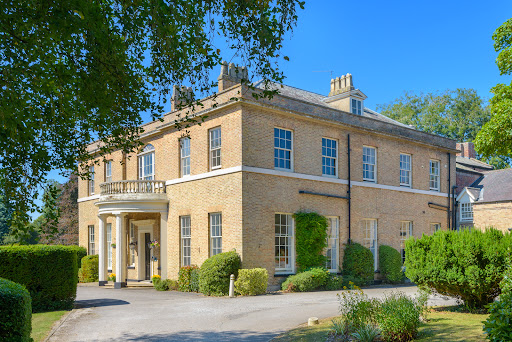
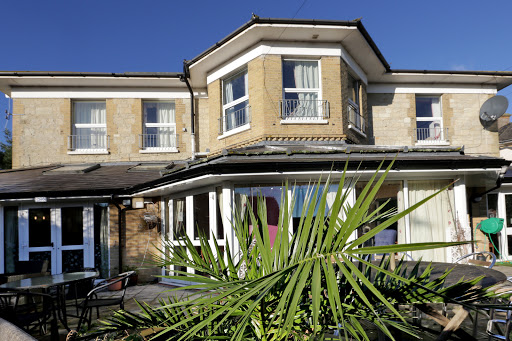
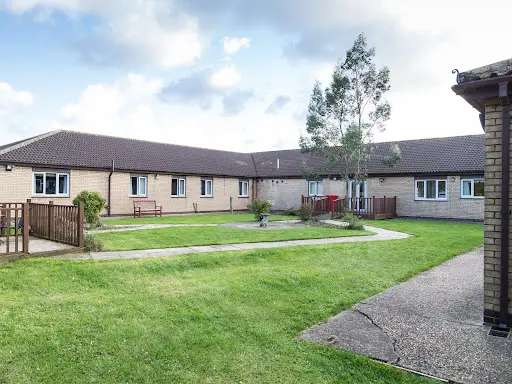
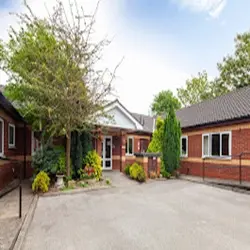
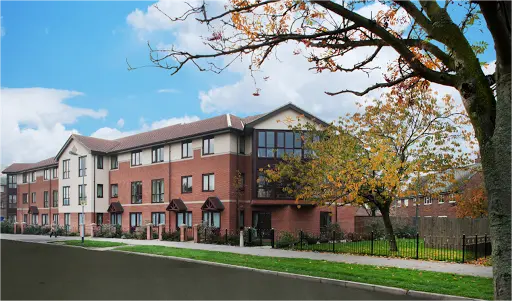
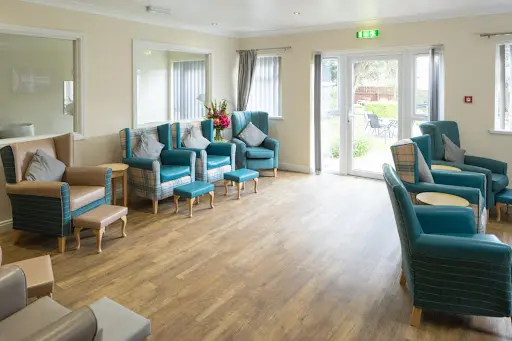
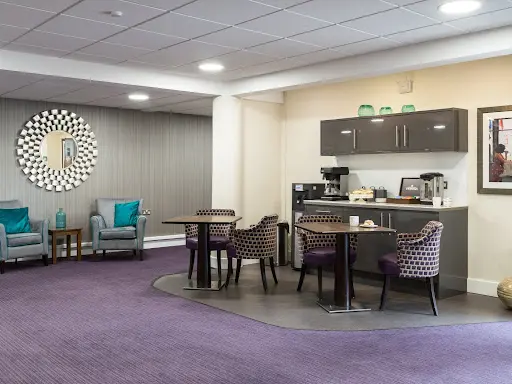
The activities programme stands out, with regular entertainment sessions and visiting performers creating structure to residents' days. The physical environment feels domestic rather than clinical, and families mention the cleanliness throughout.
“Given the contrasting experiences reported, visiting Mallard Court and asking detailed questions about medical oversight and escalation procedures would be particularly important.”
DCC does not edit or curate content in this tab. For independently curated information, see The Evidence and DCC Verdict.