Aarandale Manor Luxury Care Home

At a Glance
The information you need to decide whether this home warrants a closer look.
Nursing homes
Staff warmth score
of reviewers answered yes
Good to know
- Registered beds65
- SpecialismsCaring for adults over 65 yrs, Dementia, Eating disorders, Physical disabilities, Sensory impairment
- Last inspected2020-09-25
Save Aarandale Manor Luxury Care Home to your shortlist
Keep a running list, add visit notes, and compare homes side-by-side. Free account — it takes a minute.
STAGE 4 — RESEARCHING CARE HOMES
Visit homes. Compare them side by side. Choose with confidence.
Most of us will view care homes the way we view houses, impression, atmosphere, the feeling in the corridor. We go home, try to remember what we saw, and make a permanent decision from a blurred memory.

The DCC shortlist gives every home you visit a structured record: the same twelve questions, answered the same way, every time. When you’re ready to choose, pull any two homes side by side and compare them directly. Same criteria, same evidence, your notes and your scores.
The Evidence
What the review data, the inspection reports, and the dementia-care evidence base tell us about this home.
What families say
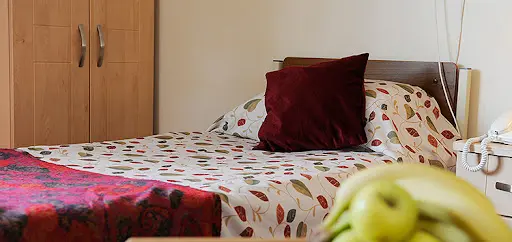
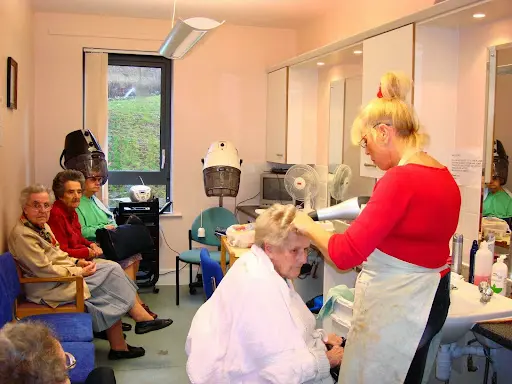
People describe a real sense of wellbeing here, with residents staying active and socially connected. The atmosphere feels relaxed rather than clinical, and families notice how staff take time to really engage with residents throughout the day. Individual rooms reflect personal tastes, helping people feel settled.
The eight family priority themes
- Staff warmth72
- Compassion & dignity72
- Cleanliness70
- Activities & engagement45
- Food quality55
- Healthcare68
- Management & leadership72
- Resident happiness65
What inspectors found
Inspected 2020-09-25
Is this home safe?
Is the care effective?
Effective was rated Good at the September 2020 inspection. This domain covers training, care planning, healthcare access, and nutrition. A Good rating indicates that staff competence, care plan quality, and healthcare coordination met inspection standards at the time. The home's specialisms include dementia, eating disorders, and sensory impairment, all of which require specific clinical knowledge. The published findings do not include detail on dementia training content, care plan review schedules, GP access frequency, or how food quality and choice are managed.Is this home caring?
Inspectors rated Caring as Good in September 2020. This domain reflects whether staff treat the people in their care with warmth, respect privacy, and support independence. A Good rating indicates that these standards were met at the point of inspection. The published findings include no direct inspector observations of staff interactions, no resident testimony, and no relative quotes, which makes it impossible to describe what caring actually looked like on the day. The rating is positive, but the evidence behind it is not visible in the published summary.Is the home responsive?
Responsive was rated Requires Improvement at the September 2020 inspection. This is the one domain where inspectors found the home fell short. Responsive covers whether the home tailors daily life, activities, and care to each person's individual preferences, including for people with advanced dementia who may not be able to express those preferences verbally. The published findings do not describe what specific gaps inspectors identified, which makes it difficult to know how serious the shortfall was or whether it has since been addressed. This rating is the most important reason to ask detailed questions before making a decision.Is the home well-led?
Well-led was rated Good at the September 2020 inspection. A named registered manager, Mrs Kirsty Jessica Harris, and a nominated individual, Mrs Sarah Willitts, were both recorded as in post. The improvement from the previous Requires Improvement overall rating suggests the leadership team responded to earlier inspection findings. The published findings do not describe the management culture, staff empowerment, or how the home handles complaints and concerns in any specific detail. The rating indicates governance meets the required standard but offers limited insight into day-to-day leadership.
Source: CQC inspection report →
What the evidence base says
The team supports people with sensory impairments, dementia, physical disabilities and eating disorders. They focus on residents over 65, with experience adapting care approaches to different needs. For residents with dementia, the emphasis on meaningful activities and social connection becomes especially important. The team works to keep people engaged at whatever level feels right for them. All areas worth probing directly during a visit.
The DCC Verdict
Our editorial view, built from the three lenses: what families tell us, what inspectors record, and how the home sits against good dementia-care practice.
DCC Family Score
Aarandale Manor scores well across the care and leadership themes, reflecting a clear improvement from its previous Requires Improvement rating. The score is held back by the Requires Improvement in Responsive, which means inspectors found meaningful gaps in how the home tailors activities and responds to individual needs.
Homes in London typically score 68–82.The three-lens summary
What families tell us
People describe a real sense of wellbeing here, with residents staying active and socially connected. The atmosphere feels relaxed rather than clinical, and families notice how staff take time to really engage with residents throughout the day. Individual rooms reflect personal tastes, helping people feel settled.
What inspectors have recorded
The management team has created a positive workplace culture that shows in the care provided. Staff come across as both professional and genuinely warm, taking time with visitors and residents alike. Leadership here seems stable and focused on maintaining good standards across the board.
How it sits against good practice
The location makes it easy for local families to stay connected, which matters when you're looking for somewhere that feels part of the community.
Worth a visit
Aarandale Manor, on Holders Hill Road in Mill Hill, was rated Good overall at its inspection in September 2020, having improved from a previous Requires Improvement rating. Inspectors rated the home Good across Safety, Effectiveness, Caring, and Well-led, which means the core areas of staff practice, healthcare, and management met the required standard. That improvement trajectory is an encouraging sign and suggests the leadership team responded to earlier concerns. The one area that did not reach Good was Responsive, which covers whether the home tailors daily life, activities, and individual care to each person's preferences and needs. This rating was still at Requires Improvement at the time of inspection, and given that the published findings contain very limited detail on what inspectors actually observed, there is a great deal that this report cannot tell you. Before visiting, prepare specific questions: ask to see last week's actual activity schedule rather than a template; ask how the team keeps your parent engaged if they cannot join group sessions; and ask how care plans are personalised for someone with dementia. The inspection is now over four years old, so also ask whether a more recent inspection has taken place and request any internal quality audits from the past twelve months.
The three questions to ask when you visitSave this home. Compare it against your shortlist.
Let our analysis show you how Aarandale Manor Luxury Care Home measures up against the other homes you’re considering. Free account.
In Their Own Words
How Aarandale Manor Luxury Care Home describes itself — collected from its own website. DCC has not edited or independently verified the content in this tab.
Where professional care meets genuine warmth in North London
Dedicated nursing home Support in London
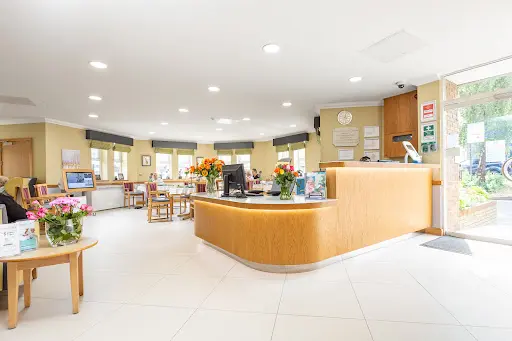
Families visiting Aarandale Manor in London often comment on the bright, modern spaces that feel nothing like traditional care environments. The team here focuses on keeping residents engaged and connected, with activities that go beyond basic care routines. It's the kind of place where individual preferences genuinely shape daily life.
Who they care for
The team supports people with sensory impairments, dementia, physical disabilities and eating disorders. They focus on residents over 65, with experience adapting care approaches to different needs.
For residents with dementia, the emphasis on meaningful activities and social connection becomes especially important. The team works to keep people engaged at whatever level feels right for them.
“The location makes it easy for local families to stay connected, which matters when you're looking for somewhere that feels part of the community.”
DCC does not edit or curate content in this tab. For independently curated information, see The Evidence and DCC Verdict.
The DCC Verdict
Our editorial view, built from the three lenses: what families tell us, what inspectors record, and how the home sits against good dementia-care practice.
DCC Family Score
Aarandale Manor scores well across the care and leadership themes, reflecting a clear improvement from its previous Requires Improvement rating. The score is held back by the Requires Improvement in Responsive, which means inspectors found meaningful gaps in how the home tailors activities and responds to individual needs.
Homes in London typically score 68–82.The three-lens summary
What families tell us
People describe a real sense of wellbeing here, with residents staying active and socially connected. The atmosphere feels relaxed rather than clinical, and families notice how staff take time to really engage with residents throughout the day. Individual rooms reflect personal tastes, helping people feel settled.
What inspectors have recorded
The management team has created a positive workplace culture that shows in the care provided. Staff come across as both professional and genuinely warm, taking time with visitors and residents alike. Leadership here seems stable and focused on maintaining good standards across the board.
How it sits against good practice
The location makes it easy for local families to stay connected, which matters when you're looking for somewhere that feels part of the community.
Worth a visit
Aarandale Manor, on Holders Hill Road in Mill Hill, was rated Good overall at its inspection in September 2020, having improved from a previous Requires Improvement rating. Inspectors rated the home Good across Safety, Effectiveness, Caring, and Well-led, which means the core areas of staff practice, healthcare, and management met the required standard. That improvement trajectory is an encouraging sign and suggests the leadership team responded to earlier concerns. The one area that did not reach Good was Responsive, which covers whether the home tailors daily life, activities, and individual care to each person's preferences and needs. This rating was still at Requires Improvement at the time of inspection, and given that the published findings contain very limited detail on what inspectors actually observed, there is a great deal that this report cannot tell you. Before visiting, prepare specific questions: ask to see last week's actual activity schedule rather than a template; ask how the team keeps your parent engaged if they cannot join group sessions; and ask how care plans are personalised for someone with dementia. The inspection is now over four years old, so also ask whether a more recent inspection has taken place and request any internal quality audits from the past twelve months.
The three questions to ask when you visitSave this home. Compare it against your shortlist.
Let our analysis show you how Aarandale Manor Luxury Care Home measures up against the other homes you’re considering. Free account.
In Their Own Words
How Aarandale Manor Luxury Care Home describes itself — collected from its own website. DCC has not edited or independently verified the content in this tab.
Where professional care meets genuine warmth in North London
Dedicated nursing home Support in London
Families visiting Aarandale Manor in London often comment on the bright, modern spaces that feel nothing like traditional care environments. The team here focuses on keeping residents engaged and connected, with activities that go beyond basic care routines. It's the kind of place where individual preferences genuinely shape daily life.
Who they care for
The team supports people with sensory impairments, dementia, physical disabilities and eating disorders. They focus on residents over 65, with experience adapting care approaches to different needs.
For residents with dementia, the emphasis on meaningful activities and social connection becomes especially important. The team works to keep people engaged at whatever level feels right for them.
Management & ethos
The management team has created a positive workplace culture that shows in the care provided. Staff come across as both professional and genuinely warm, taking time with visitors and residents alike. Leadership here seems stable and focused on maintaining good standards across the board.
The home & environment
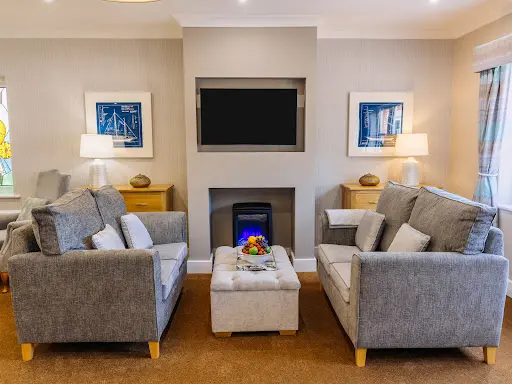
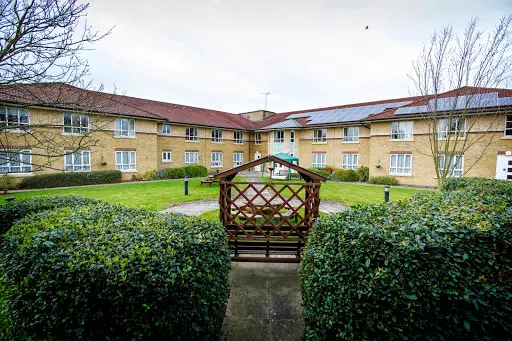
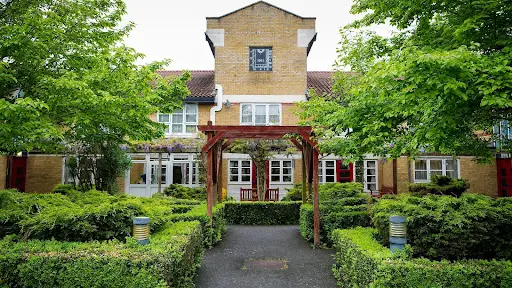
The food gets particular praise for variety and flexibility around individual preferences and dietary needs. The building itself is well-maintained with modern, comfortable spaces that avoid that institutional feel. Families appreciate the pleasant surroundings and attention to creating a comfortable environment.
“The location makes it easy for local families to stay connected, which matters when you're looking for somewhere that feels part of the community.”
DCC does not edit or curate content in this tab. For independently curated information, see The Evidence and DCC Verdict.