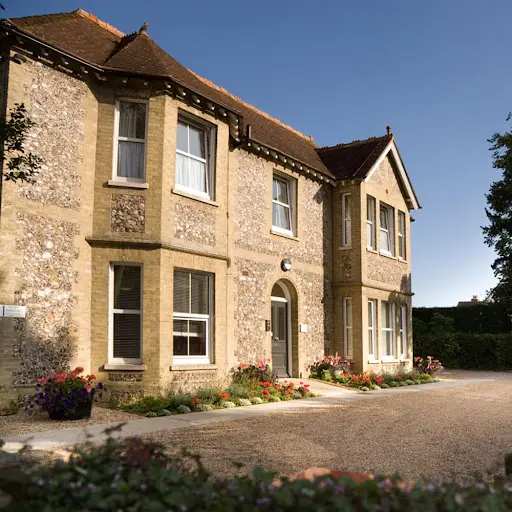
The Oaks Nursing Home
At a Glance
The information you need to decide whether this home warrants a closer look.
Nursing homes
Staff warmth score
of reviewers answered yes
Good to know
- Registered beds113
- SpecialismsCaring for adults over 65 yrs, Caring for adults under 65 yrs, Dementia, Mental health conditions, Physical disabilities, Sensory impairment
- Last inspected2024-01-11
Save The Oaks Nursing Home to your shortlist
Keep a running list, add visit notes, and compare homes side-by-side. Free account — it takes a minute.
STAGE 4 — RESEARCHING CARE HOMES
Visit homes. Compare them side by side. Choose with confidence.
Most of us will view care homes the way we view houses, impression, atmosphere, the feeling in the corridor. We go home, try to remember what we saw, and make a permanent decision from a blurred memory.

The DCC shortlist gives every home you visit a structured record: the same twelve questions, answered the same way, every time. When you’re ready to choose, pull any two homes side by side and compare them directly. Same criteria, same evidence, your notes and your scores.
The Evidence
What the review data, the inspection reports, and the dementia-care evidence base tell us about this home.
What families say
The eight family priority themes
- Staff warmth35
- Compassion & dignity35
- Cleanliness35
- Activities & engagement30
- Food quality30
- Healthcare30
- Management & leadership25
- Resident happiness30
What inspectors found
Inspected 2024-01-11
Is this home safe?
Is the care effective?
The Effective domain is listed as Good in the April 2024 assessment overview. However, the inspection text provided contains no specific findings about care plan quality, GP access, dementia training, or food provision. With dementia listed as a specialism for a 113-bed home, the absence of detail about training and care planning in the published text is notable. Families should not assume a Good domain rating from a prior assessment reflects current practice, particularly given the overall Inadequate rating.Is this home caring?
The Caring domain is listed as Good in the April 2024 assessment overview, but no inspector observations, resident testimony, or relative feedback about staff warmth, dignity, or respect are included in the available inspection text. Staff warmth and compassion are the two highest-weighted themes in family satisfaction data, accounting for 57.3% and 55.2% of positive reviews respectively, which makes the absence of any specific evidence here particularly significant. Families cannot form a view about caring culture from the published findings alone.Is the home responsive?
Is the home well-led?
The Well-led domain is listed as Good in the April 2024 assessment overview, but the available inspection text contains no substantive findings about management culture, governance systems, staff empowerment, or how the home responds to concerns and complaints. The registered manager is named as Mrs Veronica Anne Dickinson, who is also the nominated individual. The overall Inadequate rating, having declined from Good, raises serious questions about leadership and governance that the available text does not resolve. This is the area of greatest concern and uncertainty for families considering this home.
Source: CQC inspection report →
What the evidence base says
The team supports residents with various needs including dementia, mental health conditions, physical disabilities and sensory impairments. They provide care for both older adults and younger people who need residential support. The home accepts residents living with different stages of dementia. Staff work with families to understand each person's individual needs and preferences. All areas worth probing directly during a visit.
The DCC Verdict
Our editorial view, built from the three lenses: what families tell us, what inspectors record, and how the home sits against good dementia-care practice.
DCC Family Score
This home holds an overall rating of Inadequate, having declined from a previous rating of Good. The inspection findings provided do not contain sufficient domain-level detail to score individual themes above the threshold for concern, and families should treat this score as a warning signal rather than a reliable picture of day-to-day care.
Homes in London typically score 68–82.Worth a visit
This home, located on Sidcup Road in south-east London, holds an overall rating of Inadequate at its most recent inspection, having previously been rated Good. The individual domain scores (Safe, Effective, Caring, Responsive, and Well-led) are listed in the published overview as all Good from a separate assessment dated 23 April 2024, but the inspection report text provided contains almost no substantive findings, observations, or testimony that would allow a meaningful picture of day-to-day care to be drawn. The home is registered for 113 beds and lists dementia, mental health conditions, physical disabilities, and sensory impairment among its specialisms. The single most important thing to understand before visiting is that an Inadequate overall rating represents a serious regulatory concern, and the decline from Good is a significant warning. Families should not rely on the domain scores from April 2024 alone, as the overall Inadequate rating reflects a more recent or cumulative judgement about this home. Before arranging a visit, call the registered manager, Mrs Veronica Anne Dickinson, and ask directly: what specifically led to the Inadequate rating, what has changed since, and when the next inspection is expected. On any visit, pay close attention to how staff interact with residents in corridors and communal areas, whether the environment feels calm and unhurried, and whether the manager is present and known to staff by name.
The three questions to ask when you visitSave this home. Compare it against your shortlist.
Let our analysis show you how The Oaks Nursing Home measures up against the other homes you’re considering. Free account.
In Their Own Words
How The Oaks Nursing Home describes itself — collected from its own website. DCC has not edited or independently verified the content in this tab.
Specialist dementia support in established London care setting
Compassionate Care in London at The Oaks
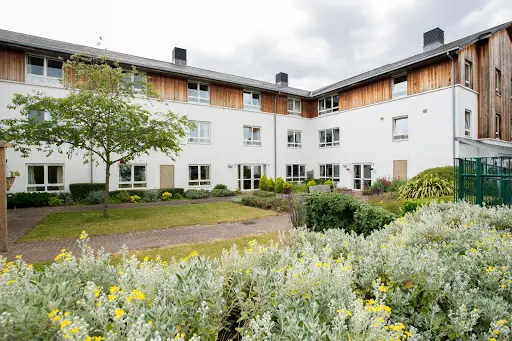
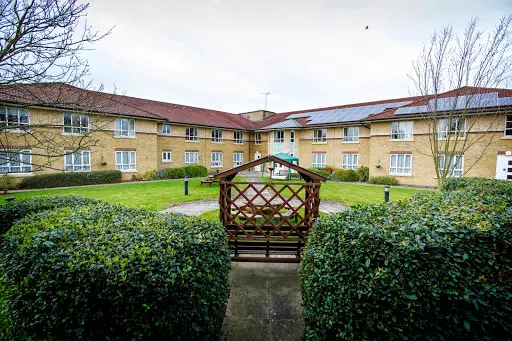
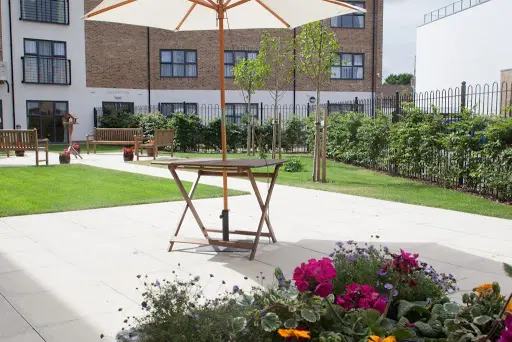
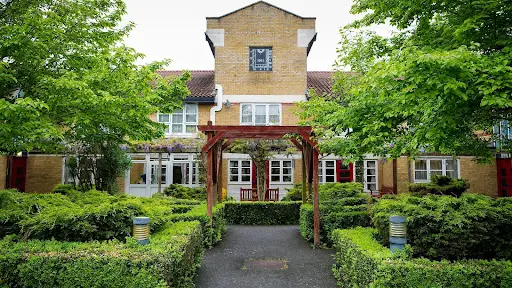
The Oaks in London provides residential care for older adults and those under 65 with complex needs. The home specialises in supporting residents with dementia, mental health conditions, physical disabilities and sensory impairments. Set within maintained grounds, the home offers both indoor and outdoor spaces for residents.
Who they care for
The team supports residents with various needs including dementia, mental health conditions, physical disabilities and sensory impairments. They provide care for both older adults and younger people who need residential support.
The home accepts residents living with different stages of dementia. Staff work with families to understand each person's individual needs and preferences.
“Families considering The Oaks are encouraged to visit and meet the team to discuss their loved one's specific care requirements.”
DCC does not edit or curate content in this tab. For independently curated information, see The Evidence and DCC Verdict.
The DCC Verdict
Our editorial view, built from the three lenses: what families tell us, what inspectors record, and how the home sits against good dementia-care practice.
DCC Family Score
This home holds an overall rating of Inadequate, having declined from a previous rating of Good. The inspection findings provided do not contain sufficient domain-level detail to score individual themes above the threshold for concern, and families should treat this score as a warning signal rather than a reliable picture of day-to-day care.
Homes in London typically score 68–82.Worth a visit
This home, located on Sidcup Road in south-east London, holds an overall rating of Inadequate at its most recent inspection, having previously been rated Good. The individual domain scores (Safe, Effective, Caring, Responsive, and Well-led) are listed in the published overview as all Good from a separate assessment dated 23 April 2024, but the inspection report text provided contains almost no substantive findings, observations, or testimony that would allow a meaningful picture of day-to-day care to be drawn. The home is registered for 113 beds and lists dementia, mental health conditions, physical disabilities, and sensory impairment among its specialisms. The single most important thing to understand before visiting is that an Inadequate overall rating represents a serious regulatory concern, and the decline from Good is a significant warning. Families should not rely on the domain scores from April 2024 alone, as the overall Inadequate rating reflects a more recent or cumulative judgement about this home. Before arranging a visit, call the registered manager, Mrs Veronica Anne Dickinson, and ask directly: what specifically led to the Inadequate rating, what has changed since, and when the next inspection is expected. On any visit, pay close attention to how staff interact with residents in corridors and communal areas, whether the environment feels calm and unhurried, and whether the manager is present and known to staff by name.
The three questions to ask when you visitSave this home. Compare it against your shortlist.
Let our analysis show you how The Oaks Nursing Home measures up against the other homes you’re considering. Free account.
In Their Own Words
How The Oaks Nursing Home describes itself — collected from its own website. DCC has not edited or independently verified the content in this tab.
Specialist dementia support in established London care setting
Compassionate Care in London at The Oaks
The Oaks in London provides residential care for older adults and those under 65 with complex needs. The home specialises in supporting residents with dementia, mental health conditions, physical disabilities and sensory impairments. Set within maintained grounds, the home offers both indoor and outdoor spaces for residents.
Who they care for
The team supports residents with various needs including dementia, mental health conditions, physical disabilities and sensory impairments. They provide care for both older adults and younger people who need residential support.
The home accepts residents living with different stages of dementia. Staff work with families to understand each person's individual needs and preferences.
“Families considering The Oaks are encouraged to visit and meet the team to discuss their loved one's specific care requirements.”
DCC does not edit or curate content in this tab. For independently curated information, see The Evidence and DCC Verdict.