Meadowfields Care Home
At a Glance
The information you need to decide whether this home warrants a closer look.
Residential homes
Staff warmth score
of reviewers answered yes
Good to know
- Registered beds65
- SpecialismsCaring for adults over 65 yrs, Caring for adults under 65 yrs, Dementia, Physical disabilities
- Last inspected2021-09-30
Save Meadowfields Care Home to your shortlist
Keep a running list, add visit notes, and compare homes side-by-side. Free account — it takes a minute.
STAGE 4 — RESEARCHING CARE HOMES
Visit homes. Compare them side by side. Choose with confidence.
Most of us will view care homes the way we view houses, impression, atmosphere, the feeling in the corridor. We go home, try to remember what we saw, and make a permanent decision from a blurred memory.

The DCC shortlist gives every home you visit a structured record: the same twelve questions, answered the same way, every time. When you’re ready to choose, pull any two homes side by side and compare them directly. Same criteria, same evidence, your notes and your scores.
The Evidence
What the review data, the inspection reports, and the dementia-care evidence base tell us about this home.
What families say
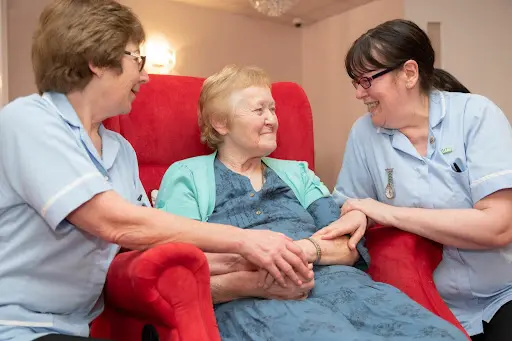
Families notice how residents seem genuinely content here, joining in with activities and looking forward to their days. There's a real sense of engagement, whether that's through the exercise sessions, music therapy, or just chatting in the garden. People comment on how well-groomed and smartly dressed their relatives always look when they visit.
The eight family priority themes
- Staff warmth72
- Compassion & dignity72
- Cleanliness70
- Activities & engagement60
- Food quality60
- Healthcare68
- Management & leadership75
- Resident happiness68
What inspectors found
Inspected 2021-09-30
Is this home safe?
Is the care effective?
The Effective domain was rated Good at the September 2021 inspection. This domain covers training, care planning, nutrition, and healthcare access. Dementia is a listed specialism, which means inspectors would have assessed whether staff have the knowledge to support people living with dementia. The published summary does not include specific details about training content, care plan review frequency, GP access arrangements, or how dietary needs are met. The Good rating indicates inspectors were satisfied overall.Is this home caring?
The Caring domain was rated Good at the September 2021 inspection. This domain covers staff warmth, dignity, respect, and whether people are supported to maintain independence. The published summary does not include direct observations of staff interactions, quotes from residents or relatives, or specific examples of dignity in practice. The Good rating indicates inspectors did not find cause for concern in this area. No information is available about whether staff use preferred names, how they respond to distress, or how they support people who are living with advanced dementia.Is the home responsive?
The Responsive domain was rated Good at the September 2021 inspection. This domain covers activities, individual engagement, responsiveness to complaints, and end-of-life care. The published summary does not include details about the activity programme, one-to-one engagement for people who cannot join group sessions, or how the home handles complaints. The home supports people with dementia and physical disabilities, which means the range and accessibility of activities is particularly important. No specific information is available about outdoor access or tailored individual activities.Is the home well-led?
The Well-led domain was rated Good at the September 2021 inspection, having previously been rated Requires Improvement. A named registered manager, Mrs Fallon Louise Warrilow, is confirmed as in post, alongside a nominated individual, Mr Ashley Haines. The improvement across all domains from the previous inspection suggests that leadership identified earlier shortfalls and acted on them. The published summary does not include detail about management visibility, staff culture, governance systems, or how the home handles complaints and learning from incidents. A monitoring review in July 2023 did not trigger reassessment.
Source: CQC inspection report →
What the evidence base says
Meadowfields cares for adults over 65 and under 65, including those with physical disabilities. The home has particular experience supporting people living with dementia. Staff here understand how to work with the challenges dementia brings, showing real patience when communication becomes difficult. The stable team means they get to know each person's patterns and preferences, which helps them anticipate needs before problems arise. All areas worth probing directly during a visit.
The DCC Verdict
Our editorial view, built from the three lenses: what families tell us, what inspectors record, and how the home sits against good dementia-care practice.
DCC Family Score
Meadowfields Care Home scored 72 out of 100. The home improved from Requires Improvement to Good across all five domains, which is a meaningful positive signal, but the published inspection text contains limited specific detail, so several scores reflect the rating level rather than direct observed evidence.
Homes in West Midlands typically score 68–82.The three-lens summary
What families tell us
Families notice how residents seem genuinely content here, joining in with activities and looking forward to their days. There's a real sense of engagement, whether that's through the exercise sessions, music therapy, or just chatting in the garden. People comment on how well-groomed and smartly dressed their relatives always look when they visit.
What inspectors have recorded
What stands out is how the team spots issues before families need to raise them. Staff let relatives know what's happening and what they're doing about it, which takes away so much worry. The warmth and patience shown, particularly when residents struggle to communicate, helps create an atmosphere where people feel heard and valued.
How it sits against good practice
It's the kind of place where small kindnesses add up to make a real difference in daily life.
Worth a visit
Meadowfields Care Home, at Pasturefields near Stafford, was rated Good across all five inspection domains at its most recent inspection on 1 September 2021. The home had previously been rated Requires Improvement, so achieving a Good rating in every domain represents a genuine and significant improvement. The home supports up to 65 people, including adults living with dementia and physical disabilities, and is registered with named, accountable leadership in place. The main limitation for families is that the published inspection summary contains very limited specific detail. You know the home improved and achieved Good across the board, but you cannot rely on this report alone to understand what daily life actually looks like for your parent. This inspection was carried out in September 2021, which means the findings are now over three years old. A monitoring review in July 2023 did not trigger reassessment, which is a reasonable sign, but it is not a substitute for a full inspection. Before making a decision, visit in person, ask to see the staffing rota for the previous week (counting permanent versus agency names), observe how staff interact with residents in communal areas, and ask directly about night staffing numbers across the 65 beds.
The three questions to ask when you visitSave this home. Compare it against your shortlist.
Let our analysis show you how Meadowfields Care Home measures up against the other homes you’re considering. Free account.
In Their Own Words
How Meadowfields Care Home describes itself — collected from its own website. DCC has not edited or independently verified the content in this tab.
Where staff really know each resident's story
Compassionate Care in Stafford at Meadowfields Care Home
When families describe the care at Meadowfields Care Home in Stafford, they talk about staff who remember the little things that matter. This West Midlands home has built something special around understanding each person's needs, especially those living with dementia. The same familiar faces greet residents each day, creating the continuity that helps everyone feel settled.
Who they care for
Meadowfields cares for adults over 65 and under 65, including those with physical disabilities. The home has particular experience supporting people living with dementia.
Staff here understand how to work with the challenges dementia brings, showing real patience when communication becomes difficult. The stable team means they get to know each person's patterns and preferences, which helps them anticipate needs before problems arise.
“It's the kind of place where small kindnesses add up to make a real difference in daily life.”
DCC does not edit or curate content in this tab. For independently curated information, see The Evidence and DCC Verdict.
The DCC Verdict
Our editorial view, built from the three lenses: what families tell us, what inspectors record, and how the home sits against good dementia-care practice.
DCC Family Score
Meadowfields Care Home scored 72 out of 100. The home improved from Requires Improvement to Good across all five domains, which is a meaningful positive signal, but the published inspection text contains limited specific detail, so several scores reflect the rating level rather than direct observed evidence.
Homes in West Midlands typically score 68–82.The three-lens summary
What families tell us
Families notice how residents seem genuinely content here, joining in with activities and looking forward to their days. There's a real sense of engagement, whether that's through the exercise sessions, music therapy, or just chatting in the garden. People comment on how well-groomed and smartly dressed their relatives always look when they visit.
What inspectors have recorded
What stands out is how the team spots issues before families need to raise them. Staff let relatives know what's happening and what they're doing about it, which takes away so much worry. The warmth and patience shown, particularly when residents struggle to communicate, helps create an atmosphere where people feel heard and valued.
How it sits against good practice
It's the kind of place where small kindnesses add up to make a real difference in daily life.
Worth a visit
Meadowfields Care Home, at Pasturefields near Stafford, was rated Good across all five inspection domains at its most recent inspection on 1 September 2021. The home had previously been rated Requires Improvement, so achieving a Good rating in every domain represents a genuine and significant improvement. The home supports up to 65 people, including adults living with dementia and physical disabilities, and is registered with named, accountable leadership in place. The main limitation for families is that the published inspection summary contains very limited specific detail. You know the home improved and achieved Good across the board, but you cannot rely on this report alone to understand what daily life actually looks like for your parent. This inspection was carried out in September 2021, which means the findings are now over three years old. A monitoring review in July 2023 did not trigger reassessment, which is a reasonable sign, but it is not a substitute for a full inspection. Before making a decision, visit in person, ask to see the staffing rota for the previous week (counting permanent versus agency names), observe how staff interact with residents in communal areas, and ask directly about night staffing numbers across the 65 beds.
The three questions to ask when you visitSave this home. Compare it against your shortlist.
Let our analysis show you how Meadowfields Care Home measures up against the other homes you’re considering. Free account.
In Their Own Words
How Meadowfields Care Home describes itself — collected from its own website. DCC has not edited or independently verified the content in this tab.
Where staff really know each resident's story
Compassionate Care in Stafford at Meadowfields Care Home
When families describe the care at Meadowfields Care Home in Stafford, they talk about staff who remember the little things that matter. This West Midlands home has built something special around understanding each person's needs, especially those living with dementia. The same familiar faces greet residents each day, creating the continuity that helps everyone feel settled.
Who they care for
Meadowfields cares for adults over 65 and under 65, including those with physical disabilities. The home has particular experience supporting people living with dementia.
Staff here understand how to work with the challenges dementia brings, showing real patience when communication becomes difficult. The stable team means they get to know each person's patterns and preferences, which helps them anticipate needs before problems arise.
Management & ethos
What stands out is how the team spots issues before families need to raise them. Staff let relatives know what's happening and what they're doing about it, which takes away so much worry. The warmth and patience shown, particularly when residents struggle to communicate, helps create an atmosphere where people feel heard and valued.
The home & environment
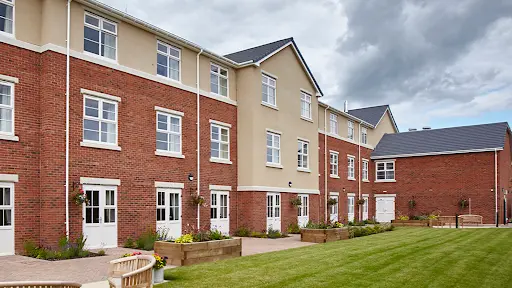
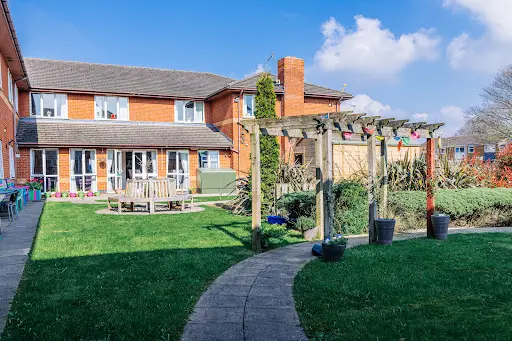
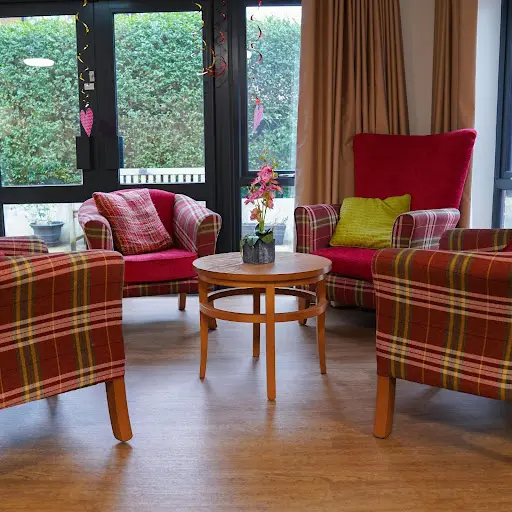
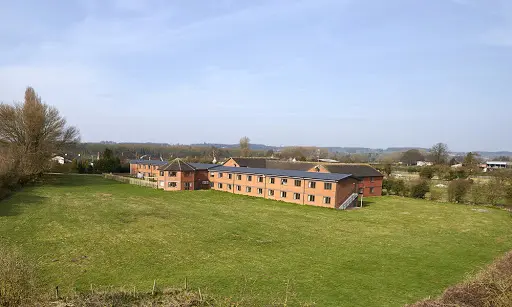
The home stays fresh and clean throughout, with pleasant views from the windows and well-kept grounds that residents enjoy. Meals get proper attention here, with good variety on the menus and food that people actually want to eat. There's space for quieter moments too, alongside the busier activity areas.
“It's the kind of place where small kindnesses add up to make a real difference in daily life.”
DCC does not edit or curate content in this tab. For independently curated information, see The Evidence and DCC Verdict.