Hawkhurst House
At a Glance
The information you need to decide whether this home warrants a closer look.
Nursing homes
Staff warmth score
of reviewers answered yes
Good to know
- Registered beds31
- SpecialismsCaring for adults over 65 yrs, Caring for adults under 65 yrs, Dementia, Physical disabilities, Sensory impairment
- Last inspected2023-06-23
Save Hawkhurst House to your shortlist
Keep a running list, add visit notes, and compare homes side-by-side. Free account — it takes a minute.
STAGE 4 — RESEARCHING CARE HOMES
Visit homes. Compare them side by side. Choose with confidence.
Most of us will view care homes the way we view houses, impression, atmosphere, the feeling in the corridor. We go home, try to remember what we saw, and make a permanent decision from a blurred memory.

The DCC shortlist gives every home you visit a structured record: the same twelve questions, answered the same way, every time. When you’re ready to choose, pull any two homes side by side and compare them directly. Same criteria, same evidence, your notes and your scores.
The Evidence
What the review data, the inspection reports, and the dementia-care evidence base tell us about this home.
What families say
Families describe staff as friendly and approachable, with several people noting how responsive the team is to requests during their loved one's stay. The atmosphere feels welcoming, and relatives appreciate the caring approach they encounter when visiting.
The eight family priority themes
- Staff warmth72
- Compassion & dignity72
- Cleanliness70
- Activities & engagement65
- Food quality65
- Healthcare70
- Management & leadership72
- Resident happiness68
What inspectors found
Inspected 2023-06-23
Is this home safe?
Is the care effective?
The home received a Good rating for effectiveness at the October 2025 inspection. The published report does not include detail about care plan quality, GP access, dementia-specific training, or food. The home is registered as a nursing home, so clinical effectiveness should be underpinned by qualified nursing oversight. Dementia is listed as a specialism, which creates an expectation of specialist knowledge among the staff team. No concerns were identified by inspectors.Is this home caring?
The home was rated Good for caring at its October 2025 inspection. The published report does not include inspector observations about staff warmth, dignity, use of preferred names, or how staff respond to distress. No concerns about care quality were raised. With a mix of residents including people with dementia and sensory impairment, the quality of moment-to-moment interactions is particularly important. The rating indicates inspectors were satisfied, but the published text does not show you what they based that on.Is the home responsive?
Hawkhurst House was rated Good for responsiveness at its October 2025 inspection. The published report does not describe the activities programme, how the home tailors engagement to individual residents, or how it handles complaints and end-of-life planning. With dementia among the listed specialisms, the expectation is that the home can provide meaningful engagement for people who may not be able to participate in group activities. No concerns were flagged by inspectors.Is the home well-led?
The home was rated Good for leadership at its October 2025 inspection. Mrs Gail Patricia Watkins is the registered manager and Mrs Nicola Jane Barnes is the nominated individual. This is the home's first recorded inspection, so there is no leadership history to assess. The Good rating indicates inspectors were satisfied with governance and management culture. No detail is available about how the manager involves staff in decision-making, how the home responds to complaints, or how quality is monitored.
Source: CQC inspection report →
What the evidence base says
The home provides 24-hour nursing care with particular expertise in dementia assessment. They support adults under and over 65 with physical disabilities and sensory impairments, including post-hospital rehabilitation. As a specialist assessment unit, they focus on evaluating and supporting people with dementia alongside complex health conditions. The nursing team works to understand each person's specific needs during their assessment period. All areas worth probing directly during a visit.
The DCC Verdict
Our editorial view, built from the three lenses: what families tell us, what inspectors record, and how the home sits against good dementia-care practice.
DCC Family Score
Hawkhurst House received a Good rating across all five domains at its most recent inspection in October 2025, which is a positive signal. However, the published report contains very limited specific detail, so scores reflect the rating itself rather than rich observational evidence.
Homes in South East typically score 68–82.The three-lens summary
What families tell us
Families describe staff as friendly and approachable, with several people noting how responsive the team is to requests during their loved one's stay. The atmosphere feels welcoming, and relatives appreciate the caring approach they encounter when visiting.
What inspectors have recorded
How it sits against good practice
With its focus on specialist nursing and assessment, Hawkhurst House serves a particular role in supporting people through complex health transitions.
Worth a visit
Hawkhurst House in Cranbrook, Kent, received a Good rating across all five inspection domains at its most recent assessment in October 2025, with the report published in December 2025. This is only the home's first recorded inspection, which means there is no trend history to draw on. The home provides nursing care and lists dementia, physical disabilities, and sensory impairment among its specialisms, with 31 beds for adults of all ages. A named registered manager, Mrs Gail Patricia Watkins, is in post, which is a basic but important governance marker. The limitation here is significant: the published inspection report contains very little specific observational detail, so it is not possible to tell you what inspectors actually saw or heard during their visit. A Good rating is genuinely positive, but it tells you the home met the threshold, not how it feels day-to-day for the people living there. Before visiting, prepare a list of concrete questions: how many permanent staff are on each shift, what dementia training has been completed, how families are kept informed, and what the activity programme actually looks like in practice. A visit at a mealtime will tell you more about warmth and pace of care than any report.
The three questions to ask when you visitSave this home. Compare it against your shortlist.
Let our analysis show you how Hawkhurst House measures up against the other homes you’re considering. Free account.
In Their Own Words
How Hawkhurst House describes itself — collected from its own website. DCC has not edited or independently verified the content in this tab.
Specialist assessment unit offering nursing and dementia support in Cranbrook
Compassionate Care in Cranbrook at Hawkhurst House Proactive Assessment Unit
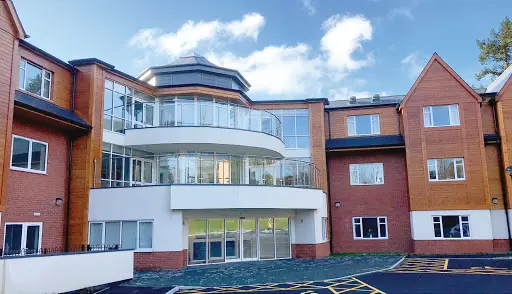
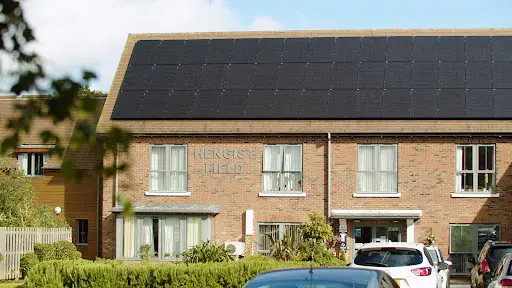
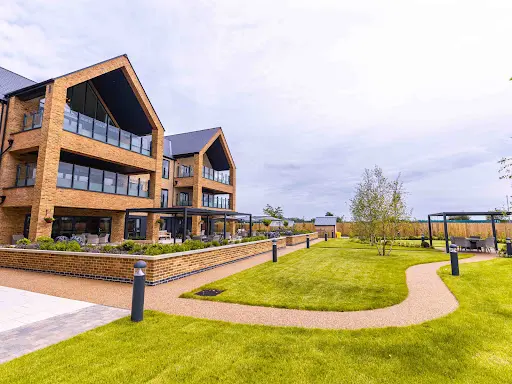
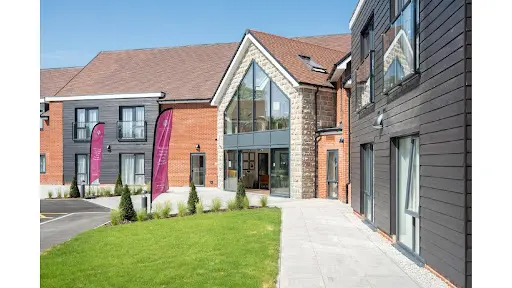
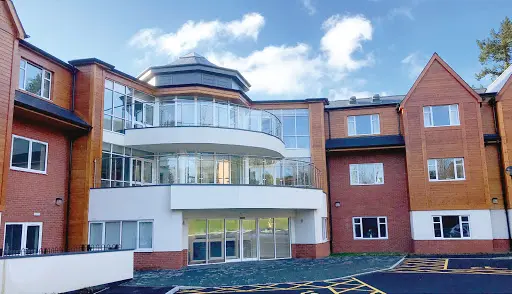
When you're looking for specialist nursing care with dementia assessment expertise, Hawkhurst House Proactive Assessment Unit in Cranbrook provides focused support for complex health needs. The home specialises in both short-term assessment stays and ongoing nursing care, with modern facilities set in accessible grounds. They work with adults of all ages who need nursing-level support, including those with physical disabilities and sensory impairments.
Who they care for
The home provides 24-hour nursing care with particular expertise in dementia assessment. They support adults under and over 65 with physical disabilities and sensory impairments, including post-hospital rehabilitation.
As a specialist assessment unit, they focus on evaluating and supporting people with dementia alongside complex health conditions. The nursing team works to understand each person's specific needs during their assessment period.
“With its focus on specialist nursing and assessment, Hawkhurst House serves a particular role in supporting people through complex health transitions.”
DCC does not edit or curate content in this tab. For independently curated information, see The Evidence and DCC Verdict.
The DCC Verdict
Our editorial view, built from the three lenses: what families tell us, what inspectors record, and how the home sits against good dementia-care practice.
DCC Family Score
Hawkhurst House received a Good rating across all five domains at its most recent inspection in October 2025, which is a positive signal. However, the published report contains very limited specific detail, so scores reflect the rating itself rather than rich observational evidence.
Homes in South East typically score 68–82.The three-lens summary
What families tell us
Families describe staff as friendly and approachable, with several people noting how responsive the team is to requests during their loved one's stay. The atmosphere feels welcoming, and relatives appreciate the caring approach they encounter when visiting.
What inspectors have recorded
How it sits against good practice
With its focus on specialist nursing and assessment, Hawkhurst House serves a particular role in supporting people through complex health transitions.
Worth a visit
Hawkhurst House in Cranbrook, Kent, received a Good rating across all five inspection domains at its most recent assessment in October 2025, with the report published in December 2025. This is only the home's first recorded inspection, which means there is no trend history to draw on. The home provides nursing care and lists dementia, physical disabilities, and sensory impairment among its specialisms, with 31 beds for adults of all ages. A named registered manager, Mrs Gail Patricia Watkins, is in post, which is a basic but important governance marker. The limitation here is significant: the published inspection report contains very little specific observational detail, so it is not possible to tell you what inspectors actually saw or heard during their visit. A Good rating is genuinely positive, but it tells you the home met the threshold, not how it feels day-to-day for the people living there. Before visiting, prepare a list of concrete questions: how many permanent staff are on each shift, what dementia training has been completed, how families are kept informed, and what the activity programme actually looks like in practice. A visit at a mealtime will tell you more about warmth and pace of care than any report.
The three questions to ask when you visitSave this home. Compare it against your shortlist.
Let our analysis show you how Hawkhurst House measures up against the other homes you’re considering. Free account.
In Their Own Words
How Hawkhurst House describes itself — collected from its own website. DCC has not edited or independently verified the content in this tab.
Specialist assessment unit offering nursing and dementia support in Cranbrook
Compassionate Care in Cranbrook at Hawkhurst House Proactive Assessment Unit
When you're looking for specialist nursing care with dementia assessment expertise, Hawkhurst House Proactive Assessment Unit in Cranbrook provides focused support for complex health needs. The home specialises in both short-term assessment stays and ongoing nursing care, with modern facilities set in accessible grounds. They work with adults of all ages who need nursing-level support, including those with physical disabilities and sensory impairments.
Who they care for
The home provides 24-hour nursing care with particular expertise in dementia assessment. They support adults under and over 65 with physical disabilities and sensory impairments, including post-hospital rehabilitation.
As a specialist assessment unit, they focus on evaluating and supporting people with dementia alongside complex health conditions. The nursing team works to understand each person's specific needs during their assessment period.
The home & environment
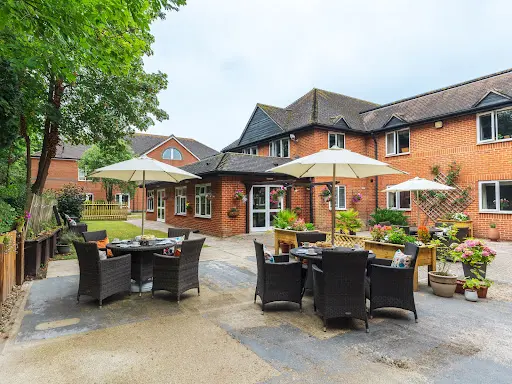
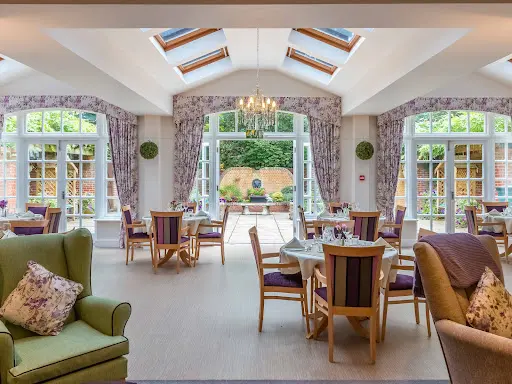
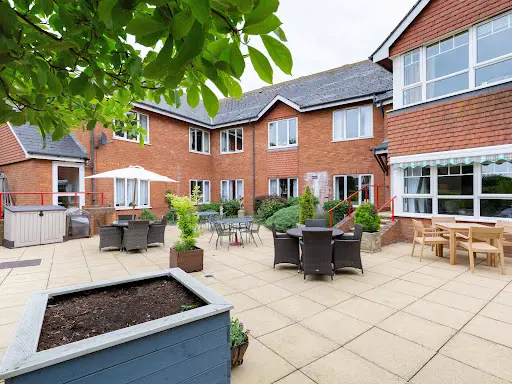
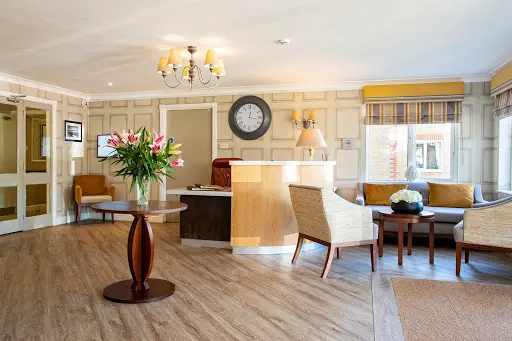
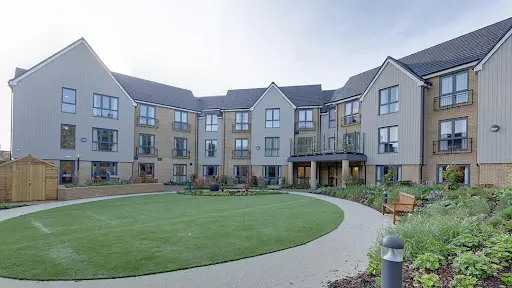
The home offers modern, spacious premises with clean facilities throughout. Residents have access to pleasant outdoor green spaces, which families say are well-maintained and easily accessible for those with mobility needs.
“With its focus on specialist nursing and assessment, Hawkhurst House serves a particular role in supporting people through complex health transitions.”
DCC does not edit or curate content in this tab. For independently curated information, see The Evidence and DCC Verdict.