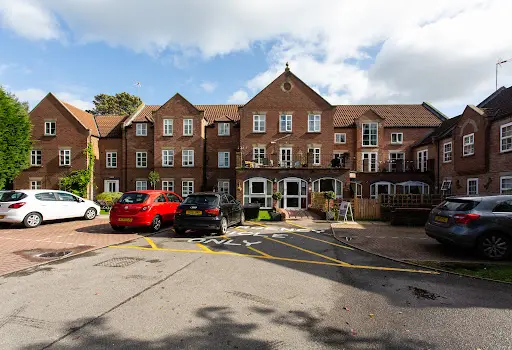
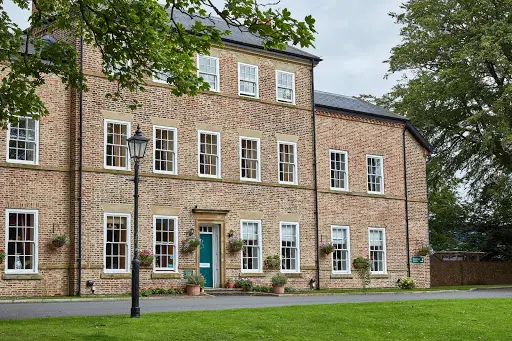
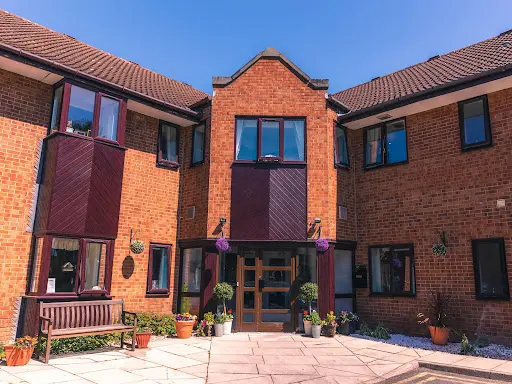
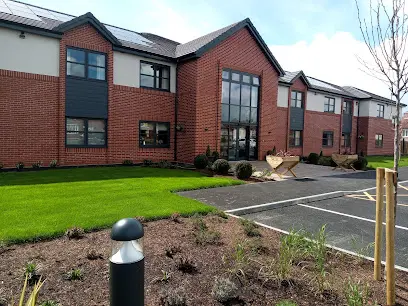
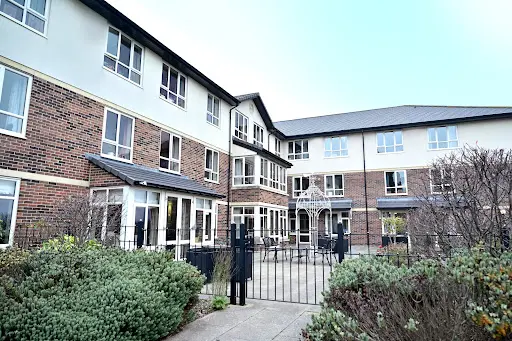
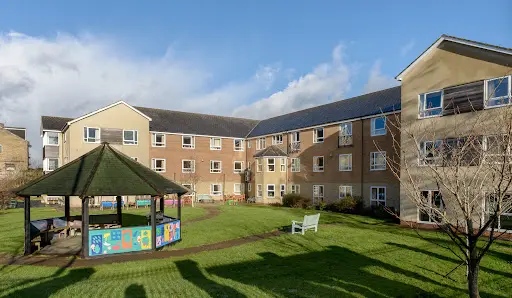
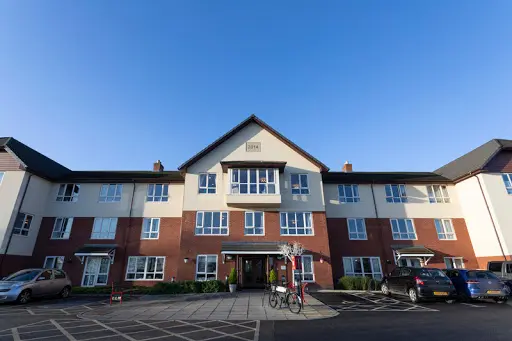
Elm Park Care Home
At a Glance
The information you need to decide whether this home warrants a closer look.
Nursing homes
Staff warmth score
of reviewers answered yes
Good to know
- Registered beds100
- SpecialismsCaring for adults over 65 yrs, Caring for adults under 65 yrs, Dementia, Mental health conditions, Physical disabilities, Sensory impairment
- Last inspected2022-04-27
Save Elm Park Care Home to your shortlist
Keep a running list, add visit notes, and compare homes side-by-side. Free account — it takes a minute.
STAGE 4 — RESEARCHING CARE HOMES
Visit homes. Compare them side by side. Choose with confidence.
Most of us will view care homes the way we view houses, impression, atmosphere, the feeling in the corridor. We go home, try to remember what we saw, and make a permanent decision from a blurred memory.

The DCC shortlist gives every home you visit a structured record: the same twelve questions, answered the same way, every time. When you’re ready to choose, pull any two homes side by side and compare them directly. Same criteria, same evidence, your notes and your scores.
The Evidence
What the review data, the inspection reports, and the dementia-care evidence base tell us about this home.
What families say
Families talk about finding a different standard of care here compared to other homes they've experienced. Staff take time to learn what makes each person tick — from favourite biscuits to preferred activities — and families feel genuinely heard when they raise concerns or share what matters most.
The eight family priority themes
- Staff warmth72
- Compassion & dignity72
- Cleanliness72
- Activities & engagement65
- Food quality65
- Healthcare70
- Management & leadership74
- Resident happiness70
What inspectors found
Inspected 2022-04-27
Is this home safe?
Is the care effective?
The inspection rated this domain Good. The published report does not include specific observations about care plan quality, GP access, dementia training content, medicines administration, or food provision. The home's registration covers dementia, mental health conditions, physical disabilities, and sensory impairments, which requires a broad range of skills from staff. The nursing registration requires that clinical care is delivered to a qualifying standard.Is this home caring?
The inspection rated this domain Good. The published report includes no direct observations of staff interactions, no resident or relative quotes, and no specific descriptions of how dignity and privacy are maintained. For a home of 100 residents with complex and varied conditions, the caring culture is the single most important day-to-day experience your parent will have. The headline rating is positive, but the evidence behind it is not visible in the published findings.Is the home responsive?
The inspection rated this domain Good. The published report does not describe the activity programme, individual engagement provision, how the home responds to changing needs, or how end-of-life care is approached. The home is registered for a wide range of conditions, which means responsiveness to individual need is particularly important. The headline rating is the only evidence available here.Is the home well-led?
The inspection rated this domain Good. A registered manager, Mrs Lindsay Patricia Pargin, is in post, and the provider Bondcare (Darrington) Limited has a named nominated individual, Mr Alan Goldstein. The published report does not describe the management culture, staff feedback mechanisms, governance processes, or how the home responds to complaints. Manager stability is recorded indirectly by the presence of a named registered manager, which is a positive baseline.
Source: CQC inspection report →
What the evidence base says
The home cares for adults of all ages with dementia, mental health conditions, physical disabilities and sensory impairments. This broad expertise means they're equipped to support people with complex or changing needs. Families whose relatives lived with dementia speak about staff managing difficult behaviours calmly and maintaining dignity even as the condition progressed. The secure environment and structured activity programme help residents feel settled and engaged. All areas worth probing directly during a visit.
The DCC Verdict
Our editorial view, built from the three lenses: what families tell us, what inspectors record, and how the home sits against good dementia-care practice.
DCC Family Score
Elm Park Care Home received a Good rating across all five domains at its most recent inspection in April 2024, which is a positive baseline. However, because the published report contains very limited specific detail, most scores sit in the 65-74 range, reflecting a positive but evidentially thin picture that warrants direct questions on your visit.
Homes in Yorkshire & Humberside typically score 68–82.The three-lens summary
What families tell us
Families talk about finding a different standard of care here compared to other homes they've experienced. Staff take time to learn what makes each person tick — from favourite biscuits to preferred activities — and families feel genuinely heard when they raise concerns or share what matters most.
What inspectors have recorded
Communication emerges as a real strength here, with families particularly valuing how approachable and available the management team remains during challenging times. Staff show remarkable sensitivity around end-of-life care, with several families moved by the peaceful, dignified support their relatives received in their final days.
How it sits against good practice
If you're looking for specialist care in Doncaster, particularly for someone with complex needs, Elm Park offers the kind of experienced support that helps families navigate difficult decisions.
Worth a visit
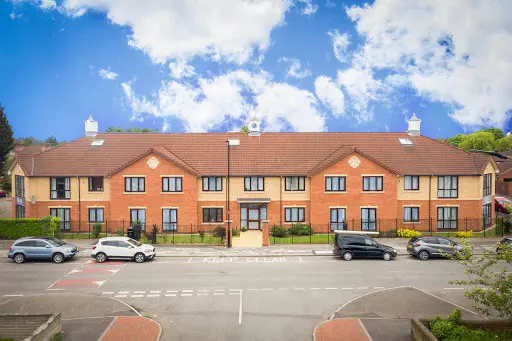
Elm Park Care Home, on Great North Road in Doncaster, was rated Good across all five inspection domains at its most recent assessment in April 2024. The home is a large, 100-bed nursing home registered to care for people living with dementia, mental health conditions, physical disabilities, and sensory impairments, as well as older and younger adults. A registered manager is in post and the provider, Bondcare (Darrington) Limited, has a named nominated individual. A Good rating across all domains is a solid baseline and better than many homes of this size. The main limitation for families is that the published inspection report contains very little specific detail about what inspectors actually observed. There are no recorded quotes from residents or relatives, no descriptions of staff interactions, and no specific findings about food, activities, or staffing ratios. This is the evidence gap you need to fill yourself. On your visit, ask to see last week's actual staffing rota (not the template), count how many permanent versus agency names appear on the night shifts, ask what one-to-one activity provision exists for residents who cannot join group sessions, and watch whether staff move with unhurried confidence or appear stretched. A Good rating tells you the home was meeting the standard; your visit will tell you whether it is the right fit for your parent.
The three questions to ask when you visitSave this home. Compare it against your shortlist.
Let our analysis show you how Elm Park Care Home measures up against the other homes you’re considering. Free account.
In Their Own Words
How Elm Park Care Home describes itself — collected from its own website. DCC has not edited or independently verified the content in this tab.
Where families find real comfort through life's toughest moments
Nursing home in Doncaster: True Peace of Mind
When your loved one needs specialist care, you want somewhere that truly understands dignity and respect. Elm Park Care Home in Doncaster supports people with dementia, mental health conditions, and physical disabilities in what families describe as an exceptionally clean, thoughtfully designed environment. The home particularly stands out for how staff support families through difficult transitions and end-of-life care.
Who they care for
The home cares for adults of all ages with dementia, mental health conditions, physical disabilities and sensory impairments. This broad expertise means they're equipped to support people with complex or changing needs.
Families whose relatives lived with dementia speak about staff managing difficult behaviours calmly and maintaining dignity even as the condition progressed. The secure environment and structured activity programme help residents feel settled and engaged.
“If you're looking for specialist care in Doncaster, particularly for someone with complex needs, Elm Park offers the kind of experienced support that helps families navigate difficult decisions.”
DCC does not edit or curate content in this tab. For independently curated information, see The Evidence and DCC Verdict.
The DCC Verdict
Our editorial view, built from the three lenses: what families tell us, what inspectors record, and how the home sits against good dementia-care practice.
DCC Family Score
Elm Park Care Home received a Good rating across all five domains at its most recent inspection in April 2024, which is a positive baseline. However, because the published report contains very limited specific detail, most scores sit in the 65-74 range, reflecting a positive but evidentially thin picture that warrants direct questions on your visit.
Homes in Yorkshire & Humberside typically score 68–82.The three-lens summary
What families tell us
Families talk about finding a different standard of care here compared to other homes they've experienced. Staff take time to learn what makes each person tick — from favourite biscuits to preferred activities — and families feel genuinely heard when they raise concerns or share what matters most.
What inspectors have recorded
Communication emerges as a real strength here, with families particularly valuing how approachable and available the management team remains during challenging times. Staff show remarkable sensitivity around end-of-life care, with several families moved by the peaceful, dignified support their relatives received in their final days.
How it sits against good practice
If you're looking for specialist care in Doncaster, particularly for someone with complex needs, Elm Park offers the kind of experienced support that helps families navigate difficult decisions.
Worth a visit
Elm Park Care Home, on Great North Road in Doncaster, was rated Good across all five inspection domains at its most recent assessment in April 2024. The home is a large, 100-bed nursing home registered to care for people living with dementia, mental health conditions, physical disabilities, and sensory impairments, as well as older and younger adults. A registered manager is in post and the provider, Bondcare (Darrington) Limited, has a named nominated individual. A Good rating across all domains is a solid baseline and better than many homes of this size. The main limitation for families is that the published inspection report contains very little specific detail about what inspectors actually observed. There are no recorded quotes from residents or relatives, no descriptions of staff interactions, and no specific findings about food, activities, or staffing ratios. This is the evidence gap you need to fill yourself. On your visit, ask to see last week's actual staffing rota (not the template), count how many permanent versus agency names appear on the night shifts, ask what one-to-one activity provision exists for residents who cannot join group sessions, and watch whether staff move with unhurried confidence or appear stretched. A Good rating tells you the home was meeting the standard; your visit will tell you whether it is the right fit for your parent.
The three questions to ask when you visitSave this home. Compare it against your shortlist.
Let our analysis show you how Elm Park Care Home measures up against the other homes you’re considering. Free account.
In Their Own Words
How Elm Park Care Home describes itself — collected from its own website. DCC has not edited or independently verified the content in this tab.
Where families find real comfort through life's toughest moments
Nursing home in Doncaster: True Peace of Mind
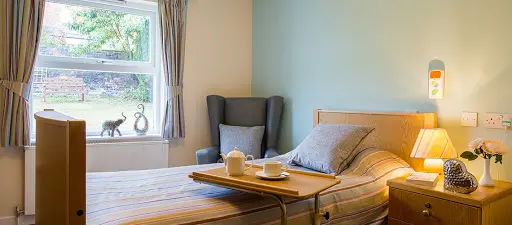
When your loved one needs specialist care, you want somewhere that truly understands dignity and respect. Elm Park Care Home in Doncaster supports people with dementia, mental health conditions, and physical disabilities in what families describe as an exceptionally clean, thoughtfully designed environment. The home particularly stands out for how staff support families through difficult transitions and end-of-life care.
Who they care for
The home cares for adults of all ages with dementia, mental health conditions, physical disabilities and sensory impairments. This broad expertise means they're equipped to support people with complex or changing needs.
Families whose relatives lived with dementia speak about staff managing difficult behaviours calmly and maintaining dignity even as the condition progressed. The secure environment and structured activity programme help residents feel settled and engaged.
Management & ethos
Communication emerges as a real strength here, with families particularly valuing how approachable and available the management team remains during challenging times. Staff show remarkable sensitivity around end-of-life care, with several families moved by the peaceful, dignified support their relatives received in their final days.
The home & environment
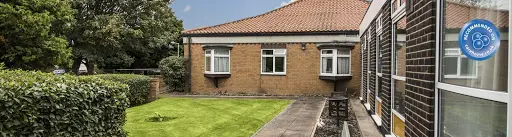
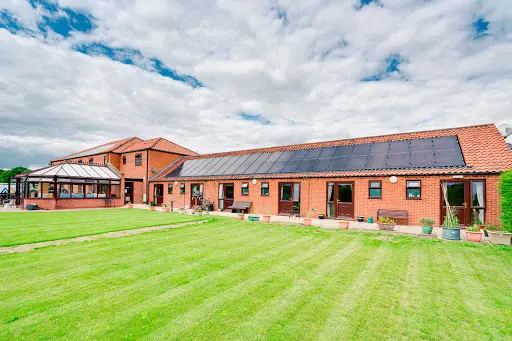
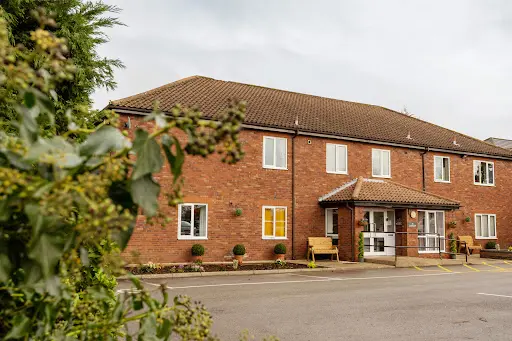
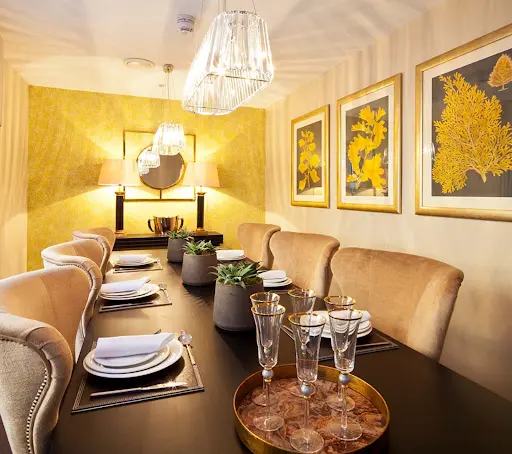
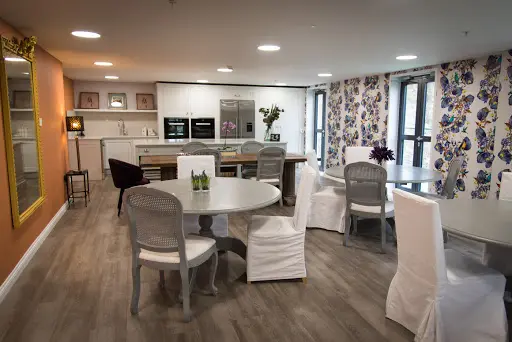
The home includes dedicated spaces like a hair salon, cinema room, coffee shop and bar areas, all kept to what families describe as hotel-standard cleanliness. Secure gardens give residents safe outdoor access, and the kitchen team works hard to accommodate individual dietary preferences and favourite treats.
“If you're looking for specialist care in Doncaster, particularly for someone with complex needs, Elm Park offers the kind of experienced support that helps families navigate difficult decisions.”
DCC does not edit or curate content in this tab. For independently curated information, see The Evidence and DCC Verdict.