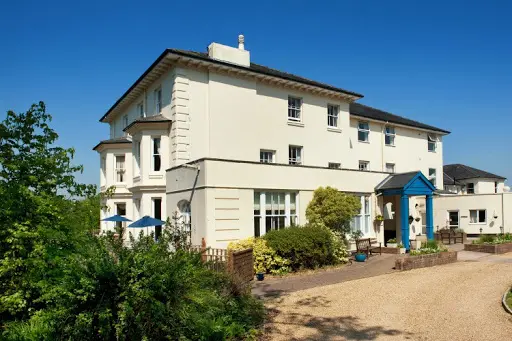
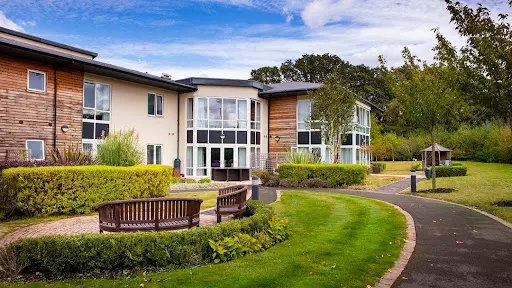
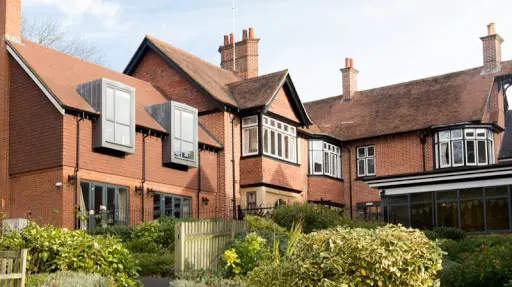
Eastfield Nursing Home
At a Glance
The information you need to decide whether this home warrants a closer look.
Nursing homes
Staff warmth score
of reviewers answered yes
Good to know
- Registered beds52
- SpecialismsCaring for adults over 65 yrs, Dementia, Physical disabilities
- Last inspected2022-12-29
Save Eastfield Nursing Home to your shortlist
Keep a running list, add visit notes, and compare homes side-by-side. Free account — it takes a minute.
STAGE 4 — RESEARCHING CARE HOMES
Visit homes. Compare them side by side. Choose with confidence.
Most of us will view care homes the way we view houses, impression, atmosphere, the feeling in the corridor. We go home, try to remember what we saw, and make a permanent decision from a blurred memory.

The DCC shortlist gives every home you visit a structured record: the same twelve questions, answered the same way, every time. When you’re ready to choose, pull any two homes side by side and compare them directly. Same criteria, same evidence, your notes and your scores.
The Evidence
What the review data, the inspection reports, and the dementia-care evidence base tell us about this home.
What families say
Visitors often find the staff friendly and approachable when they visit. Some families describe seeing their relatives content and engaged in the daily activities provided.
The eight family priority themes
- Staff warmth72
- Compassion & dignity72
- Cleanliness70
- Activities & engagement65
- Food quality65
- Healthcare72
- Management & leadership72
- Resident happiness70
What inspectors found
Inspected 2022-12-29
Is this home safe?
Is the care effective?
The inspection awarded a Good rating for Effectiveness. The published findings do not provide specific detail on care plan quality, GP access frequency, dementia training content, or food and hydration practices. The home's registration covers nursing care and treatment of disease, which suggests clinical governance structures exist, but the inspection text does not describe them in observable detail. Dementia is listed as a specialism, though how this translates into day-to-day practice is not described in the available findings.Is this home caring?
The inspection awarded a Good rating for Caring. The published text available for this report does not include inspector observations of staff interactions, resident or relative quotes about kindness or dignity, or specific examples of how privacy and independence are supported. A Good rating in this domain from an official inspection is a positive signal, but without the underlying evidence it is not possible to describe what caring looks like in practice at Eastfield.Is the home responsive?
The inspection awarded a Good rating for Responsiveness. The published findings do not describe the activity programme, one-to-one engagement practices, how the home supports people who cannot join group activities, or how end-of-life care is planned. Dementia is listed as a specialism, which suggests the home intends to tailor care to individual need, but the inspection text does not confirm how this works in practice for residents at different stages of the condition.Is the home well-led?
The inspection awarded a Good rating for Well-led. Dr Dennis Greenwood is recorded as the registered manager and nominated individual. The home is operated by Eastfield Care Homes Limited. The previous Requires Improvement rating and the subsequent improvement to Good suggest that leadership made meaningful changes, though the published findings do not describe what those changes were, how staff are supported to raise concerns, or how the home monitors and acts on feedback from residents and families.
Source: CQC inspection report →
What the evidence base says
The home cares for adults over 65 with dementia and physical disabilities. They provide structured daily activities as part of their care programme. Families of residents with dementia have reported seeing improvements in their relatives' wellbeing and contentment. The home includes dementia care as one of their specialist services. All areas worth probing directly during a visit.
The DCC Verdict
Our editorial view, built from the three lenses: what families tell us, what inspectors record, and how the home sits against good dementia-care practice.
DCC Family Score
Eastfield Nursing Home scores 74 out of 100, reflecting a Good rating across all five inspection domains and a meaningful improvement from a previous Requires Improvement rating. The score is held back by limited specific detail in the published findings, meaning several important areas cannot be independently verified from the inspection text alone.
Homes in South East typically score 68–82.The three-lens summary
What families tell us
Visitors often find the staff friendly and approachable when they visit. Some families describe seeing their relatives content and engaged in the daily activities provided.
What inspectors have recorded
While some visitors describe staff as devoted and kind, others have witnessed concerning care practices including unsafe moving and handling. Multiple visitors have reported seeing residents being moved without proper equipment, and there have been observations of inappropriate feeding approaches.
How it sits against good practice
Given the mixed experiences reported, families considering Eastfield may wish to visit at different times of day to observe the care being provided.
Worth a visit
Eastfield Nursing Home, on Hillbrow Road in Liss, Hampshire, was rated Good across all five inspection domains at its most recent assessment in April 2024, with the report published in June 2024. This is a significant step forward: the home was previously rated Requires Improvement, and achieving Good across every domain reflects genuine progress. The home is registered for 52 beds and holds a dementia specialism alongside nursing care for older adults and people with physical disabilities. A registered manager, Dr Dennis Greenwood, is recorded as being in post. The published inspection text available for this report is limited, which means many of the specific details families rightly want to know, such as what staff warmth looks like in practice, how activities are tailored for people with advanced dementia, or what night staffing looks like, cannot be independently verified from the findings alone. The Good rating and the upward trend are genuinely encouraging signals, but a visit is essential. On that visit, ask to see last week's actual staffing rota (not the template), observe how staff interact with residents in corridors and communal areas, and ask the manager directly about dementia training content and how families are kept informed of changes in their parent's health.
The three questions to ask when you visitSave this home. Compare it against your shortlist.
Let our analysis show you how Eastfield Nursing Home measures up against the other homes you’re considering. Free account.
In Their Own Words
How Eastfield Nursing Home describes itself — collected from its own website. DCC has not edited or independently verified the content in this tab.
Dementia care with activities in a Liss nursing home
Dedicated nursing home Support in Liss
Eastfield Nursing Home in Liss provides residential care for people over 65, including those living with dementia and physical disabilities. The home offers structured daily activities for residents. Some families have reported positive experiences with their relatives showing improved wellbeing, while others have raised concerns about care practices that visitors should be aware of.
Who they care for
The home cares for adults over 65 with dementia and physical disabilities. They provide structured daily activities as part of their care programme.
Families of residents with dementia have reported seeing improvements in their relatives' wellbeing and contentment. The home includes dementia care as one of their specialist services.
“Given the mixed experiences reported, families considering Eastfield may wish to visit at different times of day to observe the care being provided.”
DCC does not edit or curate content in this tab. For independently curated information, see The Evidence and DCC Verdict.
The DCC Verdict
Our editorial view, built from the three lenses: what families tell us, what inspectors record, and how the home sits against good dementia-care practice.
DCC Family Score
Eastfield Nursing Home scores 74 out of 100, reflecting a Good rating across all five inspection domains and a meaningful improvement from a previous Requires Improvement rating. The score is held back by limited specific detail in the published findings, meaning several important areas cannot be independently verified from the inspection text alone.
Homes in South East typically score 68–82.The three-lens summary
What families tell us
Visitors often find the staff friendly and approachable when they visit. Some families describe seeing their relatives content and engaged in the daily activities provided.
What inspectors have recorded
While some visitors describe staff as devoted and kind, others have witnessed concerning care practices including unsafe moving and handling. Multiple visitors have reported seeing residents being moved without proper equipment, and there have been observations of inappropriate feeding approaches.
How it sits against good practice
Given the mixed experiences reported, families considering Eastfield may wish to visit at different times of day to observe the care being provided.
Worth a visit
Eastfield Nursing Home, on Hillbrow Road in Liss, Hampshire, was rated Good across all five inspection domains at its most recent assessment in April 2024, with the report published in June 2024. This is a significant step forward: the home was previously rated Requires Improvement, and achieving Good across every domain reflects genuine progress. The home is registered for 52 beds and holds a dementia specialism alongside nursing care for older adults and people with physical disabilities. A registered manager, Dr Dennis Greenwood, is recorded as being in post. The published inspection text available for this report is limited, which means many of the specific details families rightly want to know, such as what staff warmth looks like in practice, how activities are tailored for people with advanced dementia, or what night staffing looks like, cannot be independently verified from the findings alone. The Good rating and the upward trend are genuinely encouraging signals, but a visit is essential. On that visit, ask to see last week's actual staffing rota (not the template), observe how staff interact with residents in corridors and communal areas, and ask the manager directly about dementia training content and how families are kept informed of changes in their parent's health.
The three questions to ask when you visitSave this home. Compare it against your shortlist.
Let our analysis show you how Eastfield Nursing Home measures up against the other homes you’re considering. Free account.
In Their Own Words
How Eastfield Nursing Home describes itself — collected from its own website. DCC has not edited or independently verified the content in this tab.
Dementia care with activities in a Liss nursing home
Dedicated nursing home Support in Liss
Eastfield Nursing Home in Liss provides residential care for people over 65, including those living with dementia and physical disabilities. The home offers structured daily activities for residents. Some families have reported positive experiences with their relatives showing improved wellbeing, while others have raised concerns about care practices that visitors should be aware of.
Who they care for
The home cares for adults over 65 with dementia and physical disabilities. They provide structured daily activities as part of their care programme.
Families of residents with dementia have reported seeing improvements in their relatives' wellbeing and contentment. The home includes dementia care as one of their specialist services.
Management & ethos
While some visitors describe staff as devoted and kind, others have witnessed concerning care practices including unsafe moving and handling. Multiple visitors have reported seeing residents being moved without proper equipment, and there have been observations of inappropriate feeding approaches.
“Given the mixed experiences reported, families considering Eastfield may wish to visit at different times of day to observe the care being provided.”
DCC does not edit or curate content in this tab. For independently curated information, see The Evidence and DCC Verdict.