Woodfield Grange Care Home

At a Glance
The information you need to decide whether this home warrants a closer look.
Nursing homes
Staff warmth score
of reviewers answered yes
Good to know
- Registered beds36
- SpecialismsCaring for adults over 65 yrs, Dementia, Physical disabilities, Sensory impairment
- Last inspected2019-04-06
Save Woodfield Grange Care Home to your shortlist
Keep a running list, add visit notes, and compare homes side-by-side. Free account — it takes a minute.
STAGE 4 — RESEARCHING CARE HOMES
Visit homes. Compare them side by side. Choose with confidence.
Most of us will view care homes the way we view houses, impression, atmosphere, the feeling in the corridor. We go home, try to remember what we saw, and make a permanent decision from a blurred memory.

The DCC shortlist gives every home you visit a structured record: the same twelve questions, answered the same way, every time. When you’re ready to choose, pull any two homes side by side and compare them directly. Same criteria, same evidence, your notes and your scores.
The Evidence
What the review data, the inspection reports, and the dementia-care evidence base tell us about this home.
What families say
Families talk about feeling welcome when they visit, with staff greeting them warmly and making time to chat. The atmosphere feels relaxed and friendly, with no restrictions on when people can pop in to see their relatives.
The eight family priority themes
- Staff warmth25
- Compassion & dignity25
- Cleanliness30
- Activities & engagement20
- Food quality25
- Healthcare20
- Management & leadership15
- Resident happiness20
What inspectors found
Inspected 2019-04-06
Is this home safe?
Is the care effective?
Effective was rated Requires Improvement at the October 2025 inspection. This domain covers whether staff have the right training and knowledge, whether care plans accurately reflect what your parent needs, and whether healthcare support such as GP access and medicines management is well organised. A Requires Improvement rating means inspectors found these systems were not consistently working as they should. The published text does not provide the narrative detail of which specific areas fell short.Is this home caring?
Caring was rated Requires Improvement at the October 2025 inspection. This domain covers whether staff treat the people who live at the home with kindness, respect, and genuine regard for their dignity. A Requires Improvement rating means inspectors found that caring practice was not consistently meeting the standard expected. The home lists dementia, physical disabilities, and sensory impairment as specialisms, which makes consistent, person-centred caring practice especially important. The published text does not include the specific observations that led to this rating.Is the home responsive?
Responsive was rated Requires Improvement at the October 2025 inspection. This domain covers whether the home tailors its care to individual needs, whether activities are meaningful and accessible, and whether people's complaints and preferences are acted upon. A Requires Improvement rating means inspectors found these areas were not consistently meeting the required standard. The home accommodates 36 people and lists dementia as a specialism, making individual responsiveness to changing needs especially important. The published text does not specify which aspects of responsiveness fell short.Is the home well-led?
Well-led was rated Inadequate at the October 2025 inspection, the lowest possible rating. This domain assesses whether the management has the systems, culture, and oversight needed to drive continuous improvement and protect the people who live in the home. An Inadequate rating here means inspectors found significant failures in governance, leadership, or both. The nominated individual is Mr Stephen Baker. The published text does not include the specific findings that led to this rating.
Source: CQC inspection report →
What the evidence base says
The team supports residents with dementia, physical disabilities and sensory impairments. They also provide end-of-life care for those who need it. Staff adapt their communication style for residents with dementia, taking time to understand individual preferences without rushing. The activity programme includes everyone, with gentle encouragement for those who might otherwise sit out. All areas worth probing directly during a visit.
The DCC Verdict
Our editorial view, built from the three lenses: what families tell us, what inspectors record, and how the home sits against good dementia-care practice.
DCC Family Score
This home scored 28 out of 100 on the DCC Family Score, reflecting serious concerns across multiple areas identified at the October 2025 inspection. Two domains were rated Inadequate and three Requires Improvement, meaning inspectors found evidence of significant shortfalls that directly affect the safety and quality of life of the people who live here.
Homes in Yorkshire & Humberside typically score 68–82.The three-lens summary
What families tell us
Families talk about feeling welcome when they visit, with staff greeting them warmly and making time to chat. The atmosphere feels relaxed and friendly, with no restrictions on when people can pop in to see their relatives.
What inspectors have recorded
Some families describe quick responses when they raise concerns with the manager, while others have experienced delays in getting updates about complaints. The home has worked with local authorities to strengthen care practices following a safeguarding review.
How it sits against good practice
Getting the right equipment and care routines in place quickly matters, especially during those first crucial weeks.
Worth a visit
Woodfield Care Home Limited, at 1 Woodfield Drive, Halifax, was assessed in October 2025 and the report was published in January 2026. The overall rating is Good based on a previous inspection from 2019, but the October 2025 assessment tells a very different story: Safe was rated Inadequate, Well-led was rated Inadequate, and Effective, Caring, and Responsive were all rated Requires Improvement. This means inspectors found serious and widespread concerns across the home at its most recent visit. The gap between the headline Good rating and the October 2025 domain ratings is the single most important thing to understand before visiting this home. The published report text available at the time of writing does not include the full narrative detail of the October 2025 findings, which limits what can be independently verified here. However, an Inadequate rating for Safe means inspectors believed people living here were not fully protected from avoidable harm, and an Inadequate rating for Well-led means the management systems required to drive improvement were not in place. Before making any decision, request a copy of the full October 2025 inspection report directly, ask the home what specific actions have been taken in response to each domain rating, and ask the nominated individual, Mr Stephen Baker, what timeline the home is working to for improvement.
The three questions to ask when you visitSave this home. Compare it against your shortlist.
Let our analysis show you how Woodfield Grange Care Home measures up against the other homes you’re considering. Free account.
In Their Own Words
How Woodfield Grange Care Home describes itself — collected from its own website. DCC has not edited or independently verified the content in this tab.
Where individual needs shape daily care in Halifax
Nursing home in Halifax: True Peace of Mind
Woodfield Care Home in Halifax works to understand what matters to each resident, from preferred meal times to the way they like to dress. The home supports people with dementia, physical disabilities and sensory impairments, with families describing how staff adapt their approach to suit individual preferences and abilities.
Who they care for
The team supports residents with dementia, physical disabilities and sensory impairments. They also provide end-of-life care for those who need it.
Staff adapt their communication style for residents with dementia, taking time to understand individual preferences without rushing. The activity programme includes everyone, with gentle encouragement for those who might otherwise sit out.
“Getting the right equipment and care routines in place quickly matters, especially during those first crucial weeks.”
DCC does not edit or curate content in this tab. For independently curated information, see The Evidence and DCC Verdict.
The DCC Verdict
Our editorial view, built from the three lenses: what families tell us, what inspectors record, and how the home sits against good dementia-care practice.
DCC Family Score
This home scored 28 out of 100 on the DCC Family Score, reflecting serious concerns across multiple areas identified at the October 2025 inspection. Two domains were rated Inadequate and three Requires Improvement, meaning inspectors found evidence of significant shortfalls that directly affect the safety and quality of life of the people who live here.
Homes in Yorkshire & Humberside typically score 68–82.The three-lens summary
What families tell us
Families talk about feeling welcome when they visit, with staff greeting them warmly and making time to chat. The atmosphere feels relaxed and friendly, with no restrictions on when people can pop in to see their relatives.
What inspectors have recorded
Some families describe quick responses when they raise concerns with the manager, while others have experienced delays in getting updates about complaints. The home has worked with local authorities to strengthen care practices following a safeguarding review.
How it sits against good practice
Getting the right equipment and care routines in place quickly matters, especially during those first crucial weeks.
Worth a visit
Woodfield Care Home Limited, at 1 Woodfield Drive, Halifax, was assessed in October 2025 and the report was published in January 2026. The overall rating is Good based on a previous inspection from 2019, but the October 2025 assessment tells a very different story: Safe was rated Inadequate, Well-led was rated Inadequate, and Effective, Caring, and Responsive were all rated Requires Improvement. This means inspectors found serious and widespread concerns across the home at its most recent visit. The gap between the headline Good rating and the October 2025 domain ratings is the single most important thing to understand before visiting this home. The published report text available at the time of writing does not include the full narrative detail of the October 2025 findings, which limits what can be independently verified here. However, an Inadequate rating for Safe means inspectors believed people living here were not fully protected from avoidable harm, and an Inadequate rating for Well-led means the management systems required to drive improvement were not in place. Before making any decision, request a copy of the full October 2025 inspection report directly, ask the home what specific actions have been taken in response to each domain rating, and ask the nominated individual, Mr Stephen Baker, what timeline the home is working to for improvement.
The three questions to ask when you visitSave this home. Compare it against your shortlist.
Let our analysis show you how Woodfield Grange Care Home measures up against the other homes you’re considering. Free account.
In Their Own Words
How Woodfield Grange Care Home describes itself — collected from its own website. DCC has not edited or independently verified the content in this tab.
Where individual needs shape daily care in Halifax
Nursing home in Halifax: True Peace of Mind
Woodfield Care Home in Halifax works to understand what matters to each resident, from preferred meal times to the way they like to dress. The home supports people with dementia, physical disabilities and sensory impairments, with families describing how staff adapt their approach to suit individual preferences and abilities.
Who they care for
The team supports residents with dementia, physical disabilities and sensory impairments. They also provide end-of-life care for those who need it.
Staff adapt their communication style for residents with dementia, taking time to understand individual preferences without rushing. The activity programme includes everyone, with gentle encouragement for those who might otherwise sit out.
Management & ethos
Some families describe quick responses when they raise concerns with the manager, while others have experienced delays in getting updates about complaints. The home has worked with local authorities to strengthen care practices following a safeguarding review.
The home & environment
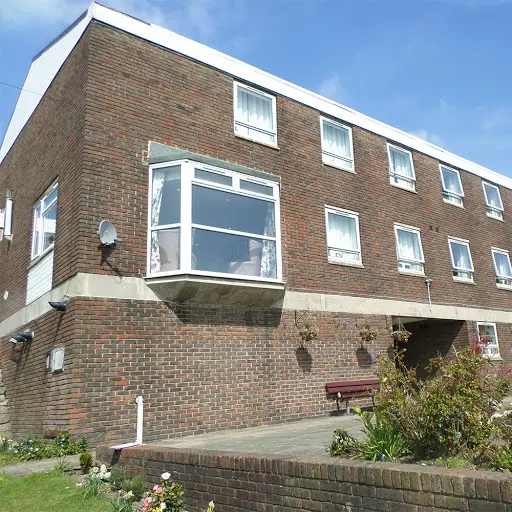
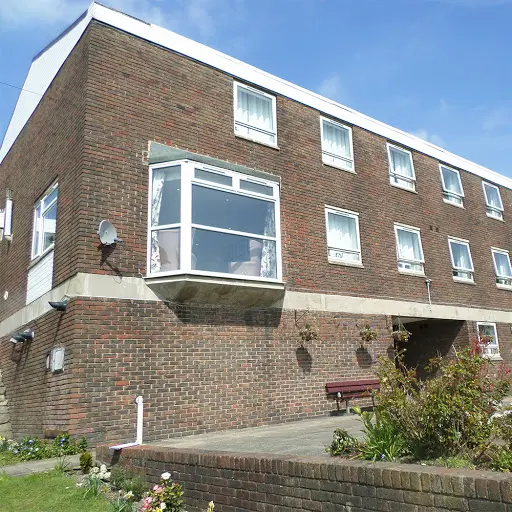
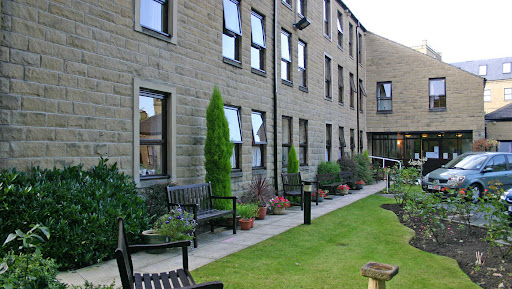
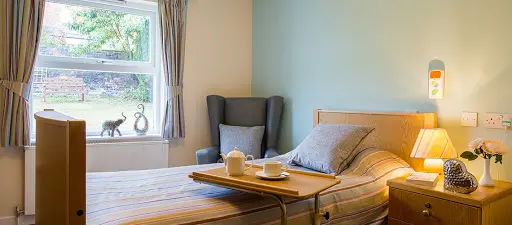
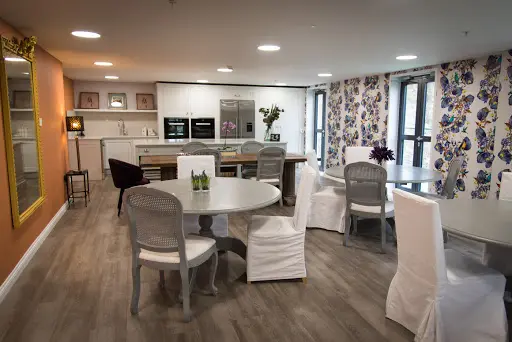
The home keeps things clean and bright, with families noticing the tidy environment throughout. The kitchen team works with speech therapists to create meals that residents with swallowing difficulties can enjoy safely, adjusting textures and choices to help people maintain their weight and appetite.
“Getting the right equipment and care routines in place quickly matters, especially during those first crucial weeks.”
DCC does not edit or curate content in this tab. For independently curated information, see The Evidence and DCC Verdict.