St Josephs Convent Nursing Home

At a Glance
The information you need to decide whether this home warrants a closer look.
Nursing homes
Staff warmth score
of reviewers answered yes
Good to know
- Registered beds49
- SpecialismsCaring for adults over 65 yrs, Caring for adults under 65 yrs, Dementia, Physical disabilities
- Last inspected2019-04-04
Save St Josephs Convent Nursing Home to your shortlist
Keep a running list, add visit notes, and compare homes side-by-side. Free account — it takes a minute.
STAGE 4 — RESEARCHING CARE HOMES
Visit homes. Compare them side by side. Choose with confidence.
Most of us will view care homes the way we view houses, impression, atmosphere, the feeling in the corridor. We go home, try to remember what we saw, and make a permanent decision from a blurred memory.

The DCC shortlist gives every home you visit a structured record: the same twelve questions, answered the same way, every time. When you’re ready to choose, pull any two homes side by side and compare them directly. Same criteria, same evidence, your notes and your scores.
The Evidence
What the review data, the inspection reports, and the dementia-care evidence base tell us about this home.
What families say
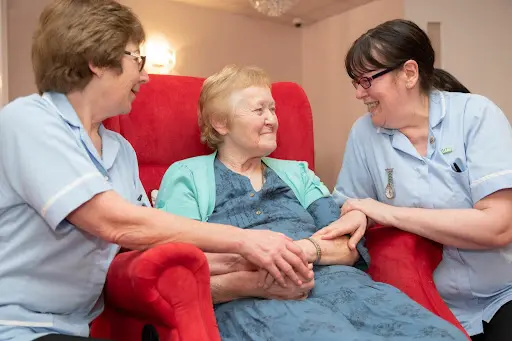
Families talk about feeling properly welcomed here, not just during visiting hours but whenever they need reassurance. There's a sense that staff make time for the conversations that matter — those moments when you just need someone to listen and understand what you're going through.
The eight family priority themes
- Staff warmth52
- Compassion & dignity55
- Cleanliness55
- Activities & engagement35
- Food quality50
- Healthcare55
- Management & leadership60
- Resident happiness52
What inspectors found
Inspected 2019-04-04
Is this home safe?
Is the care effective?
The Effective domain was rated Good at the January 2019 inspection. The published text does not include specific detail about dementia training, care plan quality, GP access arrangements, or food provision. The home lists dementia as a formal specialism, which implies a higher expectation of staff knowledge and environmental design, but the inspection findings available do not confirm or describe what that specialism looks like in practice.Is this home caring?
The Caring domain was rated Good at the January 2019 inspection. The published inspection text does not include direct observations of staff interactions, quotes from residents or relatives about how they feel treated, or specific examples of dignity or privacy being upheld. The rating reflects inspectors' overall assessment but the evidence behind it is not visible in the available report.Is the home responsive?
The Responsive domain was rated Requires Improvement at the January 2019 inspection. This is the only domain that did not reach Good, and it covers whether your parent will have a meaningful and individualised life at the home: activities, engagement, responsiveness to personal preferences, and end-of-life planning. The published report text does not describe specifically what was found to be inadequate, which makes it harder to assess whether the problem has since been addressed. This rating has not been re-inspected since 2019.Is the home well-led?
The Well-led domain was rated Good at the January 2019 inspection. The home is run by St Joseph Care Ltd and has two registered managers named in the inspection record alongside a nominated individual. The management structure is therefore formally defined. The July 2023 monitoring review found no evidence that required a change to the overall rating. Beyond the rating and the named roles, the published text does not describe management visibility, staff culture, or governance processes.
Source: CQC inspection report →
What the evidence base says
St Joseph's provides nursing care for adults over 65, younger adults with care needs, and people living with dementia or physical disabilities. The home's experience across these different areas means they're used to supporting people with varying needs. For people living with dementia, the home provides specialised nursing support. Staff here understand the unique challenges dementia brings, both for the person experiencing it and their family. All areas worth probing directly during a visit.
The DCC Verdict
Our editorial view, built from the three lenses: what families tell us, what inspectors record, and how the home sits against good dementia-care practice.
DCC Family Score
St Joseph's Convent Nursing Home scores 63 out of 100. Most domains were rated Good at the last inspection, which is encouraging, but the Requires Improvement rating for Responsive care, covering activities and individuality, pulls the overall family score down, and the inspection findings are too thin to give specific confidence in day-to-day life for your parent.
Homes in West Midlands typically score 68–82.The three-lens summary
What families tell us
Families talk about feeling properly welcomed here, not just during visiting hours but whenever they need reassurance. There's a sense that staff make time for the conversations that matter — those moments when you just need someone to listen and understand what you're going through.
What inspectors have recorded
The nursing team here seems to understand that good care extends to the whole family. People mention staff being available when needed, without making you feel like you're being difficult for asking questions. During those especially hard times, like when someone's health is declining, families have found the support here makes a real difference.
How it sits against good practice
While every family's experience is different, visiting St Joseph's could help you get a feel for whether it might work for your situation.
Worth a visit
St Joseph's Convent Nursing Home on Lichfield Road in Stafford was rated Good overall at its last inspection in January 2019, an improvement on its previous Requires Improvement rating. Four of the five domains, covering safety, effectiveness, caring, and leadership, were rated Good. The home is a nursing home with 49 beds and caters for people over and under 65, including those living with dementia and physical disabilities. The main concern to explore on a visit is the Requires Improvement rating for the Responsive domain, which covers whether your parent will have a meaningful life at the home: activities, individual engagement, and responsiveness to personal preferences. That rating has not been re-inspected since 2019, which is now over five years ago, so its current accuracy is genuinely uncertain. Before committing, ask to see the current activity schedule, ask specifically what the home offers for someone who cannot join a group, and spend time in a communal area to observe whether staff interact with your parent as an individual.
The three questions to ask when you visitSave this home. Compare it against your shortlist.
Let our analysis show you how St Josephs Convent Nursing Home measures up against the other homes you’re considering. Free account.
In Their Own Words
How St Josephs Convent Nursing Home describes itself — collected from its own website. DCC has not edited or independently verified the content in this tab.
Where families find genuine comfort during life's toughest transitions
Nursing home in Stafford: True Peace of Mind
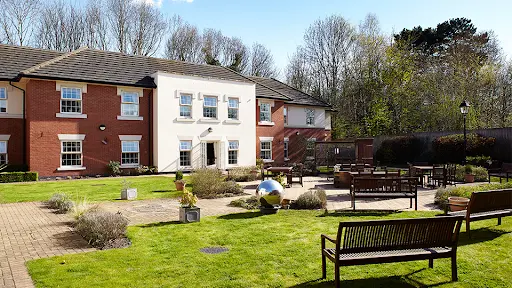
When you're facing decisions about nursing care, you need somewhere that truly understands what matters most. St Joseph's Convent Nursing Home in Stafford offers experienced care for people with dementia, physical disabilities, and those needing support in later life. Set within the peaceful surroundings of this West Midlands location, the home provides both nursing care and a place where families can feel genuinely supported.
Who they care for
St Joseph's provides nursing care for adults over 65, younger adults with care needs, and people living with dementia or physical disabilities. The home's experience across these different areas means they're used to supporting people with varying needs.
For people living with dementia, the home provides specialised nursing support. Staff here understand the unique challenges dementia brings, both for the person experiencing it and their family.
“While every family's experience is different, visiting St Joseph's could help you get a feel for whether it might work for your situation.”
DCC does not edit or curate content in this tab. For independently curated information, see The Evidence and DCC Verdict.
The DCC Verdict
Our editorial view, built from the three lenses: what families tell us, what inspectors record, and how the home sits against good dementia-care practice.
DCC Family Score
St Joseph's Convent Nursing Home scores 63 out of 100. Most domains were rated Good at the last inspection, which is encouraging, but the Requires Improvement rating for Responsive care, covering activities and individuality, pulls the overall family score down, and the inspection findings are too thin to give specific confidence in day-to-day life for your parent.
Homes in West Midlands typically score 68–82.The three-lens summary
What families tell us
Families talk about feeling properly welcomed here, not just during visiting hours but whenever they need reassurance. There's a sense that staff make time for the conversations that matter — those moments when you just need someone to listen and understand what you're going through.
What inspectors have recorded
The nursing team here seems to understand that good care extends to the whole family. People mention staff being available when needed, without making you feel like you're being difficult for asking questions. During those especially hard times, like when someone's health is declining, families have found the support here makes a real difference.
How it sits against good practice
While every family's experience is different, visiting St Joseph's could help you get a feel for whether it might work for your situation.
Worth a visit
St Joseph's Convent Nursing Home on Lichfield Road in Stafford was rated Good overall at its last inspection in January 2019, an improvement on its previous Requires Improvement rating. Four of the five domains, covering safety, effectiveness, caring, and leadership, were rated Good. The home is a nursing home with 49 beds and caters for people over and under 65, including those living with dementia and physical disabilities. The main concern to explore on a visit is the Requires Improvement rating for the Responsive domain, which covers whether your parent will have a meaningful life at the home: activities, individual engagement, and responsiveness to personal preferences. That rating has not been re-inspected since 2019, which is now over five years ago, so its current accuracy is genuinely uncertain. Before committing, ask to see the current activity schedule, ask specifically what the home offers for someone who cannot join a group, and spend time in a communal area to observe whether staff interact with your parent as an individual.
The three questions to ask when you visitSave this home. Compare it against your shortlist.
Let our analysis show you how St Josephs Convent Nursing Home measures up against the other homes you’re considering. Free account.
In Their Own Words
How St Josephs Convent Nursing Home describes itself — collected from its own website. DCC has not edited or independently verified the content in this tab.
Where families find genuine comfort during life's toughest transitions
Nursing home in Stafford: True Peace of Mind
When you're facing decisions about nursing care, you need somewhere that truly understands what matters most. St Joseph's Convent Nursing Home in Stafford offers experienced care for people with dementia, physical disabilities, and those needing support in later life. Set within the peaceful surroundings of this West Midlands location, the home provides both nursing care and a place where families can feel genuinely supported.
Who they care for
St Joseph's provides nursing care for adults over 65, younger adults with care needs, and people living with dementia or physical disabilities. The home's experience across these different areas means they're used to supporting people with varying needs.
For people living with dementia, the home provides specialised nursing support. Staff here understand the unique challenges dementia brings, both for the person experiencing it and their family.
Management & ethos
The nursing team here seems to understand that good care extends to the whole family. People mention staff being available when needed, without making you feel like you're being difficult for asking questions. During those especially hard times, like when someone's health is declining, families have found the support here makes a real difference.
“While every family's experience is different, visiting St Joseph's could help you get a feel for whether it might work for your situation.”
DCC does not edit or curate content in this tab. For independently curated information, see The Evidence and DCC Verdict.