East Hill House Residential Care Home
At a Glance
The information you need to decide whether this home warrants a closer look.
Residential homes
Staff warmth score
of reviewers answered yes
Good to know
- Registered beds34
- SpecialismsCaring for adults over 65 yrs, Caring for adults under 65 yrs, Dementia
- Last inspected2019-08-24
Save East Hill House Residential Care Home to your shortlist
Keep a running list, add visit notes, and compare homes side-by-side. Free account — it takes a minute.
STAGE 4 — RESEARCHING CARE HOMES
Visit homes. Compare them side by side. Choose with confidence.
Most of us will view care homes the way we view houses, impression, atmosphere, the feeling in the corridor. We go home, try to remember what we saw, and make a permanent decision from a blurred memory.

The DCC shortlist gives every home you visit a structured record: the same twelve questions, answered the same way, every time. When you’re ready to choose, pull any two homes side by side and compare them directly. Same criteria, same evidence, your notes and your scores.
The Evidence
What the review data, the inspection reports, and the dementia-care evidence base tell us about this home.
What families say
Visitors often comment on how relaxed and happy residents appear here. People notice the warmth of interactions between staff and residents, and how naturally conversations flow during activities and mealtimes.
The eight family priority themes
- Staff warmth72
- Compassion & dignity72
- Cleanliness70
- Activities & engagement88
- Food quality65
- Healthcare68
- Management & leadership72
- Resident happiness75
What inspectors found
Inspected 2019-08-24
Is this home safe?
Is the care effective?
The Effective domain was rated Good at the April 2019 inspection. This covers staff training, care planning, healthcare access, and how well the home meets individual needs. East Hill House lists dementia as a specialism, meaning inspectors will have considered dementia-specific training as part of the assessment. No detail on GP access, medication management, or care plan review frequency is included in the published summary. Food quality, which falls partly under this domain, is also not described.Is this home caring?
The Caring domain was rated Good at the April 2019 inspection. This domain covers staff warmth, dignity, respect, and whether people are treated as individuals rather than tasks. A Good rating means inspectors observed no concerns and were satisfied that the culture of care met the standard. No specific staff interactions, resident quotes, or dignity observations are included in the published summary available to us. The inspection was carried out in 2019, so the current staff team may have changed significantly.Is the home responsive?
Responsiveness was rated Outstanding at the April 2019 inspection, making it the strongest domain in the home. An Outstanding rating in this area requires inspectors to find specific, evidence-based examples of person-centred activity, individual engagement, and tailored responses to resident needs that go well beyond standard expectations. This is the area covering activities, whether your parent's daily life has meaning and variety, and how the home responds when individual needs change. The published summary does not reproduce the specific examples that earned this rating, but an Outstanding here is uncommon and meaningful.Is the home well-led?
The Well-led domain was rated Good at the April 2019 inspection. This covers management visibility, staff culture, governance, and whether the home learns from incidents and complaints. A named registered manager, Mrs Emilie Jayne Huffer, and a nominated individual, Ms Rachel Harvey, were recorded at the time of inspection. No specific detail on management tenure, staff feedback mechanisms, or quality audit processes is included in the published summary. The home is operated by Aria Healthcare Group, a larger provider.
Source: CQC inspection report →
What the evidence base says
East Hill House provides residential care for adults over 65, as well as younger adults who need support. The home also cares for people living with dementia. For residents with dementia, the home's focus on regular activities and social connection helps maintain engagement. The calm atmosphere and consistent routines seem to work well for those who need that extra reassurance. All areas worth probing directly during a visit.
The DCC Verdict
Our editorial view, built from the three lenses: what families tell us, what inspectors record, and how the home sits against good dementia-care practice.
DCC Family Score
East Hill House scores well overall, lifted significantly by its Outstanding rating for responsiveness, which reflects strong evidence that activities and individual engagement were taken seriously. Most other areas are rated Good but the published inspection text available to us is limited, so several scores reflect the rating rather than specific observed detail.
Homes in South East typically score 68–82.The three-lens summary
What families tell us
Visitors often comment on how relaxed and happy residents appear here. People notice the warmth of interactions between staff and residents, and how naturally conversations flow during activities and mealtimes.
What inspectors have recorded
Staff here appear genuinely invested in residents' daily happiness. Families mention feeling welcomed whenever they visit, and appreciate being kept in the loop through social media updates about activities and events.
How it sits against good practice
It's the kind of place where a childminder brings little ones to visit, and everyone ends up having a lovely time together.
Worth a visit
East Hill House Residential Care Home in Liss, Hampshire was rated Good overall at its last inspection in April 2019, with an Outstanding rating for Responsiveness, the domain that covers activities, individual engagement, and whether your parent will have a meaningful daily life. Safe, Effective, Caring, and Well-led were all rated Good. The home cares for up to 34 people, including those living with dementia, and is run by Aria Healthcare Group. A named registered manager and nominated individual were in post at the time of inspection. The main limitation to be aware of is that this inspection took place in April 2019, which means the findings are now over five years old. A lot can change in a home over that time, including management, staffing, and ownership. The rating has been reviewed by regulators in July 2023 and not changed, but a review is not the same as a full re-inspection. When you visit, ask the current manager how long they have been in post, request to see recent quality monitoring reports, and look carefully at how staff interact with residents in unscripted moments such as in corridors and at mealtimes.
The three questions to ask when you visitSave this home. Compare it against your shortlist.
Let our analysis show you how East Hill House Residential Care Home measures up against the other homes you’re considering. Free account.
In Their Own Words
How East Hill House Residential Care Home describes itself — collected from its own website. DCC has not edited or independently verified the content in this tab.
Where residents chat, laugh and join in with life
East Hill House Residential Care Home – Expert Care in Liss
Walking into East Hill House in Liss, you'll often find residents gathered together, deep in conversation or enjoying one of the regular activities. This residential care home has built a reputation for keeping life interesting, whether through themed celebrations, garden parties, or visits from local children. Families describe a welcoming atmosphere where their loved ones seem genuinely content.
Who they care for
East Hill House provides residential care for adults over 65, as well as younger adults who need support. The home also cares for people living with dementia.
For residents with dementia, the home's focus on regular activities and social connection helps maintain engagement. The calm atmosphere and consistent routines seem to work well for those who need that extra reassurance.
“It's the kind of place where a childminder brings little ones to visit, and everyone ends up having a lovely time together.”
DCC does not edit or curate content in this tab. For independently curated information, see The Evidence and DCC Verdict.
The DCC Verdict
Our editorial view, built from the three lenses: what families tell us, what inspectors record, and how the home sits against good dementia-care practice.
DCC Family Score
East Hill House scores well overall, lifted significantly by its Outstanding rating for responsiveness, which reflects strong evidence that activities and individual engagement were taken seriously. Most other areas are rated Good but the published inspection text available to us is limited, so several scores reflect the rating rather than specific observed detail.
Homes in South East typically score 68–82.The three-lens summary
What families tell us
Visitors often comment on how relaxed and happy residents appear here. People notice the warmth of interactions between staff and residents, and how naturally conversations flow during activities and mealtimes.
What inspectors have recorded
Staff here appear genuinely invested in residents' daily happiness. Families mention feeling welcomed whenever they visit, and appreciate being kept in the loop through social media updates about activities and events.
How it sits against good practice
It's the kind of place where a childminder brings little ones to visit, and everyone ends up having a lovely time together.
Worth a visit
East Hill House Residential Care Home in Liss, Hampshire was rated Good overall at its last inspection in April 2019, with an Outstanding rating for Responsiveness, the domain that covers activities, individual engagement, and whether your parent will have a meaningful daily life. Safe, Effective, Caring, and Well-led were all rated Good. The home cares for up to 34 people, including those living with dementia, and is run by Aria Healthcare Group. A named registered manager and nominated individual were in post at the time of inspection. The main limitation to be aware of is that this inspection took place in April 2019, which means the findings are now over five years old. A lot can change in a home over that time, including management, staffing, and ownership. The rating has been reviewed by regulators in July 2023 and not changed, but a review is not the same as a full re-inspection. When you visit, ask the current manager how long they have been in post, request to see recent quality monitoring reports, and look carefully at how staff interact with residents in unscripted moments such as in corridors and at mealtimes.
The three questions to ask when you visitSave this home. Compare it against your shortlist.
Let our analysis show you how East Hill House Residential Care Home measures up against the other homes you’re considering. Free account.
In Their Own Words
How East Hill House Residential Care Home describes itself — collected from its own website. DCC has not edited or independently verified the content in this tab.
Where residents chat, laugh and join in with life
East Hill House Residential Care Home – Expert Care in Liss
Walking into East Hill House in Liss, you'll often find residents gathered together, deep in conversation or enjoying one of the regular activities. This residential care home has built a reputation for keeping life interesting, whether through themed celebrations, garden parties, or visits from local children. Families describe a welcoming atmosphere where their loved ones seem genuinely content.
Who they care for
East Hill House provides residential care for adults over 65, as well as younger adults who need support. The home also cares for people living with dementia.
For residents with dementia, the home's focus on regular activities and social connection helps maintain engagement. The calm atmosphere and consistent routines seem to work well for those who need that extra reassurance.
Management & ethos
Staff here appear genuinely invested in residents' daily happiness. Families mention feeling welcomed whenever they visit, and appreciate being kept in the loop through social media updates about activities and events.
The home & environment
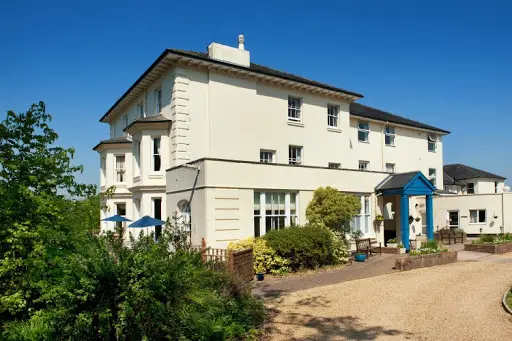
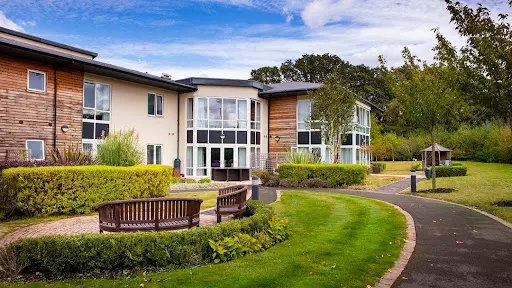
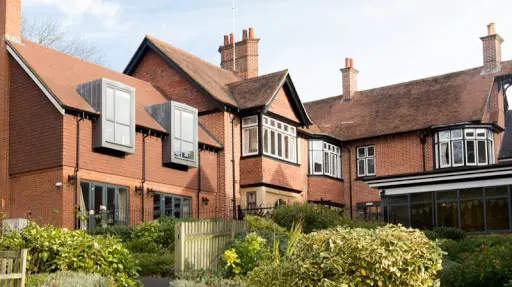
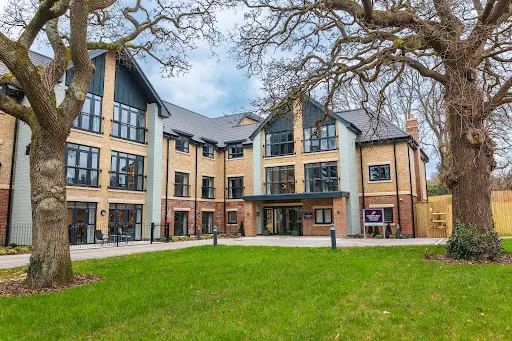
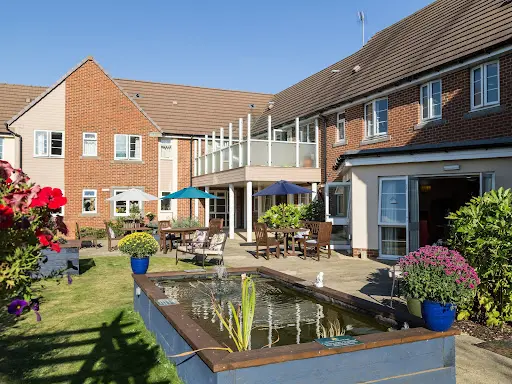
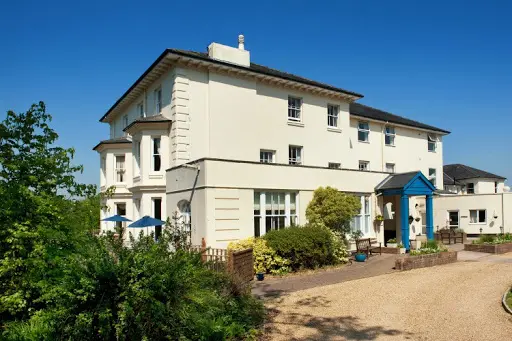
The house itself gets plenty of compliments from families, who describe lovely rooms and beautiful gardens. The outdoor spaces seem particularly popular during the regular garden parties and seasonal celebrations that bring everyone together.
“It's the kind of place where a childminder brings little ones to visit, and everyone ends up having a lovely time together.”
DCC does not edit or curate content in this tab. For independently curated information, see The Evidence and DCC Verdict.