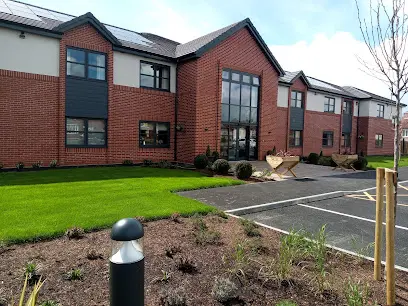
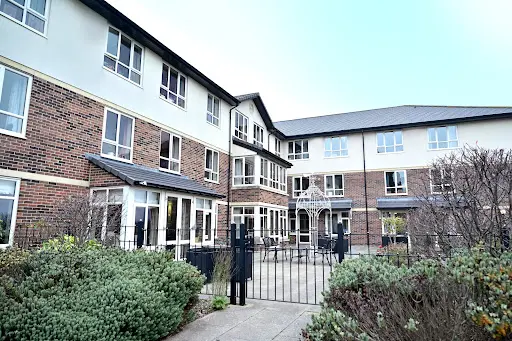
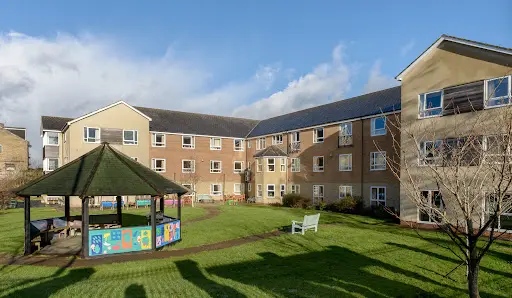
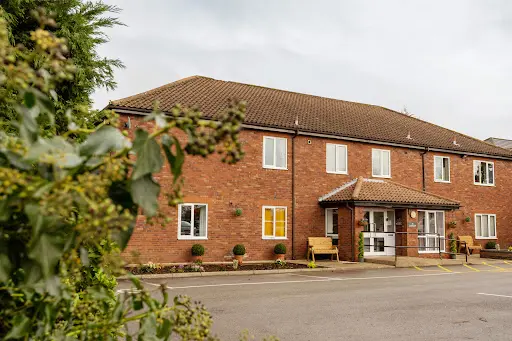
Dunniwood Lodge Care Home
At a Glance
The information you need to decide whether this home warrants a closer look.
Residential homes
Staff warmth score
of reviewers answered yes
Good to know
- Registered beds41
- SpecialismsCaring for adults over 65 yrs, Caring for adults under 65 yrs, Dementia, Physical disabilities
- Last inspected2021-06-04
Save Dunniwood Lodge Care Home to your shortlist
Keep a running list, add visit notes, and compare homes side-by-side. Free account — it takes a minute.
STAGE 4 — RESEARCHING CARE HOMES
Visit homes. Compare them side by side. Choose with confidence.
Most of us will view care homes the way we view houses, impression, atmosphere, the feeling in the corridor. We go home, try to remember what we saw, and make a permanent decision from a blurred memory.

The DCC shortlist gives every home you visit a structured record: the same twelve questions, answered the same way, every time. When you’re ready to choose, pull any two homes side by side and compare them directly. Same criteria, same evidence, your notes and your scores.
The Evidence
What the review data, the inspection reports, and the dementia-care evidence base tell us about this home.
What families say
People describe the staff here as genuinely caring and cheerful, with a professional approach that puts families at ease. There's a real sense that residents are seen as individuals, treated with the respect they deserve throughout their daily routines.
The eight family priority themes
- Staff warmth72
- Compassion & dignity72
- Cleanliness70
- Activities & engagement65
- Food quality65
- Healthcare68
- Management & leadership75
- Resident happiness70
What inspectors found
Inspected 2021-06-04
Is this home safe?
Is the care effective?
The Effective domain was rated Good at the May 2025 inspection. This domain covers training, care planning, healthcare access, and nutrition. The home lists dementia as a specialism, which means inspectors would have looked at whether staff have relevant dementia-specific training and whether care plans reflect individual needs. No specific detail about training content, GP access arrangements, food quality, or care plan review frequency is reproduced in the published text.Is this home caring?
The Caring domain was rated Good at the May 2025 inspection. This domain is the one families care most about, covering staff warmth, dignity, respect, and whether your parent is treated as an individual. Inspectors would have observed staff interactions, checked whether residents were addressed by preferred names, and looked for signs of unhurried, respectful care. No direct observations or resident and relative quotes are reproduced in the available published text.Is the home responsive?
The Responsive domain was rated Good at the May 2025 inspection. This domain covers whether the home responds to each person as an individual, including activities, end-of-life care, and how the home handles complaints. The home supports people living with dementia as well as those with physical disabilities, which means the activities programme needs to work for a wide range of abilities. No specific detail about activities provision, individual engagement, or complaint-handling examples is reproduced in the published text.Is the home well-led?
The Well-led domain was rated Good at the May 2025 inspection. A registered manager, Miss Gemma Lucy Lindley, and a nominated individual, Miss Joanne McHugh, are both confirmed in post. The improvement from a previous Requires Improvement rating to Good across all five domains is the strongest available signal of effective leadership, because it requires inspectors to verify that identified problems have been addressed systematically rather than superficially. No specific detail about manager visibility, staff culture, governance processes, or how the home handles complaints is reproduced in the published text.
Source: CQC inspection report →
What the evidence base says
The home cares for adults both under and over 65, including those living with dementia and physical disabilities. Staff here understand the importance of creating a calm but engaging environment for people living with dementia. The balance between peaceful spaces and lively communal activities helps residents feel comfortable while staying connected. All areas worth probing directly during a visit.
The DCC Verdict
Our editorial view, built from the three lenses: what families tell us, what inspectors record, and how the home sits against good dementia-care practice.
DCC Family Score
Dunniwood Lodge scores 74 out of 100, reflecting a genuine and encouraging turnaround from a previous Requires Improvement rating to Good across all five domains. The score is held back from the higher bands because the published inspection report contains limited specific observations, direct quotes, and named examples that would give families the granular reassurance they need.
Homes in Yorkshire & Humberside typically score 68–82.The three-lens summary
What families tell us
People describe the staff here as genuinely caring and cheerful, with a professional approach that puts families at ease. There's a real sense that residents are seen as individuals, treated with the respect they deserve throughout their daily routines.
What inspectors have recorded
While the care team receives consistent praise for their warmth and professionalism, one family did experience frustration when a personal item wasn't kept safe despite clear arrangements being made. This suggests the home might benefit from tighter systems for managing residents' belongings.
How it sits against good practice
If you're considering Dunniwood Lodge, it's worth asking about their procedures for keeping personal belongings safe alongside your other questions.
Worth a visit
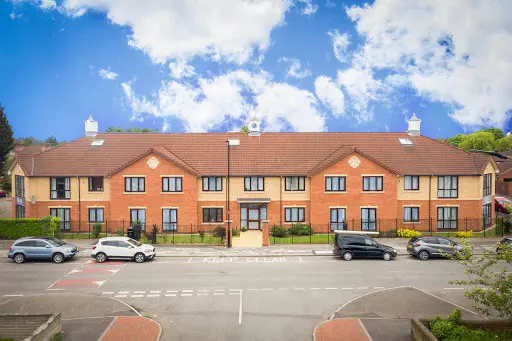
Dunniwood Lodge, on Bawtry Road in Doncaster, was assessed in May 2025 and rated Good across all five inspection domains, with the report published in August 2025. This is a meaningful improvement: the home was previously rated Requires Improvement, so inspectors found clear evidence that the management team identified what was wrong and fixed it. The home supports up to 41 people, including those living with dementia and physical disabilities, across both residential and under-65 care. A registered manager and nominated individual are both confirmed in post, which is a positive structural sign. The main limitation of this report for families is that the published text is a summary only, and very few specific observations, direct quotes from residents or relatives, or named examples are reproduced. Every domain scored Good, but this analysis cannot tell you exactly what inspectors saw that satisfied them in areas like food, activities, night staffing, or dementia-specific care. Before deciding, visit the home and ask the manager two or three direct questions from the checklist above, particularly about night staffing numbers, how often agency staff cover shifts on the dementia unit, and how families are kept informed on a day-to-day basis.
The three questions to ask when you visitSave this home. Compare it against your shortlist.
Let our analysis show you how Dunniwood Lodge Care Home measures up against the other homes you’re considering. Free account.
In Their Own Words
How Dunniwood Lodge Care Home describes itself — collected from its own website. DCC has not edited or independently verified the content in this tab.
Where kindness meets careful attention to individual needs
Compassionate Care in Doncaster at Dunniwood Lodge
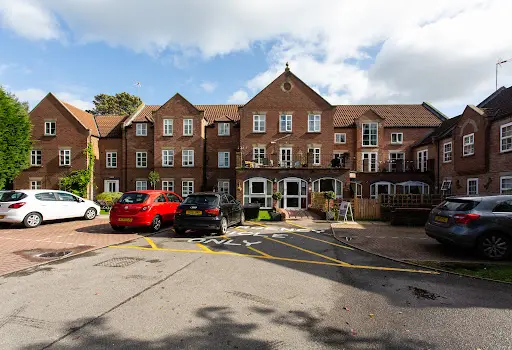
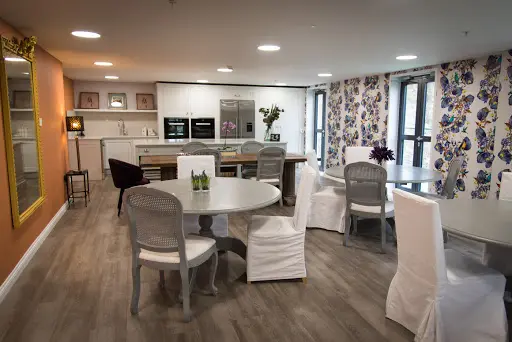
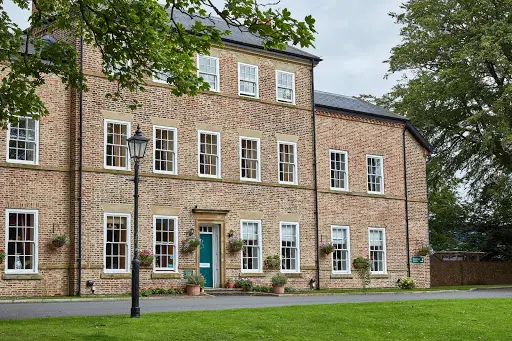
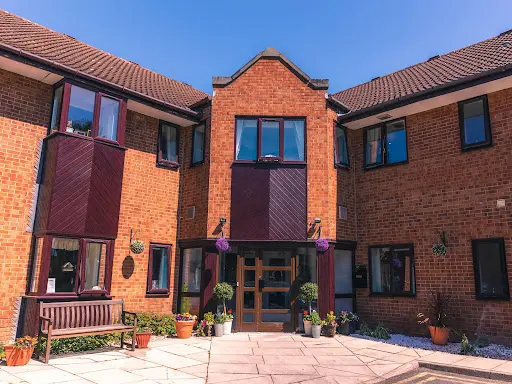
Families visiting Dunniwood Lodge in Doncaster often mention the warm welcome they receive from staff who take time to introduce themselves properly. This care home supports people living with dementia and physical disabilities, creating an environment that feels both peaceful and full of life. The communal areas have a special atmosphere that helps residents feel settled.
Who they care for
The home cares for adults both under and over 65, including those living with dementia and physical disabilities.
Staff here understand the importance of creating a calm but engaging environment for people living with dementia. The balance between peaceful spaces and lively communal activities helps residents feel comfortable while staying connected.
“If you're considering Dunniwood Lodge, it's worth asking about their procedures for keeping personal belongings safe alongside your other questions.”
DCC does not edit or curate content in this tab. For independently curated information, see The Evidence and DCC Verdict.
The DCC Verdict
Our editorial view, built from the three lenses: what families tell us, what inspectors record, and how the home sits against good dementia-care practice.
DCC Family Score
Dunniwood Lodge scores 74 out of 100, reflecting a genuine and encouraging turnaround from a previous Requires Improvement rating to Good across all five domains. The score is held back from the higher bands because the published inspection report contains limited specific observations, direct quotes, and named examples that would give families the granular reassurance they need.
Homes in Yorkshire & Humberside typically score 68–82.The three-lens summary
What families tell us
People describe the staff here as genuinely caring and cheerful, with a professional approach that puts families at ease. There's a real sense that residents are seen as individuals, treated with the respect they deserve throughout their daily routines.
What inspectors have recorded
While the care team receives consistent praise for their warmth and professionalism, one family did experience frustration when a personal item wasn't kept safe despite clear arrangements being made. This suggests the home might benefit from tighter systems for managing residents' belongings.
How it sits against good practice
If you're considering Dunniwood Lodge, it's worth asking about their procedures for keeping personal belongings safe alongside your other questions.
Worth a visit
Dunniwood Lodge, on Bawtry Road in Doncaster, was assessed in May 2025 and rated Good across all five inspection domains, with the report published in August 2025. This is a meaningful improvement: the home was previously rated Requires Improvement, so inspectors found clear evidence that the management team identified what was wrong and fixed it. The home supports up to 41 people, including those living with dementia and physical disabilities, across both residential and under-65 care. A registered manager and nominated individual are both confirmed in post, which is a positive structural sign. The main limitation of this report for families is that the published text is a summary only, and very few specific observations, direct quotes from residents or relatives, or named examples are reproduced. Every domain scored Good, but this analysis cannot tell you exactly what inspectors saw that satisfied them in areas like food, activities, night staffing, or dementia-specific care. Before deciding, visit the home and ask the manager two or three direct questions from the checklist above, particularly about night staffing numbers, how often agency staff cover shifts on the dementia unit, and how families are kept informed on a day-to-day basis.
The three questions to ask when you visitSave this home. Compare it against your shortlist.
Let our analysis show you how Dunniwood Lodge Care Home measures up against the other homes you’re considering. Free account.
In Their Own Words
How Dunniwood Lodge Care Home describes itself — collected from its own website. DCC has not edited or independently verified the content in this tab.
Where kindness meets careful attention to individual needs
Compassionate Care in Doncaster at Dunniwood Lodge
Families visiting Dunniwood Lodge in Doncaster often mention the warm welcome they receive from staff who take time to introduce themselves properly. This care home supports people living with dementia and physical disabilities, creating an environment that feels both peaceful and full of life. The communal areas have a special atmosphere that helps residents feel settled.
Who they care for
The home cares for adults both under and over 65, including those living with dementia and physical disabilities.
Staff here understand the importance of creating a calm but engaging environment for people living with dementia. The balance between peaceful spaces and lively communal activities helps residents feel comfortable while staying connected.
Management & ethos
While the care team receives consistent praise for their warmth and professionalism, one family did experience frustration when a personal item wasn't kept safe despite clear arrangements being made. This suggests the home might benefit from tighter systems for managing residents' belongings.
The home & environment
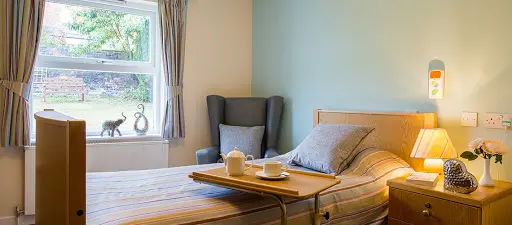
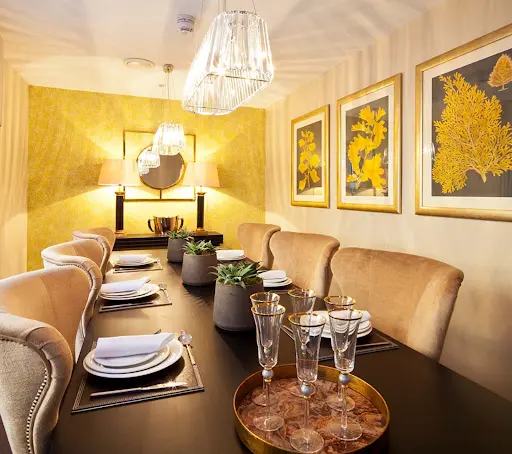
The home maintains high cleanliness standards throughout, with bright, airy spaces that feel fresh and well-kept. Mealtimes offer good variety with properly presented food, and there are opportunities for residents to enjoy activities like singing together.
“If you're considering Dunniwood Lodge, it's worth asking about their procedures for keeping personal belongings safe alongside your other questions.”
DCC does not edit or curate content in this tab. For independently curated information, see The Evidence and DCC Verdict.