The Hollies
At a Glance
The information you need to decide whether this home warrants a closer look.
Residential homes
Staff warmth score
of reviewers answered yes
Good to know
- Registered beds31
- SpecialismsCaring for adults over 65 yrs, Dementia, Physical disabilities, Sensory impairment
- Last inspected2020-03-21
Save The Hollies to your shortlist
Keep a running list, add visit notes, and compare homes side-by-side. Free account — it takes a minute.
STAGE 4 — RESEARCHING CARE HOMES
Visit homes. Compare them side by side. Choose with confidence.
Most of us will view care homes the way we view houses, impression, atmosphere, the feeling in the corridor. We go home, try to remember what we saw, and make a permanent decision from a blurred memory.

The DCC shortlist gives every home you visit a structured record: the same twelve questions, answered the same way, every time. When you’re ready to choose, pull any two homes side by side and compare them directly. Same criteria, same evidence, your notes and your scores.
The Evidence
What the review data, the inspection reports, and the dementia-care evidence base tell us about this home.
What families say
Visitors describe feeling genuinely welcomed when they arrive, with staff taking time to understand what matters most to their loved ones. The atmosphere reflects a team who recognise that small gestures of kindness can make all the difference to someone adjusting to residential care.
The eight family priority themes
- Staff warmth72
- Compassion & dignity72
- Cleanliness70
- Activities & engagement55
- Food quality55
- Healthcare65
- Management & leadership72
- Resident happiness68
What inspectors found
Inspected 2020-03-21
Is this home safe?
Is the care effective?
The home was rated Good for effectiveness at the February 2020 inspection. The report does not include specific detail on care plan content, review frequency, dementia training records, GP access arrangements, or how the home manages nutrition and hydration. No concerns were raised in this domain. The 2023 desk-based review did not identify new issues. As with safety, the Good rating is a positive signal, but the published text does not allow verification of specific practices.Is this home caring?
The home was rated Good for caring at the February 2020 inspection. The published report does not include direct inspector observations of staff interactions, resident testimony about how they feel treated, or specific examples of dignity and privacy being upheld. No concerns about care or treatment were identified. The Good rating in this domain, achieved after a previous Requires Improvement overall, suggests inspectors were satisfied with what they observed, but the text does not provide the specific detail that allows confident verification.Is the home responsive?
The home was rated Good for responsiveness at the February 2020 inspection. The report does not include specific detail on the activities programme, one-to-one engagement for people who cannot join group sessions, how individual preferences are incorporated, or end-of-life planning. The home supports people with dementia, physical disabilities, and sensory impairments, which means responsiveness to individual need is particularly important. No concerns were recorded in this domain.Is the home well-led?
The home was rated Good for leadership at the February 2020 inspection, having previously been rated Requires Improvement overall. The registered manager is listed as Miss Gladiola Aberin Apiado, with Mrs Alexandra Thurlby as the nominated individual for the provider, Regal Care Trading Ltd. The improvement from a previous lower rating is the most substantive piece of evidence available for leadership quality. The published report does not include detail on staff culture, governance systems, complaint handling, or how the home learns from incidents.
Source: CQC inspection report →
What the evidence base says
The home caters specifically for people over 65 with physical disabilities, sensory impairments and dementia. They're equipped to support residents who need help with mobility and daily living tasks. Staff here have experience supporting residents with dementia, understanding the importance of routine and familiar faces. They work to maintain each person's sense of security while managing the challenges that memory loss can bring. All areas worth probing directly during a visit.
The DCC Verdict
Our editorial view, built from the three lenses: what families tell us, what inspectors record, and how the home sits against good dementia-care practice.
DCC Family Score
The Hollies Rest Home scored 72 out of 100, reflecting a solid Good rating across all five inspection domains and a meaningful improvement from its previous Requires Improvement status. The score is held back by limited specific detail in the published inspection text, which means several important areas for families, including food, activities, and night staffing, cannot be verified from the report alone.
Homes in South East typically score 68–82.The three-lens summary
What families tell us
Visitors describe feeling genuinely welcomed when they arrive, with staff taking time to understand what matters most to their loved ones. The atmosphere reflects a team who recognise that small gestures of kindness can make all the difference to someone adjusting to residential care.
What inspectors have recorded
Leadership here seems to set the tone for how staff approach their work — attentive to individual needs and responsive to concerns. However, families should know that past care standards have raised serious questions, particularly around ensuring vulnerable residents receive adequate support with drinking.
How it sits against good practice
The Hollies offers specialist care in a setting where leadership values translate into daily practice, though past concerns mean careful conversations about care standards remain essential.
Worth a visit
The Hollies Rest Home at 14-16 Park Road, Southborough was rated Good across all five domains at its last inspection in February 2020, an improvement from a previous Requires Improvement rating. That upward trend matters: a home that has actively addressed inspectors' concerns and achieved Good across every domain is demonstrating the kind of accountable management that good care depends on. The home supports up to 31 people, including those living with dementia, physical disabilities, and sensory impairment. The main uncertainty here is the age of the inspection: February 2020 is now over five years ago, and while a 2023 review found no reason to reassess the rating, that review was desk-based rather than a fresh visit. A great deal can change in five years, including staffing, management stability, and the quality of daily life for the people who live there. When you visit, treat it as your own inspection: ask to see last week's actual staffing rota, spend time in the communal areas, and observe how staff interact with your parent unprompted.
The three questions to ask when you visitSave this home. Compare it against your shortlist.
Let our analysis show you how The Hollies measures up against the other homes you’re considering. Free account.
In Their Own Words
How The Hollies describes itself — collected from its own website. DCC has not edited or independently verified the content in this tab.
Where thoughtful leadership shapes compassionate daily care
Compassionate Care in Southborough at The Hollies Rest Home
At The Hollies Rest Home in Southborough, families often notice how the manager's approach influences everything from morning routines to afternoon activities. This home provides specialist support for people with dementia and physical disabilities, with staff who understand the importance of maintaining each resident's comfort and dignity.
Who they care for
The home caters specifically for people over 65 with physical disabilities, sensory impairments and dementia. They're equipped to support residents who need help with mobility and daily living tasks.
Staff here have experience supporting residents with dementia, understanding the importance of routine and familiar faces. They work to maintain each person's sense of security while managing the challenges that memory loss can bring.
“The Hollies offers specialist care in a setting where leadership values translate into daily practice, though past concerns mean careful conversations about care standards remain essential.”
DCC does not edit or curate content in this tab. For independently curated information, see The Evidence and DCC Verdict.
The DCC Verdict
Our editorial view, built from the three lenses: what families tell us, what inspectors record, and how the home sits against good dementia-care practice.
DCC Family Score
The Hollies Rest Home scored 72 out of 100, reflecting a solid Good rating across all five inspection domains and a meaningful improvement from its previous Requires Improvement status. The score is held back by limited specific detail in the published inspection text, which means several important areas for families, including food, activities, and night staffing, cannot be verified from the report alone.
Homes in South East typically score 68–82.The three-lens summary
What families tell us
Visitors describe feeling genuinely welcomed when they arrive, with staff taking time to understand what matters most to their loved ones. The atmosphere reflects a team who recognise that small gestures of kindness can make all the difference to someone adjusting to residential care.
What inspectors have recorded
Leadership here seems to set the tone for how staff approach their work — attentive to individual needs and responsive to concerns. However, families should know that past care standards have raised serious questions, particularly around ensuring vulnerable residents receive adequate support with drinking.
How it sits against good practice
The Hollies offers specialist care in a setting where leadership values translate into daily practice, though past concerns mean careful conversations about care standards remain essential.
Worth a visit
The Hollies Rest Home at 14-16 Park Road, Southborough was rated Good across all five domains at its last inspection in February 2020, an improvement from a previous Requires Improvement rating. That upward trend matters: a home that has actively addressed inspectors' concerns and achieved Good across every domain is demonstrating the kind of accountable management that good care depends on. The home supports up to 31 people, including those living with dementia, physical disabilities, and sensory impairment. The main uncertainty here is the age of the inspection: February 2020 is now over five years ago, and while a 2023 review found no reason to reassess the rating, that review was desk-based rather than a fresh visit. A great deal can change in five years, including staffing, management stability, and the quality of daily life for the people who live there. When you visit, treat it as your own inspection: ask to see last week's actual staffing rota, spend time in the communal areas, and observe how staff interact with your parent unprompted.
The three questions to ask when you visitSave this home. Compare it against your shortlist.
Let our analysis show you how The Hollies measures up against the other homes you’re considering. Free account.
In Their Own Words
How The Hollies describes itself — collected from its own website. DCC has not edited or independently verified the content in this tab.
Where thoughtful leadership shapes compassionate daily care
Compassionate Care in Southborough at The Hollies Rest Home
At The Hollies Rest Home in Southborough, families often notice how the manager's approach influences everything from morning routines to afternoon activities. This home provides specialist support for people with dementia and physical disabilities, with staff who understand the importance of maintaining each resident's comfort and dignity.
Who they care for
The home caters specifically for people over 65 with physical disabilities, sensory impairments and dementia. They're equipped to support residents who need help with mobility and daily living tasks.
Staff here have experience supporting residents with dementia, understanding the importance of routine and familiar faces. They work to maintain each person's sense of security while managing the challenges that memory loss can bring.
Management & ethos
Leadership here seems to set the tone for how staff approach their work — attentive to individual needs and responsive to concerns. However, families should know that past care standards have raised serious questions, particularly around ensuring vulnerable residents receive adequate support with drinking.
The home & environment
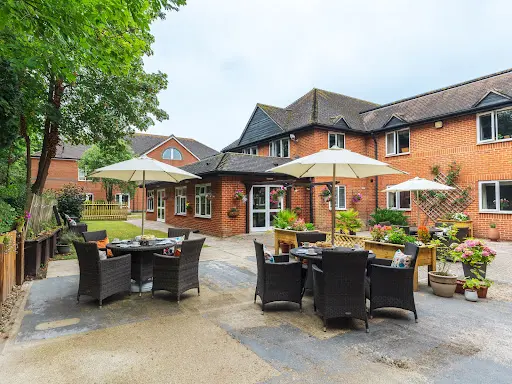
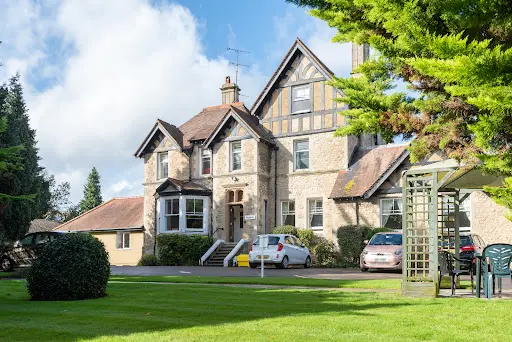
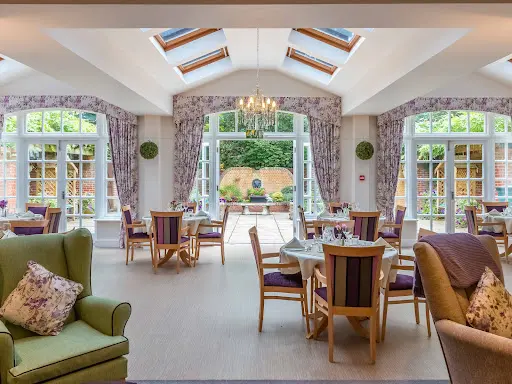
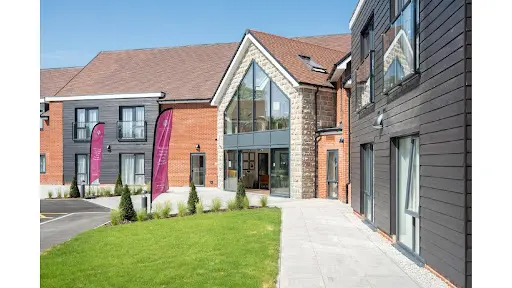
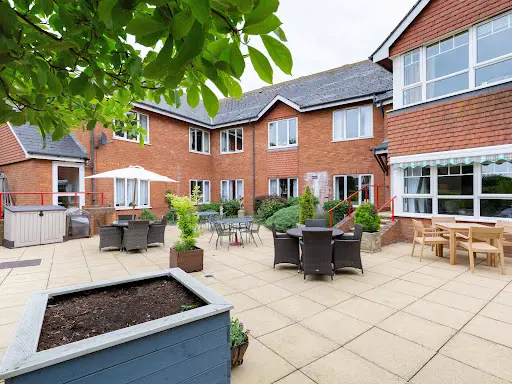
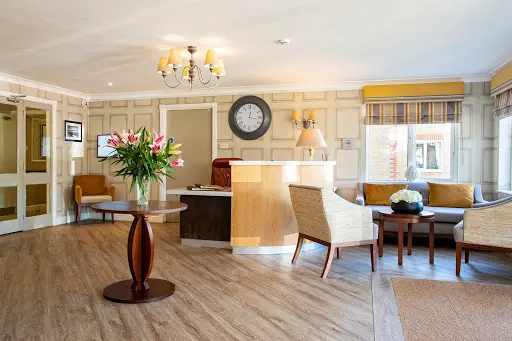
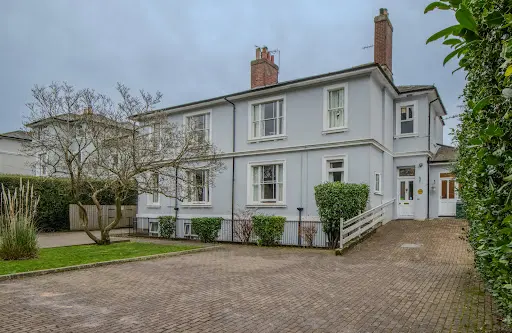
The home maintains clean, comfortable spaces throughout, with particular attention paid to hygiene in both living areas and the kitchen. While the building itself might not be the newest, the focus clearly sits on creating a well-kept environment where residents can feel settled.
“The Hollies offers specialist care in a setting where leadership values translate into daily practice, though past concerns mean careful conversations about care standards remain essential.”
DCC does not edit or curate content in this tab. For independently curated information, see The Evidence and DCC Verdict.