The Huntington & Langham Estate – Dementia and Residential Care

At a Glance
The information you need to decide whether this home warrants a closer look.
Nursing homes
Staff warmth score
of reviewers answered yes
Good to know
- Registered beds41
- SpecialismsCaring for adults over 65 yrs, Caring for adults under 65 yrs, Dementia, Physical disabilities
- Last inspected2019-10-02
Save The Huntington & Langham Estate – Dementia and Residential Care to your shortlist
Keep a running list, add visit notes, and compare homes side-by-side. Free account — it takes a minute.
STAGE 4 — RESEARCHING CARE HOMES
Visit homes. Compare them side by side. Choose with confidence.
Most of us will view care homes the way we view houses, impression, atmosphere, the feeling in the corridor. We go home, try to remember what we saw, and make a permanent decision from a blurred memory.

The DCC shortlist gives every home you visit a structured record: the same twelve questions, answered the same way, every time. When you’re ready to choose, pull any two homes side by side and compare them directly. Same criteria, same evidence, your notes and your scores.
The Evidence
What the review data, the inspection reports, and the dementia-care evidence base tell us about this home.
What families say
Families describe how their relatives with dementia still participate in daily life here, with staff finding ways to preserve each person's dignity and independence. The atmosphere feels calm and purposeful, with carers who understand how to support people through difficult transitions.
The eight family priority themes
- Staff warmth72
- Compassion & dignity72
- Cleanliness68
- Activities & engagement55
- Food quality55
- Healthcare68
- Management & leadership70
- Resident happiness68
What inspectors found
Inspected 2019-10-02
Is this home safe?
Is the care effective?
Langham Court received a Good rating in the Effective domain. Dementia is listed as a specialism, and the home provides nursing care, which implies clinical staff are present. The published findings do not describe the content of dementia training, how frequently care plans are reviewed, whether families are involved in those reviews, or how the home manages nutrition and hydration for residents with swallowing difficulties.Is this home caring?
Langham Court received a Good rating in the Caring domain. This domain covers staff warmth, dignity, respect, and how well staff treat residents as individuals. The published inspection text does not include direct inspector observations of staff interactions, resident testimony about how they are treated, or specific examples of dignity practices such as preferred names or privacy.Is the home responsive?
Langham Court received a Good rating in the Responsive domain, which covers activities, individual engagement, and how well the home tailors care to each person. The published findings do not describe what activities are available, how often they run, whether one-to-one engagement is offered to residents who cannot participate in groups, or how the home responds to changing needs and complaints.Is the home well-led?
Langham Court received a Good rating in the Well-led domain. A registered manager and a nominated individual are both named in the registration record. The published findings do not describe the manager's tenure, staff culture, how governance meetings are run, whether staff feel able to raise concerns, or what changes followed the decline from Outstanding to Good.
Source: CQC inspection report →
What the evidence base says
The home welcomes adults of all ages, including those under 65 with physical disabilities or neurological conditions. They provide specialist dementia care alongside support for people with complex physical health needs. The team takes an individualised approach to dementia care, working to understand what matters to each person and helping them stay connected to the things they enjoy. Families notice how staff preserve residents' dignity while managing the practical challenges that dementia brings. All areas worth probing directly during a visit.
The DCC Verdict
Our editorial view, built from the three lenses: what families tell us, what inspectors record, and how the home sits against good dementia-care practice.
DCC Family Score
Langham Court holds a Good rating across all five inspection domains, but the inspection text provides limited specific detail, which means scores reflect confirmed positive ratings rather than rich observational evidence. The rating has also declined from a previous Outstanding, which is worth discussing directly with the home.
Homes in South East typically score 68–82.The three-lens summary
What families tell us
Families describe how their relatives with dementia still participate in daily life here, with staff finding ways to preserve each person's dignity and independence. The atmosphere feels calm and purposeful, with carers who understand how to support people through difficult transitions.
What inspectors have recorded
Staff respond quickly when residents need help, and families say they communicate clearly about any changes or concerns. There's a sense that the team knows each resident well, whether they're caring for someone recovering from brain injury or supporting someone through the later stages of dementia.
How it sits against good practice
For families facing difficult care decisions, especially those supporting younger adults with serious conditions, Langham Court offers the kind of experienced, respectful care that helps everyone feel less alone.
Worth a visit
Langham Court, on Huntington House Drive in Hindhead, was rated Good across all five inspection domains at its most recent full inspection in March 2021, with that rating reviewed and upheld in July 2023. The home is registered to care for adults over and under 65, including people living with dementia and physical disabilities, and operates 41 beds. A named registered manager and nominated individual are in post, indicating a formal management structure. The most important context for your visit is that the home previously held an Outstanding rating and has since declined to Good. That shift is not explained in the published findings, so you should ask the manager directly what changed, what has been done about it, and what their current trajectory looks like. The published inspection text is limited in specific detail, which means you will need to use a visit to assess things the report cannot confirm: night staffing numbers, agency reliance, dementia-specific training content, and how the team engages your parent as an individual.
The three questions to ask when you visitSave this home. Compare it against your shortlist.
Let our analysis show you how The Huntington & Langham Estate – Dementia and Residential Care measures up against the other homes you’re considering. Free account.
In Their Own Words
How The Huntington & Langham Estate – Dementia and Residential Care describes itself — collected from its own website. DCC has not edited or independently verified the content in this tab.
Where complex care meets genuine understanding and respect
Compassionate Care in Hindhead at Langham Court
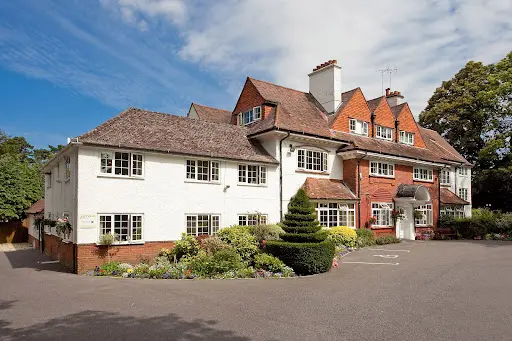
When someone you love needs specialist care — whether they're living with dementia or managing serious physical disabilities — finding the right support matters deeply. Langham Court in Hindhead brings together skilled nursing with the kind of thoughtful attention that helps residents feel secure and valued. Set within extensive grounds in the Surrey countryside, this home cares for both younger and older adults with complex medical needs.
Who they care for
The home welcomes adults of all ages, including those under 65 with physical disabilities or neurological conditions. They provide specialist dementia care alongside support for people with complex physical health needs.
The team takes an individualised approach to dementia care, working to understand what matters to each person and helping them stay connected to the things they enjoy. Families notice how staff preserve residents' dignity while managing the practical challenges that dementia brings.
“For families facing difficult care decisions, especially those supporting younger adults with serious conditions, Langham Court offers the kind of experienced, respectful care that helps everyone feel less alone.”
DCC does not edit or curate content in this tab. For independently curated information, see The Evidence and DCC Verdict.
The DCC Verdict
Our editorial view, built from the three lenses: what families tell us, what inspectors record, and how the home sits against good dementia-care practice.
DCC Family Score
Langham Court holds a Good rating across all five inspection domains, but the inspection text provides limited specific detail, which means scores reflect confirmed positive ratings rather than rich observational evidence. The rating has also declined from a previous Outstanding, which is worth discussing directly with the home.
Homes in South East typically score 68–82.The three-lens summary
What families tell us
Families describe how their relatives with dementia still participate in daily life here, with staff finding ways to preserve each person's dignity and independence. The atmosphere feels calm and purposeful, with carers who understand how to support people through difficult transitions.
What inspectors have recorded
Staff respond quickly when residents need help, and families say they communicate clearly about any changes or concerns. There's a sense that the team knows each resident well, whether they're caring for someone recovering from brain injury or supporting someone through the later stages of dementia.
How it sits against good practice
For families facing difficult care decisions, especially those supporting younger adults with serious conditions, Langham Court offers the kind of experienced, respectful care that helps everyone feel less alone.
Worth a visit
Langham Court, on Huntington House Drive in Hindhead, was rated Good across all five inspection domains at its most recent full inspection in March 2021, with that rating reviewed and upheld in July 2023. The home is registered to care for adults over and under 65, including people living with dementia and physical disabilities, and operates 41 beds. A named registered manager and nominated individual are in post, indicating a formal management structure. The most important context for your visit is that the home previously held an Outstanding rating and has since declined to Good. That shift is not explained in the published findings, so you should ask the manager directly what changed, what has been done about it, and what their current trajectory looks like. The published inspection text is limited in specific detail, which means you will need to use a visit to assess things the report cannot confirm: night staffing numbers, agency reliance, dementia-specific training content, and how the team engages your parent as an individual.
The three questions to ask when you visitSave this home. Compare it against your shortlist.
Let our analysis show you how The Huntington & Langham Estate – Dementia and Residential Care measures up against the other homes you’re considering. Free account.
In Their Own Words
How The Huntington & Langham Estate – Dementia and Residential Care describes itself — collected from its own website. DCC has not edited or independently verified the content in this tab.
Where complex care meets genuine understanding and respect
Compassionate Care in Hindhead at Langham Court
When someone you love needs specialist care — whether they're living with dementia or managing serious physical disabilities — finding the right support matters deeply. Langham Court in Hindhead brings together skilled nursing with the kind of thoughtful attention that helps residents feel secure and valued. Set within extensive grounds in the Surrey countryside, this home cares for both younger and older adults with complex medical needs.
Who they care for
The home welcomes adults of all ages, including those under 65 with physical disabilities or neurological conditions. They provide specialist dementia care alongside support for people with complex physical health needs.
The team takes an individualised approach to dementia care, working to understand what matters to each person and helping them stay connected to the things they enjoy. Families notice how staff preserve residents' dignity while managing the practical challenges that dementia brings.
Management & ethos
Staff respond quickly when residents need help, and families say they communicate clearly about any changes or concerns. There's a sense that the team knows each resident well, whether they're caring for someone recovering from brain injury or supporting someone through the later stages of dementia.
The home & environment
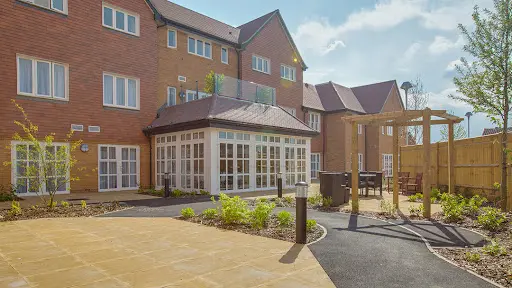
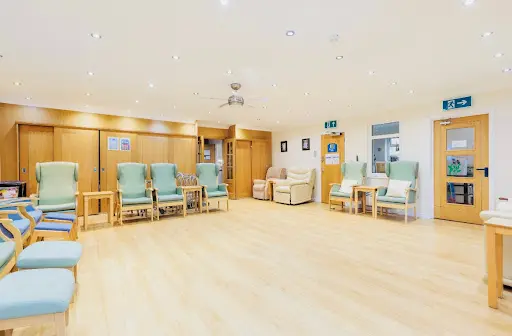
The home sits in well-kept grounds that give residents plenty of space to spend time outdoors when they want to. Inside, the facilities are clean and properly maintained, creating a comfortable environment for both residents and visiting families.
“For families facing difficult care decisions, especially those supporting younger adults with serious conditions, Langham Court offers the kind of experienced, respectful care that helps everyone feel less alone.”
DCC does not edit or curate content in this tab. For independently curated information, see The Evidence and DCC Verdict.