Oxendon House Care Home

At a Glance
The information you need to decide whether this home warrants a closer look.
Residential homes
Staff warmth score
of reviewers answered yes
Good to know
- Registered beds45
- SpecialismsCaring for adults over 65 yrs, Dementia
- Last inspected2023-02-03
Save Oxendon House Care Home to your shortlist
Keep a running list, add visit notes, and compare homes side-by-side. Free account — it takes a minute.
STAGE 4 — RESEARCHING CARE HOMES
Visit homes. Compare them side by side. Choose with confidence.
Most of us will view care homes the way we view houses, impression, atmosphere, the feeling in the corridor. We go home, try to remember what we saw, and make a permanent decision from a blurred memory.

The DCC shortlist gives every home you visit a structured record: the same twelve questions, answered the same way, every time. When you’re ready to choose, pull any two homes side by side and compare them directly. Same criteria, same evidence, your notes and your scores.
The Evidence
What the review data, the inspection reports, and the dementia-care evidence base tell us about this home.
What families say
Families describe a calm, supportive atmosphere that helps residents feel settled. The environment strikes visitors as genuinely welcoming, with a warmth that extends throughout daily life in the home.
The eight family priority themes
- Staff warmth72
- Compassion & dignity72
- Cleanliness70
- Activities & engagement60
- Food quality60
- Healthcare68
- Management & leadership75
- Resident happiness68
What inspectors found
Inspected 2023-02-03
Is this home safe?
Is the care effective?
The Effective domain was rated Good at the January 2023 inspection, up from a previous Requires Improvement rating. The published report does not include specific findings about care plan quality, review frequency, dementia training, GP access, medicines management, or food and nutrition. No record reviews or staff training records are described in the published text.Is this home caring?
The Caring domain was rated Good at the January 2023 inspection. The published report does not include inspector observations of staff interactions, resident wellbeing, use of preferred names, or responses to distress. No resident or relative quotes are recorded in the published text. The home specialises in dementia care alongside general older adult residential care.Is the home responsive?
The Responsive domain was rated Good at the January 2023 inspection, an improvement from a previous Requires Improvement rating. The published report contains no specific detail about the activities programme, individual engagement for people who cannot join group activities, end-of-life care planning, or how the home responds to changing needs. No complaints or compliments are described in the published text.Is the home well-led?
The Well-led domain was rated Good at the January 2023 inspection, again an improvement from a previous Requires Improvement rating. The home is led by a named registered manager, Mrs Rebecca May Franks, with Mr Christopher Dean Clark listed as nominated individual. The published report does not describe the manager's tenure, visibility within the home, staff culture, governance systems, or how the home communicates with families and acts on feedback.
Source: CQC inspection report →
What the evidence base says
The home provides specialist dementia care alongside general support for adults over 65. Their approach includes close coordination with mental health services when needed. Staff here understand the clinical side of dementia care — adjusting medications, managing challenging behaviours, and helping reduce agitation. Families particularly value how the team prepares them for changes in the disease while maintaining dignity through every stage. All areas worth probing directly during a visit.
The DCC Verdict
Our editorial view, built from the three lenses: what families tell us, what inspectors record, and how the home sits against good dementia-care practice.
DCC Family Score
Oxendon House Care Home scores 72 out of 100, reflecting a genuine improvement from a previous Requires Improvement rating to a Good across all five domains, though the inspection report published in February 2023 contains limited specific detail, observations, or resident testimony to push scores higher with confidence.
Homes in East Midlands typically score 68–82.The three-lens summary
What families tell us
Families describe a calm, supportive atmosphere that helps residents feel settled. The environment strikes visitors as genuinely welcoming, with a warmth that extends throughout daily life in the home.
What inspectors have recorded
What stands out here is how staff stay ahead of residents' needs. Families talk about the team's ability to spot changes early and respond before situations escalate. Communication flows naturally — families find themselves kept in the loop about clinical changes and actively involved in care decisions.
How it sits against good practice
For families facing these difficult decisions, visiting Oxendon House could help you understand their collaborative approach to care.
Worth a visit
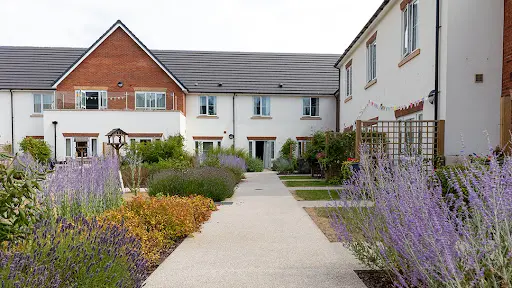
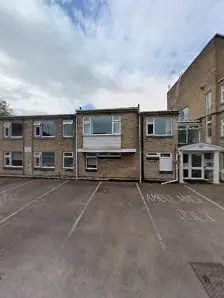
Oxendon House Care Home, at 33 Main Street, Market Harborough, was rated Good across all five inspection domains at its last inspection in January 2023, published in February 2023. This is a meaningful improvement on a previous Requires Improvement rating, which tells you the home has made real changes rather than simply maintaining the status quo. A follow-up monitoring review in July 2023 found no reason to reassess that rating. The home is registered to care for up to 45 adults over 65, including people living with dementia, and is led by a named registered manager. The main limitation of this report is that the published text contains very little specific detail: no direct inspector observations of daily care, no resident or relative quotes, and no evidence about staffing numbers, activity programmes, food quality, or dementia-specific practice. That means the Good rating is confirmed but the reasons behind it are not visible to you as a family. Before visiting, prepare a list of specific questions covering night staffing ratios, how care plans are reviewed, what activities are available for someone who cannot join a group, and how the home communicates with families. The visit itself will tell you more than this report can.
The three questions to ask when you visitSave this home. Compare it against your shortlist.
Let our analysis show you how Oxendon House Care Home measures up against the other homes you’re considering. Free account.
In Their Own Words
How Oxendon House Care Home describes itself — collected from its own website. DCC has not edited or independently verified the content in this tab.
Where families navigate dementia together with skilled, attentive care
Oxendon House Care Home – Expert Care in Market Harborough
When dementia changes everything, finding the right support becomes crucial. Oxendon House Care Home in Market Harborough has built its approach around partnership — working closely with families to manage the complex journey of dementia care. The home specialises in caring for adults over 65, with particular expertise in supporting those living with dementia.
Who they care for
The home provides specialist dementia care alongside general support for adults over 65. Their approach includes close coordination with mental health services when needed.
Staff here understand the clinical side of dementia care — adjusting medications, managing challenging behaviours, and helping reduce agitation. Families particularly value how the team prepares them for changes in the disease while maintaining dignity through every stage.
“For families facing these difficult decisions, visiting Oxendon House could help you understand their collaborative approach to care.”
DCC does not edit or curate content in this tab. For independently curated information, see The Evidence and DCC Verdict.
The DCC Verdict
Our editorial view, built from the three lenses: what families tell us, what inspectors record, and how the home sits against good dementia-care practice.
DCC Family Score
Oxendon House Care Home scores 72 out of 100, reflecting a genuine improvement from a previous Requires Improvement rating to a Good across all five domains, though the inspection report published in February 2023 contains limited specific detail, observations, or resident testimony to push scores higher with confidence.
Homes in East Midlands typically score 68–82.The three-lens summary
What families tell us
Families describe a calm, supportive atmosphere that helps residents feel settled. The environment strikes visitors as genuinely welcoming, with a warmth that extends throughout daily life in the home.
What inspectors have recorded
What stands out here is how staff stay ahead of residents' needs. Families talk about the team's ability to spot changes early and respond before situations escalate. Communication flows naturally — families find themselves kept in the loop about clinical changes and actively involved in care decisions.
How it sits against good practice
For families facing these difficult decisions, visiting Oxendon House could help you understand their collaborative approach to care.
Worth a visit
Oxendon House Care Home, at 33 Main Street, Market Harborough, was rated Good across all five inspection domains at its last inspection in January 2023, published in February 2023. This is a meaningful improvement on a previous Requires Improvement rating, which tells you the home has made real changes rather than simply maintaining the status quo. A follow-up monitoring review in July 2023 found no reason to reassess that rating. The home is registered to care for up to 45 adults over 65, including people living with dementia, and is led by a named registered manager. The main limitation of this report is that the published text contains very little specific detail: no direct inspector observations of daily care, no resident or relative quotes, and no evidence about staffing numbers, activity programmes, food quality, or dementia-specific practice. That means the Good rating is confirmed but the reasons behind it are not visible to you as a family. Before visiting, prepare a list of specific questions covering night staffing ratios, how care plans are reviewed, what activities are available for someone who cannot join a group, and how the home communicates with families. The visit itself will tell you more than this report can.
The three questions to ask when you visitSave this home. Compare it against your shortlist.
Let our analysis show you how Oxendon House Care Home measures up against the other homes you’re considering. Free account.
In Their Own Words
How Oxendon House Care Home describes itself — collected from its own website. DCC has not edited or independently verified the content in this tab.
Where families navigate dementia together with skilled, attentive care
Oxendon House Care Home – Expert Care in Market Harborough
When dementia changes everything, finding the right support becomes crucial. Oxendon House Care Home in Market Harborough has built its approach around partnership — working closely with families to manage the complex journey of dementia care. The home specialises in caring for adults over 65, with particular expertise in supporting those living with dementia.
Who they care for
The home provides specialist dementia care alongside general support for adults over 65. Their approach includes close coordination with mental health services when needed.
Staff here understand the clinical side of dementia care — adjusting medications, managing challenging behaviours, and helping reduce agitation. Families particularly value how the team prepares them for changes in the disease while maintaining dignity through every stage.
Management & ethos
What stands out here is how staff stay ahead of residents' needs. Families talk about the team's ability to spot changes early and respond before situations escalate. Communication flows naturally — families find themselves kept in the loop about clinical changes and actively involved in care decisions.
“For families facing these difficult decisions, visiting Oxendon House could help you understand their collaborative approach to care.”
DCC does not edit or curate content in this tab. For independently curated information, see The Evidence and DCC Verdict.