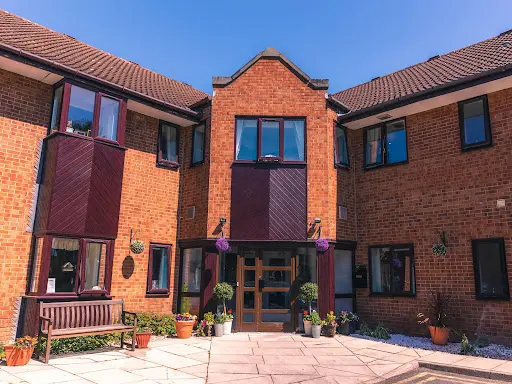
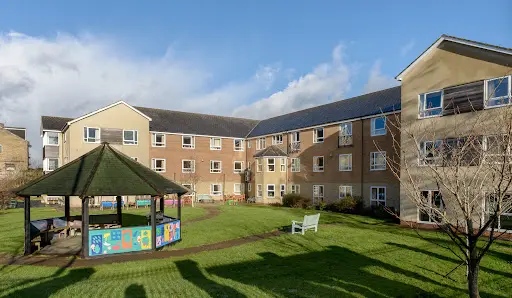
Holly Tree Lodge
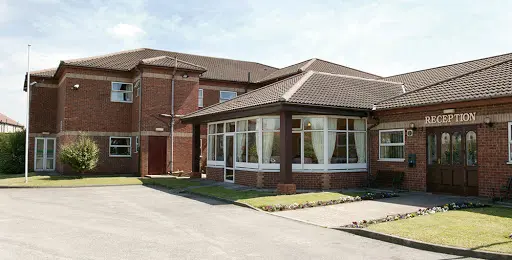
At a Glance
The information you need to decide whether this home warrants a closer look.
Nursing homes
Staff warmth score
of reviewers answered yes
Good to know
- Registered beds41
- SpecialismsCaring for adults over 65 yrs, Caring for adults under 65 yrs, Dementia, Mental health conditions
- Last inspected2019-11-21
Save Holly Tree Lodge to your shortlist
Keep a running list, add visit notes, and compare homes side-by-side. Free account — it takes a minute.
STAGE 4 — RESEARCHING CARE HOMES
Visit homes. Compare them side by side. Choose with confidence.
Most of us will view care homes the way we view houses, impression, atmosphere, the feeling in the corridor. We go home, try to remember what we saw, and make a permanent decision from a blurred memory.

The DCC shortlist gives every home you visit a structured record: the same twelve questions, answered the same way, every time. When you’re ready to choose, pull any two homes side by side and compare them directly. Same criteria, same evidence, your notes and your scores.
The Evidence
What the review data, the inspection reports, and the dementia-care evidence base tell us about this home.
What families say
Families visiting Holly Tree Lodge often comment on how helpful and personable the carers are in their daily interactions. The staff create an atmosphere where residents appear content and settled. The food gets regular compliments from visitors too, which helps make mealtimes something to look forward to.
The eight family priority themes
- Staff warmth85
- Compassion & dignity92
- Cleanliness70
- Activities & engagement70
- Food quality65
- Healthcare70
- Management & leadership75
- Resident happiness75
What inspectors found
Inspected 2019-11-21
Is this home safe?
Is the care effective?
Effective was rated Good at the August 2025 inspection. This covers training, care planning, nutrition, and healthcare access. The home specialises in dementia and EMI care, and a Good Effective rating means inspectors were satisfied that staff had the knowledge and skills to meet the needs of this group. The published report does not include specific detail about dementia training content, care plan quality, or food provision beyond the domain rating itself.Is this home caring?
Caring was rated Outstanding at the August 2025 inspection. This is the highest possible rating and is awarded only when inspectors find clear, specific evidence of exceptional practice in dignity, respect, compassion, and person-led care. The published report does not reproduce the detailed observations that would have supported this rating, but the judgement itself is significant. Outstanding in Caring is awarded to a small minority of care homes inspected each year.Is the home responsive?
Responsive was rated Good at the August 2025 inspection. This domain covers how well the home tailors its care and activities to individual needs, responds to complaints, and plans for end of life. The home is registered to care for both adults over and under 65 with dementia and mental health conditions, which requires a degree of flexibility in how activities and daily life are structured. The published report does not include specific detail about the activity programme or how the home supports people with advanced dementia to stay engaged.Is the home well-led?
Well-led was rated Good at the August 2025 inspection. The home has a named registered manager (Mrs Katarzyna Szatowska) and a nominated individual (Mr Andrew Savage) responsible for oversight. This is an improvement from the previous Requires Improvement rating, which suggests that leadership has strengthened since the last inspection. The published report does not detail what specifically changed, how the manager is visible to staff and residents, or how the home responds to feedback and complaints.
Source: CQC inspection report →
What the evidence base says
Holly Tree Lodge supports people over 65 as well as younger adults living with dementia and mental health conditions. The home focuses on EMI (Elderly Mentally Infirm) care, providing specialist support for those whose dementia affects their behaviour and emotional wellbeing. The team works with residents whose dementia creates challenging situations, though families have noticed variation in how different staff members respond to these moments. While many carers show real compassion, maintaining this consistency across all shifts remains an ongoing focus. All areas worth probing directly during a visit.
The DCC Verdict
Our editorial view, built from the three lenses: what families tell us, what inspectors record, and how the home sits against good dementia-care practice.
DCC Family Score
Holly Tree Lodge EMI Care Home scores well overall, lifted significantly by its Outstanding rating for caring, which inspectors assessed as the strongest aspect of life here. Scores in areas like food, cleanliness, and activities are cautious because the published report contains limited specific detail beyond domain-level ratings.
Homes in Yorkshire & Humberside typically score 68–82.The three-lens summary
What families tell us
Families visiting Holly Tree Lodge often comment on how helpful and personable the carers are in their daily interactions. The staff create an atmosphere where residents appear content and settled. The food gets regular compliments from visitors too, which helps make mealtimes something to look forward to.
What inspectors have recorded
A care professional who visited noted the home keeps detailed documentation and organised systems that show real understanding of individual residents' needs. Though some families have found it challenging to reach management when concerns arise, the team demonstrates professional knowledge in their approach to care planning.
How it sits against good practice
If you're considering Holly Tree Lodge, it's worth discussing their approach to the specific aspects of care that matter most to your family.
Worth a visit
Holly Tree Lodge EMI Care Home, on Sceptone Grove in Barnsley, was assessed in August 2025 and rated Good overall, with an Outstanding rating for Caring. This is a significant improvement from its previous Requires Improvement rating and suggests the home has made meaningful progress. The Outstanding Caring rating is rare and requires inspectors to find evidence of genuinely exceptional, person-led practice, not simply the absence of problems. All other domains, Safe, Effective, Responsive, and Well-led, were rated Good. The main limitation of this report is that the published text contains very little specific detail beyond the domain ratings themselves. Families should not rely solely on ratings when choosing a home for a parent with dementia. On your visit, pay particular attention to how staff speak to and about the people who live here, whether interactions feel unhurried and warm, and whether the environment feels calm and navigable for someone with dementia. Ask the manager directly about night staffing numbers, agency staff use, and how families are kept informed about changes in their parent's health.
The three questions to ask when you visitSave this home. Compare it against your shortlist.
Let our analysis show you how Holly Tree Lodge measures up against the other homes you’re considering. Free account.
In Their Own Words
How Holly Tree Lodge describes itself — collected from its own website. DCC has not edited or independently verified the content in this tab.
Friendly carers create settled atmosphere despite space constraints
Holly Tree Lodge EMI Care Home – Expert Care in Barnsley
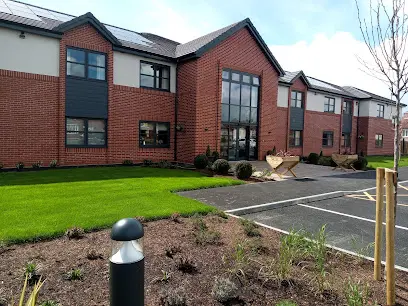
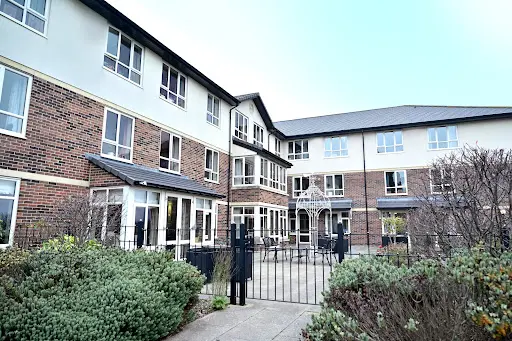
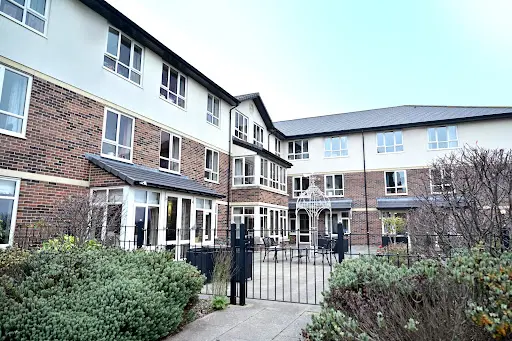
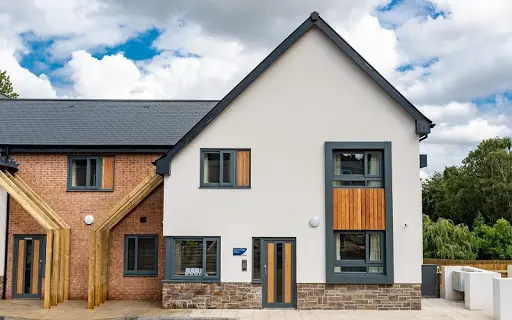
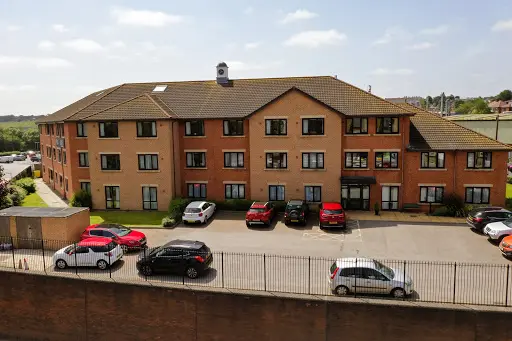
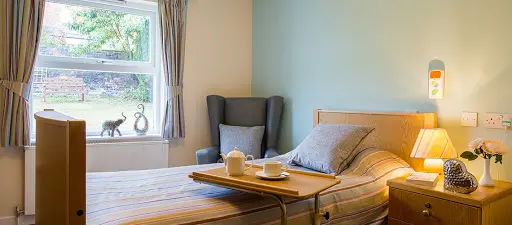
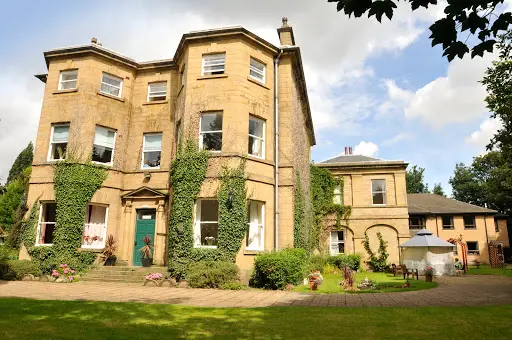
When you're looking for dementia care, finding somewhere your loved one feels genuinely content matters more than anything else. Holly Tree Lodge EMI Care Home in Barnsley has built its reputation on approachable staff who help residents feel at home. While the building itself has some limitations, particularly upstairs where rooms can feel tight, many families report their relatives have settled in well here.
Who they care for
Holly Tree Lodge supports people over 65 as well as younger adults living with dementia and mental health conditions. The home focuses on EMI (Elderly Mentally Infirm) care, providing specialist support for those whose dementia affects their behaviour and emotional wellbeing.
The team works with residents whose dementia creates challenging situations, though families have noticed variation in how different staff members respond to these moments. While many carers show real compassion, maintaining this consistency across all shifts remains an ongoing focus.
“If you're considering Holly Tree Lodge, it's worth discussing their approach to the specific aspects of care that matter most to your family.”
DCC does not edit or curate content in this tab. For independently curated information, see The Evidence and DCC Verdict.
The DCC Verdict
Our editorial view, built from the three lenses: what families tell us, what inspectors record, and how the home sits against good dementia-care practice.
DCC Family Score
Holly Tree Lodge EMI Care Home scores well overall, lifted significantly by its Outstanding rating for caring, which inspectors assessed as the strongest aspect of life here. Scores in areas like food, cleanliness, and activities are cautious because the published report contains limited specific detail beyond domain-level ratings.
Homes in Yorkshire & Humberside typically score 68–82.The three-lens summary
What families tell us
Families visiting Holly Tree Lodge often comment on how helpful and personable the carers are in their daily interactions. The staff create an atmosphere where residents appear content and settled. The food gets regular compliments from visitors too, which helps make mealtimes something to look forward to.
What inspectors have recorded
A care professional who visited noted the home keeps detailed documentation and organised systems that show real understanding of individual residents' needs. Though some families have found it challenging to reach management when concerns arise, the team demonstrates professional knowledge in their approach to care planning.
How it sits against good practice
If you're considering Holly Tree Lodge, it's worth discussing their approach to the specific aspects of care that matter most to your family.
Worth a visit
Holly Tree Lodge EMI Care Home, on Sceptone Grove in Barnsley, was assessed in August 2025 and rated Good overall, with an Outstanding rating for Caring. This is a significant improvement from its previous Requires Improvement rating and suggests the home has made meaningful progress. The Outstanding Caring rating is rare and requires inspectors to find evidence of genuinely exceptional, person-led practice, not simply the absence of problems. All other domains, Safe, Effective, Responsive, and Well-led, were rated Good. The main limitation of this report is that the published text contains very little specific detail beyond the domain ratings themselves. Families should not rely solely on ratings when choosing a home for a parent with dementia. On your visit, pay particular attention to how staff speak to and about the people who live here, whether interactions feel unhurried and warm, and whether the environment feels calm and navigable for someone with dementia. Ask the manager directly about night staffing numbers, agency staff use, and how families are kept informed about changes in their parent's health.
The three questions to ask when you visitSave this home. Compare it against your shortlist.
Let our analysis show you how Holly Tree Lodge measures up against the other homes you’re considering. Free account.
In Their Own Words
How Holly Tree Lodge describes itself — collected from its own website. DCC has not edited or independently verified the content in this tab.
Friendly carers create settled atmosphere despite space constraints
Holly Tree Lodge EMI Care Home – Expert Care in Barnsley
When you're looking for dementia care, finding somewhere your loved one feels genuinely content matters more than anything else. Holly Tree Lodge EMI Care Home in Barnsley has built its reputation on approachable staff who help residents feel at home. While the building itself has some limitations, particularly upstairs where rooms can feel tight, many families report their relatives have settled in well here.
Who they care for
Holly Tree Lodge supports people over 65 as well as younger adults living with dementia and mental health conditions. The home focuses on EMI (Elderly Mentally Infirm) care, providing specialist support for those whose dementia affects their behaviour and emotional wellbeing.
The team works with residents whose dementia creates challenging situations, though families have noticed variation in how different staff members respond to these moments. While many carers show real compassion, maintaining this consistency across all shifts remains an ongoing focus.
Management & ethos
A care professional who visited noted the home keeps detailed documentation and organised systems that show real understanding of individual residents' needs. Though some families have found it challenging to reach management when concerns arise, the team demonstrates professional knowledge in their approach to care planning.
“If you're considering Holly Tree Lodge, it's worth discussing their approach to the specific aspects of care that matter most to your family.”
DCC does not edit or curate content in this tab. For independently curated information, see The Evidence and DCC Verdict.