Headingley Court
At a Glance
The information you need to decide whether this home warrants a closer look.
Nursing homes
Staff warmth score
of reviewers answered yes
Good to know
- Registered beds25
- SpecialismsCaring for adults over 65 yrs, Caring for adults under 65 yrs, Dementia, Mental health conditions, Physical disabilities
- Last inspected2023-05-19
Save Headingley Court to your shortlist
Keep a running list, add visit notes, and compare homes side-by-side. Free account — it takes a minute.
STAGE 4 — RESEARCHING CARE HOMES
Visit homes. Compare them side by side. Choose with confidence.
Most of us will view care homes the way we view houses, impression, atmosphere, the feeling in the corridor. We go home, try to remember what we saw, and make a permanent decision from a blurred memory.

The DCC shortlist gives every home you visit a structured record: the same twelve questions, answered the same way, every time. When you’re ready to choose, pull any two homes side by side and compare them directly. Same criteria, same evidence, your notes and your scores.
The Evidence
What the review data, the inspection reports, and the dementia-care evidence base tell us about this home.
What families say
Families describe staff who greet them warmly and remember their names visit after visit. The team's approachable manner seems to put both residents and relatives at ease. Several people mention how content their loved ones appear, often hearing directly from residents that they're happy with their care.
The eight family priority themes
- Staff warmth72
- Compassion & dignity72
- Cleanliness72
- Activities & engagement65
- Food quality65
- Healthcare70
- Management & leadership75
- Resident happiness70
What inspectors found
Inspected 2023-05-19
Is this home safe?
Is the care effective?
The inspection rated the Effective domain as Good. The home is registered for nursing care, which means registered nurses should be available to oversee complex health needs including medicines administration and clinical monitoring. No specific detail about care plan quality, GP access, dementia training, or nutritional care is included in the published report. The broad range of specialisms, covering dementia, mental health, and physical disabilities, suggests that staff training needs are significant. The published findings confirm the domain rating but provide no observational evidence to support it.Is this home caring?
The inspection rated the Caring domain as Good. No inspector observations of staff interactions, no resident testimony, and no family quotes are included in the published report. This means the Good rating reflects the inspectors' overall judgement but the published text does not give you the specific, observable details that would help you assess whether the warmth and dignity on offer suit your parent. The home supports people with dementia and mental health conditions, for whom the quality of daily interactions, tone of voice, pace of care, and use of preferred names matter enormously.Is the home responsive?
The inspection rated the Responsive domain as Good. No detail about activities, individual engagement, how the home supports residents to maintain independence, or end-of-life planning is included in the published report. The home's registration covers dementia and mental health conditions, which require tailored, individualised responses rather than generic group programmes. For residents who cannot participate in group activities due to advanced dementia or physical disability, one-to-one engagement becomes especially important. The published findings do not describe how the home approaches this.Is the home well-led?
The inspection rated the Well-led domain as Good. A named registered manager, Mrs Sarah Louise Archdale, is in post, and a nominated individual, Mr Naimat Khan, is identified on behalf of the provider, Countrywide Healthcare Ltd. The home's improvement from an Inadequate rating to a Good rating across all domains suggests that leadership has driven meaningful change. No specific detail about the manager's visibility, staff culture, governance processes, or how the home learns from incidents is included in the published report.
Source: CQC inspection report →
What the evidence base says
The home provides specialist support for adults under and over 65 with dementia, mental health conditions, and physical disabilities. They understand that each condition requires different approaches and adapt their care accordingly. For residents living with dementia, the home recognises how important familiar objects and regular routines can be. Staff work to maintain connections with families through consistent communication channels. All areas worth probing directly during a visit.
The DCC Verdict
Our editorial view, built from the three lenses: what families tell us, what inspectors record, and how the home sits against good dementia-care practice.
DCC Family Score
Headingley Court has made a significant recovery from a previous Inadequate rating to a current Good across all five inspection domains, which is a meaningful achievement. However, the published report contains very little specific detail, so the score reflects confirmed Good ratings rather than rich observational evidence.
Homes in Yorkshire & Humberside typically score 68–82.The three-lens summary
What families tell us
Families describe staff who greet them warmly and remember their names visit after visit. The team's approachable manner seems to put both residents and relatives at ease. Several people mention how content their loved ones appear, often hearing directly from residents that they're happy with their care.
What inspectors have recorded
How it sits against good practice
If you're considering Headingley Court, visiting in person will give you the clearest picture of daily life there.
Worth a visit
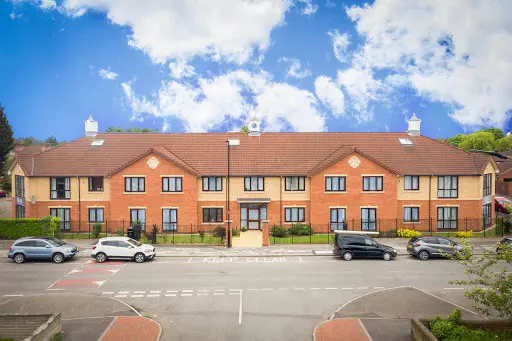
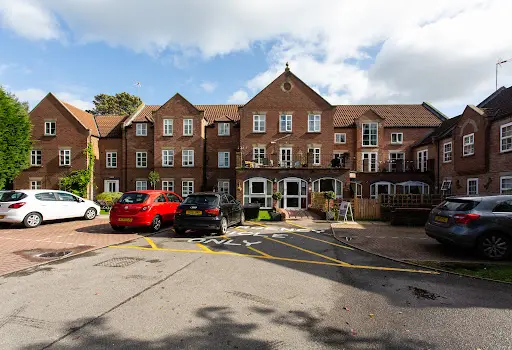
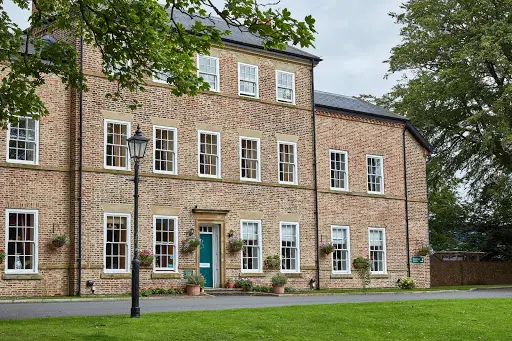
Headingley Court Care Home, on Headingley Way in Doncaster, was assessed on 31 December 2025 and rated Good across all five inspection domains, with the report published in March 2026. This is a notable turnaround: the home was previously rated Inadequate, so reaching a Good rating across the board represents a real and significant improvement. The home is a 25-bed nursing home registered to care for people with dementia, mental health conditions, physical disabilities, and both older and younger adults, which means it supports a broad and complex range of needs. A named registered manager, Mrs Sarah Louise Archdale, is in post, supported by a nominated individual from the provider, Countrywide Healthcare Ltd. The main uncertainty here is that the published inspection report contains very little specific detail beyond the domain ratings themselves. There are no inspector observations, no resident or family quotes, and no descriptions of day-to-day life in the home. That means there is limited published evidence to help you judge whether the warmth, activities, food, and communication meet your parent's specific needs. Before visiting, ask the manager how many permanent staff work on the dementia unit and what night staffing looks like. During your visit, watch how staff interact with residents in corridors and communal spaces, whether they use preferred names, and whether anyone appears to be waiting a long time for help.
The three questions to ask when you visitSave this home. Compare it against your shortlist.
Let our analysis show you how Headingley Court measures up against the other homes you’re considering. Free account.
In Their Own Words
How Headingley Court describes itself — collected from its own website. DCC has not edited or independently verified the content in this tab.
Where personal touches help residents feel truly at home
Nursing home in Doncaster: True Peace of Mind
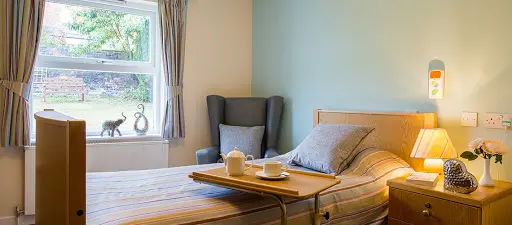
Finding the right care home means looking for somewhere that values the person behind the diagnosis. Headingley Court Care Home in Doncaster focuses on helping residents maintain their individuality through personalised rooms and regular family connections. The home supports adults with dementia, mental health conditions, and physical disabilities.
Who they care for
The home provides specialist support for adults under and over 65 with dementia, mental health conditions, and physical disabilities. They understand that each condition requires different approaches and adapt their care accordingly.
For residents living with dementia, the home recognises how important familiar objects and regular routines can be. Staff work to maintain connections with families through consistent communication channels.
“If you're considering Headingley Court, visiting in person will give you the clearest picture of daily life there.”
DCC does not edit or curate content in this tab. For independently curated information, see The Evidence and DCC Verdict.
The DCC Verdict
Our editorial view, built from the three lenses: what families tell us, what inspectors record, and how the home sits against good dementia-care practice.
DCC Family Score
Headingley Court has made a significant recovery from a previous Inadequate rating to a current Good across all five inspection domains, which is a meaningful achievement. However, the published report contains very little specific detail, so the score reflects confirmed Good ratings rather than rich observational evidence.
Homes in Yorkshire & Humberside typically score 68–82.The three-lens summary
What families tell us
Families describe staff who greet them warmly and remember their names visit after visit. The team's approachable manner seems to put both residents and relatives at ease. Several people mention how content their loved ones appear, often hearing directly from residents that they're happy with their care.
What inspectors have recorded
How it sits against good practice
If you're considering Headingley Court, visiting in person will give you the clearest picture of daily life there.
Worth a visit
Headingley Court Care Home, on Headingley Way in Doncaster, was assessed on 31 December 2025 and rated Good across all five inspection domains, with the report published in March 2026. This is a notable turnaround: the home was previously rated Inadequate, so reaching a Good rating across the board represents a real and significant improvement. The home is a 25-bed nursing home registered to care for people with dementia, mental health conditions, physical disabilities, and both older and younger adults, which means it supports a broad and complex range of needs. A named registered manager, Mrs Sarah Louise Archdale, is in post, supported by a nominated individual from the provider, Countrywide Healthcare Ltd. The main uncertainty here is that the published inspection report contains very little specific detail beyond the domain ratings themselves. There are no inspector observations, no resident or family quotes, and no descriptions of day-to-day life in the home. That means there is limited published evidence to help you judge whether the warmth, activities, food, and communication meet your parent's specific needs. Before visiting, ask the manager how many permanent staff work on the dementia unit and what night staffing looks like. During your visit, watch how staff interact with residents in corridors and communal spaces, whether they use preferred names, and whether anyone appears to be waiting a long time for help.
The three questions to ask when you visitSave this home. Compare it against your shortlist.
Let our analysis show you how Headingley Court measures up against the other homes you’re considering. Free account.
In Their Own Words
How Headingley Court describes itself — collected from its own website. DCC has not edited or independently verified the content in this tab.
Where personal touches help residents feel truly at home
Nursing home in Doncaster: True Peace of Mind
Finding the right care home means looking for somewhere that values the person behind the diagnosis. Headingley Court Care Home in Doncaster focuses on helping residents maintain their individuality through personalised rooms and regular family connections. The home supports adults with dementia, mental health conditions, and physical disabilities.
Who they care for
The home provides specialist support for adults under and over 65 with dementia, mental health conditions, and physical disabilities. They understand that each condition requires different approaches and adapt their care accordingly.
For residents living with dementia, the home recognises how important familiar objects and regular routines can be. Staff work to maintain connections with families through consistent communication channels.
The home & environment
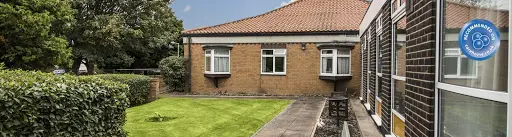
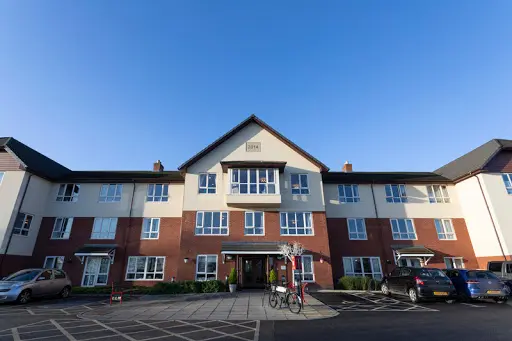
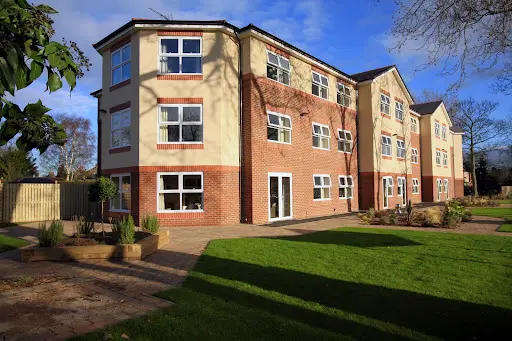
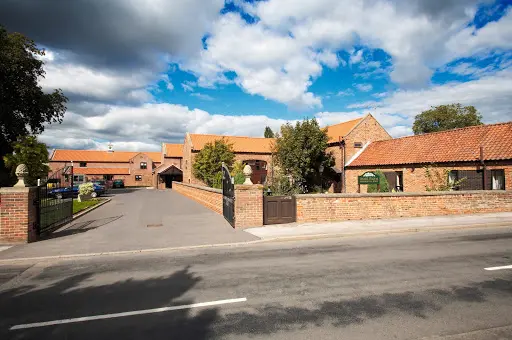
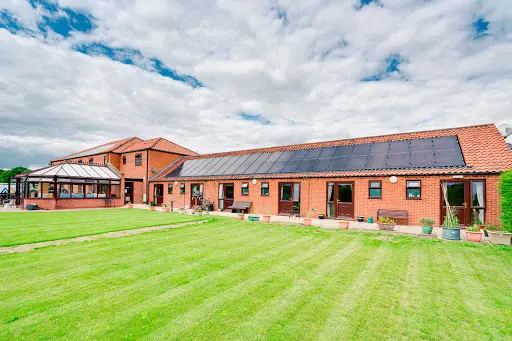
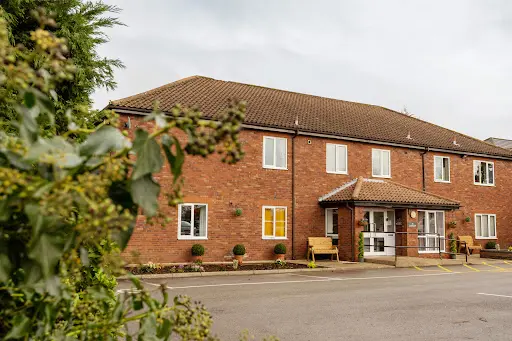
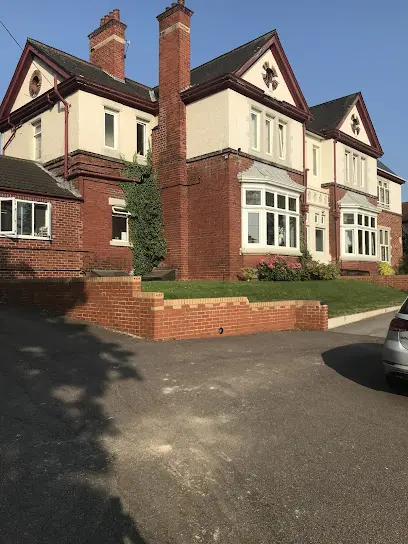
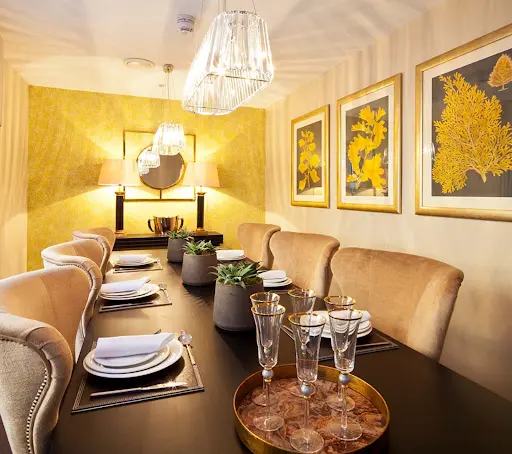
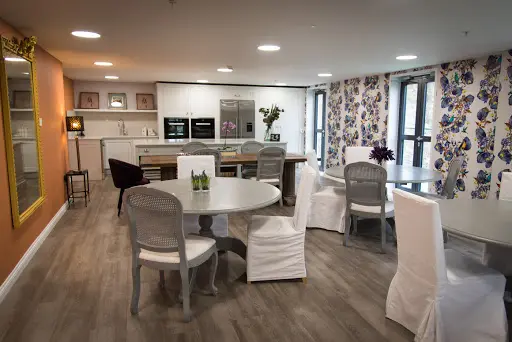
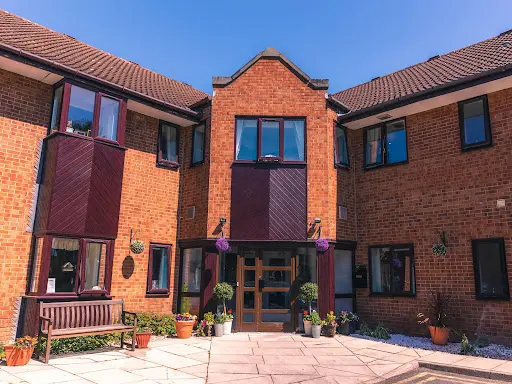
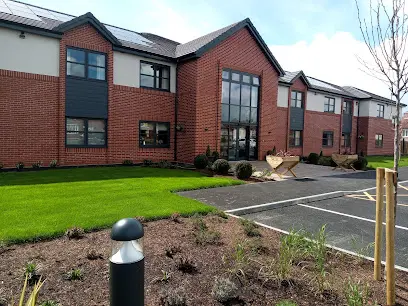
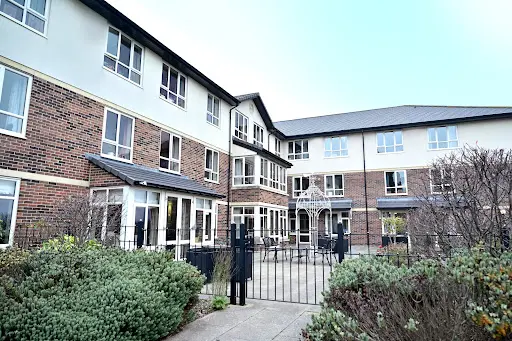
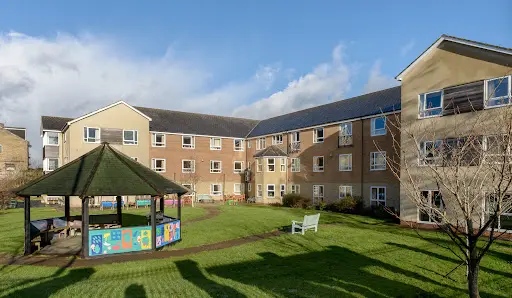
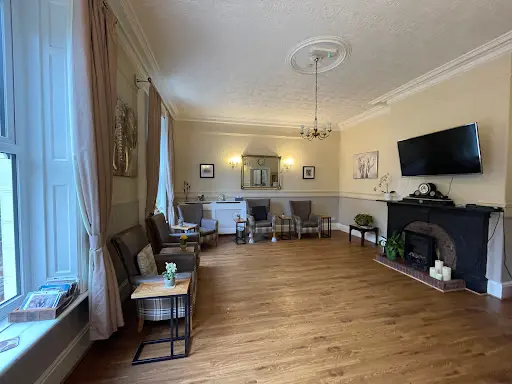
The home keeps families connected through regular newsletters and photo updates on social media. Residents can bring their own belongings and arrange their rooms however they prefer, which families say makes a real difference. The premises are kept spotless throughout.
“If you're considering Headingley Court, visiting in person will give you the clearest picture of daily life there.”
DCC does not edit or curate content in this tab. For independently curated information, see The Evidence and DCC Verdict.