Apley Grange
At a Glance
The information you need to decide whether this home warrants a closer look.
Nursing homes
Staff warmth score
of reviewers answered yes
Good to know
- Registered beds42
- SpecialismsCaring for adults over 65 yrs, Caring for adults under 65 yrs, Dementia, Physical disabilities, Sensory impairment
- Last inspected2020-02-01
Save Apley Grange to your shortlist
Keep a running list, add visit notes, and compare homes side-by-side. Free account — it takes a minute.
STAGE 4 — RESEARCHING CARE HOMES
Visit homes. Compare them side by side. Choose with confidence.
Most of us will view care homes the way we view houses, impression, atmosphere, the feeling in the corridor. We go home, try to remember what we saw, and make a permanent decision from a blurred memory.

The DCC shortlist gives every home you visit a structured record: the same twelve questions, answered the same way, every time. When you’re ready to choose, pull any two homes side by side and compare them directly. Same criteria, same evidence, your notes and your scores.
The Evidence
What the review data, the inspection reports, and the dementia-care evidence base tell us about this home.
What families say
Families mention how comfortable they feel visiting here. There's a warmth that comes through in how staff interact with everyone — not just residents but their loved ones too. People notice the way staff work together as a team, creating an atmosphere where residents stay connected to the things they enjoy.
The eight family priority themes
- Staff warmth72
- Compassion & dignity72
- Cleanliness70
- Activities & engagement65
- Food quality65
- Healthcare70
- Management & leadership72
- Resident happiness68
What inspectors found
Inspected 2020-02-01
Is this home safe?
Is the care effective?
Effective was rated Good at the December 2019 inspection. This domain covers care planning, staff training, healthcare access, nutrition, and how well the home applies good practice. No specific observations about these areas are recorded in the available report text. The home supports people with dementia, physical disabilities, and sensory impairment, which requires staff to hold skills across several specialist areas. The July 2023 monitoring review did not flag any concerns.Is this home caring?
Caring was rated Good at the December 2019 inspection. This domain covers staff warmth, dignity, respect, and whether people are supported to remain as independent as possible. No specific inspector observations, resident quotes, or relative feedback are recorded in the available report text. The absence of detail does not indicate a problem, but it does mean the published report cannot confirm what interactions between staff and your parent would actually look and feel like.Is the home responsive?
Responsive was rated Good at the December 2019 inspection. This domain covers whether the home tailors activity and daily life to individual preferences, responds to complaints, and supports people approaching the end of their life. No specific activities, examples of individual engagement, or end-of-life detail are described in the available report text. The home supports people with dementia and sensory impairment, where group activities alone are rarely sufficient.Is the home well-led?
Well-led was rated Good at the December 2019 inspection. A registered manager, Sister Angela O'Connor, and a nominated individual, Mrs Margaret Ann Hill, are named in the inspection record. The home is operated by the Society of the Holy Child Jesus CIO. No specific detail about management visibility, staff culture, governance processes, or how the home handles complaints and incidents is recorded in the available report text. The July 2023 monitoring review found no evidence requiring reassessment.
Source: CQC inspection report →
What the evidence base says
The home supports people with various needs including dementia, physical disabilities and sensory impairments. They care for both younger adults under 65 and older residents. For residents living with dementia, the staff's respectful approach becomes even more valuable. The team understands how to provide support while maintaining each person's dignity and sense of self. All areas worth probing directly during a visit.
The DCC Verdict
Our editorial view, built from the three lenses: what families tell us, what inspectors record, and how the home sits against good dementia-care practice.
DCC Family Score
Apley Grange received a Good rating across all five inspection domains in December 2019, which is a positive baseline, but the published report contains very limited specific detail, so scores reflect the rating itself rather than direct inspector observations or testimony.
Homes in Yorkshire & Humberside typically score 68–82.The three-lens summary
What families tell us
Families mention how comfortable they feel visiting here. There's a warmth that comes through in how staff interact with everyone — not just residents but their loved ones too. People notice the way staff work together as a team, creating an atmosphere where residents stay connected to the things they enjoy.
What inspectors have recorded
Staff here seem to have found that crucial balance — being professional while staying genuinely warm. Families describe a team that treats residents with proper respect, never talking down to them or being patronising. The way staff coordinate with each other creates a sense of stability that residents clearly benefit from.
How it sits against good practice
Sometimes the best care comes from understanding that residents are still the same people they've always been — just needing a bit more support.
Worth a visit
Apley Grange, at 35 Oatlands Drive, Harrogate, was rated Good across all five inspection domains following an inspection in December 2019, with the report published in February 2020. The home is run by the Society of the Holy Child Jesus CIO, with a named registered manager and nominated individual in post. A Good rating in every domain is a positive sign, and a subsequent review in July 2023 found no evidence requiring a reassessment of that rating. The main uncertainty here is the age of the inspection and the absence of specific detail in the published findings. The report text available does not include inspector observations, resident or family quotes, or examples of practice, so it is not possible to verify what daily life actually looks like for your mum or dad. Before visiting, it is worth noting that this inspection is now over five years old. On your visit, ask to see the current staffing rota, the activities timetable, and whether you can speak to a relative of someone already living there. These conversations will tell you far more than the published findings can.
The three questions to ask when you visitSave this home. Compare it against your shortlist.
Let our analysis show you how Apley Grange measures up against the other homes you’re considering. Free account.
In Their Own Words
How Apley Grange describes itself — collected from its own website. DCC has not edited or independently verified the content in this tab.
Where kindness meets independence in Yorkshire care
Apley Grange – Your Trusted nursing home
Some care homes talk about respect — at Apley Grange in Harrogate, families see it in action every day. This Yorkshire home has built its reputation on treating residents as individuals, with staff who understand the difference between supporting someone and taking over their life. Set in one of England's most elegant spa towns, the home offers both security and dignity.
Who they care for
The home supports people with various needs including dementia, physical disabilities and sensory impairments. They care for both younger adults under 65 and older residents.
For residents living with dementia, the staff's respectful approach becomes even more valuable. The team understands how to provide support while maintaining each person's dignity and sense of self.
“Sometimes the best care comes from understanding that residents are still the same people they've always been — just needing a bit more support.”
DCC does not edit or curate content in this tab. For independently curated information, see The Evidence and DCC Verdict.
The DCC Verdict
Our editorial view, built from the three lenses: what families tell us, what inspectors record, and how the home sits against good dementia-care practice.
DCC Family Score
Apley Grange received a Good rating across all five inspection domains in December 2019, which is a positive baseline, but the published report contains very limited specific detail, so scores reflect the rating itself rather than direct inspector observations or testimony.
Homes in Yorkshire & Humberside typically score 68–82.The three-lens summary
What families tell us
Families mention how comfortable they feel visiting here. There's a warmth that comes through in how staff interact with everyone — not just residents but their loved ones too. People notice the way staff work together as a team, creating an atmosphere where residents stay connected to the things they enjoy.
What inspectors have recorded
Staff here seem to have found that crucial balance — being professional while staying genuinely warm. Families describe a team that treats residents with proper respect, never talking down to them or being patronising. The way staff coordinate with each other creates a sense of stability that residents clearly benefit from.
How it sits against good practice
Sometimes the best care comes from understanding that residents are still the same people they've always been — just needing a bit more support.
Worth a visit
Apley Grange, at 35 Oatlands Drive, Harrogate, was rated Good across all five inspection domains following an inspection in December 2019, with the report published in February 2020. The home is run by the Society of the Holy Child Jesus CIO, with a named registered manager and nominated individual in post. A Good rating in every domain is a positive sign, and a subsequent review in July 2023 found no evidence requiring a reassessment of that rating. The main uncertainty here is the age of the inspection and the absence of specific detail in the published findings. The report text available does not include inspector observations, resident or family quotes, or examples of practice, so it is not possible to verify what daily life actually looks like for your mum or dad. Before visiting, it is worth noting that this inspection is now over five years old. On your visit, ask to see the current staffing rota, the activities timetable, and whether you can speak to a relative of someone already living there. These conversations will tell you far more than the published findings can.
The three questions to ask when you visitSave this home. Compare it against your shortlist.
Let our analysis show you how Apley Grange measures up against the other homes you’re considering. Free account.
In Their Own Words
How Apley Grange describes itself — collected from its own website. DCC has not edited or independently verified the content in this tab.
Where kindness meets independence in Yorkshire care
Apley Grange – Your Trusted nursing home
Some care homes talk about respect — at Apley Grange in Harrogate, families see it in action every day. This Yorkshire home has built its reputation on treating residents as individuals, with staff who understand the difference between supporting someone and taking over their life. Set in one of England's most elegant spa towns, the home offers both security and dignity.
Who they care for
The home supports people with various needs including dementia, physical disabilities and sensory impairments. They care for both younger adults under 65 and older residents.
For residents living with dementia, the staff's respectful approach becomes even more valuable. The team understands how to provide support while maintaining each person's dignity and sense of self.
Management & ethos
Staff here seem to have found that crucial balance — being professional while staying genuinely warm. Families describe a team that treats residents with proper respect, never talking down to them or being patronising. The way staff coordinate with each other creates a sense of stability that residents clearly benefit from.
The home & environment
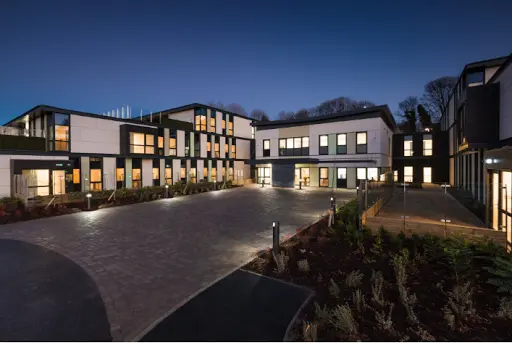
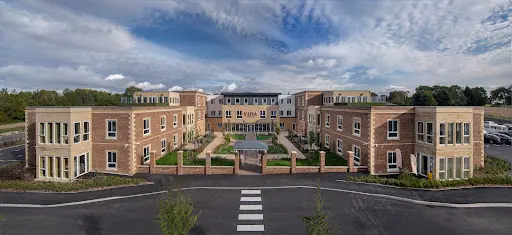
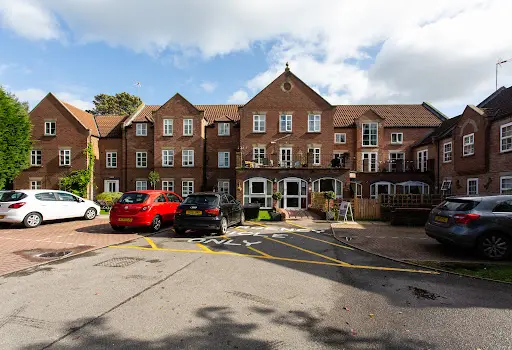
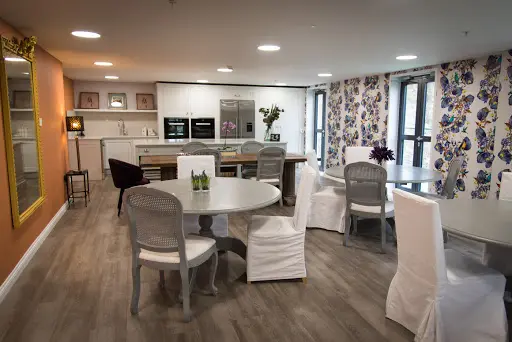
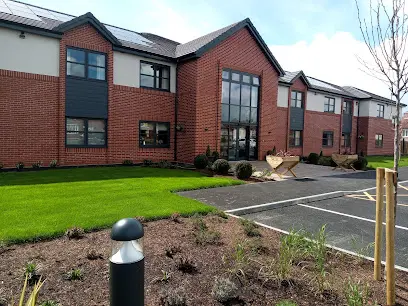
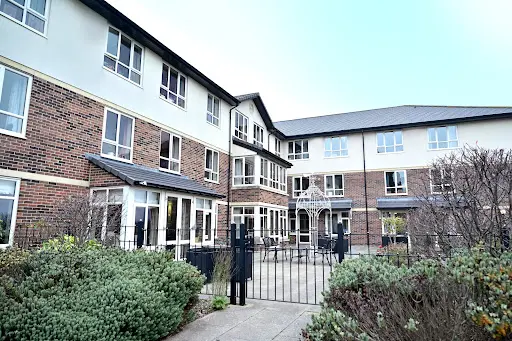
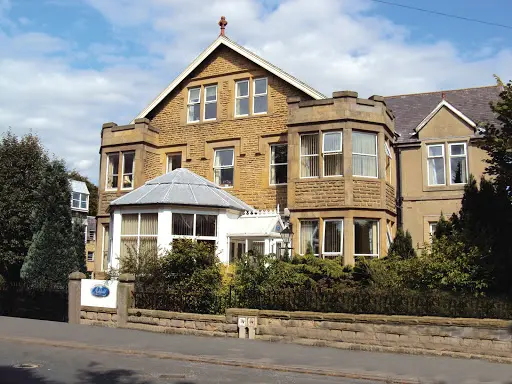
The home stands out for its cleanliness — something visitors consistently notice and appreciate. Residents have access to tablets and entertainment that keeps them engaged with the modern world. There's parking on site, which makes visiting straightforward for families.
“Sometimes the best care comes from understanding that residents are still the same people they've always been — just needing a bit more support.”
DCC does not edit or curate content in this tab. For independently curated information, see The Evidence and DCC Verdict.