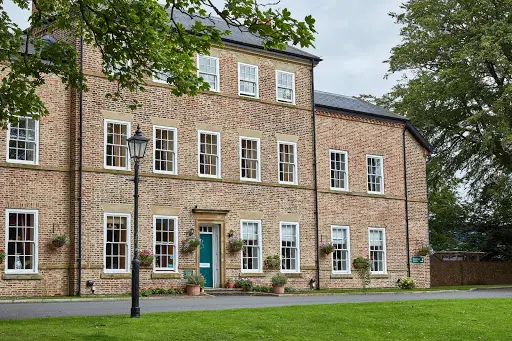
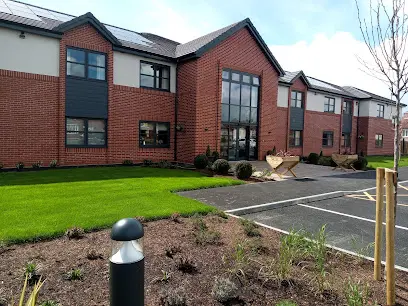
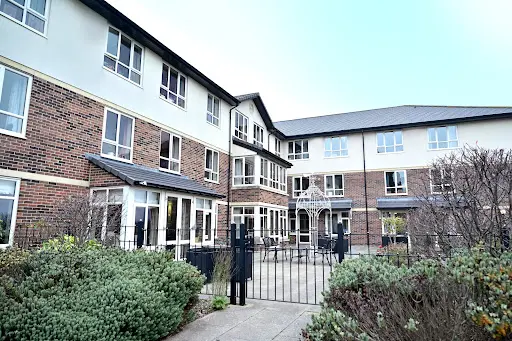
Vida Grange – Specialist Dementia Care Home

At a Glance
The information you need to decide whether this home warrants a closer look.
Nursing homes
Staff warmth score
of reviewers answered yes
Good to know
- Registered beds124
- SpecialismsCaring for adults over 65 yrs, Caring for adults under 65 yrs, Dementia
- Last inspected2018-01-25
Save Vida Grange – Specialist Dementia Care Home to your shortlist
Keep a running list, add visit notes, and compare homes side-by-side. Free account — it takes a minute.
STAGE 4 — RESEARCHING CARE HOMES
Visit homes. Compare them side by side. Choose with confidence.
Most of us will view care homes the way we view houses, impression, atmosphere, the feeling in the corridor. We go home, try to remember what we saw, and make a permanent decision from a blurred memory.

The DCC shortlist gives every home you visit a structured record: the same twelve questions, answered the same way, every time. When you’re ready to choose, pull any two homes side by side and compare them directly. Same criteria, same evidence, your notes and your scores.
The Evidence
What the review data, the inspection reports, and the dementia-care evidence base tell us about this home.
What families say
The consistency of care catches families' attention here. Staff recognise visiting relatives, remember their names, and share updates without being asked. Whether you're dealing with reception, nursing staff, or management, families describe the same genuine warmth and proactive communication that makes them feel genuinely welcomed and valued.
The eight family priority themes
- Staff warmth85
- Compassion & dignity88
- Cleanliness70
- Activities & engagement72
- Food quality65
- Healthcare85
- Management & leadership72
- Resident happiness75
What inspectors found
Inspected 2018-01-25
Is this home safe?
Is the care effective?
Effective was rated Outstanding at the November 2017 inspection. This is the highest rating inspectors can award and requires strong, specific evidence across training, care planning, healthcare access, and outcomes. For a home specialising in dementia care, Outstanding in Effective means inspectors were satisfied that staff understood dementia well enough to apply that knowledge in day-to-day care. The full report text is not available, so the specific evidence inspectors used to reach this rating cannot be described in detail here.Is this home caring?
Caring was rated Outstanding at the November 2017 inspection. Inspectors award Outstanding in this domain only when there is clear, specific, and consistent evidence that staff treat people with genuine warmth, respect their dignity, support their independence, and respond to individual needs. For a 124-bed nursing home, achieving Outstanding in Caring is a significant finding. The full report text is not available, so the specific observations and testimony that informed this rating cannot be detailed here.Is the home responsive?
Responsive was rated Good at the November 2017 inspection. A Good Responsive rating means inspectors found that the home made reasonable efforts to respond to individual needs, offer varied activities, and plan for end-of-life care. It did not reach Outstanding, which would require more specific, innovative, or individually tailored evidence. The full report text is not available, so the specific activities, individual engagement arrangements, or end-of-life planning processes cannot be described.Is the home well-led?
Well-led was rated Good at the November 2017 inspection. This rating covers governance, management culture, staff empowerment, accountability, and the home's ability to learn from incidents and complaints. The registered manager at the time of inspection was Mrs Victoria Huda Edwards, with Mrs Bernadette Mossman named as the nominated individual. A Good Well-led rating means the home was being managed soundly but did not demonstrate the exceptional, embedded quality improvement culture that inspectors associate with Outstanding.
Source: CQC inspection report →
What the evidence base says
Vida Grange provides specialist care for adults over 65, adults under 65, and those living with dementia. The home's approach to dementia care focuses on maintaining and recovering abilities rather than managing decline. Families report their loved ones regaining physical capabilities and reconnecting with activities, suggesting a philosophy that sees potential for improvement even in advanced stages. All areas worth probing directly during a visit.
The DCC Verdict
Our editorial view, built from the three lenses: what families tell us, what inspectors record, and how the home sits against good dementia-care practice.
DCC Family Score
Vida Grange earned an Outstanding overall rating at its November 2017 inspection, with particular strength in caring and effective practice. The score reflects that rating, while noting the inspection report text available for this analysis is limited, which means several family-priority areas cannot be verified with specific detail.
Homes in Yorkshire & Humberside typically score 68–82.The three-lens summary
What families tell us
The consistency of care catches families' attention here. Staff recognise visiting relatives, remember their names, and share updates without being asked. Whether you're dealing with reception, nursing staff, or management, families describe the same genuine warmth and proactive communication that makes them feel genuinely welcomed and valued.
What inspectors have recorded
The communication structure here helps families feel properly involved. Regular updates come through an app, family meetings happen as standard, and staff actively reach out with observations about residents' progress. Families describe feeling informed about care decisions and genuinely included in their loved ones' journey, which matters enormously during such difficult times.
How it sits against good practice
For families who've watched loved ones struggle in other settings, the progress they see here offers genuine hope.
Worth a visit
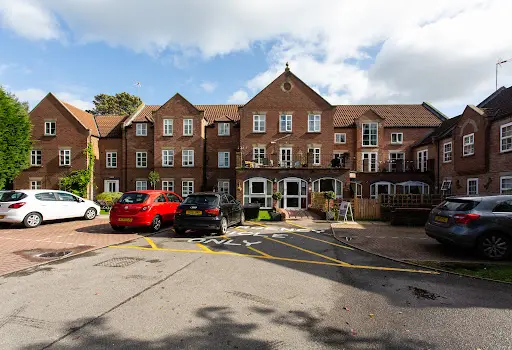
Vida Grange, on Thirkill Drive in Harrogate, was rated Outstanding overall at its inspection in November 2017, with Outstanding ratings in both Effective and Caring. Those two ratings are the most family-relevant in the entire inspection framework. Outstanding in Caring means inspectors found strong, specific evidence of kind, respectful, dignity-focused staff interactions. Outstanding in Effective means the home's training, care planning, and healthcare management were among the best inspectors saw. Safe, Responsive, and Well-led were all rated Good, indicating solid practice across safety, activities, and management without the exceptional detail that would warrant a higher rating. The main limitation here is that the full published report text is not available for this analysis, which means many of the details families rightly want, including specific staffing numbers, night cover arrangements, food quality, agency staff use, and dementia environment features, cannot be verified or described here. The inspection also took place in November 2017, which is now over seven years ago. A lot can change in a care home over that time, including management, staffing, and culture. When you visit, ask to see the most recent internal quality audit, check whether the registered manager named in the 2017 report is still in post, and ask specifically how many permanent staff work on the dementia unit after 8pm.
The three questions to ask when you visitSave this home. Compare it against your shortlist.
Let our analysis show you how Vida Grange – Specialist Dementia Care Home measures up against the other homes you’re considering. Free account.
In Their Own Words
How Vida Grange – Specialist Dementia Care Home describes itself — collected from its own website. DCC has not edited or independently verified the content in this tab.
Where dementia residents rediscover movement and connection
Dedicated nursing home Support in Harrogate
When families describe watching their loved ones walk again after months of decline, you know something special is happening. Vida Grange in Harrogate has built a reputation for helping residents with dementia regain not just physical abilities, but their sense of engagement with life. Families talk about visible improvements within months — residents who'd stopped moving are encouraged back to their feet, those who'd withdrawn start joining in activities again.
Who they care for
Vida Grange provides specialist care for adults over 65, adults under 65, and those living with dementia.
The home's approach to dementia care focuses on maintaining and recovering abilities rather than managing decline. Families report their loved ones regaining physical capabilities and reconnecting with activities, suggesting a philosophy that sees potential for improvement even in advanced stages.
“For families who've watched loved ones struggle in other settings, the progress they see here offers genuine hope.”
DCC does not edit or curate content in this tab. For independently curated information, see The Evidence and DCC Verdict.
The DCC Verdict
Our editorial view, built from the three lenses: what families tell us, what inspectors record, and how the home sits against good dementia-care practice.
DCC Family Score
Vida Grange earned an Outstanding overall rating at its November 2017 inspection, with particular strength in caring and effective practice. The score reflects that rating, while noting the inspection report text available for this analysis is limited, which means several family-priority areas cannot be verified with specific detail.
Homes in Yorkshire & Humberside typically score 68–82.The three-lens summary
What families tell us
The consistency of care catches families' attention here. Staff recognise visiting relatives, remember their names, and share updates without being asked. Whether you're dealing with reception, nursing staff, or management, families describe the same genuine warmth and proactive communication that makes them feel genuinely welcomed and valued.
What inspectors have recorded
The communication structure here helps families feel properly involved. Regular updates come through an app, family meetings happen as standard, and staff actively reach out with observations about residents' progress. Families describe feeling informed about care decisions and genuinely included in their loved ones' journey, which matters enormously during such difficult times.
How it sits against good practice
For families who've watched loved ones struggle in other settings, the progress they see here offers genuine hope.
Worth a visit
Vida Grange, on Thirkill Drive in Harrogate, was rated Outstanding overall at its inspection in November 2017, with Outstanding ratings in both Effective and Caring. Those two ratings are the most family-relevant in the entire inspection framework. Outstanding in Caring means inspectors found strong, specific evidence of kind, respectful, dignity-focused staff interactions. Outstanding in Effective means the home's training, care planning, and healthcare management were among the best inspectors saw. Safe, Responsive, and Well-led were all rated Good, indicating solid practice across safety, activities, and management without the exceptional detail that would warrant a higher rating. The main limitation here is that the full published report text is not available for this analysis, which means many of the details families rightly want, including specific staffing numbers, night cover arrangements, food quality, agency staff use, and dementia environment features, cannot be verified or described here. The inspection also took place in November 2017, which is now over seven years ago. A lot can change in a care home over that time, including management, staffing, and culture. When you visit, ask to see the most recent internal quality audit, check whether the registered manager named in the 2017 report is still in post, and ask specifically how many permanent staff work on the dementia unit after 8pm.
The three questions to ask when you visitSave this home. Compare it against your shortlist.
Let our analysis show you how Vida Grange – Specialist Dementia Care Home measures up against the other homes you’re considering. Free account.
In Their Own Words
How Vida Grange – Specialist Dementia Care Home describes itself — collected from its own website. DCC has not edited or independently verified the content in this tab.
Where dementia residents rediscover movement and connection
Dedicated nursing home Support in Harrogate
When families describe watching their loved ones walk again after months of decline, you know something special is happening. Vida Grange in Harrogate has built a reputation for helping residents with dementia regain not just physical abilities, but their sense of engagement with life. Families talk about visible improvements within months — residents who'd stopped moving are encouraged back to their feet, those who'd withdrawn start joining in activities again.
Who they care for
Vida Grange provides specialist care for adults over 65, adults under 65, and those living with dementia.
The home's approach to dementia care focuses on maintaining and recovering abilities rather than managing decline. Families report their loved ones regaining physical capabilities and reconnecting with activities, suggesting a philosophy that sees potential for improvement even in advanced stages.
Management & ethos
The communication structure here helps families feel properly involved. Regular updates come through an app, family meetings happen as standard, and staff actively reach out with observations about residents' progress. Families describe feeling informed about care decisions and genuinely included in their loved ones' journey, which matters enormously during such difficult times.
The home & environment
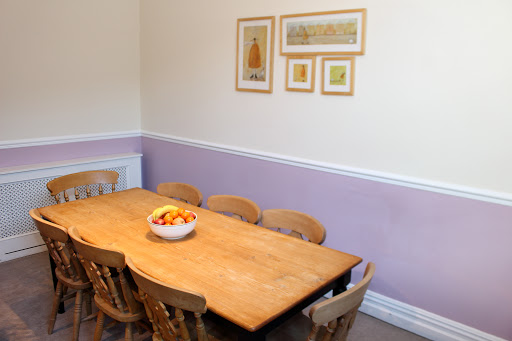
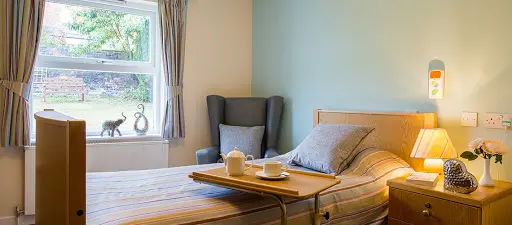
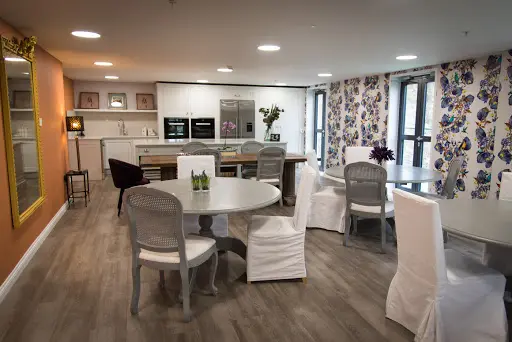
Residents stay engaged through daily activities and entertainment programmes that families say make a real difference. The emphasis on keeping people active shows in how residents are presented too — families consistently mention their loved ones looking smart, clean and well-groomed, with dignity clearly prioritised in daily care.
“For families who've watched loved ones struggle in other settings, the progress they see here offers genuine hope.”
DCC does not edit or curate content in this tab. For independently curated information, see The Evidence and DCC Verdict.