Cedar Lodge Care Home | Forest Care
At a Glance
The information you need to decide whether this home warrants a closer look.
Nursing homes
Staff warmth score
of reviewers answered yes
Good to know
- Registered beds60
- SpecialismsCaring for adults over 65 yrs, Dementia
- Last inspected2018-08-03
Save Cedar Lodge Care Home | Forest Care to your shortlist
Keep a running list, add visit notes, and compare homes side-by-side. Free account — it takes a minute.
STAGE 4 — RESEARCHING CARE HOMES
Visit homes. Compare them side by side. Choose with confidence.
Most of us will view care homes the way we view houses, impression, atmosphere, the feeling in the corridor. We go home, try to remember what we saw, and make a permanent decision from a blurred memory.

The DCC shortlist gives every home you visit a structured record: the same twelve questions, answered the same way, every time. When you’re ready to choose, pull any two homes side by side and compare them directly. Same criteria, same evidence, your notes and your scores.
The Evidence
What the review data, the inspection reports, and the dementia-care evidence base tell us about this home.
What families say
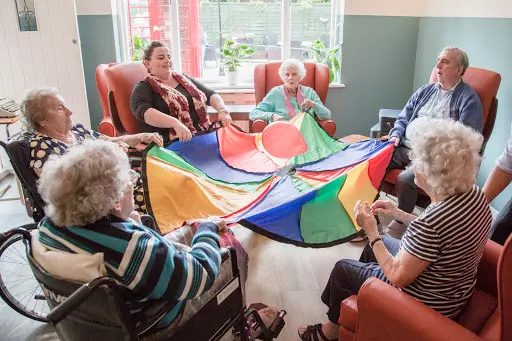
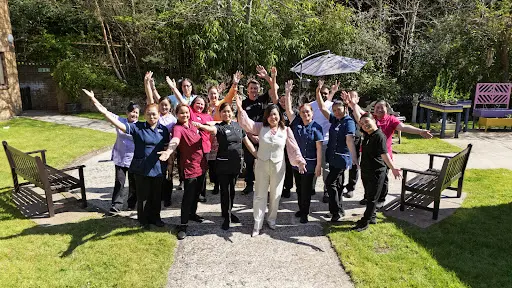
Visitors often mention how staff create a proper community feeling here. There's regular live entertainment, animals coming to visit, and birthday celebrations that bring everyone together. People say the atmosphere helps residents stay engaged and connected.
The eight family priority themes
- Staff warmth72
- Compassion & dignity72
- Cleanliness72
- Activities & engagement65
- Food quality65
- Healthcare70
- Management & leadership75
- Resident happiness70
What inspectors found
Inspected 2018-08-03
Is this home safe?
Is the care effective?
The Effective domain was rated Good at the March 2024 inspection. This domain covers whether the team has the skills and knowledge to meet the needs of people living with dementia, including dementia-specific training, care planning, regular health monitoring, and access to GPs and specialists. No specific detail about training content, care plan quality, or GP visit frequency is available in the published inspection summary.Is this home caring?
The Caring domain was rated Good at the March 2024 inspection. This domain assesses whether staff treat residents with kindness, dignity, and respect, including whether people are addressed by their preferred names, whether personal care is carried out with privacy, and whether residents feel heard. No direct inspector observations, resident testimony, or family quotes are available in the published inspection summary to illustrate what Good looks like in practice at this home.Is the home responsive?
The Responsive domain was rated Good at the March 2024 inspection. This domain covers whether the home responds to individual needs and preferences, including the activity programme, how complaints are handled, and whether end-of-life care is planned in advance. No specific detail about the range of activities, one-to-one engagement for residents who cannot join groups, or complaint handling processes is available in the published inspection summary.Is the home well-led?
The Well-led domain was rated Good at the March 2024 inspection. Mrs Nenita Duldulao Jopson is the registered manager and Mr Mark Vickery is the nominated individual for Forest Care Limited. A registered manager being named and in post is a positive structural indicator. The improvement from Requires Improvement to Good suggests that leadership was able to identify problems and implement changes. No specific detail about how the manager is visible on the floor, how staff raise concerns, or how quality is monitored day to day is available in the published inspection summary.
Source: CQC inspection report →
What the evidence base says
The home specialises in dementia care and supports adults over 65. They have experience with complex conditions including Parkinson's and Lewy Body Dementia. The team here understands how to support residents through different stages of dementia. Families mention feeling confident in the care provided, even during the most challenging phases of conditions like Lewy Body Dementia. All areas worth probing directly during a visit.
The DCC Verdict
Our editorial view, built from the three lenses: what families tell us, what inspectors record, and how the home sits against good dementia-care practice.
DCC Family Score
Cedar Lodge Nursing Home scores 74 out of 100. The home has improved from Requires Improvement to a Good rating across all five inspection domains, which is a meaningful positive step, but the published inspection text does not contain specific observations, quotes, or detailed evidence that would push individual theme scores higher.
Homes in South East typically score 68–82.The three-lens summary
What families tell us
Visitors often mention how staff create a proper community feeling here. There's regular live entertainment, animals coming to visit, and birthday celebrations that bring everyone together. People say the atmosphere helps residents stay engaged and connected.
What inspectors have recorded
What stands out is how staff handle the hardest moments. Families dealing with terminal illnesses report feeling genuinely supported, with staff who answer questions patiently and provide practical help without making you feel like you're bothering them. That emotional investment makes such a difference when you're navigating end-of-life care.
How it sits against good practice
It's worth visiting to get a feel for whether this supportive approach matches what you're looking for.
Worth a visit
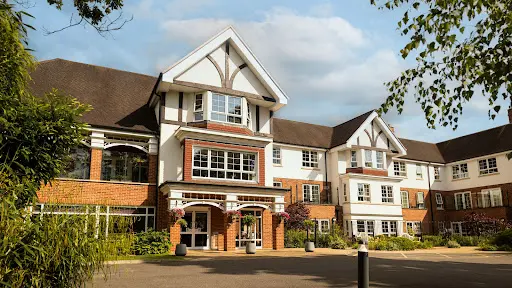
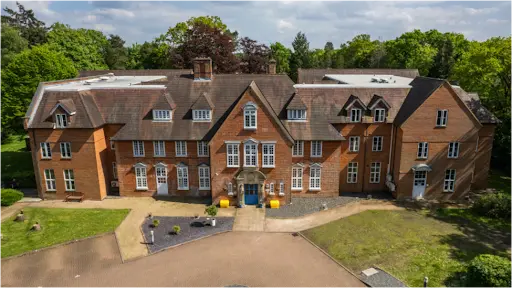
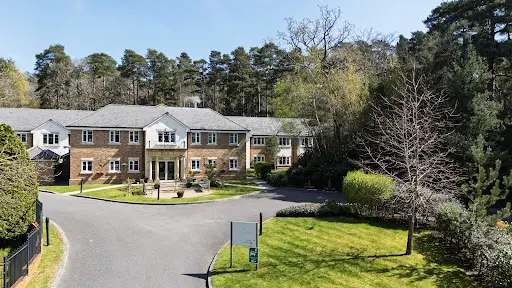
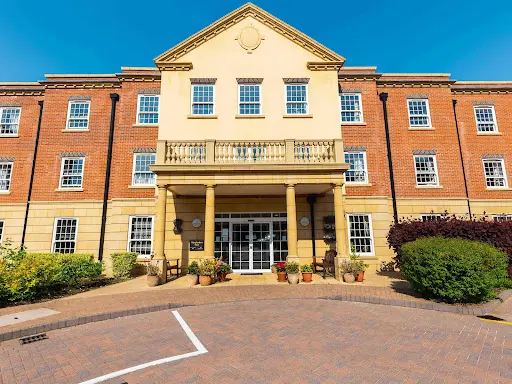
Cedar Lodge Nursing Home, on St Catherine's Road in Camberley, was rated Good across all five inspection domains at its most recent inspection in March 2024. Crucially, this represents an improvement from a previous Requires Improvement rating, which tells you that problems were identified and then addressed. The home is registered for 60 beds and specialises in nursing care, dementia, and care for adults over 65. A named registered manager is in post, which is a positive baseline indicator. The main limitation of this report is that the published inspection summary does not contain the detailed narrative evidence, direct inspector observations, resident quotes, or family testimony that would normally give you a fuller picture. All five domain ratings are confirmed as Good, but the specifics behind those ratings are not available in the text provided to us. Before visiting, prepare a short list of direct questions: how many permanent staff are on the dementia unit after 8pm; how often are care plans reviewed and are families invited to those reviews; and can you see last week's actual staffing rota rather than the template. On your visit, watch how staff move through the building, whether they address residents by name, and whether the pace feels unhurried.
The three questions to ask when you visitSave this home. Compare it against your shortlist.
Let our analysis show you how Cedar Lodge Care Home | Forest Care measures up against the other homes you’re considering. Free account.
In Their Own Words
How Cedar Lodge Care Home | Forest Care describes itself — collected from its own website. DCC has not edited or independently verified the content in this tab.
Where staff genuinely care about every resident's final chapter
Dedicated nursing home Support in Camberley
Some care homes feel different the moment you walk through the door. Cedar Lodge Nursing Home in Camberley has that quality — families describe staff who treat residents with real warmth, not just professional courtesy. It's particularly reassuring for those facing difficult diagnoses.
Who they care for
The home specialises in dementia care and supports adults over 65. They have experience with complex conditions including Parkinson's and Lewy Body Dementia.
The team here understands how to support residents through different stages of dementia. Families mention feeling confident in the care provided, even during the most challenging phases of conditions like Lewy Body Dementia.
“It's worth visiting to get a feel for whether this supportive approach matches what you're looking for.”
DCC does not edit or curate content in this tab. For independently curated information, see The Evidence and DCC Verdict.
The DCC Verdict
Our editorial view, built from the three lenses: what families tell us, what inspectors record, and how the home sits against good dementia-care practice.
DCC Family Score
Cedar Lodge Nursing Home scores 74 out of 100. The home has improved from Requires Improvement to a Good rating across all five inspection domains, which is a meaningful positive step, but the published inspection text does not contain specific observations, quotes, or detailed evidence that would push individual theme scores higher.
Homes in South East typically score 68–82.The three-lens summary
What families tell us
Visitors often mention how staff create a proper community feeling here. There's regular live entertainment, animals coming to visit, and birthday celebrations that bring everyone together. People say the atmosphere helps residents stay engaged and connected.
What inspectors have recorded
What stands out is how staff handle the hardest moments. Families dealing with terminal illnesses report feeling genuinely supported, with staff who answer questions patiently and provide practical help without making you feel like you're bothering them. That emotional investment makes such a difference when you're navigating end-of-life care.
How it sits against good practice
It's worth visiting to get a feel for whether this supportive approach matches what you're looking for.
Worth a visit
Cedar Lodge Nursing Home, on St Catherine's Road in Camberley, was rated Good across all five inspection domains at its most recent inspection in March 2024. Crucially, this represents an improvement from a previous Requires Improvement rating, which tells you that problems were identified and then addressed. The home is registered for 60 beds and specialises in nursing care, dementia, and care for adults over 65. A named registered manager is in post, which is a positive baseline indicator. The main limitation of this report is that the published inspection summary does not contain the detailed narrative evidence, direct inspector observations, resident quotes, or family testimony that would normally give you a fuller picture. All five domain ratings are confirmed as Good, but the specifics behind those ratings are not available in the text provided to us. Before visiting, prepare a short list of direct questions: how many permanent staff are on the dementia unit after 8pm; how often are care plans reviewed and are families invited to those reviews; and can you see last week's actual staffing rota rather than the template. On your visit, watch how staff move through the building, whether they address residents by name, and whether the pace feels unhurried.
The three questions to ask when you visitSave this home. Compare it against your shortlist.
Let our analysis show you how Cedar Lodge Care Home | Forest Care measures up against the other homes you’re considering. Free account.
In Their Own Words
How Cedar Lodge Care Home | Forest Care describes itself — collected from its own website. DCC has not edited or independently verified the content in this tab.
Where staff genuinely care about every resident's final chapter
Dedicated nursing home Support in Camberley
Some care homes feel different the moment you walk through the door. Cedar Lodge Nursing Home in Camberley has that quality — families describe staff who treat residents with real warmth, not just professional courtesy. It's particularly reassuring for those facing difficult diagnoses.
Who they care for
The home specialises in dementia care and supports adults over 65. They have experience with complex conditions including Parkinson's and Lewy Body Dementia.
The team here understands how to support residents through different stages of dementia. Families mention feeling confident in the care provided, even during the most challenging phases of conditions like Lewy Body Dementia.
Management & ethos
What stands out is how staff handle the hardest moments. Families dealing with terminal illnesses report feeling genuinely supported, with staff who answer questions patiently and provide practical help without making you feel like you're bothering them. That emotional investment makes such a difference when you're navigating end-of-life care.
The home & environment
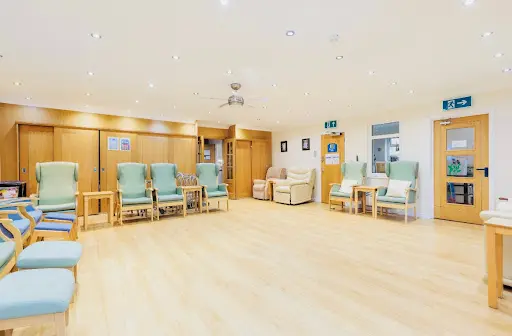
The dining room gets particular praise — families compare it to a hotel restaurant in how it's set up and presented. It's these touches that help maintain dignity and normalcy for residents adjusting to care home life.
“It's worth visiting to get a feel for whether this supportive approach matches what you're looking for.”
DCC does not edit or curate content in this tab. For independently curated information, see The Evidence and DCC Verdict.