Northwick Grange Care Home

At a Glance
The information you need to decide whether this home warrants a closer look.
Residential homes
Staff warmth score
of reviewers answered yes
Good to know
- Registered beds30
- SpecialismsCaring for adults over 65 yrs, Dementia, Physical disabilities
- Last inspected2019-08-02
Save Northwick Grange Care Home to your shortlist
Keep a running list, add visit notes, and compare homes side-by-side. Free account — it takes a minute.
STAGE 4 — RESEARCHING CARE HOMES
Visit homes. Compare them side by side. Choose with confidence.
Most of us will view care homes the way we view houses, impression, atmosphere, the feeling in the corridor. We go home, try to remember what we saw, and make a permanent decision from a blurred memory.

The DCC shortlist gives every home you visit a structured record: the same twelve questions, answered the same way, every time. When you’re ready to choose, pull any two homes side by side and compare them directly. Same criteria, same evidence, your notes and your scores.
The Evidence
What the review data, the inspection reports, and the dementia-care evidence base tell us about this home.
What families say
Families speak positively about the caring approach here. There's a sense that staff genuinely think about what matters to each resident, taking time to understand individual needs and preferences.
The eight family priority themes
- Staff warmth55
- Compassion & dignity55
- Cleanliness55
- Activities & engagement50
- Food quality50
- Healthcare55
- Management & leadership60
- Resident happiness55
What inspectors found
Inspected 2019-08-02
Is this home safe?
Is the care effective?
The Effective domain was rated Good. This domain covers care planning, staff training, healthcare access, nutritional support, and how well the home uses assessments to guide care. The home lists dementia as a specialism, which implies a training and care planning framework oriented toward dementia. However, the published inspection text includes no specific detail about care plan content, GP access arrangements, dementia training programmes, or how food and nutrition are managed for people with specific needs.Is this home caring?
The Caring domain was rated Good. This is the domain that covers staff warmth, dignity, respect, and whether your parent retains as much independence as possible. A Good rating here is meaningful, as it is the domain most directly tied to day-to-day experience. However, the published inspection text contains no specific observations of staff interactions, no quotes from residents or families, and no description of how staff approach people with dementia who may be distressed or non-verbal.Is the home responsive?
The Responsive domain was rated Good. This covers how well the home tailors its care to individual needs, the quality and range of activities, and how it handles complaints and end-of-life care. Dementia is a listed specialism, which suggests some structured approach to engagement and individuality. The published text contains no description of the activities programme, no examples of individual engagement, and no information about how complaints are handled or how end-of-life planning is approached.Is the home well-led?
The Well-led domain was rated Good, and the home has a named registered manager, Mrs Kirsty Louise Brookes, and a named nominated individual, Mr Huw James. The improvement from a previous Requires Improvement rating to Good across all domains suggests the leadership has driven meaningful change. The published text provides no further detail about management culture, staff empowerment, governance systems, or how the home monitors quality on an ongoing basis.
Source: CQC inspection report →
What the evidence base says
The home provides specialist dementia care alongside support for physical disabilities. They're equipped to care for adults over 65 who need varying levels of assistance. For those concerned about dementia care, the home has experience supporting residents through different stages of the condition. Staff training appears to cover the specific approaches needed for dementia support. All areas worth probing directly during a visit.
The DCC Verdict
Our editorial view, built from the three lenses: what families tell us, what inspectors record, and how the home sits against good dementia-care practice.
DCC Family Score
Northwick Grange holds a Good rating across all five inspection domains, which is reassuring, but the published inspection text contains very little specific detail. Scores reflect the Good rating and the improvement from Requires Improvement, tempered by the absence of specific observations, quotes, or evidence to substantiate individual themes.
Homes in West Midlands typically score 68–82.The three-lens summary
What families tell us
Families speak positively about the caring approach here. There's a sense that staff genuinely think about what matters to each resident, taking time to understand individual needs and preferences.
What inspectors have recorded
What stands out is the professionalism of the team. Families note the competence of staff members, including newer recruits who seem well-trained and capable. There's clearly an emphasis on maintaining good standards across the board.
How it sits against good practice
If you're considering Northwick Grange, arranging a visit will help you get a feel for whether their approach matches what you're looking for.
Worth a visit
Northwick Grange, at 19 Old Northwick Lane in Worcester, was rated Good across all five inspection domains at its last full inspection, published in February 2021. The home had previously been rated Requires Improvement, so reaching Good across the board represents a meaningful step forward. A monitoring review in July 2023 found no evidence requiring a reassessment of that rating. The home specialises in dementia care, care for adults over 65, and support for people with physical disabilities, with 30 beds. The main limitation of this report is the one you need to know about: the published inspection text contains almost no specific detail. There are no inspector observations, no resident or family quotes, and no description of day-to-day life. A Good rating is a positive signal, but it tells you little about what living here actually feels like for your parent. Before you decide, visit in person during the afternoon when activities are typically running, ask to see last week's actual staffing rota (not the template), and speak to the registered manager, Mrs Kirsty Louise Brookes, about how she and her team support people specifically with dementia.
The three questions to ask when you visitSave this home. Compare it against your shortlist.
Let our analysis show you how Northwick Grange Care Home measures up against the other homes you’re considering. Free account.
In Their Own Words
How Northwick Grange Care Home describes itself — collected from its own website. DCC has not edited or independently verified the content in this tab.
Where thoughtful care meets professional standards in Worcester
Dedicated residential home Support in Worcester
Choosing the right care home means finding somewhere that combines genuine compassion with solid professional standards. Northwick Grange in Worcester offers residential care for older adults, including those living with dementia or physical disabilities. Set in a quiet part of the city, this home focuses on delivering competent, thoughtful care in well-maintained surroundings.
Who they care for
The home provides specialist dementia care alongside support for physical disabilities. They're equipped to care for adults over 65 who need varying levels of assistance.
For those concerned about dementia care, the home has experience supporting residents through different stages of the condition. Staff training appears to cover the specific approaches needed for dementia support.
“If you're considering Northwick Grange, arranging a visit will help you get a feel for whether their approach matches what you're looking for.”
DCC does not edit or curate content in this tab. For independently curated information, see The Evidence and DCC Verdict.
The DCC Verdict
Our editorial view, built from the three lenses: what families tell us, what inspectors record, and how the home sits against good dementia-care practice.
DCC Family Score
Northwick Grange holds a Good rating across all five inspection domains, which is reassuring, but the published inspection text contains very little specific detail. Scores reflect the Good rating and the improvement from Requires Improvement, tempered by the absence of specific observations, quotes, or evidence to substantiate individual themes.
Homes in West Midlands typically score 68–82.The three-lens summary
What families tell us
Families speak positively about the caring approach here. There's a sense that staff genuinely think about what matters to each resident, taking time to understand individual needs and preferences.
What inspectors have recorded
What stands out is the professionalism of the team. Families note the competence of staff members, including newer recruits who seem well-trained and capable. There's clearly an emphasis on maintaining good standards across the board.
How it sits against good practice
If you're considering Northwick Grange, arranging a visit will help you get a feel for whether their approach matches what you're looking for.
Worth a visit
Northwick Grange, at 19 Old Northwick Lane in Worcester, was rated Good across all five inspection domains at its last full inspection, published in February 2021. The home had previously been rated Requires Improvement, so reaching Good across the board represents a meaningful step forward. A monitoring review in July 2023 found no evidence requiring a reassessment of that rating. The home specialises in dementia care, care for adults over 65, and support for people with physical disabilities, with 30 beds. The main limitation of this report is the one you need to know about: the published inspection text contains almost no specific detail. There are no inspector observations, no resident or family quotes, and no description of day-to-day life. A Good rating is a positive signal, but it tells you little about what living here actually feels like for your parent. Before you decide, visit in person during the afternoon when activities are typically running, ask to see last week's actual staffing rota (not the template), and speak to the registered manager, Mrs Kirsty Louise Brookes, about how she and her team support people specifically with dementia.
The three questions to ask when you visitSave this home. Compare it against your shortlist.
Let our analysis show you how Northwick Grange Care Home measures up against the other homes you’re considering. Free account.
In Their Own Words
How Northwick Grange Care Home describes itself — collected from its own website. DCC has not edited or independently verified the content in this tab.
Where thoughtful care meets professional standards in Worcester
Dedicated residential home Support in Worcester
Choosing the right care home means finding somewhere that combines genuine compassion with solid professional standards. Northwick Grange in Worcester offers residential care for older adults, including those living with dementia or physical disabilities. Set in a quiet part of the city, this home focuses on delivering competent, thoughtful care in well-maintained surroundings.
Who they care for
The home provides specialist dementia care alongside support for physical disabilities. They're equipped to care for adults over 65 who need varying levels of assistance.
For those concerned about dementia care, the home has experience supporting residents through different stages of the condition. Staff training appears to cover the specific approaches needed for dementia support.
Management & ethos
What stands out is the professionalism of the team. Families note the competence of staff members, including newer recruits who seem well-trained and capable. There's clearly an emphasis on maintaining good standards across the board.
The home & environment
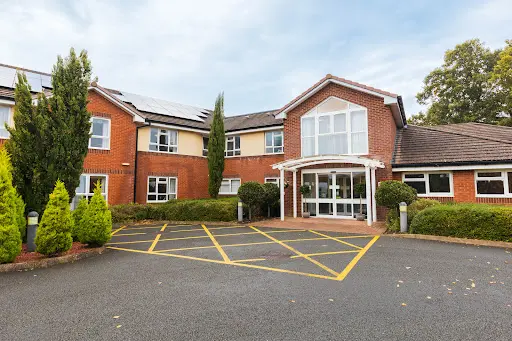
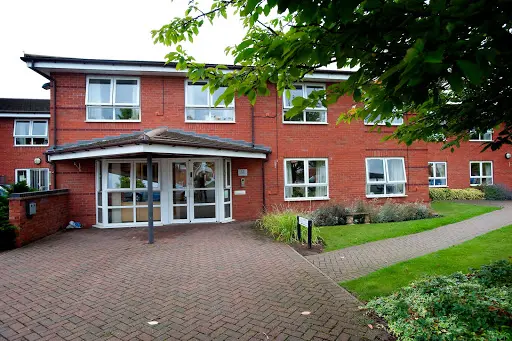
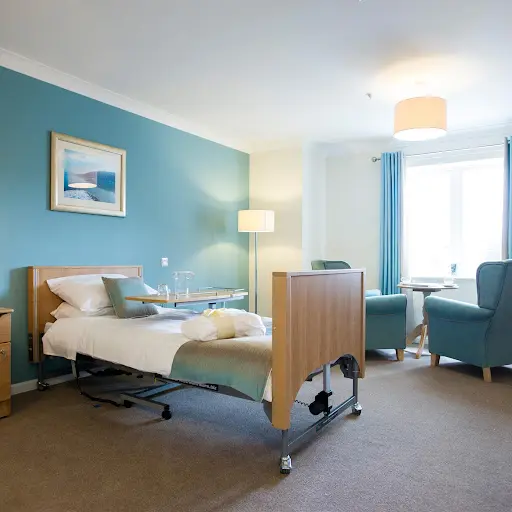
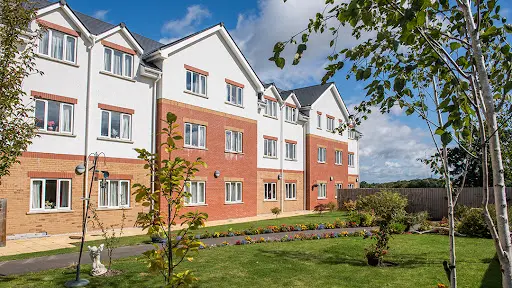
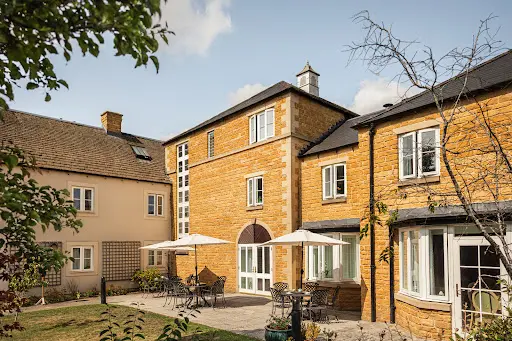
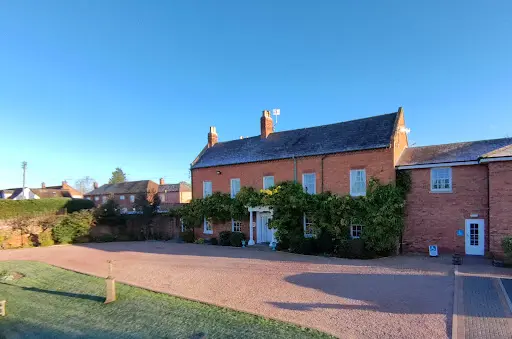
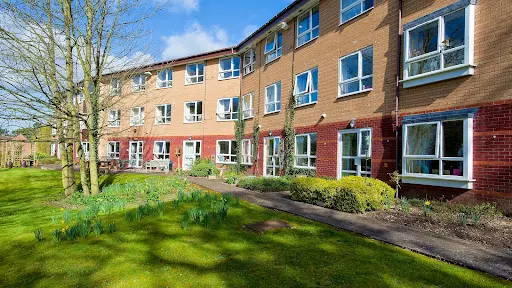
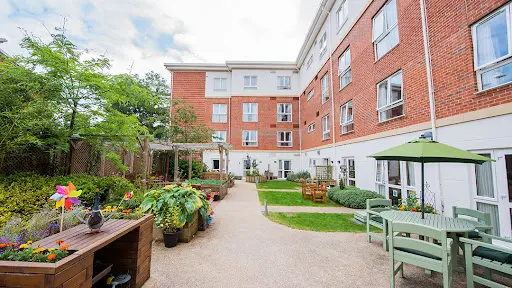
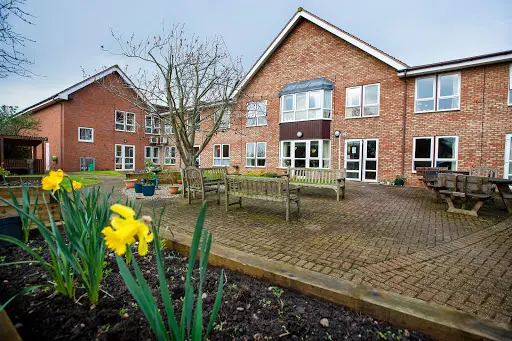
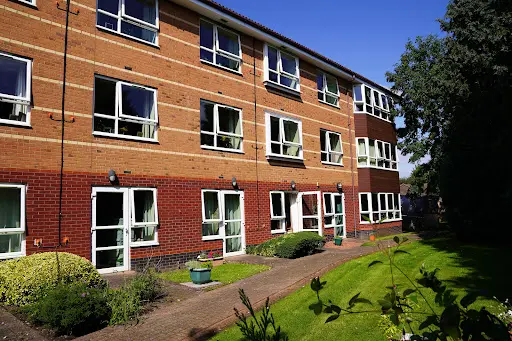
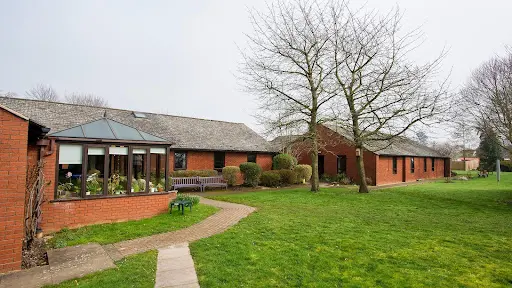
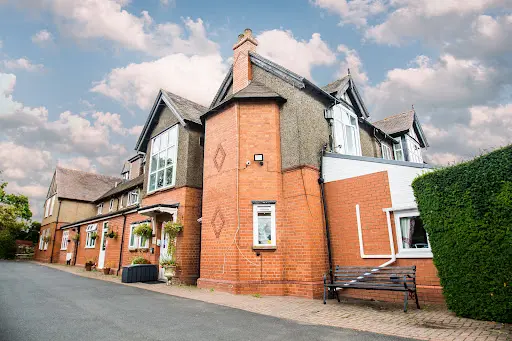
The home sits in a peaceful location, away from the bustle of central Worcester. People consistently mention how well-maintained everything is — the kind of attention to upkeep that suggests pride in the environment residents call home.
“If you're considering Northwick Grange, arranging a visit will help you get a feel for whether their approach matches what you're looking for.”
DCC does not edit or curate content in this tab. For independently curated information, see The Evidence and DCC Verdict.