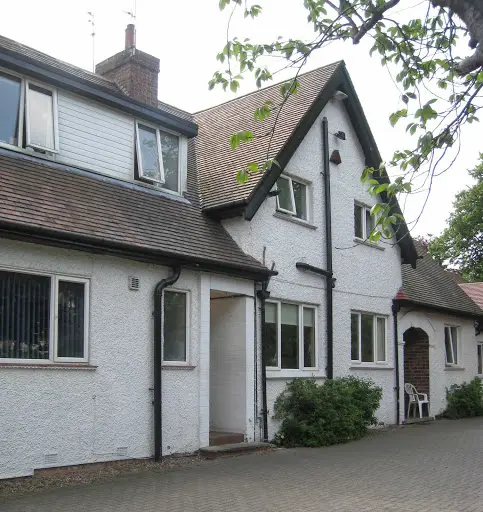
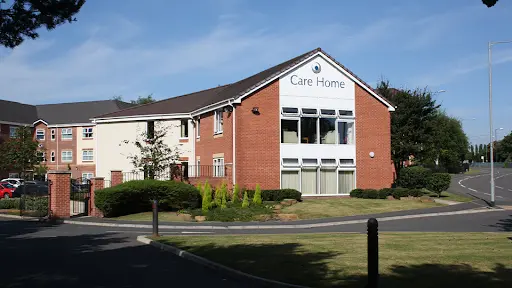
Church Farm Care Home at Cotgrave
At a Glance
The information you need to decide whether this home warrants a closer look.
Nursing homes
Staff warmth score
of reviewers answered yes
Good to know
- Registered beds46
- SpecialismsCaring for adults over 65 yrs, Caring for adults under 65 yrs, Dementia
- Last inspected2019-07-20
Save Church Farm Care Home at Cotgrave to your shortlist
Keep a running list, add visit notes, and compare homes side-by-side. Free account — it takes a minute.
STAGE 4 — RESEARCHING CARE HOMES
Visit homes. Compare them side by side. Choose with confidence.
Most of us will view care homes the way we view houses, impression, atmosphere, the feeling in the corridor. We go home, try to remember what we saw, and make a permanent decision from a blurred memory.

The DCC shortlist gives every home you visit a structured record: the same twelve questions, answered the same way, every time. When you’re ready to choose, pull any two homes side by side and compare them directly. Same criteria, same evidence, your notes and your scores.
The Evidence
What the review data, the inspection reports, and the dementia-care evidence base tell us about this home.
What families say
Families describe a care team that takes time to understand each resident as a complete person. The staff's patience and kindness come through in everyday interactions, helping people feel valued rather than managed.
The eight family priority themes
- Staff warmth52
- Compassion & dignity52
- Cleanliness52
- Activities & engagement50
- Food quality50
- Healthcare52
- Management & leadership55
- Resident happiness52
What inspectors found
Inspected 2019-07-20
Is this home safe?
Is the care effective?
The home was rated Good for effectiveness at its May 2019 inspection. The report does not include specific observations about care planning, dementia training, GP access, medicines administration, or food quality. The home's registration includes dementia as a specialism and nursing care as a regulated activity, which requires qualified nurses to oversee clinical practice. No concerns about effectiveness were identified in the July 2023 monitoring review.Is this home caring?
The home was rated Good for caring at its May 2019 inspection. The published report includes no direct quotes from residents or relatives and no specific observations of staff interactions. Dignity, respect, and warmth are not described with concrete examples in the available text. The Good rating indicates inspectors did not find concerns in this domain, but the absence of detail means the published evidence is limited.Is the home responsive?
The home was rated Good for responsiveness at its May 2019 inspection. The published report does not describe the activity programme, individual engagement, or how the home supports people who cannot participate in group activities. End-of-life care planning and complaint handling are not described with specific examples. The Good rating indicates no concerns were identified, but the lack of detail limits what can be confirmed.Is the home well-led?
The home was rated Good for well-led at its May 2019 inspection. A named registered manager (Miss Margaret Anne Griffiths) and a nominated individual (Mr Patrick Atkinson) are recorded. The July 2023 monitoring review found no evidence requiring reassessment, suggesting no significant governance concerns had been raised in the interim. The published report does not include detail on management visibility, staff culture, or how the home handles complaints and learning from incidents.
Source: CQC inspection report →
What the evidence base says
Church Farm provides nursing care for adults under 65, those over 65, and people living with dementia. The home's approach suits those who need skilled nursing support within a patient, understanding environment. For residents with dementia, the secure gardens and familiar spaces help create a sense of safety and continuity. The team's patient approach particularly benefits those who need extra time and understanding. All areas worth probing directly during a visit.
The DCC Verdict
Our editorial view, built from the three lenses: what families tell us, what inspectors record, and how the home sits against good dementia-care practice.
DCC Family Score
Church Farm Nursing Home holds a Good rating across all five inspection domains, but the published report contains very little specific detail: no direct observations, no resident or family quotes, and no concrete examples of practice. The score reflects a genuine Good rating with the caveat that the evidence base is thin.
Homes in East Midlands typically score 68–82.The three-lens summary
What families tell us
Families describe a care team that takes time to understand each resident as a complete person. The staff's patience and kindness come through in everyday interactions, helping people feel valued rather than managed.
What inspectors have recorded
The care approach here emphasises dignity and respect in every interaction. Staff work to maintain residents' sense of purpose through meaningful daily activities that go beyond basic care routines.
How it sits against good practice
If you'd like to see how Church Farm's approach might suit your family member, arranging a visit could help you get a feel for the atmosphere here.
Worth a visit
Church Farm Nursing Home, on Church Lane in Nottingham, was rated Good across all five inspection domains at its last inspection in May 2019. The rating was reviewed in July 2023 and the Good judgement was maintained without reassessment. The home is registered to provide nursing care for up to 46 people, including adults living with dementia, and has a named registered manager and nominated individual in post. The honest limitation here is that the published inspection report contains very little specific detail. There are no recorded observations of staff interactions, no quotes from residents or families, and no concrete examples of how care is delivered day to day. A Good rating matters, but it is now several years old and the lack of published detail means you cannot rely on it alone. Before making a decision, visit in person, ask to see staffing rotas, activity records, and care plan examples, and speak directly to the manager about how the home supports people with dementia.
The three questions to ask when you visitSave this home. Compare it against your shortlist.
Let our analysis show you how Church Farm Care Home at Cotgrave measures up against the other homes you’re considering. Free account.
In Their Own Words
How Church Farm Care Home at Cotgrave describes itself — collected from its own website. DCC has not edited or independently verified the content in this tab.
Where patience and kindness shape each day
Church Farm Nursing Home – Expert Care in Nottingham
When someone you love needs nursing care, you want them somewhere that sees beyond their condition. Church Farm Nursing Home in Nottingham brings a gentle, patient approach to caring for adults of all ages. The team here focuses on knowing each person as an individual, creating days filled with purpose and respect.
Who they care for
Church Farm provides nursing care for adults under 65, those over 65, and people living with dementia. The home's approach suits those who need skilled nursing support within a patient, understanding environment.
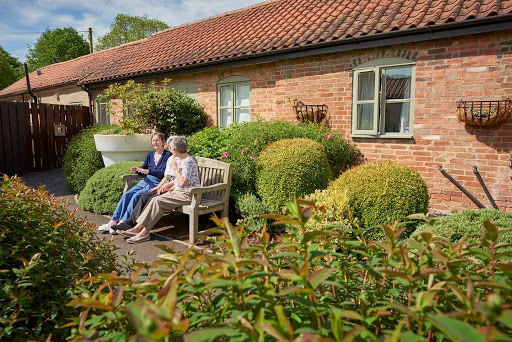
For residents with dementia, the secure gardens and familiar spaces help create a sense of safety and continuity. The team's patient approach particularly benefits those who need extra time and understanding.
“If you'd like to see how Church Farm's approach might suit your family member, arranging a visit could help you get a feel for the atmosphere here.”
DCC does not edit or curate content in this tab. For independently curated information, see The Evidence and DCC Verdict.
The DCC Verdict
Our editorial view, built from the three lenses: what families tell us, what inspectors record, and how the home sits against good dementia-care practice.
DCC Family Score
Church Farm Nursing Home holds a Good rating across all five inspection domains, but the published report contains very little specific detail: no direct observations, no resident or family quotes, and no concrete examples of practice. The score reflects a genuine Good rating with the caveat that the evidence base is thin.
Homes in East Midlands typically score 68–82.The three-lens summary
What families tell us
Families describe a care team that takes time to understand each resident as a complete person. The staff's patience and kindness come through in everyday interactions, helping people feel valued rather than managed.
What inspectors have recorded
The care approach here emphasises dignity and respect in every interaction. Staff work to maintain residents' sense of purpose through meaningful daily activities that go beyond basic care routines.
How it sits against good practice
If you'd like to see how Church Farm's approach might suit your family member, arranging a visit could help you get a feel for the atmosphere here.
Worth a visit
Church Farm Nursing Home, on Church Lane in Nottingham, was rated Good across all five inspection domains at its last inspection in May 2019. The rating was reviewed in July 2023 and the Good judgement was maintained without reassessment. The home is registered to provide nursing care for up to 46 people, including adults living with dementia, and has a named registered manager and nominated individual in post. The honest limitation here is that the published inspection report contains very little specific detail. There are no recorded observations of staff interactions, no quotes from residents or families, and no concrete examples of how care is delivered day to day. A Good rating matters, but it is now several years old and the lack of published detail means you cannot rely on it alone. Before making a decision, visit in person, ask to see staffing rotas, activity records, and care plan examples, and speak directly to the manager about how the home supports people with dementia.
The three questions to ask when you visitSave this home. Compare it against your shortlist.
Let our analysis show you how Church Farm Care Home at Cotgrave measures up against the other homes you’re considering. Free account.
In Their Own Words
How Church Farm Care Home at Cotgrave describes itself — collected from its own website. DCC has not edited or independently verified the content in this tab.
Where patience and kindness shape each day
Church Farm Nursing Home – Expert Care in Nottingham
When someone you love needs nursing care, you want them somewhere that sees beyond their condition. Church Farm Nursing Home in Nottingham brings a gentle, patient approach to caring for adults of all ages. The team here focuses on knowing each person as an individual, creating days filled with purpose and respect.
Who they care for
Church Farm provides nursing care for adults under 65, those over 65, and people living with dementia. The home's approach suits those who need skilled nursing support within a patient, understanding environment.
For residents with dementia, the secure gardens and familiar spaces help create a sense of safety and continuity. The team's patient approach particularly benefits those who need extra time and understanding.
Management & ethos
The care approach here emphasises dignity and respect in every interaction. Staff work to maintain residents' sense of purpose through meaningful daily activities that go beyond basic care routines.
The home & environment
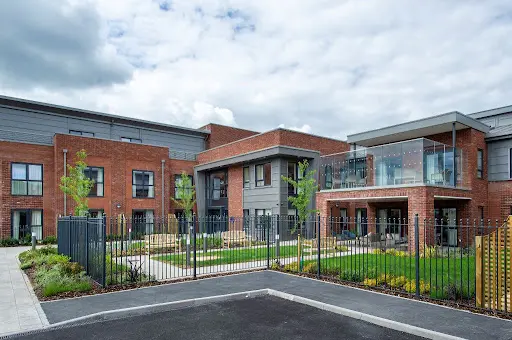
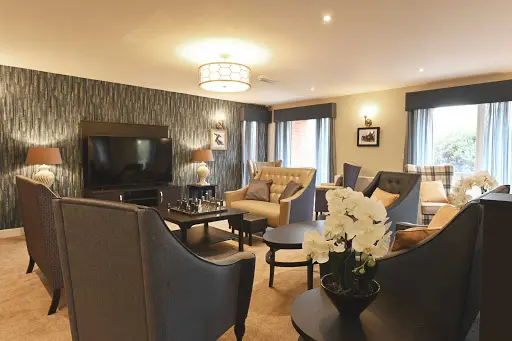
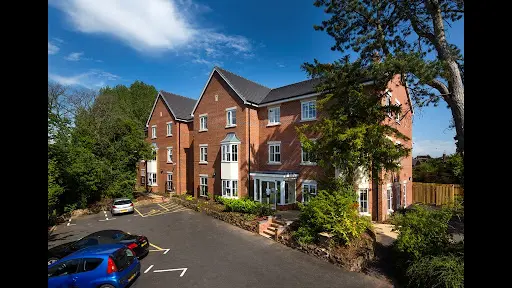
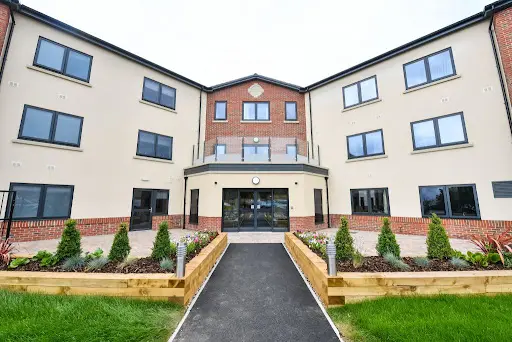
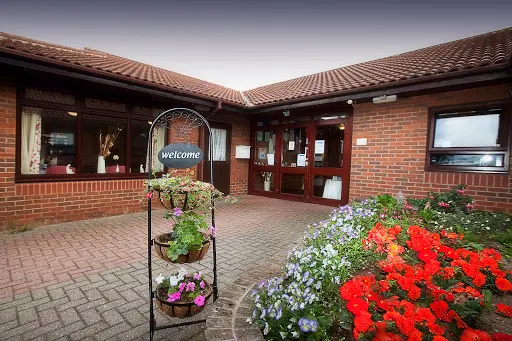
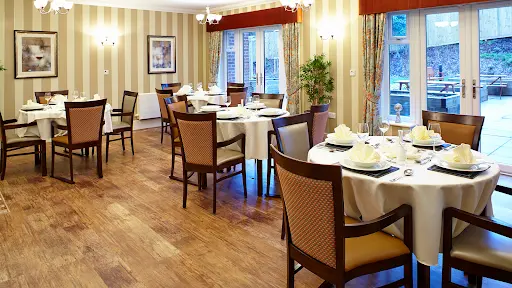
The home features enclosed gardens that give residents safe outdoor space to enjoy. Indoor areas are designed to feel familiar and comfortable, helping people settle into their new surroundings.
“If you'd like to see how Church Farm's approach might suit your family member, arranging a visit could help you get a feel for the atmosphere here.”
DCC does not edit or curate content in this tab. For independently curated information, see The Evidence and DCC Verdict.