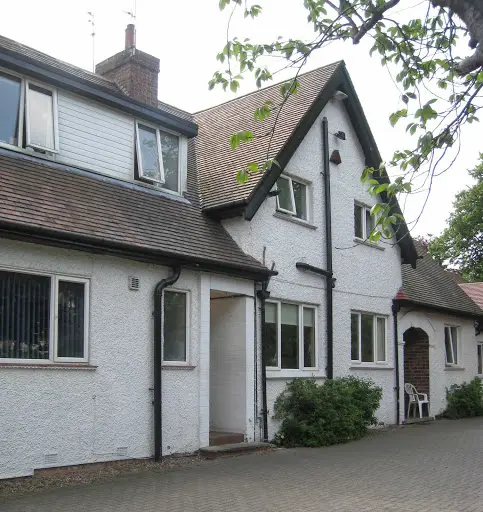
Rivendell view care home
At a Glance
The information you need to decide whether this home warrants a closer look.
Residential homes
Staff warmth score
of reviewers answered yes
Good to know
- Registered beds66
- SpecialismsCaring for adults over 65 yrs, Caring for adults under 65 yrs, Dementia, Mental health conditions, Sensory impairment
- Last inspected2022-12-15
Save Rivendell view care home to your shortlist
Keep a running list, add visit notes, and compare homes side-by-side. Free account — it takes a minute.
STAGE 4 — RESEARCHING CARE HOMES
Visit homes. Compare them side by side. Choose with confidence.
Most of us will view care homes the way we view houses, impression, atmosphere, the feeling in the corridor. We go home, try to remember what we saw, and make a permanent decision from a blurred memory.

The DCC shortlist gives every home you visit a structured record: the same twelve questions, answered the same way, every time. When you’re ready to choose, pull any two homes side by side and compare them directly. Same criteria, same evidence, your notes and your scores.
The Evidence
What the review data, the inspection reports, and the dementia-care evidence base tell us about this home.
What families say
Families talk about feeling heard during those crucial early days, with staff showing genuine patience as everyone finds their feet. New residents discover friendly faces among those already living here, creating natural connections that help people settle in.
The eight family priority themes
- Staff warmth55
- Compassion & dignity55
- Cleanliness55
- Activities & engagement50
- Food quality50
- Healthcare55
- Management & leadership60
- Resident happiness55
What inspectors found
Inspected 2022-12-15
Is this home safe?
Is the care effective?
The Effective domain was rated Good at the October 2022 inspection. This domain covers care planning, training, healthcare access, nutrition, and how well the home understands and responds to individual needs. Dementia is a listed specialism, which implies staff have relevant training, but the published report does not describe the training content or how up to date it is. No information about GP access, medication reviews, or care plan frequency is included in the available text.Is this home caring?
The Caring domain was rated Good at the October 2022 inspection. This domain covers how staff treat residents, whether dignity and privacy are respected, and whether people are supported to remain as independent as possible. Staff warmth and compassion are the two highest-weighted themes in our family review data. The published report contains no direct observations of staff interactions, no quotes from residents or relatives, and no specific examples of how dignity or privacy is maintained in practice.Is the home responsive?
The Responsive domain was rated Good at the October 2022 inspection. This domain covers activities, individual engagement, complaint handling, and end-of-life care. The home lists dementia and sensory impairment as specialisms, which implies tailored approaches should be in place. However, the published report contains no description of the activities programme, no examples of individual engagement for people who cannot join group sessions, and no information about how complaints are handled or how end-of-life preferences are recorded.Is the home well-led?
The Well-Led domain was rated Good at the October 2022 inspection. The home has a named registered manager, Miss Cara Holly Stockill, and a nominated individual, Ms Anna Gretchen Selby, both recorded with the regulator. This gives a clear formal leadership structure. The rating was reviewed in July 2023 with no change. The published report does not include information about the manager's tenure, staff culture, how governance meetings are run, or how the home responds to complaints and incidents.
Source: CQC inspection report →
What the evidence base says
The home supports people with dementia, mental health conditions and sensory impairments. They care for adults both under and over 65. For those living with dementia, the patient approach during transitions and focus on building familiar routines helps create stability. The mix of structured activities and garden time offers different ways to stay engaged. All areas worth probing directly during a visit.
The DCC Verdict
Our editorial view, built from the three lenses: what families tell us, what inspectors record, and how the home sits against good dementia-care practice.
DCC Family Score
Rivendell View was rated Good across all five inspection domains, which is a positive baseline. However, the published inspection report contains very limited specific evidence, so most scores reflect a general Good rating rather than detailed, observed examples.
Homes in East Midlands typically score 68–82.The three-lens summary
What families tell us
Families talk about feeling heard during those crucial early days, with staff showing genuine patience as everyone finds their feet. New residents discover friendly faces among those already living here, creating natural connections that help people settle in.
What inspectors have recorded
Staff here come across as approachable and responsive, keeping communication flowing about how residents are doing. Families mention feeling they can raise anything that matters, with the team taking time to talk through changes as needs evolve.
How it sits against good practice
After eighteen months, one family still feels confident they made the right choice — that's the kind of reassurance that matters.
Worth a visit
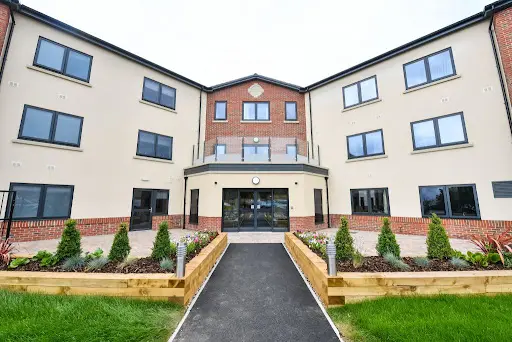
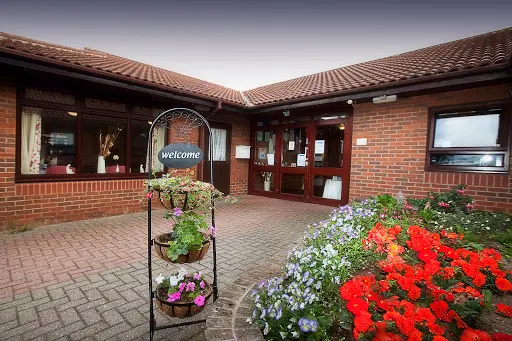
Rivendell View, on Magenta Way in Nottingham, was rated Good across all five domains at its inspection in October 2022, with that rating confirmed as still current following a monitoring review in July 2023. The home is run by Ideal Carehomes Limited and has a registered manager and a nominated individual in post, which gives a clear leadership structure. It supports people over and under 65 with dementia, mental health conditions, and sensory impairment across 66 beds. A Good rating across every domain is a positive sign and puts this home in the better-performing half of care homes nationally. The limitation here is practical: the published report text contains very little specific detail. There are no inspector observations about what staff interactions looked like, no quotes from residents or families, and no description of the environment, food, activities, or night staffing. A Good rating tells you the bar was met, but it does not tell you what the home feels like day to day. On a visit, pay close attention to how staff interact with your parent in the corridor, whether the home smells clean, whether residents appear settled and occupied, and ask the manager directly about night staffing ratios, agency staff use, and how families are kept informed.
The three questions to ask when you visitSave this home. Compare it against your shortlist.
Let our analysis show you how Rivendell view care home measures up against the other homes you’re considering. Free account.
In Their Own Words
How Rivendell view care home describes itself — collected from its own website. DCC has not edited or independently verified the content in this tab.
Where thoughtful transitions become settled contentment
Residential home in Nottingham: True Peace of Mind
Starting somewhere new can feel overwhelming, but families describe how Rivendell View in Nottingham creates space for adjustment without pressure. The team here seems to understand that moving day is just the beginning of building trust, taking time to listen and learn what each person needs.
Who they care for
The home supports people with dementia, mental health conditions and sensory impairments. They care for adults both under and over 65.
For those living with dementia, the patient approach during transitions and focus on building familiar routines helps create stability. The mix of structured activities and garden time offers different ways to stay engaged.
“After eighteen months, one family still feels confident they made the right choice — that's the kind of reassurance that matters.”
DCC does not edit or curate content in this tab. For independently curated information, see The Evidence and DCC Verdict.
The DCC Verdict
Our editorial view, built from the three lenses: what families tell us, what inspectors record, and how the home sits against good dementia-care practice.
DCC Family Score
Rivendell View was rated Good across all five inspection domains, which is a positive baseline. However, the published inspection report contains very limited specific evidence, so most scores reflect a general Good rating rather than detailed, observed examples.
Homes in East Midlands typically score 68–82.The three-lens summary
What families tell us
Families talk about feeling heard during those crucial early days, with staff showing genuine patience as everyone finds their feet. New residents discover friendly faces among those already living here, creating natural connections that help people settle in.
What inspectors have recorded
Staff here come across as approachable and responsive, keeping communication flowing about how residents are doing. Families mention feeling they can raise anything that matters, with the team taking time to talk through changes as needs evolve.
How it sits against good practice
After eighteen months, one family still feels confident they made the right choice — that's the kind of reassurance that matters.
Worth a visit
Rivendell View, on Magenta Way in Nottingham, was rated Good across all five domains at its inspection in October 2022, with that rating confirmed as still current following a monitoring review in July 2023. The home is run by Ideal Carehomes Limited and has a registered manager and a nominated individual in post, which gives a clear leadership structure. It supports people over and under 65 with dementia, mental health conditions, and sensory impairment across 66 beds. A Good rating across every domain is a positive sign and puts this home in the better-performing half of care homes nationally. The limitation here is practical: the published report text contains very little specific detail. There are no inspector observations about what staff interactions looked like, no quotes from residents or families, and no description of the environment, food, activities, or night staffing. A Good rating tells you the bar was met, but it does not tell you what the home feels like day to day. On a visit, pay close attention to how staff interact with your parent in the corridor, whether the home smells clean, whether residents appear settled and occupied, and ask the manager directly about night staffing ratios, agency staff use, and how families are kept informed.
The three questions to ask when you visitSave this home. Compare it against your shortlist.
Let our analysis show you how Rivendell view care home measures up against the other homes you’re considering. Free account.
In Their Own Words
How Rivendell view care home describes itself — collected from its own website. DCC has not edited or independently verified the content in this tab.
Where thoughtful transitions become settled contentment
Residential home in Nottingham: True Peace of Mind
Starting somewhere new can feel overwhelming, but families describe how Rivendell View in Nottingham creates space for adjustment without pressure. The team here seems to understand that moving day is just the beginning of building trust, taking time to listen and learn what each person needs.
Who they care for
The home supports people with dementia, mental health conditions and sensory impairments. They care for adults both under and over 65.
For those living with dementia, the patient approach during transitions and focus on building familiar routines helps create stability. The mix of structured activities and garden time offers different ways to stay engaged.
Management & ethos
Staff here come across as approachable and responsive, keeping communication flowing about how residents are doing. Families mention feeling they can raise anything that matters, with the team taking time to talk through changes as needs evolve.
The home & environment
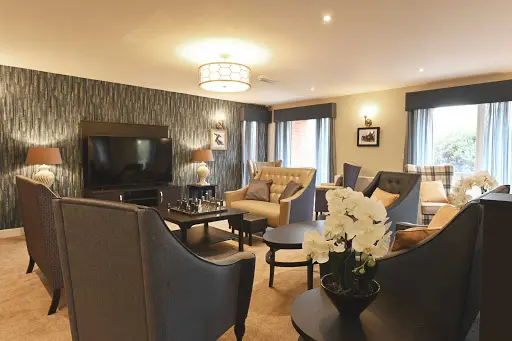
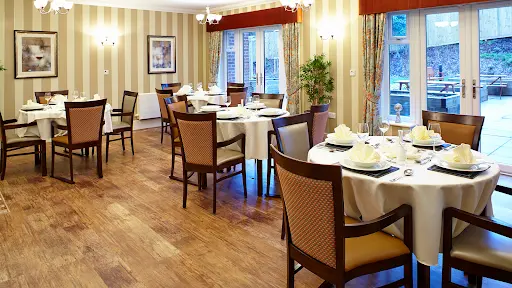
The rooms get particular praise from families, along with gardens that residents help tend and enjoy. There's a programme of trips out and activities that keeps days varied, with residents taking part in welcoming newcomers too.
“After eighteen months, one family still feels confident they made the right choice — that's the kind of reassurance that matters.”
DCC does not edit or curate content in this tab. For independently curated information, see The Evidence and DCC Verdict.