The Willows Nursing and Residential Home

At a Glance
The information you need to decide whether this home warrants a closer look.
Nursing homes
Staff warmth score
of reviewers answered yes
Good to know
- Registered beds57
- SpecialismsCaring for adults over 65 yrs, Caring for adults under 65 yrs, Dementia, Mental health conditions, Physical disabilities, Sensory impairment
- Last inspected2023-04-07
Save The Willows Nursing and Residential Home to your shortlist
Keep a running list, add visit notes, and compare homes side-by-side. Free account — it takes a minute.
STAGE 4 — RESEARCHING CARE HOMES
Visit homes. Compare them side by side. Choose with confidence.
Most of us will view care homes the way we view houses, impression, atmosphere, the feeling in the corridor. We go home, try to remember what we saw, and make a permanent decision from a blurred memory.

The DCC shortlist gives every home you visit a structured record: the same twelve questions, answered the same way, every time. When you’re ready to choose, pull any two homes side by side and compare them directly. Same criteria, same evidence, your notes and your scores.
The Evidence
What the review data, the inspection reports, and the dementia-care evidence base tell us about this home.
What families say
Families describe a place that feels homely without trying too hard — clean, comfortable, and focused on what matters. There's a warmth in how staff approach each resident, organising celebrations when appropriate and staying attentive to changing needs.
The eight family priority themes
- Staff warmth72
- Compassion & dignity74
- Cleanliness68
- Activities & engagement62
- Food quality55
- Healthcare48
- Management & leadership72
- Resident happiness68
What inspectors found
Inspected 2023-04-07
Is this home safe?
Is the care effective?
The Effective domain is rated Requires Improvement. This is the one area where inspectors found the home falling short of the Good standard. Effective covers how well staff are trained, how care plans are written and reviewed, how healthcare professionals are accessed, and whether people's nutritional needs are met. The published inspection text does not specify which elements within Effective were found to be insufficient, making it difficult to assess the precise gap without speaking to the home directly.Is this home caring?
The Caring domain is rated Good. Inspectors found sufficient evidence that staff treat the people who live here with respect and dignity. This domain covers staff warmth, whether people are addressed by their preferred names, whether privacy is respected, and whether people's independence is encouraged rather than managed away. The published text does not include specific observations or resident quotes, so the detail behind the rating is not visible in the published report.Is the home responsive?
The Responsive domain is rated Good. This covers whether the home tailors its care and activities to individual needs, whether complaints are handled properly, and whether end-of-life planning is in place. The home lists dementia, mental health conditions, physical disabilities, and sensory impairment as specialisms, suggesting a diverse resident group whose individual needs vary significantly. The published text does not describe specific activities, one-to-one engagement programmes, or how the home responds to changing individual needs over time.Is the home well-led?
The Well-led domain is rated Good. The registered manager is Mrs Jacqueline Riddett, and the home is run by Mr and Mrs J F Cooper and Mrs J M Riddett. A Good Well-led rating indicates that inspectors found evidence of effective governance, a positive culture, and systems that allow the home to identify and act on problems. The home has improved from a previous Requires Improvement rating overall, which suggests leadership has driven meaningful change. The published text does not detail manager tenure, staff turnover, or how the home involves families in quality monitoring.
Source: CQC inspection report →
What the evidence base says
The Willows supports people with dementia, mental health conditions, physical disabilities and sensory impairments. They care for adults both under and over 65. The team has shown particular competence with residents managing both Alzheimer's and mobility challenges. Their approach contrasts sharply with less specialised settings, bringing both knowledge and patience to complex situations. All areas worth probing directly during a visit.
The DCC Verdict
Our editorial view, built from the three lenses: what families tell us, what inspectors record, and how the home sits against good dementia-care practice.
DCC Family Score
The Willows scores 71 out of 100, reflecting genuine strengths in care, kindness, and leadership, but held back by a Requires Improvement rating in the Effective domain, which covers training, care planning, and healthcare. That gap matters most if your parent has dementia or complex health needs.
Homes in East Midlands typically score 68–82.The three-lens summary
What families tell us
Families describe a place that feels homely without trying too hard — clean, comfortable, and focused on what matters. There's a warmth in how staff approach each resident, organising celebrations when appropriate and staying attentive to changing needs.
What inspectors have recorded
Staff here bring both professional skill and emotional intelligence to their work. They've shown particular strength in supporting families through end-of-life care, managing the medical needs while staying attuned to the emotional weight of these moments. Their approach to dementia care has stood out to families who've experienced less thoughtful settings elsewhere.
How it sits against good practice
For families navigating these profound transitions, The Willows offers something valuable — professional care delivered with authentic humanity.
Worth a visit
The Willows Nursing and Residential Home in Market Harborough was rated Good overall at its inspection in March 2023, having improved from a previous Requires Improvement rating. Inspectors found sufficient evidence to award Good across Safe, Caring, Responsive, and Well-led domains, suggesting a home where staff treat people with respect, safety systems are functioning, and the registered manager is providing effective oversight. The important caveat is that the Effective domain remains rated Requires Improvement. This domain covers how well staff are trained, how thoroughly care plans reflect your parent's individual needs, and how consistently healthcare is accessed and recorded. The published inspection text is limited, so a number of key questions, including night staffing numbers, dementia training content, agency staff reliance, and care plan review frequency, cannot be answered from the report alone. Visit in person at different times of day, ask to see a sample care plan, and ask the manager specifically what improvements were made in response to the Effective rating before making a decision.
The three questions to ask when you visitSave this home. Compare it against your shortlist.
Let our analysis show you how The Willows Nursing and Residential Home measures up against the other homes you’re considering. Free account.
In Their Own Words
How The Willows Nursing and Residential Home describes itself — collected from its own website. DCC has not edited or independently verified the content in this tab.
Where difficult days are met with genuine compassion and skill
Nursing home in Market Harborough: True Peace of Mind
When families face the hardest moments of dementia or end-of-life care, they need somewhere that combines professional competence with real warmth. The Willows Nursing and Residential Home in Market Harborough has built its reputation on exactly this balance. Here, the focus stays firmly on dignity and comfort, whether supporting someone through their final weeks or helping them navigate the challenges of dementia.
Who they care for
The Willows supports people with dementia, mental health conditions, physical disabilities and sensory impairments. They care for adults both under and over 65.
The team has shown particular competence with residents managing both Alzheimer's and mobility challenges. Their approach contrasts sharply with less specialised settings, bringing both knowledge and patience to complex situations.
“For families navigating these profound transitions, The Willows offers something valuable — professional care delivered with authentic humanity.”
DCC does not edit or curate content in this tab. For independently curated information, see The Evidence and DCC Verdict.
The DCC Verdict
Our editorial view, built from the three lenses: what families tell us, what inspectors record, and how the home sits against good dementia-care practice.
DCC Family Score
The Willows scores 71 out of 100, reflecting genuine strengths in care, kindness, and leadership, but held back by a Requires Improvement rating in the Effective domain, which covers training, care planning, and healthcare. That gap matters most if your parent has dementia or complex health needs.
Homes in East Midlands typically score 68–82.The three-lens summary
What families tell us
Families describe a place that feels homely without trying too hard — clean, comfortable, and focused on what matters. There's a warmth in how staff approach each resident, organising celebrations when appropriate and staying attentive to changing needs.
What inspectors have recorded
Staff here bring both professional skill and emotional intelligence to their work. They've shown particular strength in supporting families through end-of-life care, managing the medical needs while staying attuned to the emotional weight of these moments. Their approach to dementia care has stood out to families who've experienced less thoughtful settings elsewhere.
How it sits against good practice
For families navigating these profound transitions, The Willows offers something valuable — professional care delivered with authentic humanity.
Worth a visit
The Willows Nursing and Residential Home in Market Harborough was rated Good overall at its inspection in March 2023, having improved from a previous Requires Improvement rating. Inspectors found sufficient evidence to award Good across Safe, Caring, Responsive, and Well-led domains, suggesting a home where staff treat people with respect, safety systems are functioning, and the registered manager is providing effective oversight. The important caveat is that the Effective domain remains rated Requires Improvement. This domain covers how well staff are trained, how thoroughly care plans reflect your parent's individual needs, and how consistently healthcare is accessed and recorded. The published inspection text is limited, so a number of key questions, including night staffing numbers, dementia training content, agency staff reliance, and care plan review frequency, cannot be answered from the report alone. Visit in person at different times of day, ask to see a sample care plan, and ask the manager specifically what improvements were made in response to the Effective rating before making a decision.
The three questions to ask when you visitSave this home. Compare it against your shortlist.
Let our analysis show you how The Willows Nursing and Residential Home measures up against the other homes you’re considering. Free account.
In Their Own Words
How The Willows Nursing and Residential Home describes itself — collected from its own website. DCC has not edited or independently verified the content in this tab.
Where difficult days are met with genuine compassion and skill
Nursing home in Market Harborough: True Peace of Mind
When families face the hardest moments of dementia or end-of-life care, they need somewhere that combines professional competence with real warmth. The Willows Nursing and Residential Home in Market Harborough has built its reputation on exactly this balance. Here, the focus stays firmly on dignity and comfort, whether supporting someone through their final weeks or helping them navigate the challenges of dementia.
Who they care for
The Willows supports people with dementia, mental health conditions, physical disabilities and sensory impairments. They care for adults both under and over 65.
The team has shown particular competence with residents managing both Alzheimer's and mobility challenges. Their approach contrasts sharply with less specialised settings, bringing both knowledge and patience to complex situations.
Management & ethos
Staff here bring both professional skill and emotional intelligence to their work. They've shown particular strength in supporting families through end-of-life care, managing the medical needs while staying attuned to the emotional weight of these moments. Their approach to dementia care has stood out to families who've experienced less thoughtful settings elsewhere.
The home & environment
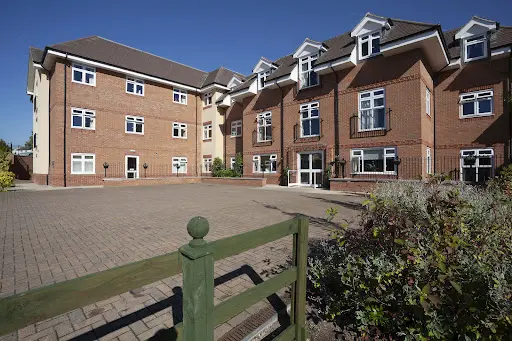
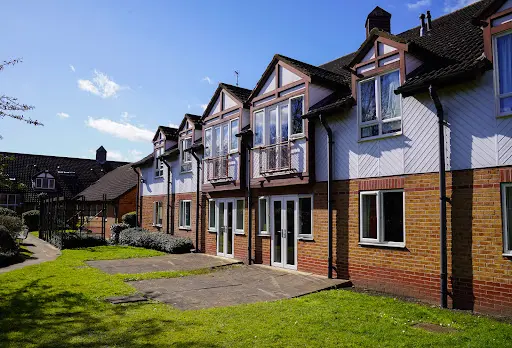
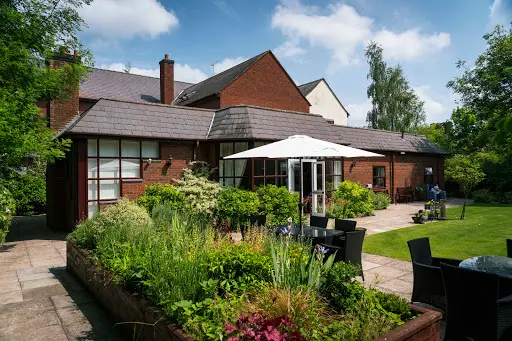
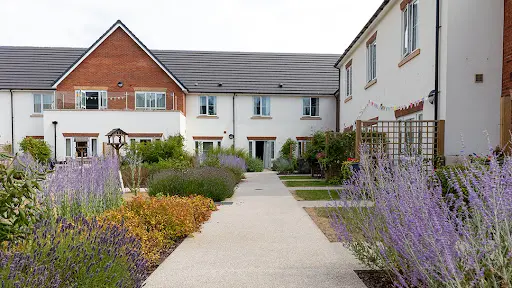
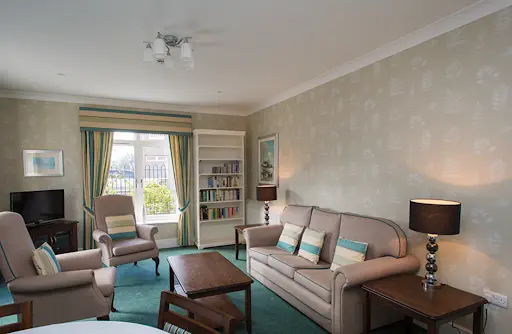
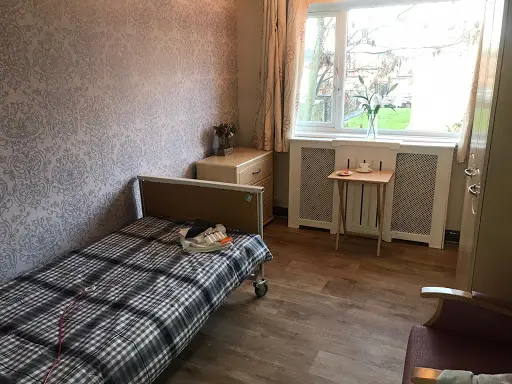
The home maintains high standards of cleanliness throughout, creating a fresh, hygienic environment. Families have particularly noticed the quality of meals, which remains thoughtfully prepared even when supporting residents through difficult times.
“For families navigating these profound transitions, The Willows offers something valuable — professional care delivered with authentic humanity.”
DCC does not edit or curate content in this tab. For independently curated information, see The Evidence and DCC Verdict.