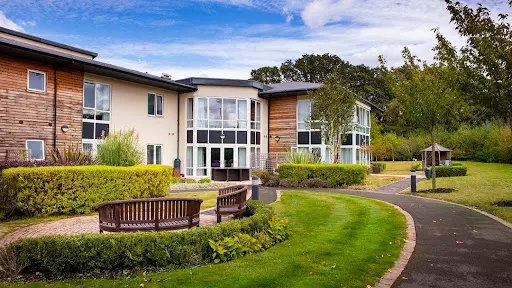
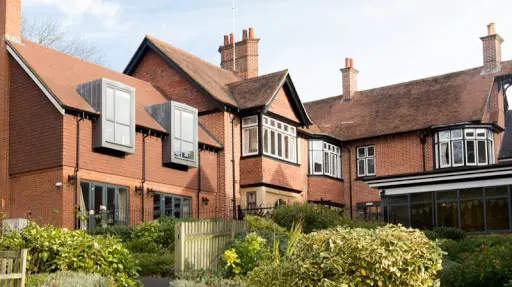
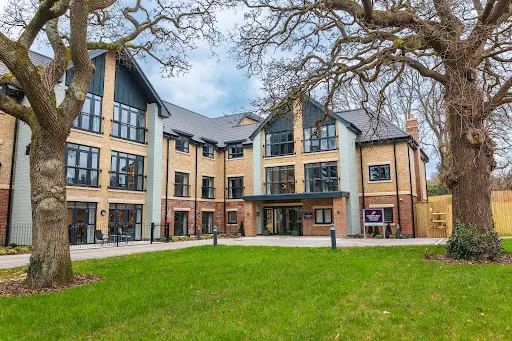
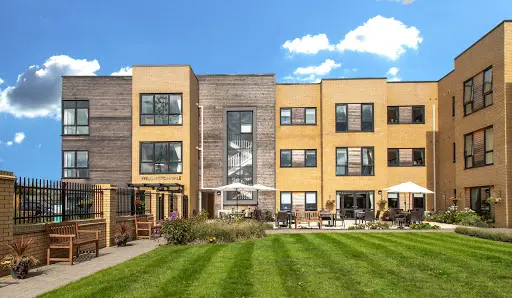
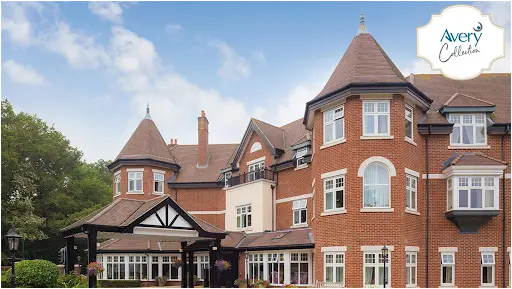
Wessex Lodge Nursing Home

At a Glance
The information you need to decide whether this home warrants a closer look.
Nursing homes
Staff warmth score
of reviewers answered yes
Good to know
- Registered beds40
- SpecialismsCaring for adults over 65 yrs, Dementia
- Last inspected2021-01-07
Save Wessex Lodge Nursing Home to your shortlist
Keep a running list, add visit notes, and compare homes side-by-side. Free account — it takes a minute.
STAGE 4 — RESEARCHING CARE HOMES
Visit homes. Compare them side by side. Choose with confidence.
Most of us will view care homes the way we view houses, impression, atmosphere, the feeling in the corridor. We go home, try to remember what we saw, and make a permanent decision from a blurred memory.

The DCC shortlist gives every home you visit a structured record: the same twelve questions, answered the same way, every time. When you’re ready to choose, pull any two homes side by side and compare them directly. Same criteria, same evidence, your notes and your scores.
The Evidence
What the review data, the inspection reports, and the dementia-care evidence base tell us about this home.
What families say
Families describe staff across the home — from nurses to cleaners — as consistently warm and approachable. Several people mentioned how this kindness extended through their loved ones' final weeks, with staff supporting both residents and families during these tender times.
The eight family priority themes
- Staff warmth55
- Compassion & dignity60
- Cleanliness55
- Activities & engagement50
- Food quality50
- Healthcare55
- Management & leadership45
- Resident happiness55
What inspectors found
Inspected 2021-01-07
Is this home safe?
Is the care effective?
Effective was rated Good at the August 2025 inspection. This domain covers training, care planning, access to healthcare, nutrition, and whether the home understands what it is doing in practice. A Good rating here is encouraging, particularly for a nursing home with a dementia specialism, where effective care requires specific knowledge and well-maintained care plans. The published summary does not provide specific examples or observations to illustrate what Good looks like in this home.Is this home caring?
Caring was rated Good at the August 2025 inspection. This domain covers the warmth of staff interactions, how residents are treated day to day, whether dignity and privacy are respected, and whether staff know the people they care for as individuals. A Good rating here is the most directly reassuring finding for families, as it reflects what inspectors actually observed or heard from residents and relatives. The published summary available does not include specific observations or quotes to illustrate this rating.Is the home responsive?
Responsive was rated Good at the August 2025 inspection. This domain covers whether the home adapts to meet individual needs, whether activities are meaningful and suited to the person, whether the home responds promptly to complaints, and whether end-of-life care is planned sensitively. For a home specialising in dementia care, responsiveness to individual need is particularly important because people with dementia often cannot advocate for themselves. The published summary does not provide specific examples from this domain.Is the home well-led?
Well-led was rated Requires Improvement at the August 2025 inspection. This domain covers whether management is visible and effective, whether staff feel supported and able to raise concerns, whether governance systems catch problems early, and whether the home has a positive culture. A Requires Improvement here, alongside the same rating in Safety, means inspectors found meaningful gaps in leadership and oversight. The named Registered Manager is Ms Sherlyn Swee Leun Rowland, and the Nominated Individual is Mrs Joanne Fisher. No specific detail about what drove the rating is available in the published summary.
Source: CQC inspection report →
What the evidence base says
The home specialises in caring for people over 65 and those living with dementia. For residents with dementia, the staff's consistent warmth and patience can make a real difference to daily life. The team understands how to support dignity even as cognitive abilities change. All areas worth probing directly during a visit.
The DCC Verdict
Our editorial view, built from the three lenses: what families tell us, what inspectors record, and how the home sits against good dementia-care practice.
DCC Family Score
Wessex Lodge Nursing Home scores 62 out of 100. Three domains were rated Good at the most recent inspection, but Safety and Well-led were both rated Requires Improvement, which limits confidence across several areas that matter most to families.
Homes in South East typically score 68–82.The three-lens summary
What families tell us
Families describe staff across the home — from nurses to cleaners — as consistently warm and approachable. Several people mentioned how this kindness extended through their loved ones' final weeks, with staff supporting both residents and families during these tender times.
What inspectors have recorded
The team shows real responsiveness to practical issues, with problems sorted quickly when raised. However, one family's experience led to an emergency safeguarding order, which suggests families should discuss current care standards and any recent changes during their visit.
How it sits against good practice
While the caring nature of staff shines through, that safeguarding concern means taking extra time to understand current practices will help you make the right choice.
Worth a visit
Wessex Lodge Nursing Home, on Jobson Close in Whitchurch, was assessed in August 2025 and the report published in November 2025. The home received an overall Good rating, with Effective, Caring, and Responsive all rated Good. This represents an improvement from a previous Requires Improvement rating overall, which is a positive direction of travel. However, two domains, Safe and Well-led, were both rated Requires Improvement at this most recent assessment. These are significant concerns: safety covers everything from staffing levels and medicines management to falls prevention, and Well-led shapes the culture of the entire home. The published inspection summary available for this report contains limited detail, so there are many questions families will need to ask directly. On a visit, ask the manager to explain specifically what the Requires Improvement findings in Safety and Well-led mean in practice, what has been done to address them, and when a follow-up inspection is expected.
The three questions to ask when you visitSave this home. Compare it against your shortlist.
Let our analysis show you how Wessex Lodge Nursing Home measures up against the other homes you’re considering. Free account.
In Their Own Words
How Wessex Lodge Nursing Home describes itself — collected from its own website. DCC has not edited or independently verified the content in this tab.
Warm staff bring comfort during life's most difficult transitions
Wessex Lodge Nursing Home – Expert Care in Whitchurch
When families face end-of-life care decisions, the human touch matters more than anything else. Wessex Lodge Nursing Home in Whitchurch has built a reputation for staff who genuinely care, though recent concerns mean families should ask detailed questions during visits.
Who they care for
The home specialises in caring for people over 65 and those living with dementia.
For residents with dementia, the staff's consistent warmth and patience can make a real difference to daily life. The team understands how to support dignity even as cognitive abilities change.
“While the caring nature of staff shines through, that safeguarding concern means taking extra time to understand current practices will help you make the right choice.”
DCC does not edit or curate content in this tab. For independently curated information, see The Evidence and DCC Verdict.
The DCC Verdict
Our editorial view, built from the three lenses: what families tell us, what inspectors record, and how the home sits against good dementia-care practice.
DCC Family Score
Wessex Lodge Nursing Home scores 62 out of 100. Three domains were rated Good at the most recent inspection, but Safety and Well-led were both rated Requires Improvement, which limits confidence across several areas that matter most to families.
Homes in South East typically score 68–82.The three-lens summary
What families tell us
Families describe staff across the home — from nurses to cleaners — as consistently warm and approachable. Several people mentioned how this kindness extended through their loved ones' final weeks, with staff supporting both residents and families during these tender times.
What inspectors have recorded
The team shows real responsiveness to practical issues, with problems sorted quickly when raised. However, one family's experience led to an emergency safeguarding order, which suggests families should discuss current care standards and any recent changes during their visit.
How it sits against good practice
While the caring nature of staff shines through, that safeguarding concern means taking extra time to understand current practices will help you make the right choice.
Worth a visit
Wessex Lodge Nursing Home, on Jobson Close in Whitchurch, was assessed in August 2025 and the report published in November 2025. The home received an overall Good rating, with Effective, Caring, and Responsive all rated Good. This represents an improvement from a previous Requires Improvement rating overall, which is a positive direction of travel. However, two domains, Safe and Well-led, were both rated Requires Improvement at this most recent assessment. These are significant concerns: safety covers everything from staffing levels and medicines management to falls prevention, and Well-led shapes the culture of the entire home. The published inspection summary available for this report contains limited detail, so there are many questions families will need to ask directly. On a visit, ask the manager to explain specifically what the Requires Improvement findings in Safety and Well-led mean in practice, what has been done to address them, and when a follow-up inspection is expected.
The three questions to ask when you visitSave this home. Compare it against your shortlist.
Let our analysis show you how Wessex Lodge Nursing Home measures up against the other homes you’re considering. Free account.
In Their Own Words
How Wessex Lodge Nursing Home describes itself — collected from its own website. DCC has not edited or independently verified the content in this tab.
Warm staff bring comfort during life's most difficult transitions
Wessex Lodge Nursing Home – Expert Care in Whitchurch
When families face end-of-life care decisions, the human touch matters more than anything else. Wessex Lodge Nursing Home in Whitchurch has built a reputation for staff who genuinely care, though recent concerns mean families should ask detailed questions during visits.
Who they care for
The home specialises in caring for people over 65 and those living with dementia.
For residents with dementia, the staff's consistent warmth and patience can make a real difference to daily life. The team understands how to support dignity even as cognitive abilities change.
Management & ethos
The team shows real responsiveness to practical issues, with problems sorted quickly when raised. However, one family's experience led to an emergency safeguarding order, which suggests families should discuss current care standards and any recent changes during their visit.
“While the caring nature of staff shines through, that safeguarding concern means taking extra time to understand current practices will help you make the right choice.”
DCC does not edit or curate content in this tab. For independently curated information, see The Evidence and DCC Verdict.