Springfield Care Homes
At a Glance
The information you need to decide whether this home warrants a closer look.
Nursing homes
Staff warmth score
of reviewers answered yes
Good to know
- Registered beds65
- SpecialismsCaring for adults over 65 yrs, Dementia
- Last inspected2021-08-20
Save Springfield Care Homes to your shortlist
Keep a running list, add visit notes, and compare homes side-by-side. Free account — it takes a minute.
STAGE 4 — RESEARCHING CARE HOMES
Visit homes. Compare them side by side. Choose with confidence.
Most of us will view care homes the way we view houses, impression, atmosphere, the feeling in the corridor. We go home, try to remember what we saw, and make a permanent decision from a blurred memory.

The DCC shortlist gives every home you visit a structured record: the same twelve questions, answered the same way, every time. When you’re ready to choose, pull any two homes side by side and compare them directly. Same criteria, same evidence, your notes and your scores.
The Evidence
What the review data, the inspection reports, and the dementia-care evidence base tell us about this home.
What families say
Families describe a place where staff remain genuinely attentive through both routine days and difficult transitions. Whether helping someone settle into their new room or supporting them through memory challenges, the team maintains that steady, reassuring presence families need.
The eight family priority themes
- Staff warmth65
- Compassion & dignity65
- Cleanliness55
- Activities & engagement55
- Food quality55
- Healthcare55
- Management & leadership45
- Resident happiness60
What inspectors found
Inspected 2021-08-20
Is this home safe?
Is the care effective?
The Effective domain was rated Good at the September 2025 inspection. This covers how well the home assesses and meets people's needs, including care planning, staff training, healthcare access, and nutrition. A Good rating here suggests these foundations are broadly in place. The home specialises in dementia, so the Effective rating includes an expectation that staff understand and respond to dementia-specific needs. The full inspection narrative is not available in the data provided, so specific examples and observations cannot be reported here.Is this home caring?
The Caring domain was rated Good at the September 2025 inspection. This domain covers staff warmth, dignity, respect for privacy, and support for independence. A Good rating indicates that inspectors were broadly satisfied with the quality of interactions between staff and the people who live here. Without the full inspection narrative it is not possible to share specific observations or direct quotes from residents or relatives recorded during this inspection.Is the home responsive?
The Responsive domain was rated Good at the September 2025 inspection. This domain covers how well the home responds to individual needs and preferences, including activities, meaningful engagement, flexibility of routines, and end-of-life planning. A Good rating suggests that the home makes reasonable efforts to treat people as individuals rather than managing them as a group. The full inspection narrative is not available, so specific examples of activities or individual engagement cannot be confirmed from the published data.Is the home well-led?
The Well-led domain was rated Requires Improvement at the September 2025 inspection. This is a significant finding. Well-led covers management oversight, governance systems, staff culture, and the home's ability to identify and act on problems. A named registered manager and a nominated individual are recorded, showing formal structure is in place. However, the Requires Improvement rating means inspectors found the leadership or governance arrangements were not fully meeting the required standard. The full inspection narrative is not available, so the specific reason for this rating cannot be confirmed from the published data.
Source: CQC inspection report →
What the evidence base says
Springfield Care Home provides specialist dementia care alongside general support for adults over 65. The team's dementia expertise shows in practical ways — from managing anxiety during memory episodes to maintaining safe, reassuring environments. Staff understand how to support residents through confusion while preserving their sense of security. All areas worth probing directly during a visit.
The DCC Verdict
Our editorial view, built from the three lenses: what families tell us, what inspectors record, and how the home sits against good dementia-care practice.
DCC Family Score
Springfield Care Home scores 62 out of 100. The Good ratings in Effective, Caring, and Responsive suggest staff are broadly kind and competent, but two Requires Improvement ratings, in Safe and Well-led, mean there are unresolved concerns that should be explored carefully before you make a decision.
Homes in South East typically score 68–82.The three-lens summary
What families tell us
Families describe a place where staff remain genuinely attentive through both routine days and difficult transitions. Whether helping someone settle into their new room or supporting them through memory challenges, the team maintains that steady, reassuring presence families need.
What inspectors have recorded
The care team demonstrates the kind of consistency that builds real trust. Families particularly note how staff navigate memory loss with patience, creating calm environments even during health declines. This extends to end-of-life support, where round-the-clock attention honours both resident and family needs.
How it sits against good practice
For families weighing substantial care costs against quality of life, Springfield demonstrates where that investment goes — into staffing, dignity, and the small adaptations that matter.
Worth a visit
Springfield Care Home in Emsworth was assessed in September 2025, with the report published in December 2025. The home received an overall Good rating, which represents an improvement from its previous Requires Improvement rating. Three of the five domains, Effective, Caring, and Responsive, were rated Good, suggesting that staff broadly provide kind care, that care planning and healthcare arrangements are satisfactory, and that the home tries to support individual lives and preferences. However, two domains, Safe and Well-led, are rated Requires Improvement at this inspection. These are significant concerns. Safe covers staffing levels, medicines management, and infection control; Well-led covers the quality of management, oversight, and the home's ability to identify and fix problems. The published inspection text does not include the full report narrative, which means it is not possible to tell you precisely what inspectors found wrong in these two areas. Before visiting, ask the manager to explain in plain terms what the Requires Improvement findings were, what actions have been taken since September 2025, and when the home expects a follow-up inspection. On your visit, observe how staff interact with your parent unprompted, ask to see last week's actual staffing rota rather than the template, and note whether the manager is visible and known to staff by name.
The three questions to ask when you visitSave this home. Compare it against your shortlist.
Let our analysis show you how Springfield Care Homes measures up against the other homes you’re considering. Free account.
In Their Own Words
How Springfield Care Homes describes itself — collected from its own website. DCC has not edited or independently verified the content in this tab.
Where urgent needs meet unhurried care in Emsworth
Springfield Care Home – Expert Care in Emsworth
When families face sudden care decisions, every hour counts. Springfield Care Home in Emsworth understands this pressure — they've helped families secure emergency placements within days, coordinating everything while keeping relatives informed throughout. This responsiveness extends beyond crisis moments into the daily rhythms of care.
Who they care for
Springfield Care Home provides specialist dementia care alongside general support for adults over 65.
The team's dementia expertise shows in practical ways — from managing anxiety during memory episodes to maintaining safe, reassuring environments. Staff understand how to support residents through confusion while preserving their sense of security.
“For families weighing substantial care costs against quality of life, Springfield demonstrates where that investment goes — into staffing, dignity, and the small adaptations that matter.”
DCC does not edit or curate content in this tab. For independently curated information, see The Evidence and DCC Verdict.
The DCC Verdict
Our editorial view, built from the three lenses: what families tell us, what inspectors record, and how the home sits against good dementia-care practice.
DCC Family Score
Springfield Care Home scores 62 out of 100. The Good ratings in Effective, Caring, and Responsive suggest staff are broadly kind and competent, but two Requires Improvement ratings, in Safe and Well-led, mean there are unresolved concerns that should be explored carefully before you make a decision.
Homes in South East typically score 68–82.The three-lens summary
What families tell us
Families describe a place where staff remain genuinely attentive through both routine days and difficult transitions. Whether helping someone settle into their new room or supporting them through memory challenges, the team maintains that steady, reassuring presence families need.
What inspectors have recorded
The care team demonstrates the kind of consistency that builds real trust. Families particularly note how staff navigate memory loss with patience, creating calm environments even during health declines. This extends to end-of-life support, where round-the-clock attention honours both resident and family needs.
How it sits against good practice
For families weighing substantial care costs against quality of life, Springfield demonstrates where that investment goes — into staffing, dignity, and the small adaptations that matter.
Worth a visit
Springfield Care Home in Emsworth was assessed in September 2025, with the report published in December 2025. The home received an overall Good rating, which represents an improvement from its previous Requires Improvement rating. Three of the five domains, Effective, Caring, and Responsive, were rated Good, suggesting that staff broadly provide kind care, that care planning and healthcare arrangements are satisfactory, and that the home tries to support individual lives and preferences. However, two domains, Safe and Well-led, are rated Requires Improvement at this inspection. These are significant concerns. Safe covers staffing levels, medicines management, and infection control; Well-led covers the quality of management, oversight, and the home's ability to identify and fix problems. The published inspection text does not include the full report narrative, which means it is not possible to tell you precisely what inspectors found wrong in these two areas. Before visiting, ask the manager to explain in plain terms what the Requires Improvement findings were, what actions have been taken since September 2025, and when the home expects a follow-up inspection. On your visit, observe how staff interact with your parent unprompted, ask to see last week's actual staffing rota rather than the template, and note whether the manager is visible and known to staff by name.
The three questions to ask when you visitSave this home. Compare it against your shortlist.
Let our analysis show you how Springfield Care Homes measures up against the other homes you’re considering. Free account.
In Their Own Words
How Springfield Care Homes describes itself — collected from its own website. DCC has not edited or independently verified the content in this tab.
Where urgent needs meet unhurried care in Emsworth
Springfield Care Home – Expert Care in Emsworth
When families face sudden care decisions, every hour counts. Springfield Care Home in Emsworth understands this pressure — they've helped families secure emergency placements within days, coordinating everything while keeping relatives informed throughout. This responsiveness extends beyond crisis moments into the daily rhythms of care.
Who they care for
Springfield Care Home provides specialist dementia care alongside general support for adults over 65.
The team's dementia expertise shows in practical ways — from managing anxiety during memory episodes to maintaining safe, reassuring environments. Staff understand how to support residents through confusion while preserving their sense of security.
Management & ethos
The care team demonstrates the kind of consistency that builds real trust. Families particularly note how staff navigate memory loss with patience, creating calm environments even during health declines. This extends to end-of-life support, where round-the-clock attention honours both resident and family needs.
The home & environment
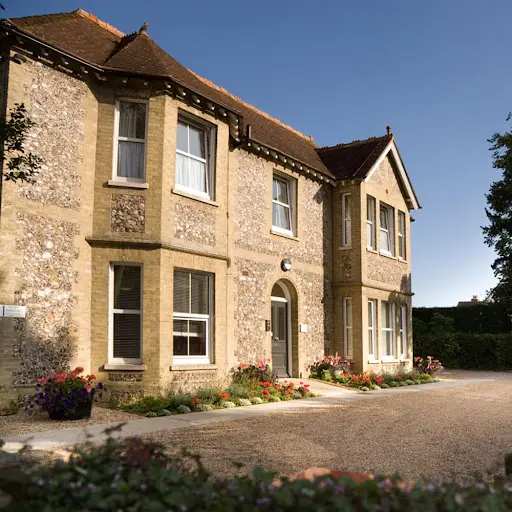
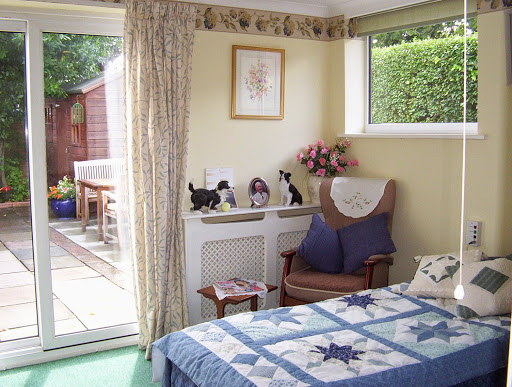
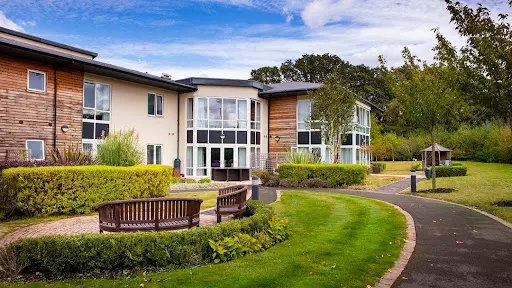
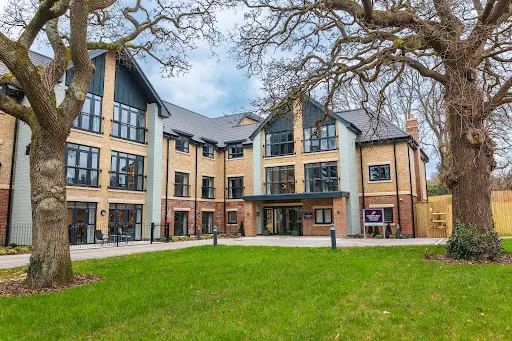
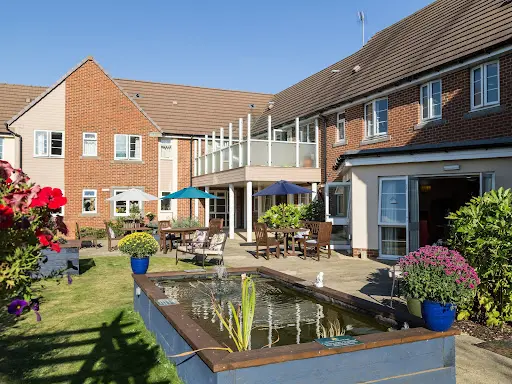
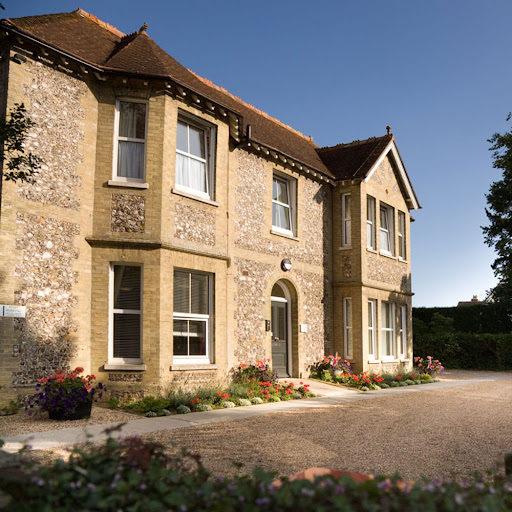
Residents enjoy rooms with en-suite facilities and garden views, creating personal spaces that feel settled rather than clinical. The weekly hairdressing service helps maintain familiar routines, while the kitchen adapts meals to individual appetites — particularly valued when health changes affect eating patterns.
“For families weighing substantial care costs against quality of life, Springfield demonstrates where that investment goes — into staffing, dignity, and the small adaptations that matter.”
DCC does not edit or curate content in this tab. For independently curated information, see The Evidence and DCC Verdict.