Windsor Court Care Home
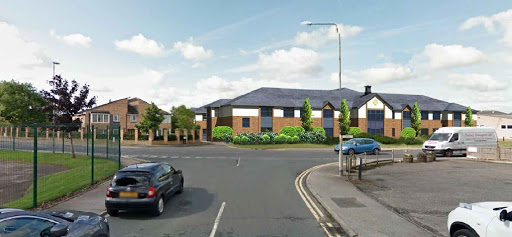
At a Glance
The information you need to decide whether this home warrants a closer look.
Residential homes
Staff warmth score
of reviewers answered yes
Good to know
- Registered beds66
- SpecialismsCaring for adults over 65 yrs, Dementia
- Last inspected2020-03-18
- Activities programmeThe gardens get plenty of use, with easy access for residents who want fresh air without venturing far. Inside, the cinema room offers something different from typical care home lounges, while the overall layout gives people space to move around comfortably.
- Visit Website
The Evidence
What the review data, the inspection reports, and the dementia-care evidence base tell us about this home.
What families say
Visitors mention how approachable the care team feels — staff who greet people with genuine friendliness rather than forced smiles. There's a sense that the whole team shares the same caring approach, which comes through in daily interactions.
Based on 8 Google reviews · 0 reviews on carehome.co.uk · most recent 2026-04-10
The eight family priority themes
- Staff warmth52
- Compassion & dignity52
- Cleanliness52
- Activities & engagement50
- Food quality50
- Healthcare50
- Management & leadership55
- Resident happiness52
What inspectors found
Inspected 2020-03-18 · Report published 2020-03-18
Is this home safe?
{"found":"The Safe domain was rated Good at the January 2020 inspection. This covers staffing levels, medicines management, infection control, and how the home responds to accidents and incidents. No specific detail about staffing ratios, falls management, or medicine administration is reproduced in the available report. A monitoring review in July 2023 found no evidence to change this rating.","quotes":[],"family_meaning":"A Good rating for safety is a meaningful baseline, but it was assessed more than five years ago, and the published findings give you very little to go on beyond the headline. Good Practice research consistently identifies night staffing as the point where safety is most likely to slip in a 66-bed dementia home, particularly as occupancy grows. Our family review data shows that attentiveness of staff (referenced in 14% of positive reviews) is one of the clearest signals families pick up on during visits. You will not be able to assess this from the report alone, so a visit that includes asking about night cover is essential.","evidence_base":"The IFF Research and Leeds Beckett rapid evidence review (March 2026) found that agency staff reliance and low night-time staffing ratios are the two factors most consistently associated with safety incidents in residential dementia care settings.","watch_out":"Ask to see last week's actual staffing rota, not a template. Count how many permanent staff versus agency names appear on night shifts for the dementia unit, and ask what the minimum staffing level is for a night shift on a full unit."}
Is the care effective?
{"found":"The Effective domain was rated Good at the January 2020 inspection. This domain covers training, care planning, healthcare access, and food quality. The home specialises in dementia care, so dementia-specific training should be a core element of effectiveness. No specific information about care plan personalisation, GP access arrangements, dementia training content, or menus is included in the published findings.","quotes":[],"family_meaning":"Effectiveness in a dementia care home means staff understanding not just what your parent needs physically, but who they are as a person: their history, their preferences, and what helps them feel settled. Food quality is mentioned positively in 20.9% of weighted family review data and is often one of the clearest visible signals of how much care staff take with individuals. Care plans as living documents, reviewed regularly with families, are identified in the Good Practice evidence base as a key marker of genuinely effective care. None of this detail is available from the published report, so you will need to ask and observe directly.","evidence_base":"The Leeds Beckett rapid evidence review found that care plans which are reviewed at least monthly and shaped with family input are significantly associated with better wellbeing outcomes for people living with dementia.","watch_out":"Ask to see a sample care plan (anonymised if needed) and ask specifically when it was last updated, who was involved in the review, and how the home would contact you if your parent's needs changed between scheduled reviews."}
Is this home caring?
{"found":"The Caring domain was rated Good at the January 2020 inspection. This domain assesses how staff treat residents, whether dignity and privacy are respected, and whether people are supported to be as independent as possible. No inspector observations of staff interactions, no resident testimony, and no family quotes are reproduced in the available report text.","quotes":[],"family_meaning":"Staff warmth is the single biggest driver of family satisfaction in our review data, mentioned by name in 57.3% of positive reviews, and compassionate treatment appears in 55.2%. These are things families notice immediately on a visit: whether staff use your parent's preferred name, whether they knock before entering a room, whether they move without hurry. A Good rating tells you inspectors did not find cause for concern, but the texture of daily kindness is not visible in this report. You will need to observe it yourself, ideally by visiting at a time when personal care is happening or mealtimes are in progress.","evidence_base":"The IFF Research evidence review highlights that non-verbal communication, tone of voice, and unhurried physical contact are as important as verbal interactions for people living with advanced dementia, and are detectable by families during an unannounced visit.","watch_out":"During your visit, watch how staff greet your parent's potential neighbours in communal areas. Do they use first names or preferred names? Do they crouch to eye level, or speak from standing? Do they move at the resident's pace, or their own?"}
Is the home responsive?
{"found":"The Responsive domain was rated Good at the January 2020 inspection. This domain covers activities and engagement, how the home responds to individual needs and complaints, and end-of-life care. The home specialises in dementia, which means responsive care should include tailored activity support for residents at all stages of the condition. No specific activities, individual engagement examples, or complaint handling detail is included in the published findings.","quotes":[],"family_meaning":"Activities and engagement are weighted at 21.4% in our family review data, but the research evidence adds an important qualification: group activities alone are not sufficient for people living with moderate or advanced dementia. Good Practice points specifically to one-to-one engagement and everyday purposeful tasks as the approaches most associated with wellbeing and reduced distress. Resident happiness, referenced in 27.1% of our positive review data, is closely tied to whether people have meaningful things to do throughout the day, not just in scheduled sessions. This is an area where the inspection report tells you nothing specific, so your visit and direct questions are the only way to get a real picture.","evidence_base":"The Leeds Beckett rapid evidence review found that Montessori-based and task-led individual activities, such as folding, sorting, or simple cooking tasks, produced measurable reductions in agitation for people with dementia compared with group-only activity programmes.","watch_out":"Ask the activities coordinator to describe what a typical Tuesday looks like for a resident who cannot join group sessions due to advanced dementia. If the answer is vague, or focuses only on group programming, ask what one-to-one support is timetabled and by whom."}
Is the home well-led?
{"found":"The Well-led domain was rated Good at the January 2020 inspection. A named registered manager, Ms Angela Paulette Shutt, and a nominated individual, Ms Anna Gretchen Selby, are both recorded. The home is operated by Ideal Carehomes (Number One) Limited. No detail about management visibility, staff culture, governance processes, or how the home handles feedback and incidents is included in the available report text.","quotes":[],"family_meaning":"Leadership stability is one of the strongest predictors of care quality over time, according to the Good Practice evidence base. A consistent manager who is known to staff, residents, and families creates the conditions for everything else to work. Communication with families appears in 11.5% of our positive family review data, and families consistently tell us that a manager who is visible and easy to reach makes a significant difference to their confidence in the home. The inspection rating was assessed more than five years ago, so the most important question now is whether the same manager is still in post and how the culture has developed since. If there has been management change, ask when and why.","evidence_base":"The IFF Research rapid evidence review found that homes with stable, experienced managers and cultures where staff feel able to raise concerns without fear consistently outperformed similar homes on resident wellbeing outcomes over time.","watch_out":"Ask directly whether Ms Shutt is still the registered manager, how long she has been in post, and whether there have been significant changes to the senior team in the last two years. Then ask how staff raise concerns if they are worried about a resident's care."}
Source: CQC inspection report →
What the evidence base says
Against the DCC Good Practice in Dementia Care standards, this home’s evidence aligns most strongly on The home focuses on caring for people over 65, with particular expertise in dementia support.. Gaps or open questions remain on For residents living with dementia, the spacious layout helps reduce that hemmed-in feeling that can increase anxiety. The gardens provide safe outdoor spaces for those who've always enjoyed being outside. — areas worth probing directly during a visit.
The DCC Verdict
Our editorial view, built from the three lenses: what families tell us, what inspectors record, and how the home sits against good dementia-care practice.
DCC Family Score
Windsor Court holds a Good rating across all five inspection domains, but the published report contains very little specific detail about day-to-day care. The score reflects a confirmed Good baseline with significant gaps in the evidence available to families.
Homes in Yorkshire & Humberside typically score 68–82.The three-lens summary
What families tell us
Visitors mention how approachable the care team feels — staff who greet people with genuine friendliness rather than forced smiles. There's a sense that the whole team shares the same caring approach, which comes through in daily interactions.
What inspectors have recorded
How it sits against good practice
While Windsor Court is still establishing itself in the Wetherby community, early impressions suggest they understand what makes daily life more comfortable for their residents.
Worth a visit
Windsor Court, on Sandbeck Way in Wetherby, was rated Good across all five inspection domains at its last inspection in January 2020, with the report published in March 2020. The home is registered to care for up to 66 adults over 65, with a specialism in dementia. A named registered manager and nominated individual are recorded, suggesting a formal leadership structure. A monitoring review carried out in July 2023 found no evidence requiring a reassessment of the rating, so Good remains the current official position. The significant limitation here is that the published report text contains almost no specific detail: no inspector observations, no resident or family quotes, and no concrete examples of how care is delivered day to day. A Good rating confirms the home met the threshold at the time of inspection, but it does not tell you what your parent's daily life will feel like. Before making a decision, visit in person and ask the manager directly about night staffing ratios, how often care plans are reviewed with families, what one-to-one activity support looks like for residents who cannot join groups, and how the team communicates with families when something changes.
The three questions to ask when you visitSave this home. Compare it against your shortlist.
Let our analysis show you how Windsor Court Care Home measures up against the other homes you’re considering. Free account.
In Their Own Words
How Windsor Court Care Home describes itself — collected from its own website. DCC has not edited or independently verified the content in this tab.
Spacious lounges and gardens bring light to dementia care days
Compassionate Care in Wetherby at Windsor Court
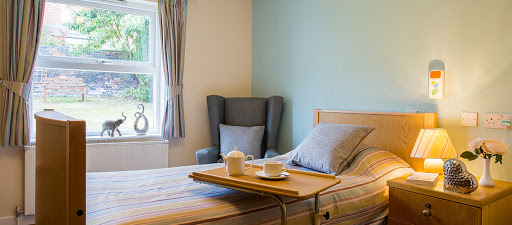
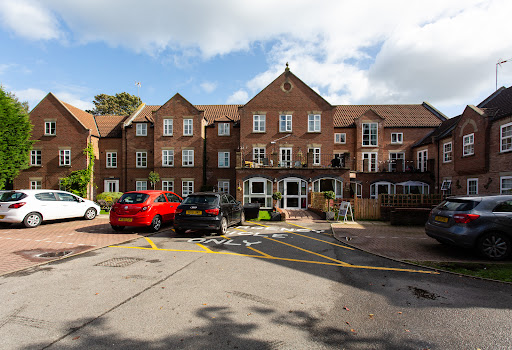
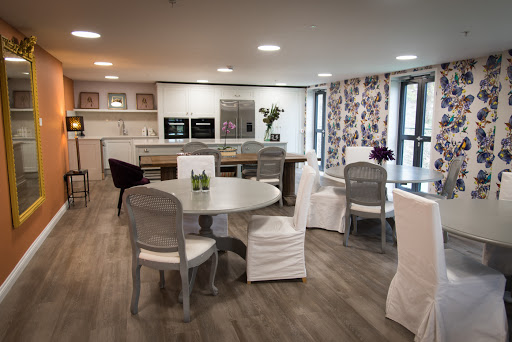
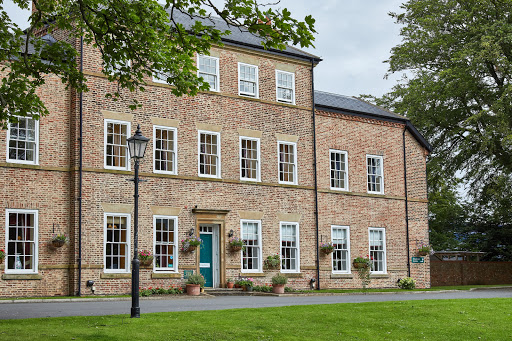
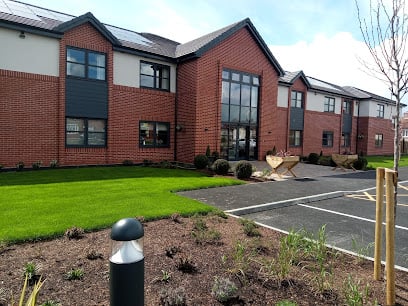
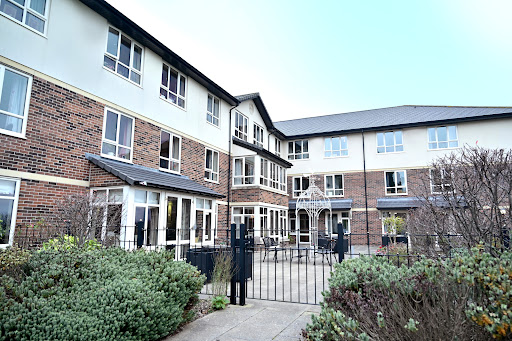
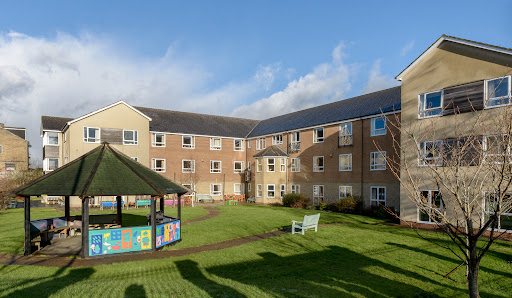
When families first walk through Windsor Court in Wetherby, they often comment on how spacious everything feels. The lounges open up with natural light, bedrooms feel properly sized, and there's even a cinema room alongside gardens where residents can spend their afternoons. It's these thoughtful touches that help create a sense of normal life continuing.
Who they care for
The home focuses on caring for people over 65, with particular expertise in dementia support.
For residents living with dementia, the spacious layout helps reduce that hemmed-in feeling that can increase anxiety. The gardens provide safe outdoor spaces for those who've always enjoyed being outside.
The home & environment
The gardens get plenty of use, with easy access for residents who want fresh air without venturing far. Inside, the cinema room offers something different from typical care home lounges, while the overall layout gives people space to move around comfortably.
“While Windsor Court is still establishing itself in the Wetherby community, early impressions suggest they understand what makes daily life more comfortable for their residents.”
DCC does not edit or curate content in this tab. For independently curated information, see The Evidence and DCC Verdict.