Wild Acres

At a Glance
The information you need to decide whether this home warrants a closer look.
Residential homes
Staff warmth score
of reviewers answered yes
Good to know
- Registered beds26
- SpecialismsCaring for adults over 65 yrs, Dementia, Physical disabilities, Sensory impairment
- Last inspected2019-10-22
Save Wild Acres to your shortlist
Keep a running list, add visit notes, and compare homes side-by-side. Free account — it takes a minute.
STAGE 4 — RESEARCHING CARE HOMES
Visit homes. Compare them side by side. Choose with confidence.
Most of us will view care homes the way we view houses, impression, atmosphere, the feeling in the corridor. We go home, try to remember what we saw, and make a permanent decision from a blurred memory.

The DCC shortlist gives every home you visit a structured record: the same twelve questions, answered the same way, every time. When you’re ready to choose, pull any two homes side by side and compare them directly. Same criteria, same evidence, your notes and your scores.
The Evidence
What the review data, the inspection reports, and the dementia-care evidence base tell us about this home.
What families say
Visitors describe seeing residents looking content and engaged throughout the day. The staff's friendly manner seems to create a relaxed environment where people feel comfortable.
The eight family priority themes
- Staff warmth72
- Compassion & dignity72
- Cleanliness68
- Activities & engagement85
- Food quality60
- Healthcare68
- Management & leadership70
- Resident happiness70
What inspectors found
Inspected 2019-10-22
Is this home safe?
Is the care effective?
The Effective domain was rated Good, indicating that training, care planning, and healthcare coordination met inspection standards. The home lists dementia as a specialism, which implies staff are expected to have relevant training beyond basic care. The published summary does not describe specific training content, GP access arrangements, or how care plans are written and reviewed. A Good rating here means inspectors were satisfied that care was being delivered competently, but the level of detail available is limited.Is this home caring?
The Caring domain was rated Good at the October 2019 inspection. This indicates that inspectors observed, or received testimony confirming, that staff treated the people who live here with respect, dignity, and warmth. The home's specialism in dementia and sensory impairment means staff need to be skilled in non-verbal communication and in reading signs of discomfort or distress. The published summary does not include specific observations of staff interactions, preferred name use, or descriptions of how staff respond to distress. The Good rating is positive but provides limited specific detail.Is the home responsive?
The Responsive domain was rated Outstanding, the highest possible rating, at the October 2019 inspection. This is the strongest finding in the report and indicates that inspectors found specific, compelling evidence that the home tailors activities and engagement to individual needs rather than offering only group programmes. For a 26-bed home with a dementia specialism, an Outstanding Responsive rating suggests the home goes beyond standard activity rotas. The published summary does not describe the specific activities or approaches observed, but the rating itself is substantive evidence of good practice at the time of inspection.Is the home well-led?
The Well-led domain was rated Good at the October 2019 inspection. The registered manager is named in the public record, and the nominated individual is separately identified, which indicates a clear governance structure. A Good rating in Well-led means inspectors were satisfied that leadership was visible, staff were supported, and systems for monitoring quality were in place. The published summary does not describe the manager's tenure, staff turnover, or specific examples of the home learning from incidents. The July 2023 review found no evidence requiring a ratings change, suggesting no significant concerns had emerged in the intervening period.
Source: CQC inspection report →
What the evidence base says
Wild Acres provides care for people over 65, including those living with dementia, sensory impairments, and physical disabilities. The home welcomes residents living with dementia as part of their wider care provision. If you'd like to know more about their specific approach to memory care, it's worth asking when you visit. All areas worth probing directly during a visit.
The DCC Verdict
Our editorial view, built from the three lenses: what families tell us, what inspectors record, and how the home sits against good dementia-care practice.
DCC Family Score
Wild Acres Care Home scores well above average on activities and engagement, where inspectors rated performance Outstanding, but several themes score in the mid-range because the published inspection text provides limited specific detail on areas such as food, cleanliness, and night staffing.
Homes in South East typically score 68–82.The three-lens summary
What families tell us
Visitors describe seeing residents looking content and engaged throughout the day. The staff's friendly manner seems to create a relaxed environment where people feel comfortable.
What inspectors have recorded
How it sits against good practice
Why not pop in and see for yourself? You'll get a real feel for the place.
Worth a visit
Wild Acres Care Home, at 440 Finchampstead Road, Wokingham, was rated Good overall at its last inspection in October 2019, with one domain, Responsive, rated Outstanding. All five domains received a positive rating: Safe, Effective, Caring, and Well-led were all Good, while Responsive stood out for the quality and individualisation of activities and engagement. The registered manager is named in the public record, which suggests stable leadership at the time of assessment. A subsequent review of available data in July 2023 found no evidence requiring a reassessment of the ratings. The main limitation of this report is that the published inspection text is very brief, meaning specific observations, staff quotes, and resident testimony are not available to draw on. The Outstanding Responsive rating is genuinely encouraging for families whose parent needs more than passive group activities, but you should visit in person and ask targeted questions before deciding. In particular, ask about night staffing numbers, agency staff usage, how the home communicates with families, and what one-to-one activity looks like for someone who cannot join a group. The inspection findings are now several years old, so a visit is essential to understand the current position.
The three questions to ask when you visitSave this home. Compare it against your shortlist.
Let our analysis show you how Wild Acres measures up against the other homes you’re considering. Free account.
In Their Own Words
How Wild Acres describes itself — collected from its own website. DCC has not edited or independently verified the content in this tab.
Friendly faces and well-kept spaces in leafy Wokingham
Residential home in Wokingham: True Peace of Mind
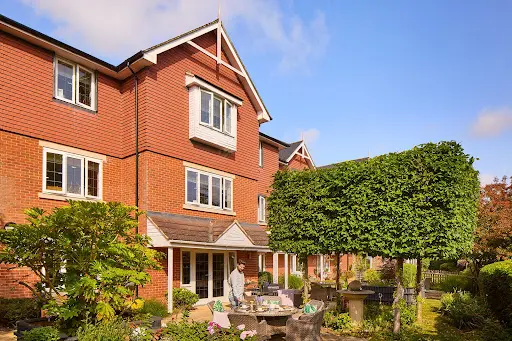
When you walk through the doors at Wild Acres Care Home in Wokingham, you'll notice the warm welcome right away. Professional visitors have been struck by how approachable and responsive the staff are, whether they're chatting with residents or greeting guests. The home sits in well-maintained grounds that add to the peaceful atmosphere.
Who they care for
Wild Acres provides care for people over 65, including those living with dementia, sensory impairments, and physical disabilities.
The home welcomes residents living with dementia as part of their wider care provision. If you'd like to know more about their specific approach to memory care, it's worth asking when you visit.
“Why not pop in and see for yourself? You'll get a real feel for the place.”
DCC does not edit or curate content in this tab. For independently curated information, see The Evidence and DCC Verdict.
The DCC Verdict
Our editorial view, built from the three lenses: what families tell us, what inspectors record, and how the home sits against good dementia-care practice.
DCC Family Score
Wild Acres Care Home scores well above average on activities and engagement, where inspectors rated performance Outstanding, but several themes score in the mid-range because the published inspection text provides limited specific detail on areas such as food, cleanliness, and night staffing.
Homes in South East typically score 68–82.The three-lens summary
What families tell us
Visitors describe seeing residents looking content and engaged throughout the day. The staff's friendly manner seems to create a relaxed environment where people feel comfortable.
What inspectors have recorded
How it sits against good practice
Why not pop in and see for yourself? You'll get a real feel for the place.
Worth a visit
Wild Acres Care Home, at 440 Finchampstead Road, Wokingham, was rated Good overall at its last inspection in October 2019, with one domain, Responsive, rated Outstanding. All five domains received a positive rating: Safe, Effective, Caring, and Well-led were all Good, while Responsive stood out for the quality and individualisation of activities and engagement. The registered manager is named in the public record, which suggests stable leadership at the time of assessment. A subsequent review of available data in July 2023 found no evidence requiring a reassessment of the ratings. The main limitation of this report is that the published inspection text is very brief, meaning specific observations, staff quotes, and resident testimony are not available to draw on. The Outstanding Responsive rating is genuinely encouraging for families whose parent needs more than passive group activities, but you should visit in person and ask targeted questions before deciding. In particular, ask about night staffing numbers, agency staff usage, how the home communicates with families, and what one-to-one activity looks like for someone who cannot join a group. The inspection findings are now several years old, so a visit is essential to understand the current position.
The three questions to ask when you visitSave this home. Compare it against your shortlist.
Let our analysis show you how Wild Acres measures up against the other homes you’re considering. Free account.
In Their Own Words
How Wild Acres describes itself — collected from its own website. DCC has not edited or independently verified the content in this tab.
Friendly faces and well-kept spaces in leafy Wokingham
Residential home in Wokingham: True Peace of Mind
When you walk through the doors at Wild Acres Care Home in Wokingham, you'll notice the warm welcome right away. Professional visitors have been struck by how approachable and responsive the staff are, whether they're chatting with residents or greeting guests. The home sits in well-maintained grounds that add to the peaceful atmosphere.
Who they care for
Wild Acres provides care for people over 65, including those living with dementia, sensory impairments, and physical disabilities.
The home welcomes residents living with dementia as part of their wider care provision. If you'd like to know more about their specific approach to memory care, it's worth asking when you visit.
The home & environment
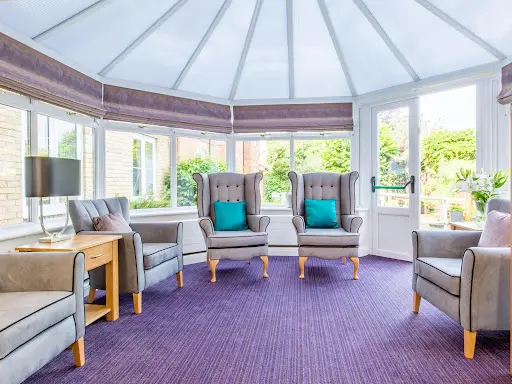
The home keeps both indoor and outdoor spaces clean and tidy. There's a pleasant outside area where residents can enjoy fresh air when the weather's nice.
“Why not pop in and see for yourself? You'll get a real feel for the place.”
DCC does not edit or curate content in this tab. For independently curated information, see The Evidence and DCC Verdict.