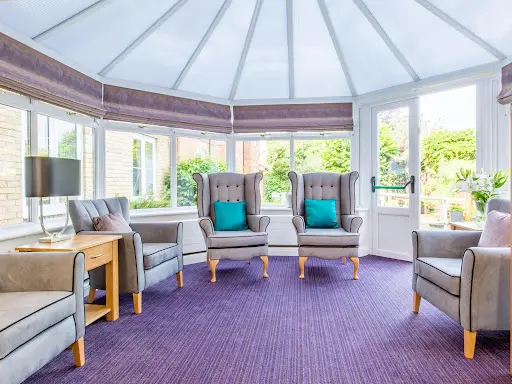
Prince Philip Duke of Edinburgh Court

At a Glance
The information you need to decide whether this home warrants a closer look.
Nursing homes
Staff warmth score
of reviewers answered yes
Good to know
- Registered beds45
- SpecialismsCaring for adults over 65 yrs, Caring for adults under 65 yrs, Dementia
- Last inspected2017-11-21
Save Prince Philip Duke of Edinburgh Court to your shortlist
Keep a running list, add visit notes, and compare homes side-by-side. Free account — it takes a minute.
STAGE 4 — RESEARCHING CARE HOMES
Visit homes. Compare them side by side. Choose with confidence.
Most of us will view care homes the way we view houses, impression, atmosphere, the feeling in the corridor. We go home, try to remember what we saw, and make a permanent decision from a blurred memory.

The DCC shortlist gives every home you visit a structured record: the same twelve questions, answered the same way, every time. When you’re ready to choose, pull any two homes side by side and compare them directly. Same criteria, same evidence, your notes and your scores.
The Evidence
What the review data, the inspection reports, and the dementia-care evidence base tell us about this home.
What families say
Families visiting here often comment on the friendly atmosphere they encounter. Staff members are consistently described as helpful and pleasant in their daily interactions with residents. People notice that their loved ones seem settled and content in their new surroundings.
The eight family priority themes
- Staff warmth55
- Compassion & dignity65
- Cleanliness60
- Activities & engagement55
- Food quality55
- Healthcare50
- Management & leadership68
- Resident happiness60
What inspectors found
Inspected 2017-11-21
Is this home safe?
Is the care effective?
The Effective domain was rated Good at the September 2021 inspection. This domain covers care planning, staff training, healthcare access, nutritional support, and how well the home works with external professionals such as GPs and district nurses. The home lists dementia as a specialism alongside nursing care for adults over and under 65. The published summary does not contain specific examples of care plan content, training records reviewed, or GP access arrangements, so it is not possible to verify the detail behind the rating from the available text.Is this home caring?
The Caring domain was rated Good at the September 2021 inspection. This domain covers staff warmth, dignity, respect, and whether your parent's independence is supported. Staff warmth is the single most cited theme in our review data, appearing in 57.3% of positive family reviews across 5,409 UK care homes. The published inspection summary does not include specific observations about how staff interact with residents, whether preferred names are used, or how distress is handled, so families cannot confirm the detail from the available text alone.Is the home responsive?
The Responsive domain was rated Good at the September 2021 inspection. This domain covers activities and engagement, how the home responds to individual preferences, complaints handling, and end-of-life planning. The published summary does not describe specific activities on offer, whether one-to-one engagement is provided for people who cannot join group sessions, or how end-of-life preferences are recorded. The home's specialism in dementia care means these questions are particularly important for families considering this home.Is the home well-led?
The Well-led domain was rated Good at the September 2021 inspection. The home has a named registered manager, Miss Abigail Louise Cranston, and a nominated individual, Mr Russell Evans, both recorded with the regulator. The organisation running the home is The Royal Masonic Benevolent Institution Care Company, a well-established charitable provider. The published summary does not include specific observations about management visibility, staff culture, or how feedback from residents and families is acted on.
Source: CQC inspection report →
What the evidence base says
The home provides residential care for adults over 65, with specific expertise in supporting people living with dementia. They also offer care for younger adults under 65 who need residential support. For residents with dementia, the team brings professional knowledge to daily care routines. Staff work to create an environment where people living with dementia feel secure and valued. All areas worth probing directly during a visit.
The DCC Verdict
Our editorial view, built from the three lenses: what families tell us, what inspectors record, and how the home sits against good dementia-care practice.
DCC Family Score
The overall Good rating and four Good domains give reasonable confidence in leadership, care, and responsiveness, but the Requires Improvement in Safe is a significant concern that the published report does not explain in sufficient detail for families to assess risk independently.
Homes in South East typically score 68–82.The three-lens summary
What families tell us
Families visiting here often comment on the friendly atmosphere they encounter. Staff members are consistently described as helpful and pleasant in their daily interactions with residents. People notice that their loved ones seem settled and content in their new surroundings.
What inspectors have recorded
The management team here takes an approachable, responsive approach to running the home. When families raise questions or concerns, they find the leadership willing to listen and act on feedback.
How it sits against good practice
Getting a feel for Prince Philip Duke of Edinburgh Court might help you decide if it's the right fit for your family.
Worth a visit
Prince Philip Duke of Edinburgh Court, on Mole Road in Wokingham, was rated Good overall at its last inspection in September 2021, with Good ratings in Effective, Caring, Responsive, and Well-led. The home is run by The Royal Masonic Benevolent Institution Care Company and caters for up to 45 people, including those living with dementia and younger adults. A named registered manager is in post, which is a positive structural indicator. The significant caveat is that the Safe domain was rated Requires Improvement at that inspection, and the published report summary contains very little detail about what specifically concerned inspectors. The inspection took place in September 2021 and a monitoring review in July 2023 found no evidence requiring a reassessment, which is moderately reassuring, but the underlying Safe rating has not been formally revisited. Before you visit, ask the manager directly what the Requires Improvement finding related to, what actions were taken, and what night staffing ratios look like now for 45 beds. Observe whether call bells are answered promptly and whether staff appear calm and unhurried.
The three questions to ask when you visitSave this home. Compare it against your shortlist.
Let our analysis show you how Prince Philip Duke of Edinburgh Court measures up against the other homes you’re considering. Free account.
In Their Own Words
How Prince Philip Duke of Edinburgh Court describes itself — collected from its own website. DCC has not edited or independently verified the content in this tab.
Where professional care meets genuine warmth in Wokingham
Compassionate Care in Wokingham at Prince Philip Duke of Edinburgh Court
Finding the right care home can feel overwhelming, especially when you're looking for somewhere that combines professional standards with real kindness. Prince Philip Duke of Edinburgh Court in Wokingham offers residential care that families describe as both reassuring and welcoming. This Sindlesham home provides support for adults over 65, including those living with dementia.
Who they care for
The home provides residential care for adults over 65, with specific expertise in supporting people living with dementia. They also offer care for younger adults under 65 who need residential support.
For residents with dementia, the team brings professional knowledge to daily care routines. Staff work to create an environment where people living with dementia feel secure and valued.
“Getting a feel for Prince Philip Duke of Edinburgh Court might help you decide if it's the right fit for your family.”
DCC does not edit or curate content in this tab. For independently curated information, see The Evidence and DCC Verdict.
The DCC Verdict
Our editorial view, built from the three lenses: what families tell us, what inspectors record, and how the home sits against good dementia-care practice.
DCC Family Score
The overall Good rating and four Good domains give reasonable confidence in leadership, care, and responsiveness, but the Requires Improvement in Safe is a significant concern that the published report does not explain in sufficient detail for families to assess risk independently.
Homes in South East typically score 68–82.The three-lens summary
What families tell us
Families visiting here often comment on the friendly atmosphere they encounter. Staff members are consistently described as helpful and pleasant in their daily interactions with residents. People notice that their loved ones seem settled and content in their new surroundings.
What inspectors have recorded
The management team here takes an approachable, responsive approach to running the home. When families raise questions or concerns, they find the leadership willing to listen and act on feedback.
How it sits against good practice
Getting a feel for Prince Philip Duke of Edinburgh Court might help you decide if it's the right fit for your family.
Worth a visit
Prince Philip Duke of Edinburgh Court, on Mole Road in Wokingham, was rated Good overall at its last inspection in September 2021, with Good ratings in Effective, Caring, Responsive, and Well-led. The home is run by The Royal Masonic Benevolent Institution Care Company and caters for up to 45 people, including those living with dementia and younger adults. A named registered manager is in post, which is a positive structural indicator. The significant caveat is that the Safe domain was rated Requires Improvement at that inspection, and the published report summary contains very little detail about what specifically concerned inspectors. The inspection took place in September 2021 and a monitoring review in July 2023 found no evidence requiring a reassessment, which is moderately reassuring, but the underlying Safe rating has not been formally revisited. Before you visit, ask the manager directly what the Requires Improvement finding related to, what actions were taken, and what night staffing ratios look like now for 45 beds. Observe whether call bells are answered promptly and whether staff appear calm and unhurried.
The three questions to ask when you visitSave this home. Compare it against your shortlist.
Let our analysis show you how Prince Philip Duke of Edinburgh Court measures up against the other homes you’re considering. Free account.
In Their Own Words
How Prince Philip Duke of Edinburgh Court describes itself — collected from its own website. DCC has not edited or independently verified the content in this tab.
Where professional care meets genuine warmth in Wokingham
Compassionate Care in Wokingham at Prince Philip Duke of Edinburgh Court
Finding the right care home can feel overwhelming, especially when you're looking for somewhere that combines professional standards with real kindness. Prince Philip Duke of Edinburgh Court in Wokingham offers residential care that families describe as both reassuring and welcoming. This Sindlesham home provides support for adults over 65, including those living with dementia.
Who they care for
The home provides residential care for adults over 65, with specific expertise in supporting people living with dementia. They also offer care for younger adults under 65 who need residential support.
For residents with dementia, the team brings professional knowledge to daily care routines. Staff work to create an environment where people living with dementia feel secure and valued.
Management & ethos
The management team here takes an approachable, responsive approach to running the home. When families raise questions or concerns, they find the leadership willing to listen and act on feedback.
The home & environment
The home maintains clean, well-kept spaces throughout the building. Families appreciate finding their relatives' rooms and communal areas in good condition during visits.
“Getting a feel for Prince Philip Duke of Edinburgh Court might help you decide if it's the right fit for your family.”
DCC does not edit or curate content in this tab. For independently curated information, see The Evidence and DCC Verdict.