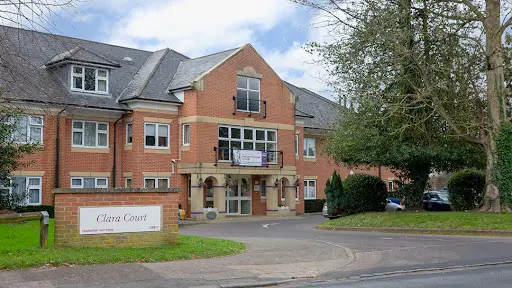
Clara Court Care Home – Care UK
At a Glance
The information you need to decide whether this home warrants a closer look.
Residential homes
Staff warmth score
of reviewers answered yes
Good to know
- Registered beds76
- SpecialismsCaring for adults over 65 yrs, Dementia, Learning disabilities, Mental health conditions, Physical disabilities
- Last inspected2019-03-06
Save Clara Court Care Home – Care UK to your shortlist
Keep a running list, add visit notes, and compare homes side-by-side. Free account — it takes a minute.
STAGE 4 — RESEARCHING CARE HOMES
Visit homes. Compare them side by side. Choose with confidence.
Most of us will view care homes the way we view houses, impression, atmosphere, the feeling in the corridor. We go home, try to remember what we saw, and make a permanent decision from a blurred memory.

The DCC shortlist gives every home you visit a structured record: the same twelve questions, answered the same way, every time. When you’re ready to choose, pull any two homes side by side and compare them directly. Same criteria, same evidence, your notes and your scores.
The Evidence
What the review data, the inspection reports, and the dementia-care evidence base tell us about this home.
What families say
Families talk about finding their relatives looking settled and well cared for here. There's a sociable atmosphere with organised activities that keep residents engaged throughout the day. Visitors mention how staff take time to chat and seem genuinely interested in each person's wellbeing.
The eight family priority themes
- Staff warmth72
- Compassion & dignity72
- Cleanliness70
- Activities & engagement85
- Food quality70
- Healthcare85
- Management & leadership72
- Resident happiness75
What inspectors found
Inspected 2019-03-06
Is this home safe?
Is the care effective?
Effective was rated Outstanding, the highest possible grade. Inspectors award this only when they find detailed, personalised care plans actively guiding care, strong training, timely and proactive healthcare, and robust medicines management, all evidenced by direct observation or record review. This is a genuine indicator of quality, not a routine compliance pass. The published summary does not reproduce the specific evidence gathered, but the rating itself carries weight.Is this home caring?
Caring was rated Good. This indicates inspectors assessed staff interactions, dignity, and respect as positive across the home. A Good rating means the standard expected of all care homes was met and possibly exceeded in places, but it does not reach the Outstanding threshold, which requires multiple specific, direct observations confirming exceptional warmth and person-led practice. The brief published summary does not include specific inspector observations, resident testimony, or family quotes from this domain.Is the home responsive?
Responsive was rated Outstanding. Inspectors award this rating in Responsive only when they find that activities are meaningfully tailored to individuals rather than delivered as a one-size group programme, that people's preferences genuinely shape their daily lives, and that the home responds flexibly when needs change, including at the end of life. This is a meaningful finding. The published summary does not detail which specific practices earned this rating, but it is awarded to a small minority of homes.Is the home well-led?
Well-led was rated Good. The registered manager listed at the time of registration is Ms Gladys Chironga, with Ms Rachel Louise Harvey named as Nominated Individual for Care UK Community Partnerships Ltd. A Good rating in Well-led means inspectors found governance systems in place, a culture in which staff could raise concerns, and a manager who understood the home's strengths and areas for development. It does not indicate the same depth of evidence as an Outstanding rating. The published summary does not detail specific management observations.
Source: CQC inspection report →
What the evidence base says
Clara Court provides specialist care for people with dementia, learning disabilities, mental health conditions and physical disabilities. They're set up to support adults over 65 with complex needs. The home has experience supporting residents with dementia, though effective communication remains crucial for this specialist care. Families have seen their relatives with dementia maintain stability here over extended stays. All areas worth probing directly during a visit.
The DCC Verdict
Our editorial view, built from the three lenses: what families tell us, what inspectors record, and how the home sits against good dementia-care practice.
DCC Family Score
Clara Court's Outstanding ratings in Effective and Responsive push the overall Family Score well above average, reflecting strong evidence of tailored care and meaningful engagement. However, the inspection is now over six years old, which limits confidence in how accurately these findings reflect the home today.
Homes in South East typically score 68–82.The three-lens summary
What families tell us
Families talk about finding their relatives looking settled and well cared for here. There's a sociable atmosphere with organised activities that keep residents engaged throughout the day. Visitors mention how staff take time to chat and seem genuinely interested in each person's wellbeing.
What inspectors have recorded
The manager's visible presence and commitment to care standards comes through in how the team operates. Staff appear motivated and conscientious in their approach to residents. One concern raised involves communication difficulties that affected dementia care quality, though the overall picture suggests a team that tries hard to provide attentive support.
How it sits against good practice
For families considering Clara Court, the overall sense is of a care home where residents find companionship and staff work hard to create a positive environment.
Worth a visit
Clara Court, on Courthouse Road in Maidenhead, was rated Outstanding overall at its inspection in October 2018, with the report published in March 2019. Inspectors awarded Outstanding in two key domains: Effective (which covers training, care plans, and healthcare) and Responsive (which covers activities, individuality, and how well the home adapts to each person's needs). The remaining three domains, Safe, Caring, and Well-led, were all rated Good. This is a strong profile, and an Outstanding overall rating places Clara Court among a small proportion of homes in England. The most important caveat is age. This inspection took place in October 2018, more than six years ago, and a review of data in July 2023 found no reason to change the rating but did not involve a fresh on-site inspection. A great deal can change in six years: staff leave, managers move on, occupancy shifts, and ownership priorities evolve. The inspection summary available is brief, meaning specific evidence about night staffing, agency use, food quality, family communication, and dementia-environment design is simply not on record. On your visit, ask to meet the current registered manager, Ms Gladys Chironga, confirm she is still in post, and ask what has changed since 2018. Request to see the most recent family satisfaction survey and the current staffing rota for a typical weeknight.
The three questions to ask when you visitSave this home. Compare it against your shortlist.
Let our analysis show you how Clara Court Care Home – Care UK measures up against the other homes you’re considering. Free account.
In Their Own Words
How Clara Court Care Home – Care UK describes itself — collected from its own website. DCC has not edited or independently verified the content in this tab.
Where cheerful staff create a settled, sociable atmosphere
Compassionate Care in Maidenhead at Clara Court
Walking into Clara Court in Maidenhead, visitors often comment on the warmth of the welcome and how content residents seem in their surroundings. This care home supports people with various needs, including dementia and learning disabilities, in what many describe as a cheerful, well-kept environment. The manager takes a hands-on approach that seems to set the tone for the whole team.
Who they care for
Clara Court provides specialist care for people with dementia, learning disabilities, mental health conditions and physical disabilities. They're set up to support adults over 65 with complex needs.
The home has experience supporting residents with dementia, though effective communication remains crucial for this specialist care. Families have seen their relatives with dementia maintain stability here over extended stays.
“For families considering Clara Court, the overall sense is of a care home where residents find companionship and staff work hard to create a positive environment.”
DCC does not edit or curate content in this tab. For independently curated information, see The Evidence and DCC Verdict.
The DCC Verdict
Our editorial view, built from the three lenses: what families tell us, what inspectors record, and how the home sits against good dementia-care practice.
DCC Family Score
Clara Court's Outstanding ratings in Effective and Responsive push the overall Family Score well above average, reflecting strong evidence of tailored care and meaningful engagement. However, the inspection is now over six years old, which limits confidence in how accurately these findings reflect the home today.
Homes in South East typically score 68–82.The three-lens summary
What families tell us
Families talk about finding their relatives looking settled and well cared for here. There's a sociable atmosphere with organised activities that keep residents engaged throughout the day. Visitors mention how staff take time to chat and seem genuinely interested in each person's wellbeing.
What inspectors have recorded
The manager's visible presence and commitment to care standards comes through in how the team operates. Staff appear motivated and conscientious in their approach to residents. One concern raised involves communication difficulties that affected dementia care quality, though the overall picture suggests a team that tries hard to provide attentive support.
How it sits against good practice
For families considering Clara Court, the overall sense is of a care home where residents find companionship and staff work hard to create a positive environment.
Worth a visit
Clara Court, on Courthouse Road in Maidenhead, was rated Outstanding overall at its inspection in October 2018, with the report published in March 2019. Inspectors awarded Outstanding in two key domains: Effective (which covers training, care plans, and healthcare) and Responsive (which covers activities, individuality, and how well the home adapts to each person's needs). The remaining three domains, Safe, Caring, and Well-led, were all rated Good. This is a strong profile, and an Outstanding overall rating places Clara Court among a small proportion of homes in England. The most important caveat is age. This inspection took place in October 2018, more than six years ago, and a review of data in July 2023 found no reason to change the rating but did not involve a fresh on-site inspection. A great deal can change in six years: staff leave, managers move on, occupancy shifts, and ownership priorities evolve. The inspection summary available is brief, meaning specific evidence about night staffing, agency use, food quality, family communication, and dementia-environment design is simply not on record. On your visit, ask to meet the current registered manager, Ms Gladys Chironga, confirm she is still in post, and ask what has changed since 2018. Request to see the most recent family satisfaction survey and the current staffing rota for a typical weeknight.
The three questions to ask when you visitSave this home. Compare it against your shortlist.
Let our analysis show you how Clara Court Care Home – Care UK measures up against the other homes you’re considering. Free account.
In Their Own Words
How Clara Court Care Home – Care UK describes itself — collected from its own website. DCC has not edited or independently verified the content in this tab.
Where cheerful staff create a settled, sociable atmosphere
Compassionate Care in Maidenhead at Clara Court
Walking into Clara Court in Maidenhead, visitors often comment on the warmth of the welcome and how content residents seem in their surroundings. This care home supports people with various needs, including dementia and learning disabilities, in what many describe as a cheerful, well-kept environment. The manager takes a hands-on approach that seems to set the tone for the whole team.
Who they care for
Clara Court provides specialist care for people with dementia, learning disabilities, mental health conditions and physical disabilities. They're set up to support adults over 65 with complex needs.
The home has experience supporting residents with dementia, though effective communication remains crucial for this specialist care. Families have seen their relatives with dementia maintain stability here over extended stays.
Management & ethos
The manager's visible presence and commitment to care standards comes through in how the team operates. Staff appear motivated and conscientious in their approach to residents. One concern raised involves communication difficulties that affected dementia care quality, though the overall picture suggests a team that tries hard to provide attentive support.
The home & environment
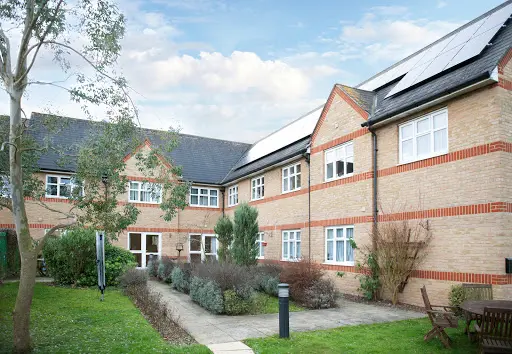
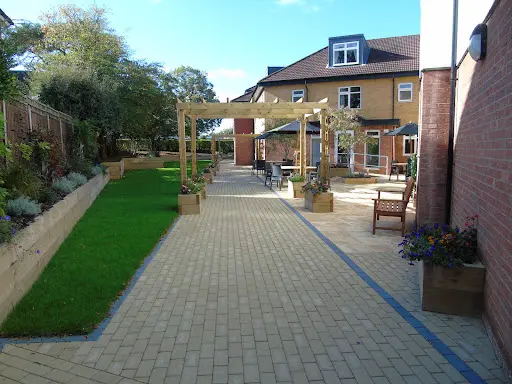
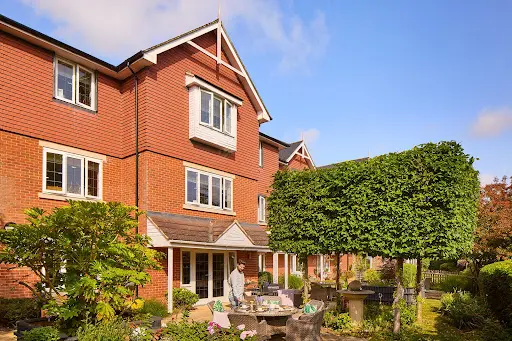
The home maintains high standards of cleanliness throughout, something visitors regularly notice. Pleasant gardens provide outdoor space for residents to enjoy when the weather's nice. Those who've sampled the food report it's tasty and well-presented.
“For families considering Clara Court, the overall sense is of a care home where residents find companionship and staff work hard to create a positive environment.”
DCC does not edit or curate content in this tab. For independently curated information, see The Evidence and DCC Verdict.