St Mark's Care Home – Bupa
At a Glance
The information you need to decide whether this home warrants a closer look.
Nursing homes
Staff warmth score
of reviewers answered yes
Good to know
- Registered beds80
- SpecialismsCaring for adults over 65 yrs, Caring for adults under 65 yrs, Dementia, Physical disabilities
- Last inspected2019-03-07
Save St Mark's Care Home – Bupa to your shortlist
Keep a running list, add visit notes, and compare homes side-by-side. Free account — it takes a minute.
STAGE 4 — RESEARCHING CARE HOMES
Visit homes. Compare them side by side. Choose with confidence.
Most of us will view care homes the way we view houses, impression, atmosphere, the feeling in the corridor. We go home, try to remember what we saw, and make a permanent decision from a blurred memory.

The DCC shortlist gives every home you visit a structured record: the same twelve questions, answered the same way, every time. When you’re ready to choose, pull any two homes side by side and compare them directly. Same criteria, same evidence, your notes and your scores.
The Evidence
What the review data, the inspection reports, and the dementia-care evidence base tell us about this home.
What families say
What strikes visitors here is how residents stay connected to life's pleasures. Whether it's morning activities in the garden or afternoon performances in the lounge, there's a rhythm to each day that keeps people engaged without pressure. Families talk about seeing their relatives choose activities they enjoy — from quiet jigsaws to lively music sessions — and feeling genuinely included when they visit.
The eight family priority themes
- Staff warmth30
- Compassion & dignity30
- Cleanliness35
- Activities & engagement30
- Food quality30
- Healthcare30
- Management & leadership25
- Resident happiness30
What inspectors found
Inspected 2019-03-07
Is this home safe?
Is the care effective?
The Effective domain was rated Requires Improvement at the September 2025 inspection. The published report does not specify what prompted this rating. Effective covers training, care planning, healthcare access, nutrition and hydration, and whether staff have the skills to meet the needs of the people in their care. For a home that lists dementia as a specialism, a Requires Improvement rating in this domain raises particular questions about dementia-specific training and the quality of individual care plans.Is this home caring?
The Caring domain was rated Requires Improvement at the September 2025 inspection. The published summary contains no specific observations about staff interactions, dignity, or the experiences of residents or their families. Caring normally covers whether staff treat residents with warmth and respect, whether privacy is maintained, whether people are addressed by their preferred names, and whether independence is encouraged. The rating indicates inspectors found shortfalls in at least some of these areas.Is the home responsive?
The Responsive domain was rated Requires Improvement at the September 2025 inspection. The published report does not provide specific detail about activities, engagement, or how the home responds to individual needs. Responsive covers whether people have meaningful things to do, whether activities are tailored to individuals rather than offered only as group sessions, and whether the home acts on complaints and feedback. For people with dementia or physical disabilities, responsiveness to individual need is a particularly important quality marker.Is the home well-led?
The Well-led domain was rated Requires Improvement at the September 2025 inspection. The home is registered with a named manager and a nominated individual from Bupa Care Homes (ANS) Limited. The published summary provides no detail about what governance or leadership concerns were identified. Well-led covers whether management is visible and accountable, whether staff feel supported to speak up, whether the home learns from incidents, and whether quality monitoring is genuinely effective rather than a paper exercise.
Source: CQC inspection report →
What the evidence base says
St Mark's cares for adults over 65 with dementia and physical disabilities, structuring support around individual needs while maintaining independence where possible. The twice-daily activity programme is designed with dementia in mind, offering structure without rigidity. Staff understand the importance of patience and clear communication, adapting their approach as residents' needs change over time. All areas worth probing directly during a visit.
The DCC Verdict
Our editorial view, built from the three lenses: what families tell us, what inspectors record, and how the home sits against good dementia-care practice.
DCC Family Score
Every domain at St Mark's Care Home was rated Requires Improvement at the September 2025 inspection, and the published report contains almost no specific observational detail to work from. This score reflects that serious concerns were identified across all five areas of care, not a minor shortfall in one or two.
Homes in South East typically score 68–82.The three-lens summary
What families tell us
What strikes visitors here is how residents stay connected to life's pleasures. Whether it's morning activities in the garden or afternoon performances in the lounge, there's a rhythm to each day that keeps people engaged without pressure. Families talk about seeing their relatives choose activities they enjoy — from quiet jigsaws to lively music sessions — and feeling genuinely included when they visit.
What inspectors have recorded
Staff here respond quickly when residents need them, keeping families in the loop about any changes or concerns. What really comes through is their composure on difficult days — that steady presence that makes such a difference with dementia. They've built strong protocols around medication and medical needs, but it's the human touch in how they deliver care that families remember.
How it sits against good practice
Some places just get the balance right — between professional care and personal warmth, between keeping residents safe and keeping them engaged with life.
Worth a visit
St Mark's Care Home in Maidenhead was rated Requires Improvement across all five domains at its most recent inspection, carried out in September 2025 and published in January 2026. That rating applies to Safe, Effective, Caring, Responsive, and Well-led simultaneously, which is a serious finding for an 80-bed nursing home supporting people with dementia and physical disabilities. The home is run by Bupa Care Homes (ANS) Limited, with a registered manager and nominated individual named in the registration. The published summary provides very little specific detail about what was found, which makes it genuinely difficult to advise you with confidence. What is clear is that this represents a significant decline from the home's previous Outstanding rating, awarded in 2019, and that every area of care needs improvement. Before visiting, call the home and ask what specific actions have been taken since the inspection report was published. On the visit itself, walk the corridors at a quiet time, count how many staff you actually see, and watch whether they acknowledge your parent or other residents without being prompted. If the manager cannot show you a written improvement plan with named actions and deadlines, treat that as a serious warning sign.
The three questions to ask when you visitSave this home. Compare it against your shortlist.
Let our analysis show you how St Mark's Care Home – Bupa measures up against the other homes you’re considering. Free account.
In Their Own Words
How St Mark's Care Home – Bupa describes itself — collected from its own website. DCC has not edited or independently verified the content in this tab.
Where patience meets purpose in every moment of care
Dedicated nursing home Support in Maidenhead
When dementia changes everything familiar, families need somewhere that feels right from the first visit. St Mark's in Maidenhead has built something special — a place where residents find genuine engagement throughout their days, and families discover the support they desperately need during life's toughest transitions.
Who they care for
St Mark's cares for adults over 65 with dementia and physical disabilities, structuring support around individual needs while maintaining independence where possible.
The twice-daily activity programme is designed with dementia in mind, offering structure without rigidity. Staff understand the importance of patience and clear communication, adapting their approach as residents' needs change over time.
“Some places just get the balance right — between professional care and personal warmth, between keeping residents safe and keeping them engaged with life.”
DCC does not edit or curate content in this tab. For independently curated information, see The Evidence and DCC Verdict.
The DCC Verdict
Our editorial view, built from the three lenses: what families tell us, what inspectors record, and how the home sits against good dementia-care practice.
DCC Family Score
Every domain at St Mark's Care Home was rated Requires Improvement at the September 2025 inspection, and the published report contains almost no specific observational detail to work from. This score reflects that serious concerns were identified across all five areas of care, not a minor shortfall in one or two.
Homes in South East typically score 68–82.The three-lens summary
What families tell us
What strikes visitors here is how residents stay connected to life's pleasures. Whether it's morning activities in the garden or afternoon performances in the lounge, there's a rhythm to each day that keeps people engaged without pressure. Families talk about seeing their relatives choose activities they enjoy — from quiet jigsaws to lively music sessions — and feeling genuinely included when they visit.
What inspectors have recorded
Staff here respond quickly when residents need them, keeping families in the loop about any changes or concerns. What really comes through is their composure on difficult days — that steady presence that makes such a difference with dementia. They've built strong protocols around medication and medical needs, but it's the human touch in how they deliver care that families remember.
How it sits against good practice
Some places just get the balance right — between professional care and personal warmth, between keeping residents safe and keeping them engaged with life.
Worth a visit
St Mark's Care Home in Maidenhead was rated Requires Improvement across all five domains at its most recent inspection, carried out in September 2025 and published in January 2026. That rating applies to Safe, Effective, Caring, Responsive, and Well-led simultaneously, which is a serious finding for an 80-bed nursing home supporting people with dementia and physical disabilities. The home is run by Bupa Care Homes (ANS) Limited, with a registered manager and nominated individual named in the registration. The published summary provides very little specific detail about what was found, which makes it genuinely difficult to advise you with confidence. What is clear is that this represents a significant decline from the home's previous Outstanding rating, awarded in 2019, and that every area of care needs improvement. Before visiting, call the home and ask what specific actions have been taken since the inspection report was published. On the visit itself, walk the corridors at a quiet time, count how many staff you actually see, and watch whether they acknowledge your parent or other residents without being prompted. If the manager cannot show you a written improvement plan with named actions and deadlines, treat that as a serious warning sign.
The three questions to ask when you visitSave this home. Compare it against your shortlist.
Let our analysis show you how St Mark's Care Home – Bupa measures up against the other homes you’re considering. Free account.
In Their Own Words
How St Mark's Care Home – Bupa describes itself — collected from its own website. DCC has not edited or independently verified the content in this tab.
Where patience meets purpose in every moment of care
Dedicated nursing home Support in Maidenhead
When dementia changes everything familiar, families need somewhere that feels right from the first visit. St Mark's in Maidenhead has built something special — a place where residents find genuine engagement throughout their days, and families discover the support they desperately need during life's toughest transitions.
Who they care for
St Mark's cares for adults over 65 with dementia and physical disabilities, structuring support around individual needs while maintaining independence where possible.
The twice-daily activity programme is designed with dementia in mind, offering structure without rigidity. Staff understand the importance of patience and clear communication, adapting their approach as residents' needs change over time.
Management & ethos
Staff here respond quickly when residents need them, keeping families in the loop about any changes or concerns. What really comes through is their composure on difficult days — that steady presence that makes such a difference with dementia. They've built strong protocols around medication and medical needs, but it's the human touch in how they deliver care that families remember.
The home & environment
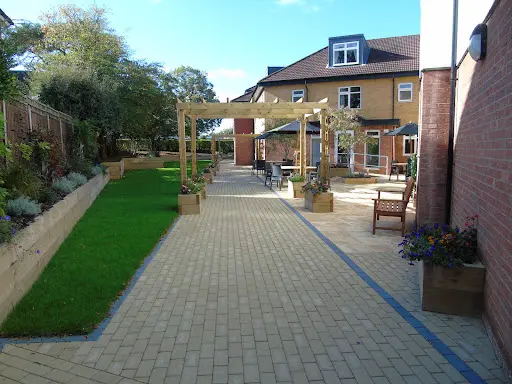
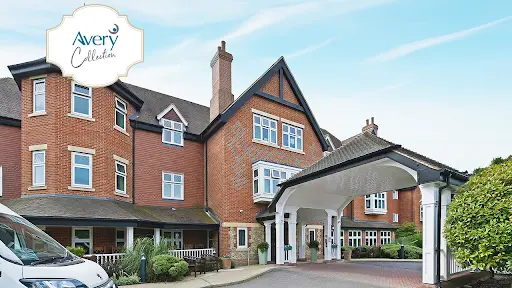
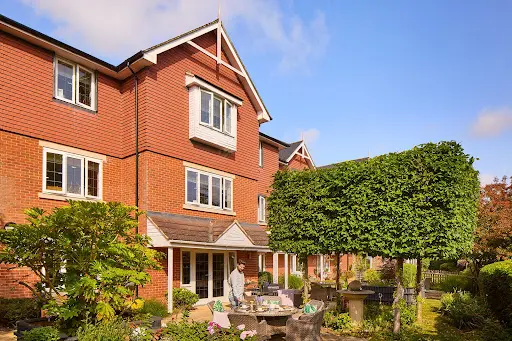
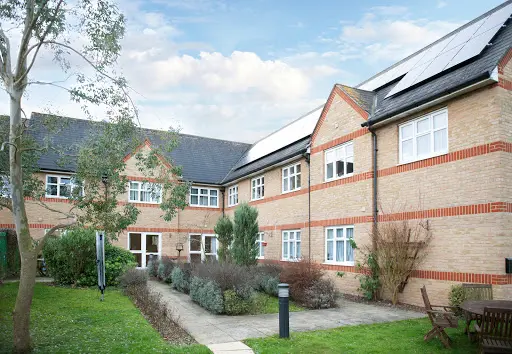
The purpose-built layout works beautifully for residents finding their way around, with modern touches that make daily life easier. Outside, the gardens get plenty of use for activities and quiet moments alike. Families mention how clean everything stays, and how the food offers enough variety to keep mealtimes interesting.
“Some places just get the balance right — between professional care and personal warmth, between keeping residents safe and keeping them engaged with life.”
DCC does not edit or curate content in this tab. For independently curated information, see The Evidence and DCC Verdict.