Signature at Ascot
At a Glance
The information you need to decide whether this home warrants a closer look.
Nursing homes
Staff warmth score
of reviewers answered yes
Good to know
- Registered beds80
- SpecialismsCaring for adults over 65 yrs, Caring for adults under 65 yrs, Dementia, Physical disabilities, Sensory impairment
- Last inspected2020-04-23
Save Signature at Ascot to your shortlist
Keep a running list, add visit notes, and compare homes side-by-side. Free account — it takes a minute.
STAGE 4 — RESEARCHING CARE HOMES
Visit homes. Compare them side by side. Choose with confidence.
Most of us will view care homes the way we view houses, impression, atmosphere, the feeling in the corridor. We go home, try to remember what we saw, and make a permanent decision from a blurred memory.

The DCC shortlist gives every home you visit a structured record: the same twelve questions, answered the same way, every time. When you’re ready to choose, pull any two homes side by side and compare them directly. Same criteria, same evidence, your notes and your scores.
The Evidence
What the review data, the inspection reports, and the dementia-care evidence base tell us about this home.
What families say
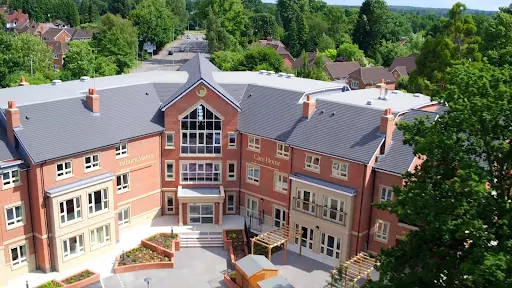
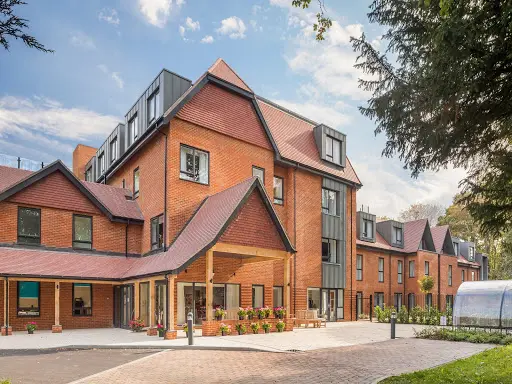
Families talk about rapid transformations here — residents who arrive anxious or withdrawn often settling within days and rediscovering their spark. The care team seems to understand that recovery isn't just physical; it's about feeling heard and valued during vulnerable times. People mention how the modern, spacious environment feels more like a quality hotel than a care setting, which clearly helps residents maintain their dignity.
The eight family priority themes
- Staff warmth72
- Compassion & dignity72
- Cleanliness70
- Activities & engagement68
- Food quality68
- Healthcare70
- Management & leadership72
- Resident happiness70
What inspectors found
Inspected 2020-04-23
Is this home safe?
Is the care effective?
The Effective domain was rated Good at the February 2020 inspection. The home is registered to care for people living with dementia, people with physical disabilities, and people with sensory impairments, which implies the need for specialist training and detailed care planning. No specific information about training programmes, care plan content, GP access arrangements, nutrition and hydration monitoring, or how individual preferences are recorded is included in the published report.Is this home caring?
The Caring domain was rated Good at the February 2020 inspection. No inspector observations about staff interactions, use of preferred names, response to distress, or unhurried pace of care are included in the published report. No quotes from people living at the home or from relatives are recorded in the published findings.Is the home responsive?
The Responsive domain was rated Good at the February 2020 inspection. The home is registered to care for people with dementia, physical disabilities, and sensory impairments, which implies a need for individually tailored activities and engagement. No specific information about the activity programme, one-to-one engagement, complaints handling, or end-of-life care planning is included in the published report.Is the home well-led?
The Well-led domain was rated Good at the February 2020 inspection. A named registered manager and a nominated individual are recorded as being in post. No specific information about the manager's visibility, tenure, staff culture, governance systems, complaint handling, or how the home responds to feedback is included in the published report.
Source: CQC inspection report →
What the evidence base says
The home provides specialist support for physical disabilities, sensory impairments and dementia care, alongside general care for adults over and under 65. They have physiotherapy services that families credit with genuine mobility improvements. For residents with dementia, the team appears particularly skilled at managing the emotional aspects of transition. Families describe how staff help residents adjust to their new environment with patience and understanding, often seeing improvements in mood and confidence as people settle. All areas worth probing directly during a visit.
The DCC Verdict
Our editorial view, built from the three lenses: what families tell us, what inspectors record, and how the home sits against good dementia-care practice.
DCC Family Score
Signature at Ascot received a Good rating across all five inspection domains in February 2020, which is a positive baseline. However, the published report contains very limited specific detail, so scores reflect a confirmed Good rating rather than rich, observed evidence.
Homes in South East typically score 68–82.The three-lens summary
What families tell us
Families talk about rapid transformations here — residents who arrive anxious or withdrawn often settling within days and rediscovering their spark. The care team seems to understand that recovery isn't just physical; it's about feeling heard and valued during vulnerable times. People mention how the modern, spacious environment feels more like a quality hotel than a care setting, which clearly helps residents maintain their dignity.
What inspectors have recorded
What comes through strongly is how the team responds to both planned and unexpected needs. Families describe staff who notice the small things — when someone needs extra reassurance, when mobility is improving, when a resident might benefit from specialist input. The home maintains an open-door culture where children, pets and extended family are genuinely welcomed, with refreshments always on hand for visitors.
How it sits against good practice
It's clear this is a place where recovery — whether physical or emotional — is taken seriously, wrapped in the kind of genuine warmth that helps people heal.
Worth a visit
Signature at Ascot, on Burleigh Road in Ascot, was rated Good across all five inspection domains following an inspection in February 2020. That is a solid baseline. The home is registered to care for up to 80 people, including people living with dementia, people with physical disabilities, and people with sensory impairments, and it provides nursing-level care alongside personal care. The main limitation of this report is that the published findings contain very little specific detail. There are no inspector observations, no quotes from your mum or dad or from relatives, and no descriptions of what life actually looks like day to day. A Good rating is meaningful, but it tells you less than a report rich with direct evidence. When you visit, treat the inspection as a starting point and test it yourself: watch how staff speak to people in corridors, ask to see last week's actual staffing rota rather than a template, and ask specifically how many permanent staff work nights on any dementia unit.
The three questions to ask when you visitSave this home. Compare it against your shortlist.
Let our analysis show you how Signature at Ascot measures up against the other homes you’re considering. Free account.
In Their Own Words
How Signature at Ascot describes itself — collected from its own website. DCC has not edited or independently verified the content in this tab.
Where rehabilitation meets genuine warmth in Ascot
Signature at Ascot – Expert Care in Ascot
When families describe watching their loved ones regain mobility and confidence within weeks, you know something special is happening. Signature at Ascot brings together modern rehabilitation facilities with the kind of attentive care that helps residents not just recover, but genuinely flourish. Set in the heart of this Berkshire town, the home specialises in supporting people through significant transitions — whether that's post-surgery recovery or adjusting to life with dementia.
Who they care for
The home provides specialist support for physical disabilities, sensory impairments and dementia care, alongside general care for adults over and under 65. They have physiotherapy services that families credit with genuine mobility improvements.
For residents with dementia, the team appears particularly skilled at managing the emotional aspects of transition. Families describe how staff help residents adjust to their new environment with patience and understanding, often seeing improvements in mood and confidence as people settle.
“It's clear this is a place where recovery — whether physical or emotional — is taken seriously, wrapped in the kind of genuine warmth that helps people heal.”
DCC does not edit or curate content in this tab. For independently curated information, see The Evidence and DCC Verdict.
The DCC Verdict
Our editorial view, built from the three lenses: what families tell us, what inspectors record, and how the home sits against good dementia-care practice.
DCC Family Score
Signature at Ascot received a Good rating across all five inspection domains in February 2020, which is a positive baseline. However, the published report contains very limited specific detail, so scores reflect a confirmed Good rating rather than rich, observed evidence.
Homes in South East typically score 68–82.The three-lens summary
What families tell us
Families talk about rapid transformations here — residents who arrive anxious or withdrawn often settling within days and rediscovering their spark. The care team seems to understand that recovery isn't just physical; it's about feeling heard and valued during vulnerable times. People mention how the modern, spacious environment feels more like a quality hotel than a care setting, which clearly helps residents maintain their dignity.
What inspectors have recorded
What comes through strongly is how the team responds to both planned and unexpected needs. Families describe staff who notice the small things — when someone needs extra reassurance, when mobility is improving, when a resident might benefit from specialist input. The home maintains an open-door culture where children, pets and extended family are genuinely welcomed, with refreshments always on hand for visitors.
How it sits against good practice
It's clear this is a place where recovery — whether physical or emotional — is taken seriously, wrapped in the kind of genuine warmth that helps people heal.
Worth a visit
Signature at Ascot, on Burleigh Road in Ascot, was rated Good across all five inspection domains following an inspection in February 2020. That is a solid baseline. The home is registered to care for up to 80 people, including people living with dementia, people with physical disabilities, and people with sensory impairments, and it provides nursing-level care alongside personal care. The main limitation of this report is that the published findings contain very little specific detail. There are no inspector observations, no quotes from your mum or dad or from relatives, and no descriptions of what life actually looks like day to day. A Good rating is meaningful, but it tells you less than a report rich with direct evidence. When you visit, treat the inspection as a starting point and test it yourself: watch how staff speak to people in corridors, ask to see last week's actual staffing rota rather than a template, and ask specifically how many permanent staff work nights on any dementia unit.
The three questions to ask when you visitSave this home. Compare it against your shortlist.
Let our analysis show you how Signature at Ascot measures up against the other homes you’re considering. Free account.
In Their Own Words
How Signature at Ascot describes itself — collected from its own website. DCC has not edited or independently verified the content in this tab.
Where rehabilitation meets genuine warmth in Ascot
Signature at Ascot – Expert Care in Ascot
When families describe watching their loved ones regain mobility and confidence within weeks, you know something special is happening. Signature at Ascot brings together modern rehabilitation facilities with the kind of attentive care that helps residents not just recover, but genuinely flourish. Set in the heart of this Berkshire town, the home specialises in supporting people through significant transitions — whether that's post-surgery recovery or adjusting to life with dementia.
Who they care for
The home provides specialist support for physical disabilities, sensory impairments and dementia care, alongside general care for adults over and under 65. They have physiotherapy services that families credit with genuine mobility improvements.
For residents with dementia, the team appears particularly skilled at managing the emotional aspects of transition. Families describe how staff help residents adjust to their new environment with patience and understanding, often seeing improvements in mood and confidence as people settle.
Management & ethos
What comes through strongly is how the team responds to both planned and unexpected needs. Families describe staff who notice the small things — when someone needs extra reassurance, when mobility is improving, when a resident might benefit from specialist input. The home maintains an open-door culture where children, pets and extended family are genuinely welcomed, with refreshments always on hand for visitors.
The home & environment
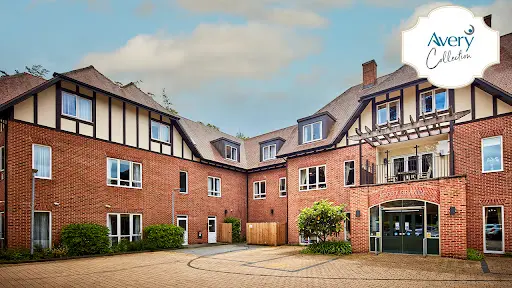
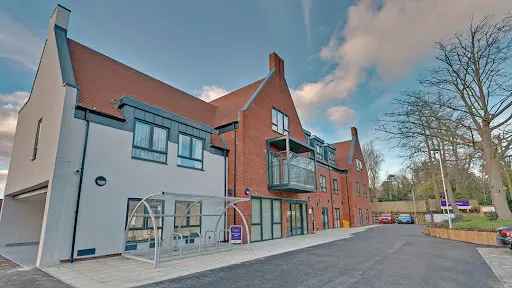
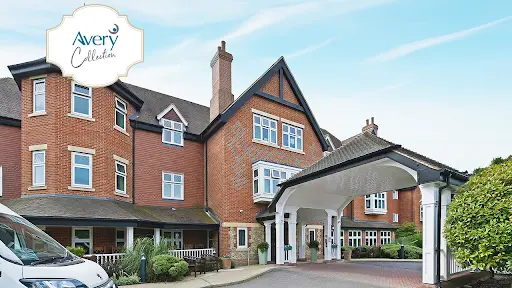
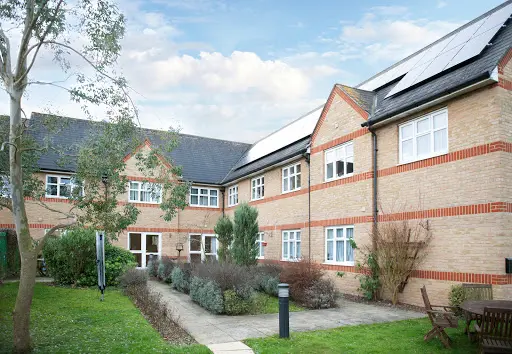
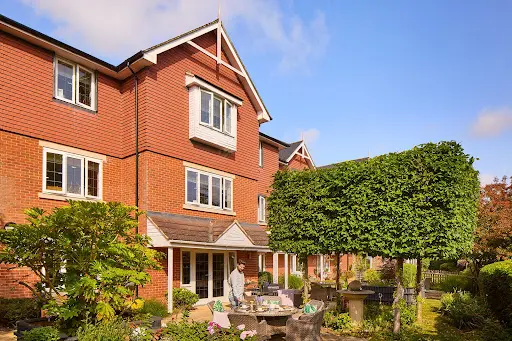
The food here gets consistent praise — families describe restaurant-quality meals with genuine choice and fresh preparation throughout the day. The building itself strikes that difficult balance between being properly equipped for care needs while feeling welcoming and comfortable. There's regular live music and organised activities that families say keep their relatives engaged, plus grounds that residents actually use and enjoy.
“It's clear this is a place where recovery — whether physical or emotional — is taken seriously, wrapped in the kind of genuine warmth that helps people heal.”
DCC does not edit or curate content in this tab. For independently curated information, see The Evidence and DCC Verdict.