Whittington House | Care Home in Cheltenham
At a Glance
The information you need to decide whether this home warrants a closer look.
Nursing homes
Staff warmth score
of reviewers answered yes
Good to know
- Registered beds66
- SpecialismsCaring for adults over 65 yrs, Caring for adults under 65 yrs, Dementia, Physical disabilities, Sensory impairment
- Last inspected2022-11-11
Save Whittington House | Care Home in Cheltenham to your shortlist
Keep a running list, add visit notes, and compare homes side-by-side. Free account — it takes a minute.
STAGE 4 — RESEARCHING CARE HOMES
Visit homes. Compare them side by side. Choose with confidence.
Most of us will view care homes the way we view houses, impression, atmosphere, the feeling in the corridor. We go home, try to remember what we saw, and make a permanent decision from a blurred memory.

The DCC shortlist gives every home you visit a structured record: the same twelve questions, answered the same way, every time. When you’re ready to choose, pull any two homes side by side and compare them directly. Same criteria, same evidence, your notes and your scores.
The Evidence
What the review data, the inspection reports, and the dementia-care evidence base tell us about this home.
What families say
The atmosphere here seems to catch visitors by surprise — in a good way. People describe finding residents chatting in the lounges or enjoying entertainment sessions, with staff who genuinely seem pleased to see everyone who comes through the door. Those first visits, which can feel so daunting, are handled with real thoughtfulness.
The eight family priority themes
- Staff warmth82
- Compassion & dignity82
- Cleanliness75
- Activities & engagement90
- Food quality72
- Healthcare78
- Management & leadership78
- Resident happiness85
What inspectors found
Inspected 2022-11-11
Is this home safe?
Is the care effective?
The Effective domain was rated Good, covering care planning, staff training, healthcare access, nutrition, and hydration. The published summary does not include specific examples of care plan content, GP visit frequency, or dementia training provision. The home supports a specialist population including people with dementia and sensory impairment, which means the bar for effective practice is higher than in a standard residential setting. The improvement from the previous cycle suggests that effectiveness concerns identified previously were acted upon. No specific staff qualification data or training records are referenced in the available text.Is this home caring?
The Caring domain was rated Good, covering staff warmth, dignity, respect, and support for independence. The published summary does not include specific inspector observations of staff interactions, resident testimony, or examples of dignity practice such as knocking before entering rooms or using preferred names. A Good Caring rating requires inspectors to have found satisfactory evidence across these areas. The home's population includes people with dementia and sensory impairment, for whom non-verbal communication and consistent, familiar staff relationships are especially important. No specific quotes from residents or relatives are recorded in the available text.Is the home responsive?
The Responsive domain was rated Outstanding, the highest possible rating and the clearest strength in this inspection. Outstanding in Responsive means inspectors found specific, compelling evidence that the home tailors its approach to individual needs rather than running a one-size-fits-all programme. This typically includes evidence of meaningful, varied activities, attention to personal preferences and life histories, flexible routines, and strong complaint handling. The published summary does not reproduce the specific observations behind this rating, but Outstanding is awarded to a small minority of services and represents a genuine distinction. The home supports people with dementia, physical disabilities, and sensory impairment, making tailored responsiveness particularly important.Is the home well-led?
The Well-led domain was rated Good, covering leadership culture, governance, staff support, and accountability. Named responsible persons are registered with the regulator: Ms Kirsty Hopton as registered manager and Mrs Rebecca Garwood as nominated individual. The improvement from a previous Requires Improvement rating across multiple domains indicates that the leadership team was able to identify problems and drive improvement, which is a meaningful indicator of management effectiveness. The published summary does not include detail on manager tenure, staff survey results, or how the home handles concerns raised by families or staff. No specific examples of governance processes are recorded in the available text.
Source: CQC inspection report →
What the evidence base says
The team here works with people who have physical disabilities and sensory impairments, as well as caring for adults both under and over 65. They also support people living with dementia. For those living with dementia, the home provides specialist care as part of their wider support. The staff understand the particular challenges dementia brings, working to create an environment where people feel secure and valued. All areas worth probing directly during a visit.
The DCC Verdict
Our editorial view, built from the three lenses: what families tell us, what inspectors record, and how the home sits against good dementia-care practice.
DCC Family Score
Whittington House scores well overall, driven by an Outstanding rating for responsiveness and solid Good ratings across all other domains. The score reflects genuinely positive inspection findings, tempered by the limited specific detail available in the published report summary.
Homes in South West typically score 68–82.The three-lens summary
What families tell us
The atmosphere here seems to catch visitors by surprise — in a good way. People describe finding residents chatting in the lounges or enjoying entertainment sessions, with staff who genuinely seem pleased to see everyone who comes through the door. Those first visits, which can feel so daunting, are handled with real thoughtfulness.
What inspectors have recorded
How it sits against good practice
If you're thinking about Whittington House, it might help to visit and get a feel for the place yourself.
Worth a visit
Whittington House Nursing Home, at 58 Whittington Road, Cheltenham, was rated Good overall at its most recent inspection in September 2022, with an Outstanding rating specifically for Responsive care. This represents a meaningful improvement from a previous Requires Improvement rating, indicating that the leadership team identified problems and acted on them. The home supports 66 residents, including people living with dementia, physical disabilities, and sensory impairment, and the Outstanding Responsive rating is the strongest signal available that individual needs and preferences are being taken seriously. The published inspection summary is brief, so much of the specific detail behind the ratings, including staffing ratios, care plan content, food quality, and dementia training, is not available in the text. Before visiting, prepare a shortlist of direct questions around night staffing numbers, agency staff use, and how families are kept informed when something changes. On the day, pay close attention to whether staff interact with your parent by their preferred name, whether the pace feels unhurried, and whether residents in communal areas look settled and engaged rather than just present.
The three questions to ask when you visitSave this home. Compare it against your shortlist.
Let our analysis show you how Whittington House | Care Home in Cheltenham measures up against the other homes you’re considering. Free account.
In Their Own Words
How Whittington House | Care Home in Cheltenham describes itself — collected from its own website. DCC has not edited or independently verified the content in this tab.
Cheltenham nursing home where visitors feel the warmth straight away
Nursing home in Cheltenham: True Peace of Mind
There's something about the welcome at Whittington House Nursing Home in Cheltenham that puts people at ease from the moment they walk through the door. Visitors often mention how staff take time to explain everything properly, whether you're looking around for the first time or popping in to see someone you love. The home sits in the heart of this South West town, caring for people with a range of needs.
Who they care for
The team here works with people who have physical disabilities and sensory impairments, as well as caring for adults both under and over 65. They also support people living with dementia.
For those living with dementia, the home provides specialist care as part of their wider support. The staff understand the particular challenges dementia brings, working to create an environment where people feel secure and valued.
“If you're thinking about Whittington House, it might help to visit and get a feel for the place yourself.”
DCC does not edit or curate content in this tab. For independently curated information, see The Evidence and DCC Verdict.
The DCC Verdict
Our editorial view, built from the three lenses: what families tell us, what inspectors record, and how the home sits against good dementia-care practice.
DCC Family Score
Whittington House scores well overall, driven by an Outstanding rating for responsiveness and solid Good ratings across all other domains. The score reflects genuinely positive inspection findings, tempered by the limited specific detail available in the published report summary.
Homes in South West typically score 68–82.The three-lens summary
What families tell us
The atmosphere here seems to catch visitors by surprise — in a good way. People describe finding residents chatting in the lounges or enjoying entertainment sessions, with staff who genuinely seem pleased to see everyone who comes through the door. Those first visits, which can feel so daunting, are handled with real thoughtfulness.
What inspectors have recorded
How it sits against good practice
If you're thinking about Whittington House, it might help to visit and get a feel for the place yourself.
Worth a visit
Whittington House Nursing Home, at 58 Whittington Road, Cheltenham, was rated Good overall at its most recent inspection in September 2022, with an Outstanding rating specifically for Responsive care. This represents a meaningful improvement from a previous Requires Improvement rating, indicating that the leadership team identified problems and acted on them. The home supports 66 residents, including people living with dementia, physical disabilities, and sensory impairment, and the Outstanding Responsive rating is the strongest signal available that individual needs and preferences are being taken seriously. The published inspection summary is brief, so much of the specific detail behind the ratings, including staffing ratios, care plan content, food quality, and dementia training, is not available in the text. Before visiting, prepare a shortlist of direct questions around night staffing numbers, agency staff use, and how families are kept informed when something changes. On the day, pay close attention to whether staff interact with your parent by their preferred name, whether the pace feels unhurried, and whether residents in communal areas look settled and engaged rather than just present.
The three questions to ask when you visitSave this home. Compare it against your shortlist.
Let our analysis show you how Whittington House | Care Home in Cheltenham measures up against the other homes you’re considering. Free account.
In Their Own Words
How Whittington House | Care Home in Cheltenham describes itself — collected from its own website. DCC has not edited or independently verified the content in this tab.
Cheltenham nursing home where visitors feel the warmth straight away
Nursing home in Cheltenham: True Peace of Mind
There's something about the welcome at Whittington House Nursing Home in Cheltenham that puts people at ease from the moment they walk through the door. Visitors often mention how staff take time to explain everything properly, whether you're looking around for the first time or popping in to see someone you love. The home sits in the heart of this South West town, caring for people with a range of needs.
Who they care for
The team here works with people who have physical disabilities and sensory impairments, as well as caring for adults both under and over 65. They also support people living with dementia.
For those living with dementia, the home provides specialist care as part of their wider support. The staff understand the particular challenges dementia brings, working to create an environment where people feel secure and valued.
The home & environment
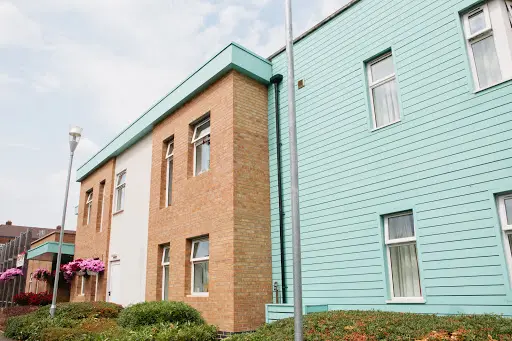
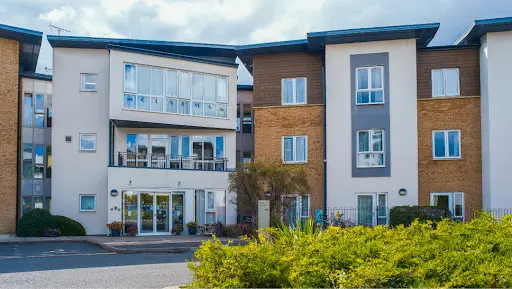
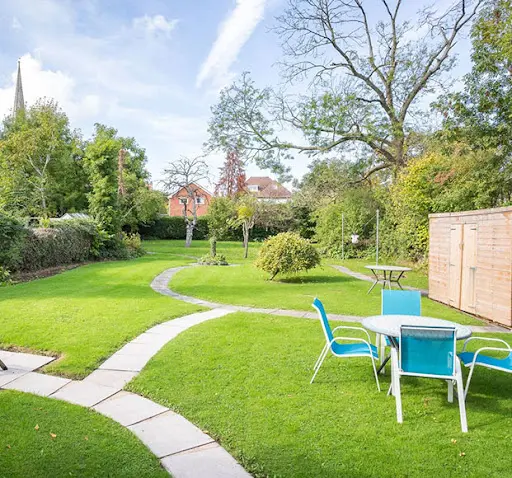
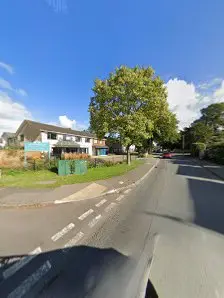
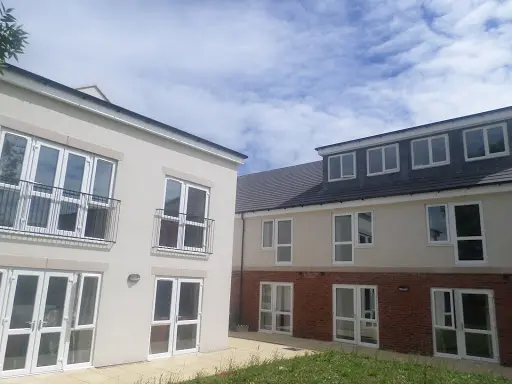
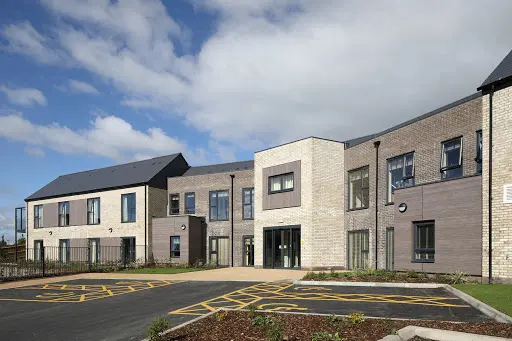
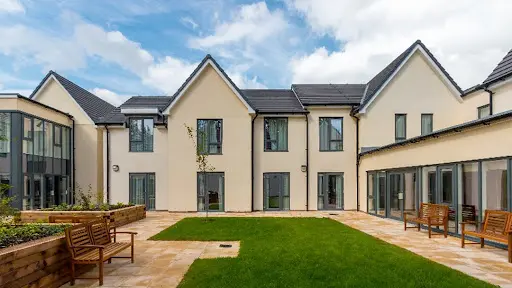
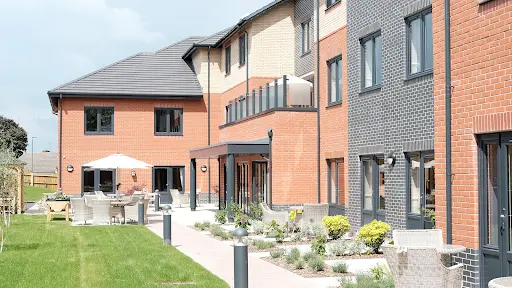
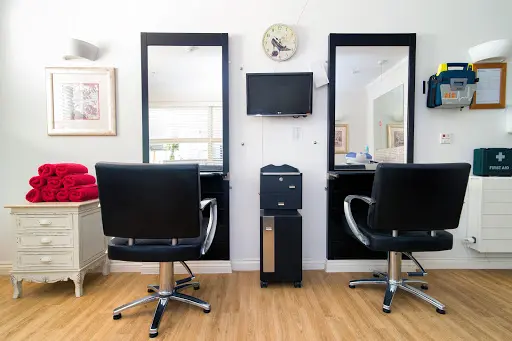
The communal areas give residents plenty of space to spend time together, with clean, well-kept rooms and gardens that get proper use. People talk about the food too — good home cooking, with residents enjoying their coffee and cake in the afternoons.
“If you're thinking about Whittington House, it might help to visit and get a feel for the place yourself.”
DCC does not edit or curate content in this tab. For independently curated information, see The Evidence and DCC Verdict.