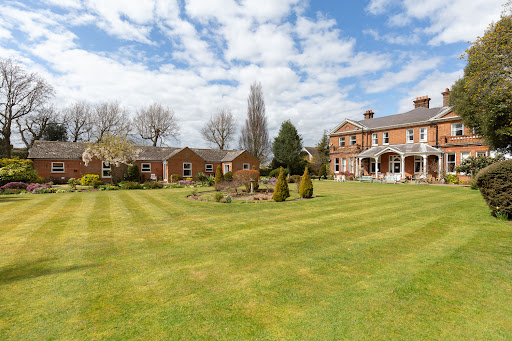
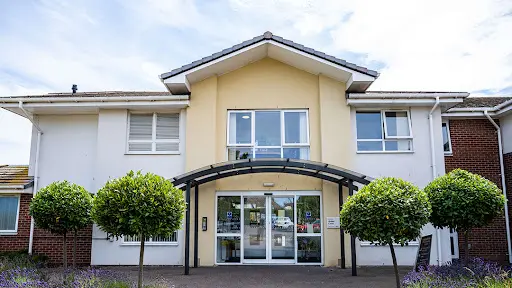
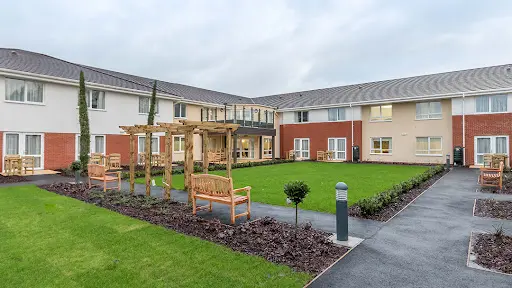
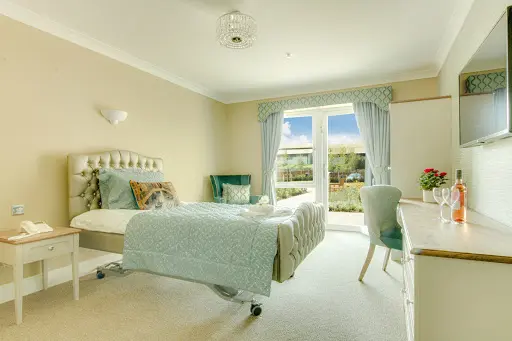
White Gables
At a Glance
The information you need to decide whether this home warrants a closer look.
Residential homes
Staff warmth score
of reviewers answered yes
Good to know
- Registered beds37
- SpecialismsCaring for adults over 65 yrs, Caring for adults under 65 yrs, Dementia, Physical disabilities, Sensory impairment
- Last inspected2019-05-11
Save White Gables to your shortlist
Keep a running list, add visit notes, and compare homes side-by-side. Free account — it takes a minute.
STAGE 4 — RESEARCHING CARE HOMES
Visit homes. Compare them side by side. Choose with confidence.
Most of us will view care homes the way we view houses, impression, atmosphere, the feeling in the corridor. We go home, try to remember what we saw, and make a permanent decision from a blurred memory.

The DCC shortlist gives every home you visit a structured record: the same twelve questions, answered the same way, every time. When you’re ready to choose, pull any two homes side by side and compare them directly. Same criteria, same evidence, your notes and your scores.
The Evidence
What the review data, the inspection reports, and the dementia-care evidence base tell us about this home.
What families say
The eight family priority themes
- Staff warmth85
- Compassion & dignity88
- Cleanliness70
- Activities & engagement80
- Food quality60
- Healthcare65
- Management & leadership85
- Resident happiness80
What inspectors found
Inspected 2019-05-11
Is this home safe?
Is the care effective?
The home received a Good rating for effectiveness, which covers staff training, care planning, healthcare access, and how well the home meets each person's individual needs. The home lists dementia as a specialism, so inspectors would have expected to see dementia-specific training and care approaches in place. A Good rating means the standard was met but does not indicate exceptional practice in this domain. No specific detail about food, GP access, or training content is available in the published summary.Is this home caring?
Caring was rated Outstanding — the highest possible standard — at the April 2019 inspection. This is the domain that most directly captures whether staff are kind, whether your parent's dignity is respected, and whether they are treated as an individual rather than as a task to be completed. An Outstanding rating in this domain requires inspectors to have found direct, specific evidence — through observation, resident testimony, or relative feedback — of genuinely compassionate care. This is the domain most closely aligned with what families tell us matters most when choosing a home.Is the home responsive?
Responsive was rated Outstanding, indicating that inspectors found strong, specific evidence that the home tailors its care and activities to individual people rather than running a one-size-fits-all programme. For people living with dementia, this is especially significant — it suggests the home looks for ways to maintain identity, independence, and engagement even as needs change. The responsive domain also covers end-of-life planning and how the home responds to complaints. No direct quotes or specific examples are available in the published summary.Is the home well-led?
Well-led was rated Outstanding at the April 2019 inspection. The home has a named registered manager — Mrs Rebecca Louise Maskell — and a nominated individual — Mr Mohammad Asif Raja — both recorded in the inspection. An Outstanding well-led rating requires inspectors to have found evidence of a positive culture, accountable governance, staff who feel able to speak up, and clear improvement mechanisms. This rating strongly predicts quality stability when it is sustained by consistent leadership.
Source: CQC inspection report →
What the evidence base says
The home provides care for adults both under and over 65, supporting people with physical disabilities and sensory impairments. This broad range means they're set up to help residents with different mobility needs and communication requirements. White Gables includes dementia care among its specialisms. For families navigating this difficult journey, it's worth asking about their specific approach to supporting residents with memory loss and how they adapt care as needs change. All areas worth probing directly during a visit.
The DCC Verdict
Our editorial view, built from the three lenses: what families tell us, what inspectors record, and how the home sits against good dementia-care practice.
DCC Family Score
White Gables scored strongly on the themes families care about most — warmth, dignity, and visible leadership — reflecting its Outstanding ratings in caring, responsiveness, and leadership, though the inspection report provides limited specific detail on food, healthcare, and cleanliness.
Homes in East typically score 68–82.Worth a visit
White Gables Residential Care Home in Felixstowe holds an Overall Outstanding rating — the highest possible — following an inspection carried out in April 2019. Three of its five domains were rated Outstanding: caring, responsive, and well-led. This is a genuinely rare combination and suggests inspectors found real, specific evidence of kind staff, a rich and individualised life for residents, and confident, accountable leadership. Safety and effectiveness were both rated Good, meaning the home met the expected standard in medicines, staffing, training, and healthcare. The home supports people living with dementia as a named specialism, and the Outstanding caring and responsive ratings are particularly significant for families in that situation. The main uncertainty here is time. This inspection took place in April 2019 — over six years ago at the time of writing — and a 2023 monitoring review found no reason to change the rating. However, no full re-inspection has taken place since then, and a lot can change in six years: managers move on, staff teams shift, occupancy pressures build. The published inspection summary is also brief, which means important practical details — food, night staffing, agency use, outdoor access, one-to-one engagement for people with advanced dementia — cannot be verified from the report alone. When you visit, ask to stay for a mealtime, walk the whole building including the quieter areas in the afternoon, and ask directly: 'How long has the current manager been here, and what proportion of your shifts are covered by agency staff?'
The three questions to ask when you visitSave this home. Compare it against your shortlist.
Let our analysis show you how White Gables measures up against the other homes you’re considering. Free account.
In Their Own Words
How White Gables describes itself — collected from its own website. DCC has not edited or independently verified the content in this tab.
Specialist care for different ages and needs in coastal Felixstowe
White Gables Residential Care Home – Your Trusted residential home
Finding the right care home means matching specific needs with the right expertise. White Gables Residential Care Home in East Felixstowe specialises in supporting people with quite different requirements — from younger adults with physical disabilities to older residents living with dementia. This flexibility can be particularly valuable for families looking for somewhere that understands varied care needs.
Who they care for
The home provides care for adults both under and over 65, supporting people with physical disabilities and sensory impairments. This broad range means they're set up to help residents with different mobility needs and communication requirements.
White Gables includes dementia care among its specialisms. For families navigating this difficult journey, it's worth asking about their specific approach to supporting residents with memory loss and how they adapt care as needs change.
“As a developing service, visiting White Gables will give you the clearest picture of whether it feels right for your family member's particular needs.”
DCC does not edit or curate content in this tab. For independently curated information, see The Evidence and DCC Verdict.
The DCC Verdict
Our editorial view, built from the three lenses: what families tell us, what inspectors record, and how the home sits against good dementia-care practice.
DCC Family Score
White Gables scored strongly on the themes families care about most — warmth, dignity, and visible leadership — reflecting its Outstanding ratings in caring, responsiveness, and leadership, though the inspection report provides limited specific detail on food, healthcare, and cleanliness.
Homes in East typically score 68–82.Worth a visit
White Gables Residential Care Home in Felixstowe holds an Overall Outstanding rating — the highest possible — following an inspection carried out in April 2019. Three of its five domains were rated Outstanding: caring, responsive, and well-led. This is a genuinely rare combination and suggests inspectors found real, specific evidence of kind staff, a rich and individualised life for residents, and confident, accountable leadership. Safety and effectiveness were both rated Good, meaning the home met the expected standard in medicines, staffing, training, and healthcare. The home supports people living with dementia as a named specialism, and the Outstanding caring and responsive ratings are particularly significant for families in that situation. The main uncertainty here is time. This inspection took place in April 2019 — over six years ago at the time of writing — and a 2023 monitoring review found no reason to change the rating. However, no full re-inspection has taken place since then, and a lot can change in six years: managers move on, staff teams shift, occupancy pressures build. The published inspection summary is also brief, which means important practical details — food, night staffing, agency use, outdoor access, one-to-one engagement for people with advanced dementia — cannot be verified from the report alone. When you visit, ask to stay for a mealtime, walk the whole building including the quieter areas in the afternoon, and ask directly: 'How long has the current manager been here, and what proportion of your shifts are covered by agency staff?'
The three questions to ask when you visitSave this home. Compare it against your shortlist.
Let our analysis show you how White Gables measures up against the other homes you’re considering. Free account.
In Their Own Words
How White Gables describes itself — collected from its own website. DCC has not edited or independently verified the content in this tab.
Specialist care for different ages and needs in coastal Felixstowe
White Gables Residential Care Home – Your Trusted residential home
Finding the right care home means matching specific needs with the right expertise. White Gables Residential Care Home in East Felixstowe specialises in supporting people with quite different requirements — from younger adults with physical disabilities to older residents living with dementia. This flexibility can be particularly valuable for families looking for somewhere that understands varied care needs.
Who they care for
The home provides care for adults both under and over 65, supporting people with physical disabilities and sensory impairments. This broad range means they're set up to help residents with different mobility needs and communication requirements.
White Gables includes dementia care among its specialisms. For families navigating this difficult journey, it's worth asking about their specific approach to supporting residents with memory loss and how they adapt care as needs change.
Management & ethos
Early feedback suggests the staff team are approachable and helpful when families visit. While it's still early days for detailed patterns to emerge, this initial impression of friendly staff is encouraging for those considering the home.
“As a developing service, visiting White Gables will give you the clearest picture of whether it feels right for your family member's particular needs.”
DCC does not edit or curate content in this tab. For independently curated information, see The Evidence and DCC Verdict.