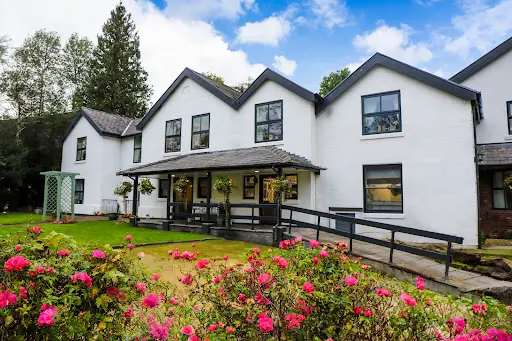
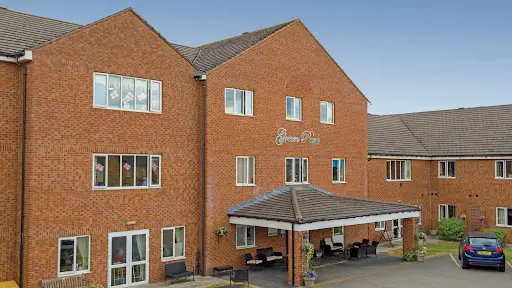
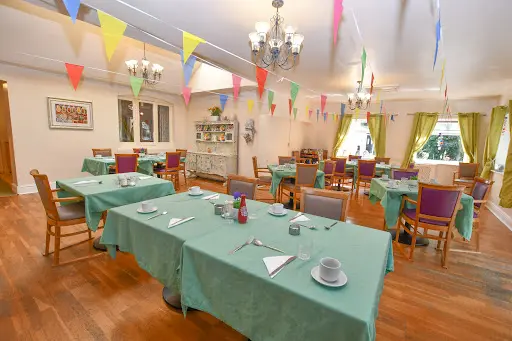
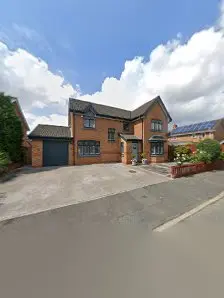
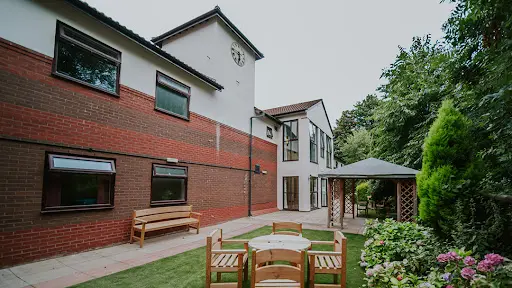
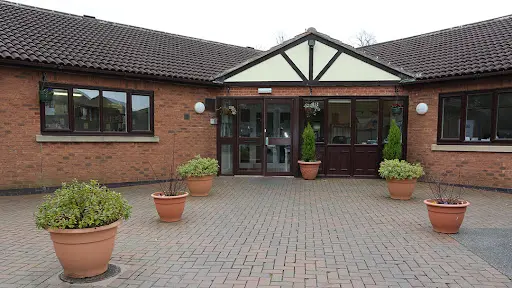
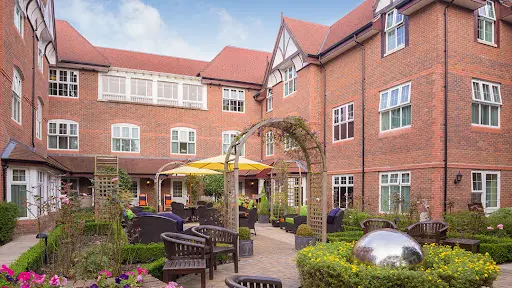
Victoria House Residential Care Home Ltd
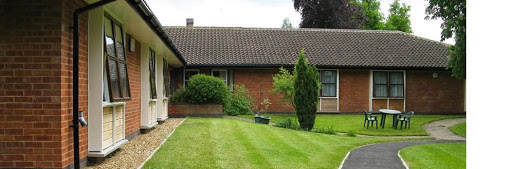
At a Glance
The information you need to decide whether this home warrants a closer look.
Residential homes
Staff warmth score
of reviewers answered yes
Good to know
- Registered beds30
- SpecialismsCaring for adults over 65 yrs, Caring for adults under 65 yrs, Dementia, Mental health conditions
- Last inspected2019-03-13
Save Victoria House Residential Care Home Ltd to your shortlist
Keep a running list, add visit notes, and compare homes side-by-side. Free account — it takes a minute.
STAGE 4 — RESEARCHING CARE HOMES
Visit homes. Compare them side by side. Choose with confidence.
Most of us will view care homes the way we view houses, impression, atmosphere, the feeling in the corridor. We go home, try to remember what we saw, and make a permanent decision from a blurred memory.

The DCC shortlist gives every home you visit a structured record: the same twelve questions, answered the same way, every time. When you’re ready to choose, pull any two homes side by side and compare them directly. Same criteria, same evidence, your notes and your scores.
The Evidence
What the review data, the inspection reports, and the dementia-care evidence base tell us about this home.
What families say
Families talk about feeling genuinely welcomed and included in the life of the home. There's a sense that staff remember the small things that matter — birthdays, preferences, the little rituals that help someone feel at ease. The team apparently extends this thoughtfulness to everyone, organizing wellness activities that bring residents and staff together.
The eight family priority themes
- Staff warmth55
- Compassion & dignity55
- Cleanliness60
- Activities & engagement50
- Food quality50
- Healthcare45
- Management & leadership65
- Resident happiness55
What inspectors found
Inspected 2019-03-13
Is this home safe?
Is the care effective?
Effective was rated Requires Improvement at the February 2019 inspection. This is the domain that covers whether staff have the right training and knowledge, whether care plans are detailed and regularly reviewed, whether residents have regular access to GPs and other health professionals, and whether the food meets individual dietary needs. The published summary does not explain which specific aspects failed to meet the standard, so the exact nature of the shortfall is not publicly recorded. The home has not been re-inspected since 2019, so it is not known whether these issues have been resolved.Is this home caring?
The Caring domain was rated Good at the February 2019 inspection. This domain covers how staff treat the people who live at the home: whether they are kind and respectful, whether they protect privacy, and whether they support independence. A Good rating here means inspectors were satisfied with what they observed. The published summary does not include specific examples of interactions, observer notes about staff behaviour, or direct quotes from residents or relatives, so the evidence available is general rather than specific.Is the home responsive?
Is the home well-led?
The Well-led domain was rated Good at the February 2019 inspection, and a named registered manager is recorded as in post. A nominated individual is also named, indicating a governance structure above the home level. The improvement from the previous overall Requires Improvement rating suggests that leadership took corrective action between inspections. The published summary does not record how long the current registered manager has been in post, whether there have been management changes since 2019, or how staff are supported and able to raise concerns.
Source: CQC inspection report →
What the evidence base says
The home provides specialist support for adults of all ages with dementia and mental health conditions. They're registered to care for both younger adults under 65 and older residents. The team's approach to dementia care appears rooted in stability and familiarity. With many long-serving staff members, residents benefit from carers who truly know them — their habits, triggers, and what brings them comfort. All areas worth probing directly during a visit.
The DCC Verdict
Our editorial view, built from the three lenses: what families tell us, what inspectors record, and how the home sits against good dementia-care practice.
DCC Family Score
Victoria House scored 72 out of 100. Most domains were rated Good at the last inspection, but the Requires Improvement rating in Effective, which covers training, care plans, and healthcare, pulls the score down and means there are real gaps Sarah should probe directly before deciding.
Homes in North West typically score 68–82.The three-lens summary
What families tell us
Families talk about feeling genuinely welcomed and included in the life of the home. There's a sense that staff remember the small things that matter — birthdays, preferences, the little rituals that help someone feel at ease. The team apparently extends this thoughtfulness to everyone, organizing wellness activities that bring residents and staff together.
What inspectors have recorded
The management style here seems refreshingly hands-on and approachable. Families describe leaders who actively seek their input and stay closely involved in daily care. This accessible approach appears to create an atmosphere where concerns get addressed quickly and families feel heard.
How it sits against good practice
If you're looking for somewhere with an established team and a track record of keeping families in the loop, Victoria House could be worth exploring.
Worth a visit
Victoria House at 27 Victoria Road, Warrington was rated Good overall at its last inspection in February 2019, improving from a previous rating of Requires Improvement. Inspectors found the home to be Good in Safe, Caring, Responsive, and Well-led, which covers broad safety, staff kindness, activity and engagement, and the quality of management. A named registered manager is in post and the governance structures appear to be functioning. The improvement from the previous rating is a positive sign that the leadership team identified problems and acted on them. The most important concern for families is the Requires Improvement rating in Effective, which covers care plans, training, healthcare access, and whether staff have the skills and knowledge to meet each person's individual needs. This is a significant gap, particularly if your parent has dementia or a complex health condition. The inspection findings available publicly are thin on specific detail, so there is a great deal you will need to ask and observe directly. It is also worth noting that the last inspection took place in February 2019, now over six years ago, and a monitoring review in July 2023 found no reason to reassess the rating but did not constitute a fresh full inspection. The home may have improved or changed considerably since then. Ask to speak to the registered manager about what has changed in training and care planning since 2019 before making your decision.
The three questions to ask when you visitSave this home. Compare it against your shortlist.
Let our analysis show you how Victoria House Residential Care Home Ltd measures up against the other homes you’re considering. Free account.
In Their Own Words
How Victoria House Residential Care Home Ltd describes itself — collected from its own website. DCC has not edited or independently verified the content in this tab.
Where long-serving staff create a reassuring rhythm of care
Residential home in Warrington: True Peace of Mind
Finding the right place for someone with dementia or complex mental health needs takes courage and careful thought. Victoria House in Warrington has built something that matters to families — a team that stays, learns together, and genuinely understands the residents they support. The consistency here seems to give relatives real confidence their loved ones are in safe hands.
Who they care for
The home provides specialist support for adults of all ages with dementia and mental health conditions. They're registered to care for both younger adults under 65 and older residents.
The team's approach to dementia care appears rooted in stability and familiarity. With many long-serving staff members, residents benefit from carers who truly know them — their habits, triggers, and what brings them comfort.
“If you're looking for somewhere with an established team and a track record of keeping families in the loop, Victoria House could be worth exploring.”
DCC does not edit or curate content in this tab. For independently curated information, see The Evidence and DCC Verdict.
The DCC Verdict
Our editorial view, built from the three lenses: what families tell us, what inspectors record, and how the home sits against good dementia-care practice.
DCC Family Score
Victoria House scored 72 out of 100. Most domains were rated Good at the last inspection, but the Requires Improvement rating in Effective, which covers training, care plans, and healthcare, pulls the score down and means there are real gaps Sarah should probe directly before deciding.
Homes in North West typically score 68–82.The three-lens summary
What families tell us
Families talk about feeling genuinely welcomed and included in the life of the home. There's a sense that staff remember the small things that matter — birthdays, preferences, the little rituals that help someone feel at ease. The team apparently extends this thoughtfulness to everyone, organizing wellness activities that bring residents and staff together.
What inspectors have recorded
The management style here seems refreshingly hands-on and approachable. Families describe leaders who actively seek their input and stay closely involved in daily care. This accessible approach appears to create an atmosphere where concerns get addressed quickly and families feel heard.
How it sits against good practice
If you're looking for somewhere with an established team and a track record of keeping families in the loop, Victoria House could be worth exploring.
Worth a visit
Victoria House at 27 Victoria Road, Warrington was rated Good overall at its last inspection in February 2019, improving from a previous rating of Requires Improvement. Inspectors found the home to be Good in Safe, Caring, Responsive, and Well-led, which covers broad safety, staff kindness, activity and engagement, and the quality of management. A named registered manager is in post and the governance structures appear to be functioning. The improvement from the previous rating is a positive sign that the leadership team identified problems and acted on them. The most important concern for families is the Requires Improvement rating in Effective, which covers care plans, training, healthcare access, and whether staff have the skills and knowledge to meet each person's individual needs. This is a significant gap, particularly if your parent has dementia or a complex health condition. The inspection findings available publicly are thin on specific detail, so there is a great deal you will need to ask and observe directly. It is also worth noting that the last inspection took place in February 2019, now over six years ago, and a monitoring review in July 2023 found no reason to reassess the rating but did not constitute a fresh full inspection. The home may have improved or changed considerably since then. Ask to speak to the registered manager about what has changed in training and care planning since 2019 before making your decision.
The three questions to ask when you visitSave this home. Compare it against your shortlist.
Let our analysis show you how Victoria House Residential Care Home Ltd measures up against the other homes you’re considering. Free account.
In Their Own Words
How Victoria House Residential Care Home Ltd describes itself — collected from its own website. DCC has not edited or independently verified the content in this tab.
Where long-serving staff create a reassuring rhythm of care
Residential home in Warrington: True Peace of Mind
Finding the right place for someone with dementia or complex mental health needs takes courage and careful thought. Victoria House in Warrington has built something that matters to families — a team that stays, learns together, and genuinely understands the residents they support. The consistency here seems to give relatives real confidence their loved ones are in safe hands.
Who they care for
The home provides specialist support for adults of all ages with dementia and mental health conditions. They're registered to care for both younger adults under 65 and older residents.
The team's approach to dementia care appears rooted in stability and familiarity. With many long-serving staff members, residents benefit from carers who truly know them — their habits, triggers, and what brings them comfort.
Management & ethos
The management style here seems refreshingly hands-on and approachable. Families describe leaders who actively seek their input and stay closely involved in daily care. This accessible approach appears to create an atmosphere where concerns get addressed quickly and families feel heard.
“If you're looking for somewhere with an established team and a track record of keeping families in the loop, Victoria House could be worth exploring.”
DCC does not edit or curate content in this tab. For independently curated information, see The Evidence and DCC Verdict.