Station House Care Home – Care UK
At a Glance
The information you need to decide whether this home warrants a closer look.
Nursing homes
Staff warmth score
of reviewers answered yes
Good to know
- Registered beds71
- SpecialismsCaring for adults over 65 yrs, Caring for adults under 65 yrs, Dementia, Learning disabilities, Mental health conditions, Physical disabilities
- Last inspected2019-10-22
Save Station House Care Home – Care UK to your shortlist
Keep a running list, add visit notes, and compare homes side-by-side. Free account — it takes a minute.
STAGE 4 — RESEARCHING CARE HOMES
Visit homes. Compare them side by side. Choose with confidence.
Most of us will view care homes the way we view houses, impression, atmosphere, the feeling in the corridor. We go home, try to remember what we saw, and make a permanent decision from a blurred memory.

The DCC shortlist gives every home you visit a structured record: the same twelve questions, answered the same way, every time. When you’re ready to choose, pull any two homes side by side and compare them directly. Same criteria, same evidence, your notes and your scores.
The Evidence
What the review data, the inspection reports, and the dementia-care evidence base tell us about this home.
What families say
Families describe staff as consistently friendly and approachable, with many noting how welcomed they feel during visits. The home maintains an open visiting policy, and staff make time to chat even during busy periods. For those recovering from surgery or illness, several families report seeing real improvements in mobility and confidence within just a week or two of arrival.
The eight family priority themes
- Staff warmth72
- Compassion & dignity72
- Cleanliness60
- Activities & engagement60
- Food quality60
- Healthcare58
- Management & leadership75
- Resident happiness65
What inspectors found
Inspected 2019-10-22
Is this home safe?
Is the care effective?
The Effective domain at Station House is rated Good at the most recent inspection. This domain covers care planning, staff training, healthcare access, and nutrition. The published summary does not provide a breakdown of what inspectors specifically observed or recorded to reach this conclusion. The home lists dementia as a specialism, which means inspectors would have considered whether staff training and care planning were appropriate for people living with dementia. A Good rating indicates the threshold was met, but the absence of detailed findings means the evidence here is general rather than specific.Is this home caring?
The Caring domain at Station House is rated Good at the most recent inspection. This domain covers staff warmth, dignity, respect, and support for independence. The published summary does not include specific inspector observations, resident testimony, or relative feedback to illustrate what this rating is based on. A Good Caring rating means inspectors were satisfied that the standard of compassionate, respectful care met the threshold, but without the underlying detail it is not possible to assess how consistently this was observed or whether it extended to people with advanced dementia who may not be able to speak for themselves.Is the home responsive?
The Responsive domain at Station House is rated Good at the most recent inspection. This domain covers how well the home tailors its care to individual needs, including activities, meaningful engagement, and end-of-life care. As with the other domains, the published summary does not provide specific examples of what inspectors observed. The home supports a wide range of needs including dementia, learning disabilities, mental health conditions, and physical disabilities, which means responsiveness to individual difference is particularly important here. A Good rating indicates the standard was met, but what that looks like in practice for your parent specifically is not clear from the available findings.Is the home well-led?
The Well-led domain at Station House is rated Good at the most recent inspection. The home is run by Community Health Services Limited, with a named Registered Manager and a Nominated Individual, providing a clear accountability structure. The improvement from Requires Improvement at the previous inspection to a broadly Good rating across most domains in November 2025 suggests the management team has been effective in identifying and addressing concerns. The published summary does not, however, provide detail about governance processes, staff culture, or how families are kept informed and involved.
Source: CQC inspection report →
What the evidence base says
The home provides care for adults of all ages, including younger people with physical disabilities or learning disabilities. Their dementia care includes both residential and nursing support, while mental health conditions are supported through their experienced team. Within the dementia unit, staff actively engage with residents who may wander, providing companionship and meaningful activities throughout the day. The team understands how to support people at different stages of their dementia journey. All areas worth probing directly during a visit.
The DCC Verdict
Our editorial view, built from the three lenses: what families tell us, what inspectors record, and how the home sits against good dementia-care practice.
DCC Family Score
Station House scores 72 out of 100, reflecting a home that has genuinely improved from its previous Requires Improvement rating, with four domains now rated Good and a clear leadership structure in place. The Safe domain remains Requires Improvement at the most recent inspection, which pulls the score down and is the most important thing to probe before you decide.
Homes in North West typically score 68–82.The three-lens summary
What families tell us
Families describe staff as consistently friendly and approachable, with many noting how welcomed they feel during visits. The home maintains an open visiting policy, and staff make time to chat even during busy periods. For those recovering from surgery or illness, several families report seeing real improvements in mobility and confidence within just a week or two of arrival.
What inspectors have recorded
Staff work hard to engage residents through regular activities and events, with particular attention paid to those living with dementia who benefit from companionship and occupation. Communication can sometimes be challenging during busier periods when staffing is stretched, though this reflects wider pressures across the care sector.
How it sits against good practice
Station House brings together rehabilitation expertise with long-term care experience, supporting families through various care transitions.
Worth a visit
Station House, on Victoria Avenue in Crewe, was assessed in November 2025 and the report published in February 2026. The overall picture is one of real improvement: the home had previously been rated Requires Improvement across the board, and the most recent inspection found four out of five domains to be Good, covering effective care, caring interactions, responsiveness to individual needs, and leadership. A named Registered Manager and a Nominated Individual are in post, which gives the home a clear accountability structure. The most important uncertainty for you as a family is the Safe domain, which remains Requires Improvement at this most recent inspection. The published report does not provide a detailed breakdown of what inspectors found in each domain, so there is a significant gap between the headline ratings and the specific evidence you would need to feel confident. Before visiting, request a copy of the full November 2025 inspection report from the home or search for it on the regulator's website. On your visit, ask the manager specifically what safety concerns were identified and what has changed since November 2025. Count the staff on shift, ask about agency use, and observe how quickly call bells are answered.
The three questions to ask when you visitSave this home. Compare it against your shortlist.
Let our analysis show you how Station House Care Home – Care UK measures up against the other homes you’re considering. Free account.
In Their Own Words
How Station House Care Home – Care UK describes itself — collected from its own website. DCC has not edited or independently verified the content in this tab.
Friendly rehabilitation support with specialist dementia care in Crewe
Compassionate Care in Crewe at Station House
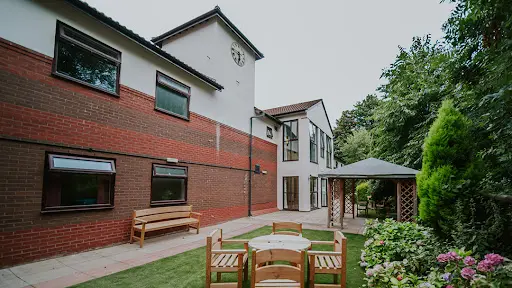
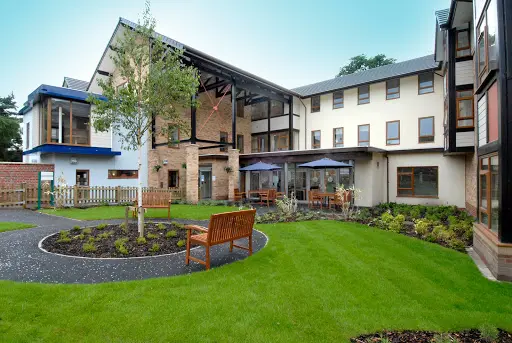
When families need reliable care after hospital discharge or support for complex conditions, Station House in Crewe offers both short-term rehabilitation and long-term residential care. The home specialises in supporting people with dementia, learning disabilities, and mental health conditions alongside general nursing care. Visitors often comment on the warm welcome they receive from staff and the well-maintained gardens that provide peaceful outdoor space.
Who they care for
The home provides care for adults of all ages, including younger people with physical disabilities or learning disabilities. Their dementia care includes both residential and nursing support, while mental health conditions are supported through their experienced team.
Within the dementia unit, staff actively engage with residents who may wander, providing companionship and meaningful activities throughout the day. The team understands how to support people at different stages of their dementia journey.
“Station House brings together rehabilitation expertise with long-term care experience, supporting families through various care transitions.”
DCC does not edit or curate content in this tab. For independently curated information, see The Evidence and DCC Verdict.
The DCC Verdict
Our editorial view, built from the three lenses: what families tell us, what inspectors record, and how the home sits against good dementia-care practice.
DCC Family Score
Station House scores 72 out of 100, reflecting a home that has genuinely improved from its previous Requires Improvement rating, with four domains now rated Good and a clear leadership structure in place. The Safe domain remains Requires Improvement at the most recent inspection, which pulls the score down and is the most important thing to probe before you decide.
Homes in North West typically score 68–82.The three-lens summary
What families tell us
Families describe staff as consistently friendly and approachable, with many noting how welcomed they feel during visits. The home maintains an open visiting policy, and staff make time to chat even during busy periods. For those recovering from surgery or illness, several families report seeing real improvements in mobility and confidence within just a week or two of arrival.
What inspectors have recorded
Staff work hard to engage residents through regular activities and events, with particular attention paid to those living with dementia who benefit from companionship and occupation. Communication can sometimes be challenging during busier periods when staffing is stretched, though this reflects wider pressures across the care sector.
How it sits against good practice
Station House brings together rehabilitation expertise with long-term care experience, supporting families through various care transitions.
Worth a visit
Station House, on Victoria Avenue in Crewe, was assessed in November 2025 and the report published in February 2026. The overall picture is one of real improvement: the home had previously been rated Requires Improvement across the board, and the most recent inspection found four out of five domains to be Good, covering effective care, caring interactions, responsiveness to individual needs, and leadership. A named Registered Manager and a Nominated Individual are in post, which gives the home a clear accountability structure. The most important uncertainty for you as a family is the Safe domain, which remains Requires Improvement at this most recent inspection. The published report does not provide a detailed breakdown of what inspectors found in each domain, so there is a significant gap between the headline ratings and the specific evidence you would need to feel confident. Before visiting, request a copy of the full November 2025 inspection report from the home or search for it on the regulator's website. On your visit, ask the manager specifically what safety concerns were identified and what has changed since November 2025. Count the staff on shift, ask about agency use, and observe how quickly call bells are answered.
The three questions to ask when you visitSave this home. Compare it against your shortlist.
Let our analysis show you how Station House Care Home – Care UK measures up against the other homes you’re considering. Free account.
In Their Own Words
How Station House Care Home – Care UK describes itself — collected from its own website. DCC has not edited or independently verified the content in this tab.
Friendly rehabilitation support with specialist dementia care in Crewe
Compassionate Care in Crewe at Station House
When families need reliable care after hospital discharge or support for complex conditions, Station House in Crewe offers both short-term rehabilitation and long-term residential care. The home specialises in supporting people with dementia, learning disabilities, and mental health conditions alongside general nursing care. Visitors often comment on the warm welcome they receive from staff and the well-maintained gardens that provide peaceful outdoor space.
Who they care for
The home provides care for adults of all ages, including younger people with physical disabilities or learning disabilities. Their dementia care includes both residential and nursing support, while mental health conditions are supported through their experienced team.
Within the dementia unit, staff actively engage with residents who may wander, providing companionship and meaningful activities throughout the day. The team understands how to support people at different stages of their dementia journey.
Management & ethos
Staff work hard to engage residents through regular activities and events, with particular attention paid to those living with dementia who benefit from companionship and occupation. Communication can sometimes be challenging during busier periods when staffing is stretched, though this reflects wider pressures across the care sector.
The home & environment
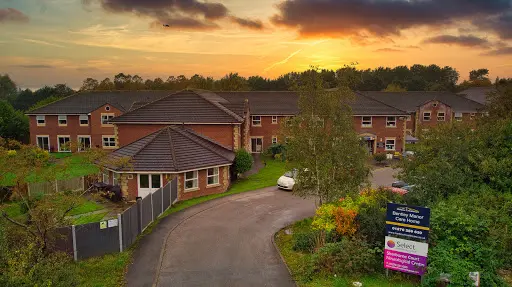
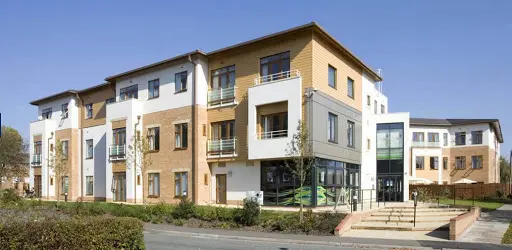
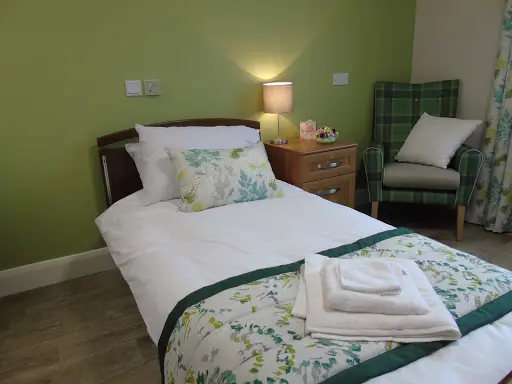
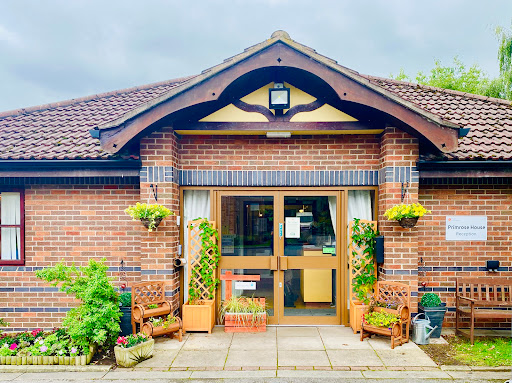
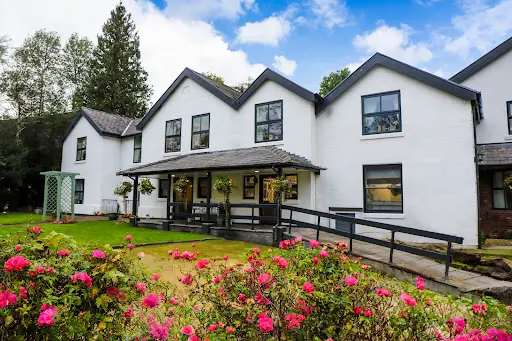
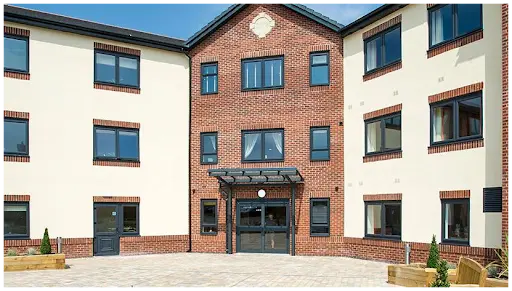
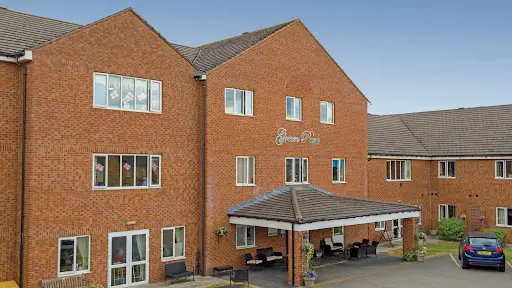
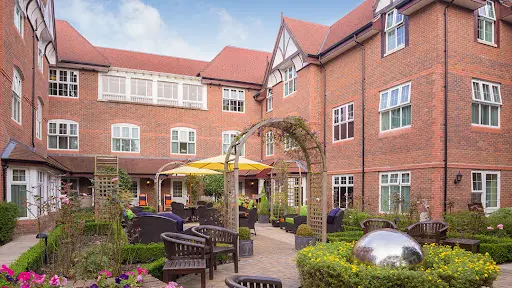
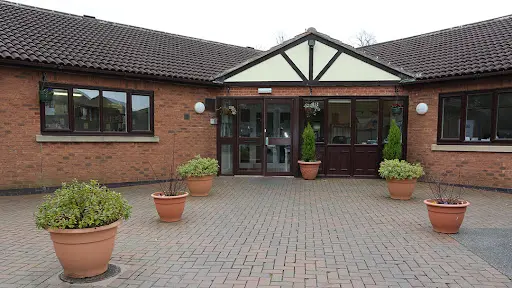
The home keeps communal areas clean and fresh, which visitors say feels better maintained than many care facilities they've experienced. The gardens offer residents a chance to enjoy outdoor space, with seating areas for quieter moments. While the building's age means some rooms are compact, families find them comfortable and functional for daily living.
“Station House brings together rehabilitation expertise with long-term care experience, supporting families through various care transitions.”
DCC does not edit or curate content in this tab. For independently curated information, see The Evidence and DCC Verdict.