Pinetum Care Home – Care UK

At a Glance
The information you need to decide whether this home warrants a closer look.
Nursing homes
Staff warmth score
of reviewers answered yes
Good to know
- Registered beds45
- SpecialismsCaring for adults over 65 yrs, Caring for adults under 65 yrs, Dementia, Learning disabilities, Mental health conditions, Physical disabilities
- Last inspected2019-12-19
Save Pinetum Care Home – Care UK to your shortlist
Keep a running list, add visit notes, and compare homes side-by-side. Free account — it takes a minute.
STAGE 4 — RESEARCHING CARE HOMES
Visit homes. Compare them side by side. Choose with confidence.
Most of us will view care homes the way we view houses, impression, atmosphere, the feeling in the corridor. We go home, try to remember what we saw, and make a permanent decision from a blurred memory.

The DCC shortlist gives every home you visit a structured record: the same twelve questions, answered the same way, every time. When you’re ready to choose, pull any two homes side by side and compare them directly. Same criteria, same evidence, your notes and your scores.
The Evidence
What the review data, the inspection reports, and the dementia-care evidence base tell us about this home.
What families say
Families talk about the difference daily activities make — from live singers visiting to structured programmes that give each day purpose. There's a visiting dog that brightens residents' days, and staff work to maintain routines that help people feel settled. The consistency across different shifts gets mentioned repeatedly, with families noticing how dignity and respect continue regardless of who's on duty.
The eight family priority themes
- Staff warmth72
- Compassion & dignity72
- Cleanliness70
- Activities & engagement60
- Food quality60
- Healthcare70
- Management & leadership74
- Resident happiness68
What inspectors found
Inspected 2019-12-19
Is this home safe?
Is the care effective?
Pinetum was rated Good for Effective, which covers how well staff know your parent's needs, the quality and currency of care plans, access to healthcare professionals, dementia training, and food and nutrition. The published summary does not describe the content of care plans, how frequently they are reviewed, or what dementia training staff have completed. Dementia is listed as a formal specialism, which implies a level of training commitment, but no specifics are recorded.Is this home caring?
Pinetum was rated Good for Caring at its April 2021 inspection. This domain covers whether staff treat people with warmth, dignity, and respect, and whether your parent's independence and personal choices are supported. No inspector observations of staff interactions, no resident quotes, and no family testimonies are included in the published summary. The Good rating indicates inspectors were satisfied, but the evidence base available to families is thin.Is the home responsive?
Pinetum was rated Good for Responsive, which covers whether the home tailors its care to each person, whether activities are varied and meaningful, and whether complaints are handled well. The home holds specialisms across dementia, learning disabilities, mental health conditions, and physical disabilities, suggesting it is expected to provide individually tailored support across a wide range of needs. No specific activities are described in the published summary, and there is no detail about one-to-one engagement for residents who cannot participate in group activities.Is the home well-led?
Pinetum was rated Good for Well-led at its April 2021 inspection, having previously been rated Requires Improvement. The home has a named registered manager and a nominated individual on record. The improvement from the previous rating suggests that governance and leadership concerns were addressed between inspections. No detail is available in the published summary about manager tenure, staff culture, how feedback from residents and families is used, or how the home monitors its own quality.
Source: CQC inspection report →
What the evidence base says
The home cares for adults both under and over 65 with various needs including dementia, learning disabilities, mental health conditions and physical disabilities. This broad scope means staff work with complex and changing needs. For people living with dementia, the structured daily activities and consistent staff approaches help create stability. Families mention how staff manage challenging behaviours with understanding, maintaining dignity even when communication becomes difficult. All areas worth probing directly during a visit.
The DCC Verdict
Our editorial view, built from the three lenses: what families tell us, what inspectors record, and how the home sits against good dementia-care practice.
DCC Family Score
Pinetum holds a Good rating across all five inspection domains following an improvement from Requires Improvement, which is an encouraging trajectory. However, the published inspection report contains limited specific detail, observations, or direct testimony, so scores reflect a positive but only partially evidenced picture.
Homes in North West typically score 68–82.The three-lens summary
What families tell us
Families talk about the difference daily activities make — from live singers visiting to structured programmes that give each day purpose. There's a visiting dog that brightens residents' days, and staff work to maintain routines that help people feel settled. The consistency across different shifts gets mentioned repeatedly, with families noticing how dignity and respect continue regardless of who's on duty.
What inspectors have recorded
When families have raised concerns, they've found management willing to listen and make changes. Staff attentiveness shows in how they respond to individual residents' needs throughout the day. The approach to end-of-life care has particularly touched families, with staff providing emotional support during these hardest times. However, one family experienced concerning lapses in basic care during a respite stay, suggesting standards can vary.
How it sits against good practice
While most families describe consistent, thoughtful care, it's worth having detailed conversations about your specific needs and expectations when you visit.
Worth a visit
Pinetum, on Valley Drive in Chester, was rated Good across all five inspection domains at its last full inspection in April 2021. The home had previously been rated Requires Improvement, so this represents a meaningful upward shift. It cares for up to 45 people and holds specialisms across dementia, mental health, learning disabilities, and physical disabilities, which makes it one of the more broadly specialist homes in the area. The main uncertainty here is not about the rating itself but about what sits behind it. The published inspection summary contains very little specific detail: no inspector observations, no resident or family quotes, and no staffing numbers. A Good rating is a positive signal, but it tells you the direction of travel rather than the full picture. Before choosing Pinetum for your parent, visit in person and ask the manager to walk you through the dementia unit, show you last week's actual staffing rota including nights, and describe what one-to-one activity looks like for a resident who cannot join a group.
The three questions to ask when you visitSave this home. Compare it against your shortlist.
Let our analysis show you how Pinetum Care Home – Care UK measures up against the other homes you’re considering. Free account.
In Their Own Words
How Pinetum Care Home – Care UK describes itself — collected from its own website. DCC has not edited or independently verified the content in this tab.
Where families find genuine comfort during life's most difficult transitions
Pinetum – Expert Care in Chester
When you're searching for care that truly understands complex needs, Pinetum in Chester offers something families consistently describe as reassuring. This home supports people with dementia, learning disabilities, mental health conditions and physical disabilities — both under and over 65. What strikes families most is how staff seem to grasp what each person needs, whether that's managing challenging behaviours with patience or providing sensitive end-of-life support.
Who they care for
The home cares for adults both under and over 65 with various needs including dementia, learning disabilities, mental health conditions and physical disabilities. This broad scope means staff work with complex and changing needs.
For people living with dementia, the structured daily activities and consistent staff approaches help create stability. Families mention how staff manage challenging behaviours with understanding, maintaining dignity even when communication becomes difficult.
“While most families describe consistent, thoughtful care, it's worth having detailed conversations about your specific needs and expectations when you visit.”
DCC does not edit or curate content in this tab. For independently curated information, see The Evidence and DCC Verdict.
The DCC Verdict
Our editorial view, built from the three lenses: what families tell us, what inspectors record, and how the home sits against good dementia-care practice.
DCC Family Score
Pinetum holds a Good rating across all five inspection domains following an improvement from Requires Improvement, which is an encouraging trajectory. However, the published inspection report contains limited specific detail, observations, or direct testimony, so scores reflect a positive but only partially evidenced picture.
Homes in North West typically score 68–82.The three-lens summary
What families tell us
Families talk about the difference daily activities make — from live singers visiting to structured programmes that give each day purpose. There's a visiting dog that brightens residents' days, and staff work to maintain routines that help people feel settled. The consistency across different shifts gets mentioned repeatedly, with families noticing how dignity and respect continue regardless of who's on duty.
What inspectors have recorded
When families have raised concerns, they've found management willing to listen and make changes. Staff attentiveness shows in how they respond to individual residents' needs throughout the day. The approach to end-of-life care has particularly touched families, with staff providing emotional support during these hardest times. However, one family experienced concerning lapses in basic care during a respite stay, suggesting standards can vary.
How it sits against good practice
While most families describe consistent, thoughtful care, it's worth having detailed conversations about your specific needs and expectations when you visit.
Worth a visit
Pinetum, on Valley Drive in Chester, was rated Good across all five inspection domains at its last full inspection in April 2021. The home had previously been rated Requires Improvement, so this represents a meaningful upward shift. It cares for up to 45 people and holds specialisms across dementia, mental health, learning disabilities, and physical disabilities, which makes it one of the more broadly specialist homes in the area. The main uncertainty here is not about the rating itself but about what sits behind it. The published inspection summary contains very little specific detail: no inspector observations, no resident or family quotes, and no staffing numbers. A Good rating is a positive signal, but it tells you the direction of travel rather than the full picture. Before choosing Pinetum for your parent, visit in person and ask the manager to walk you through the dementia unit, show you last week's actual staffing rota including nights, and describe what one-to-one activity looks like for a resident who cannot join a group.
The three questions to ask when you visitSave this home. Compare it against your shortlist.
Let our analysis show you how Pinetum Care Home – Care UK measures up against the other homes you’re considering. Free account.
In Their Own Words
How Pinetum Care Home – Care UK describes itself — collected from its own website. DCC has not edited or independently verified the content in this tab.
Where families find genuine comfort during life's most difficult transitions
Pinetum – Expert Care in Chester
When you're searching for care that truly understands complex needs, Pinetum in Chester offers something families consistently describe as reassuring. This home supports people with dementia, learning disabilities, mental health conditions and physical disabilities — both under and over 65. What strikes families most is how staff seem to grasp what each person needs, whether that's managing challenging behaviours with patience or providing sensitive end-of-life support.
Who they care for
The home cares for adults both under and over 65 with various needs including dementia, learning disabilities, mental health conditions and physical disabilities. This broad scope means staff work with complex and changing needs.
For people living with dementia, the structured daily activities and consistent staff approaches help create stability. Families mention how staff manage challenging behaviours with understanding, maintaining dignity even when communication becomes difficult.
Management & ethos
When families have raised concerns, they've found management willing to listen and make changes. Staff attentiveness shows in how they respond to individual residents' needs throughout the day. The approach to end-of-life care has particularly touched families, with staff providing emotional support during these hardest times. However, one family experienced concerning lapses in basic care during a respite stay, suggesting standards can vary.
The home & environment
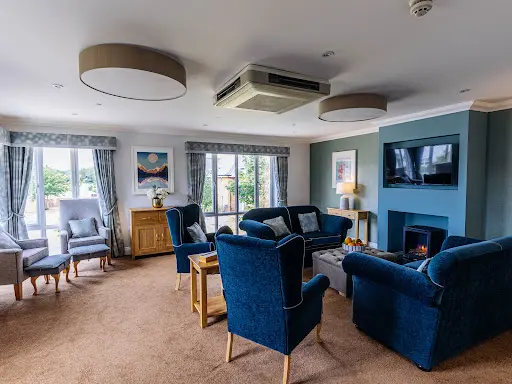
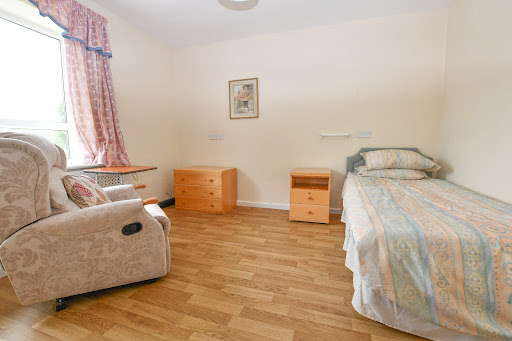
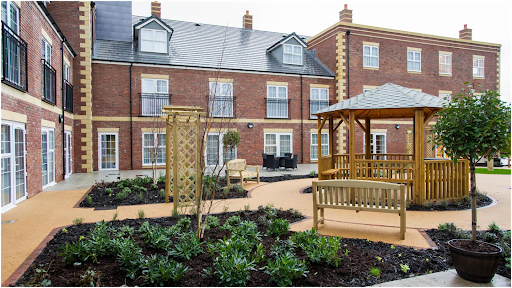
The home stays notably clean, with daily room cleaning and communal areas that families describe as fresh and well-maintained. Meals offer variety and choice, with families mentioning the food tastes good. The building includes outdoor spaces, and there's attention to keeping environments pleasant for both residents and visitors.
“While most families describe consistent, thoughtful care, it's worth having detailed conversations about your specific needs and expectations when you visit.”
DCC does not edit or curate content in this tab. For independently curated information, see The Evidence and DCC Verdict.