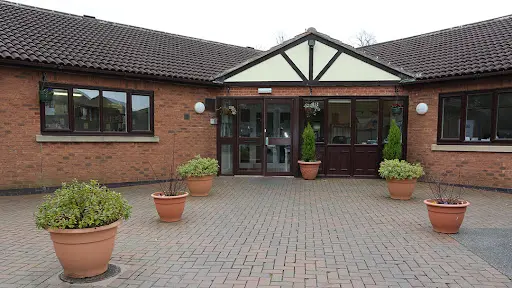
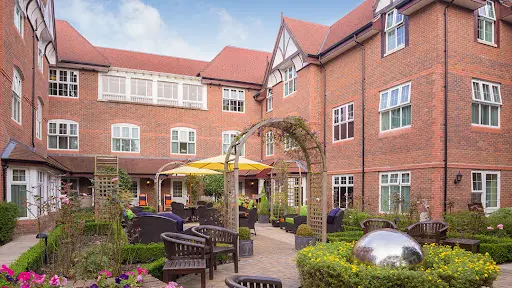
Green Park Nursing Home
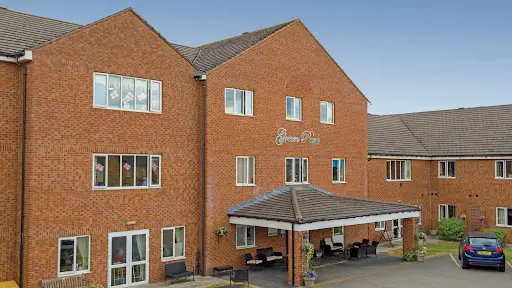
At a Glance
The information you need to decide whether this home warrants a closer look.
Nursing homes
Staff warmth score
of reviewers answered yes
Good to know
- Registered beds103
- SpecialismsCaring for adults over 65 yrs, Dementia
- Last inspected2021-05-14
Save Green Park Nursing Home to your shortlist
Keep a running list, add visit notes, and compare homes side-by-side. Free account — it takes a minute.
STAGE 4 — RESEARCHING CARE HOMES
Visit homes. Compare them side by side. Choose with confidence.
Most of us will view care homes the way we view houses, impression, atmosphere, the feeling in the corridor. We go home, try to remember what we saw, and make a permanent decision from a blurred memory.

The DCC shortlist gives every home you visit a structured record: the same twelve questions, answered the same way, every time. When you’re ready to choose, pull any two homes side by side and compare them directly. Same criteria, same evidence, your notes and your scores.
The Evidence
What the review data, the inspection reports, and the dementia-care evidence base tell us about this home.
What families say
Families describe watching their relatives come back to life here — joining in with visiting toddler groups, rediscovering old interests, finding new ways to connect. The therapeutic atmosphere seems to help people with dementia recover abilities everyone thought were lost. Staff create genuine moments of dignity even during the most challenging transitions.
The eight family priority themes
- Staff warmth65
- Compassion & dignity65
- Cleanliness60
- Activities & engagement55
- Food quality55
- Healthcare55
- Management & leadership45
- Resident happiness60
What inspectors found
Inspected 2021-05-14
Is this home safe?
Is the care effective?
Effective was rated Good at the August 2025 inspection. This domain covers whether staff have the right training, whether care plans are detailed and kept up to date, whether residents get good access to healthcare professionals, and whether food meets individual needs. A Good rating here is reassuring, but the published summary does not include the specific observations or testimony that would allow a more detailed assessment of what is working well.Is this home caring?
Caring was rated Good at the August 2025 inspection. This domain covers whether staff treat residents with warmth and respect, whether people's dignity and privacy are protected, and whether care is given at the person's pace rather than the home's timetable. A Good rating here is one of the more meaningful findings because inspectors directly observe staff interactions during an inspection visit. The published summary does not include specific quotes or observations from this inspection.Is the home responsive?
Responsive was rated Good at the August 2025 inspection. This domain looks at whether the home tailors care to individual needs, whether there is a meaningful activities programme, whether complaints are handled properly, and whether end-of-life care is planned. A Good rating here is relevant for a home with a dementia specialism because it suggests some attention to individual variation in needs and interests. The published summary provides no specific detail on activities, complaints, or individual care.Is the home well-led?
Well-led was rated Requires Improvement at the August 2025 inspection, alongside Safe. This means inspectors found that the management and governance of the home did not meet the required standard. Effective leadership is particularly important in a large, 103-bed nursing home with a dementia specialism because good oversight is what makes the difference between a problem being caught early and a problem being missed for months. The published summary names the nominated individual as Mr Hayden Knight but does not give detail on the registered manager or specific governance failures.
Source: CQC inspection report →
What the evidence base says
The home cares for adults over 65, with particular expertise in dementia care through their dedicated Reconnect unit. The Reconnect unit specialises in supporting people with rare or complex dementia presentations. Through structured activities and consistent staff relationships, residents often regain social abilities and engagement that families thought were gone forever. All areas worth probing directly during a visit.
The DCC Verdict
Our editorial view, built from the three lenses: what families tell us, what inspectors record, and how the home sits against good dementia-care practice.
DCC Family Score
Green Park Care Home scores 62 out of 100. The Good ratings in Effective, Caring, and Responsive suggest reasonable day-to-day care, but Requires Improvement in Safe and Well-led means there are unresolved concerns about safety and leadership that families should investigate directly before making a decision.
Homes in North West typically score 68–82.The three-lens summary
What families tell us
Families describe watching their relatives come back to life here — joining in with visiting toddler groups, rediscovering old interests, finding new ways to connect. The therapeutic atmosphere seems to help people with dementia recover abilities everyone thought were lost. Staff create genuine moments of dignity even during the most challenging transitions.
What inspectors have recorded
Care workers here build real relationships with residents and families, learning what matters to each person. They're particularly skilled at supporting younger residents with complex needs, adapting their approach as situations change. Families feel heard and supported, especially during end-of-life care when staff help everyone navigate those final precious moments with grace.
How it sits against good practice
It's a place where improvement feels constant and care feels personal — where every small victory matters.
Worth a visit
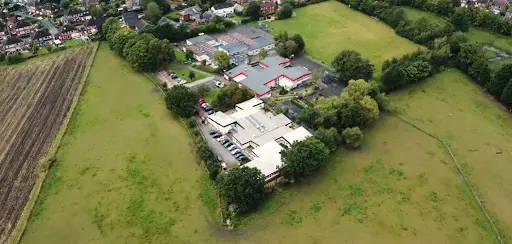
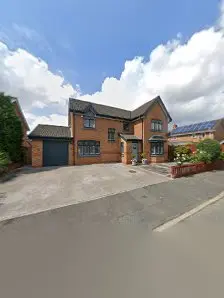
Green Park Care Home, on Southwold Crescent in Warrington, was assessed in August 2025 and the report was published in February 2026. The overall rating is Good, which is an improvement on the previous Requires Improvement rating. Three of the five inspection domains, Effective, Caring, and Responsive, were rated Good, suggesting that day-to-day care, staff kindness, and responsiveness to individual needs are in reasonable order. The home is a 103-bed nursing home run by Indigo Care Services Limited, with dementia listed as a specialism. The headline concern for any family considering this home is that both Safe and Well-led were rated Requires Improvement at this assessment. That means inspectors found unresolved problems in two areas that matter most when your parent cannot always speak up for themselves: how risks are managed and monitored, and whether the leadership team has the oversight to put things right. The published report summary does not give specific detail on what those problems are, which makes direct questions essential. When you visit, ask to speak to the registered manager, ask how long they have been in post, ask to see the most recent falls or incident log and what action followed, and ask for the actual staffing rota rather than the planned template. Come back at a different time of day to see the home when it is not expecting you.
The three questions to ask when you visitSave this home. Compare it against your shortlist.
Let our analysis show you how Green Park Nursing Home measures up against the other homes you’re considering. Free account.
In Their Own Words
How Green Park Nursing Home describes itself — collected from its own website. DCC has not edited or independently verified the content in this tab.
Specialist dementia care brings families through life's hardest moments together
Green Park Care Home – Expert Care in Warrington
When dementia changes everything, families need more than just good intentions. Green Park Care Home in Warrington understands this deeply, creating spaces where residents rediscover moments of connection and joy. The home's Reconnect unit offers focused support for people with complex or rare forms of dementia, while thoughtful activities help everyone find their place in the community again.
Who they care for
The home cares for adults over 65, with particular expertise in dementia care through their dedicated Reconnect unit.
The Reconnect unit specialises in supporting people with rare or complex dementia presentations. Through structured activities and consistent staff relationships, residents often regain social abilities and engagement that families thought were gone forever.
“It's a place where improvement feels constant and care feels personal — where every small victory matters.”
DCC does not edit or curate content in this tab. For independently curated information, see The Evidence and DCC Verdict.
The DCC Verdict
Our editorial view, built from the three lenses: what families tell us, what inspectors record, and how the home sits against good dementia-care practice.
DCC Family Score
Green Park Care Home scores 62 out of 100. The Good ratings in Effective, Caring, and Responsive suggest reasonable day-to-day care, but Requires Improvement in Safe and Well-led means there are unresolved concerns about safety and leadership that families should investigate directly before making a decision.
Homes in North West typically score 68–82.The three-lens summary
What families tell us
Families describe watching their relatives come back to life here — joining in with visiting toddler groups, rediscovering old interests, finding new ways to connect. The therapeutic atmosphere seems to help people with dementia recover abilities everyone thought were lost. Staff create genuine moments of dignity even during the most challenging transitions.
What inspectors have recorded
Care workers here build real relationships with residents and families, learning what matters to each person. They're particularly skilled at supporting younger residents with complex needs, adapting their approach as situations change. Families feel heard and supported, especially during end-of-life care when staff help everyone navigate those final precious moments with grace.
How it sits against good practice
It's a place where improvement feels constant and care feels personal — where every small victory matters.
Worth a visit
Green Park Care Home, on Southwold Crescent in Warrington, was assessed in August 2025 and the report was published in February 2026. The overall rating is Good, which is an improvement on the previous Requires Improvement rating. Three of the five inspection domains, Effective, Caring, and Responsive, were rated Good, suggesting that day-to-day care, staff kindness, and responsiveness to individual needs are in reasonable order. The home is a 103-bed nursing home run by Indigo Care Services Limited, with dementia listed as a specialism. The headline concern for any family considering this home is that both Safe and Well-led were rated Requires Improvement at this assessment. That means inspectors found unresolved problems in two areas that matter most when your parent cannot always speak up for themselves: how risks are managed and monitored, and whether the leadership team has the oversight to put things right. The published report summary does not give specific detail on what those problems are, which makes direct questions essential. When you visit, ask to speak to the registered manager, ask how long they have been in post, ask to see the most recent falls or incident log and what action followed, and ask for the actual staffing rota rather than the planned template. Come back at a different time of day to see the home when it is not expecting you.
The three questions to ask when you visitSave this home. Compare it against your shortlist.
Let our analysis show you how Green Park Nursing Home measures up against the other homes you’re considering. Free account.
In Their Own Words
How Green Park Nursing Home describes itself — collected from its own website. DCC has not edited or independently verified the content in this tab.
Specialist dementia care brings families through life's hardest moments together
Green Park Care Home – Expert Care in Warrington
When dementia changes everything, families need more than just good intentions. Green Park Care Home in Warrington understands this deeply, creating spaces where residents rediscover moments of connection and joy. The home's Reconnect unit offers focused support for people with complex or rare forms of dementia, while thoughtful activities help everyone find their place in the community again.
Who they care for
The home cares for adults over 65, with particular expertise in dementia care through their dedicated Reconnect unit.
The Reconnect unit specialises in supporting people with rare or complex dementia presentations. Through structured activities and consistent staff relationships, residents often regain social abilities and engagement that families thought were gone forever.
Management & ethos
Care workers here build real relationships with residents and families, learning what matters to each person. They're particularly skilled at supporting younger residents with complex needs, adapting their approach as situations change. Families feel heard and supported, especially during end-of-life care when staff help everyone navigate those final precious moments with grace.
“It's a place where improvement feels constant and care feels personal — where every small victory matters.”
DCC does not edit or curate content in this tab. For independently curated information, see The Evidence and DCC Verdict.