Vi & John Rubens House (Jewish Care)

At a Glance
The information you need to decide whether this home warrants a closer look.
Nursing homes, Residential homes
Staff warmth score
of reviewers answered yes
Good to know
- Registered beds70
- SpecialismsCaring for adults over 65 yrs, Dementia
- Last inspected2019-01-23
Save Vi & John Rubens House (Jewish Care) to your shortlist
Keep a running list, add visit notes, and compare homes side-by-side. Free account — it takes a minute.
STAGE 4 — RESEARCHING CARE HOMES
Visit homes. Compare them side by side. Choose with confidence.
Most of us will view care homes the way we view houses, impression, atmosphere, the feeling in the corridor. We go home, try to remember what we saw, and make a permanent decision from a blurred memory.

The DCC shortlist gives every home you visit a structured record: the same twelve questions, answered the same way, every time. When you’re ready to choose, pull any two homes side by side and compare them directly. Same criteria, same evidence, your notes and your scores.
The Evidence
What the review data, the inspection reports, and the dementia-care evidence base tell us about this home.
What families say
Families describe staff who maintain their patience and warmth even during the most challenging moments of dementia care. When residents struggle to communicate or become distressed, carers here respond with genuine empathy rather than frustration.
The eight family priority themes
- Staff warmth55
- Compassion & dignity55
- Cleanliness55
- Activities & engagement50
- Food quality50
- Healthcare55
- Management & leadership60
- Resident happiness55
What inspectors found
Inspected 2019-01-23
Is this home safe?
Is the care effective?
The effective domain was rated Good at the March 2023 inspection. The home is registered to provide nursing care as well as personal care, which means it is set up to manage more complex health needs. However, the published report text does not include any specific detail about how care plans are written or reviewed, what dementia training staff receive, how GPs and other health professionals are involved, or how mealtimes are managed. The Good rating confirms inspectors found no significant failures, but the evidence behind it is not described in the available text.Is this home caring?
The caring domain was rated Good at the March 2023 inspection. Staff warmth and compassion are the two most powerful drivers of family satisfaction in our review data, cited in 57.3% and 55.2% of positive reviews respectively. The inspection confirmed a Good rating in this domain, but the published report text does not include direct observations of staff interactions, quotes from residents about how they feel treated, or descriptions of specific practices such as use of preferred names, knocking before entering rooms, or how staff respond when someone is distressed. This is an area where a visit will tell you far more than this report can.Is the home responsive?
The responsive domain was rated Good at the March 2023 inspection. This domain covers whether your parent will have a life at the home, including meaningful activities, individual engagement, and end-of-life planning. Vi and John Rubens House is registered as a dementia specialist home with 70 beds, which means the activity programme and individual engagement approaches are significant. The published report text does not describe what activities are offered, how often they run, whether one-to-one sessions are available for people who cannot join groups, or how the home plans for end of life. The Good rating is confirmed but unsupported by specific detail in the available text.Is the home well-led?
The well-led domain was rated Good at the March 2023 inspection. A named registered manager, Miss Rebecca Awan, was in post at the time of inspection, with Ms Rita Rousso recorded as the nominated individual for the provider, Jewish Care. A stable, visible registered manager is a positive baseline signal. However, the published report text does not describe how long the manager has been in post, how staff are supported to raise concerns, how the home monitors quality, or how families are kept informed and involved in decisions about their parent's care.
Source: CQC inspection report →
What the evidence base says
The home cares for adults over 65, with particular experience supporting people living with dementia. Their approach focuses on maintaining connection with residents who have advanced dementia and communication difficulties. Staff work to engage each person despite the challenges this can bring. All areas worth probing directly during a visit.
The DCC Verdict
Our editorial view, built from the three lenses: what families tell us, what inspectors record, and how the home sits against good dementia-care practice.
DCC Family Score
Vi and John Rubens House was rated Good across all five domains at its March 2023 inspection. However, the published report text available for this analysis is extremely limited, so scores reflect confirmed Good ratings without the specific observations, quotes, or detail needed to reach higher bands.
Homes in London typically score 68–82.The three-lens summary
What families tell us
Families describe staff who maintain their patience and warmth even during the most challenging moments of dementia care. When residents struggle to communicate or become distressed, carers here respond with genuine empathy rather than frustration.
What inspectors have recorded
The care team pulls together when short-staffed, prioritising residents' needs without letting the pressure show. However, one family raised serious concerns about respect and compassion from some staff members, taking their complaint to the ombudsman.
How it sits against good practice
Several residents have made this their home for two years or more, which speaks to the trust families place in the care here.
Worth a visit
Vi and John Rubens House, run by Jewish Care on Clarence Avenue in Ilford, was rated Good across all five inspection domains at its most recent inspection in March 2023. The home is registered for 70 beds and is set up to care for adults over 65, including people living with dementia, offering both nursing and residential care. A named registered manager was in post at the time of inspection. The main limitation for families using this report is that only a very brief summary of the inspection findings is available in the published text. Almost none of the specific observations, quotes from residents or relatives, or detailed evidence that would normally allow a richer assessment have been included here. The Good rating across all domains is genuinely reassuring as a baseline, but it is not a substitute for visiting in person. When you visit, ask to see last week's actual staffing rota (counting permanent versus agency names on night shifts), ask how care plans capture your parent's cultural or religious preferences, and spend time watching how staff interact with residents in corridors and at mealtimes rather than only in a formal meeting room.
The three questions to ask when you visitSave this home. Compare it against your shortlist.
Let our analysis show you how Vi & John Rubens House (Jewish Care) measures up against the other homes you’re considering. Free account.
In Their Own Words
How Vi & John Rubens House (Jewish Care) describes itself — collected from its own website. DCC has not edited or independently verified the content in this tab.
Patience and understanding meet families navigating advanced dementia
Vi and John Rubens House – Your Trusted nursing home,residential home
When dementia reaches its later stages, finding carers who truly understand becomes everything. Vi and John Rubens House in Ilford has supported several families through these difficult journeys, with residents often staying for years. The home specialises in dementia care alongside general support for older adults.
Who they care for
The home cares for adults over 65, with particular experience supporting people living with dementia.
Their approach focuses on maintaining connection with residents who have advanced dementia and communication difficulties. Staff work to engage each person despite the challenges this can bring.
“Several residents have made this their home for two years or more, which speaks to the trust families place in the care here.”
DCC does not edit or curate content in this tab. For independently curated information, see The Evidence and DCC Verdict.
The DCC Verdict
Our editorial view, built from the three lenses: what families tell us, what inspectors record, and how the home sits against good dementia-care practice.
DCC Family Score
Vi and John Rubens House was rated Good across all five domains at its March 2023 inspection. However, the published report text available for this analysis is extremely limited, so scores reflect confirmed Good ratings without the specific observations, quotes, or detail needed to reach higher bands.
Homes in London typically score 68–82.The three-lens summary
What families tell us
Families describe staff who maintain their patience and warmth even during the most challenging moments of dementia care. When residents struggle to communicate or become distressed, carers here respond with genuine empathy rather than frustration.
What inspectors have recorded
The care team pulls together when short-staffed, prioritising residents' needs without letting the pressure show. However, one family raised serious concerns about respect and compassion from some staff members, taking their complaint to the ombudsman.
How it sits against good practice
Several residents have made this their home for two years or more, which speaks to the trust families place in the care here.
Worth a visit
Vi and John Rubens House, run by Jewish Care on Clarence Avenue in Ilford, was rated Good across all five inspection domains at its most recent inspection in March 2023. The home is registered for 70 beds and is set up to care for adults over 65, including people living with dementia, offering both nursing and residential care. A named registered manager was in post at the time of inspection. The main limitation for families using this report is that only a very brief summary of the inspection findings is available in the published text. Almost none of the specific observations, quotes from residents or relatives, or detailed evidence that would normally allow a richer assessment have been included here. The Good rating across all domains is genuinely reassuring as a baseline, but it is not a substitute for visiting in person. When you visit, ask to see last week's actual staffing rota (counting permanent versus agency names on night shifts), ask how care plans capture your parent's cultural or religious preferences, and spend time watching how staff interact with residents in corridors and at mealtimes rather than only in a formal meeting room.
The three questions to ask when you visitSave this home. Compare it against your shortlist.
Let our analysis show you how Vi & John Rubens House (Jewish Care) measures up against the other homes you’re considering. Free account.
In Their Own Words
How Vi & John Rubens House (Jewish Care) describes itself — collected from its own website. DCC has not edited or independently verified the content in this tab.
Patience and understanding meet families navigating advanced dementia
Vi and John Rubens House – Your Trusted nursing home,residential home
When dementia reaches its later stages, finding carers who truly understand becomes everything. Vi and John Rubens House in Ilford has supported several families through these difficult journeys, with residents often staying for years. The home specialises in dementia care alongside general support for older adults.
Who they care for
The home cares for adults over 65, with particular experience supporting people living with dementia.
Their approach focuses on maintaining connection with residents who have advanced dementia and communication difficulties. Staff work to engage each person despite the challenges this can bring.
Management & ethos
The care team pulls together when short-staffed, prioritising residents' needs without letting the pressure show. However, one family raised serious concerns about respect and compassion from some staff members, taking their complaint to the ombudsman.
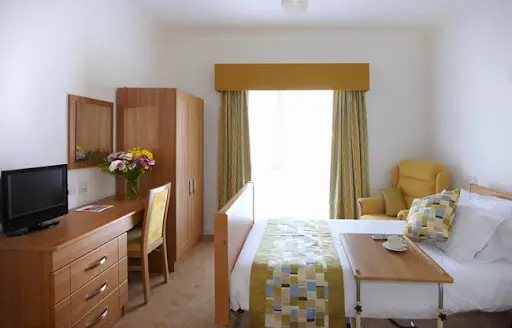
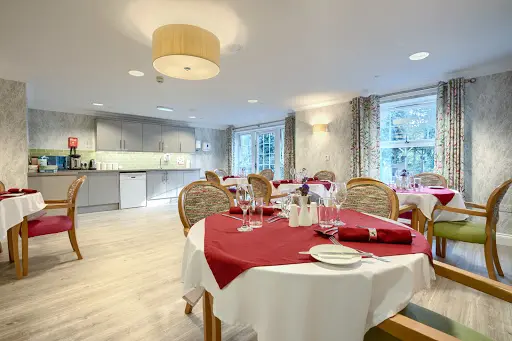
The home & environment
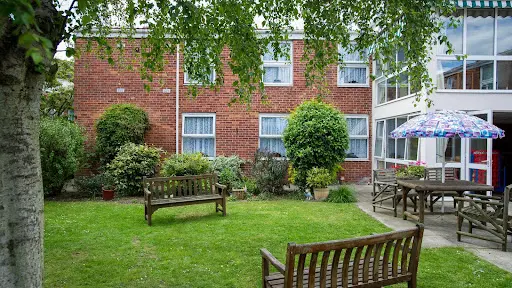
The home provides regular meals and structured activities that families appreciate. Staff use digital devices to track resident care, which helps them stay organised and monitor everyone's needs throughout the day.
“Several residents have made this their home for two years or more, which speaks to the trust families place in the care here.”
DCC does not edit or curate content in this tab. For independently curated information, see The Evidence and DCC Verdict.