Umika Lodge Care Home
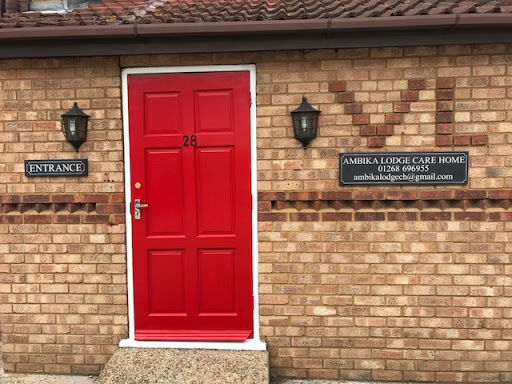
At a Glance
The information you need to decide whether this home warrants a closer look.
Residential homes
Staff warmth score
of reviewers answered yes
Good to know
- Registered beds29
- SpecialismsCaring for adults over 65 yrs, Caring for adults under 65 yrs, Dementia, Physical disabilities, Sensory impairment
- Last inspected2022-07-15
Save Umika Lodge Care Home to your shortlist
Keep a running list, add visit notes, and compare homes side-by-side. Free account — it takes a minute.
STAGE 4 — RESEARCHING CARE HOMES
Visit homes. Compare them side by side. Choose with confidence.
Most of us will view care homes the way we view houses, impression, atmosphere, the feeling in the corridor. We go home, try to remember what we saw, and make a permanent decision from a blurred memory.

The DCC shortlist gives every home you visit a structured record: the same twelve questions, answered the same way, every time. When you’re ready to choose, pull any two homes side by side and compare them directly. Same criteria, same evidence, your notes and your scores.
The Evidence
What the review data, the inspection reports, and the dementia-care evidence base tell us about this home.
What families say
Visitors describe genuine warmth from the team here, with staff across different departments taking time to chat and engage. One family found the atmosphere reassuring enough that their relative was happy to return after a successful respite stay.
The eight family priority themes
- Staff warmth75
- Compassion & dignity75
- Cleanliness70
- Activities & engagement65
- Food quality60
- Healthcare60
- Management & leadership75
- Resident happiness70
What inspectors found
Inspected 2022-07-15
Is this home safe?
Is the care effective?
The Effective domain was rated Requires Improvement at the October 2024 assessment. This is the only domain not yet meeting the standard inspectors expect. The Effective domain covers care planning, assessment, training, health monitoring, GP access, nutrition, and hydration. The published summary does not explain specifically what was found to be below standard. This is the area that most warrants direct questions to the manager before you make a decision.Is this home caring?
The Caring domain was rated Good at the October 2024 assessment. This domain covers how staff treat the people who live here, including whether dignity is respected, whether residents feel comfortable and cared for, and whether independence is supported where possible. No specific inspector observations, resident quotes, or relative comments are included in the published summary for this domain.Is the home responsive?
The Responsive domain was rated Good at the October 2024 assessment. This domain covers whether the home responds to individual needs, whether activities are meaningful and varied, and whether complaints are handled well. The home lists dementia, physical disabilities, and sensory impairments as specialisms, which means it should have specific approaches for each group. No detail about the activity programme, individual engagement, or complaints handling is included in the published summary.Is the home well-led?
The Well-led domain was rated Good at the October 2024 assessment. A registered manager, Mrs Kelly Louise Santa Cruz, is named and confirmed in post, as is a nominated individual, Mrs Reoutee Devi Warner. This means the home has a clear accountability structure in place. The previous overall rating was Inadequate, and the home has now moved to Requires Improvement overall, which suggests leadership has driven genuine improvement. No specific detail about the management culture, staff feedback mechanisms, or governance processes is included in the published summary.
Source: CQC inspection report →
What the evidence base says
The home caters to residents with physical disabilities, sensory impairments and complex health conditions. They accept both younger adults under 65 and older residents, offering respite stays alongside permanent placements. For those living with dementia, the home provides specialist support as part of their wider complex needs service. The mix of age groups means they're experienced with different stages and presentations of the condition. All areas worth probing directly during a visit.
The DCC Verdict
Our editorial view, built from the three lenses: what families tell us, what inspectors record, and how the home sits against good dementia-care practice.
DCC Family Score
Umika Lodge Care Home scores 72 out of 100. Most domains were rated Good at the latest assessment, which is a meaningful improvement from a previous Inadequate rating, but the Effective domain remains at Requires Improvement and the published report contains limited specific detail across all areas.
Homes in East typically score 68–82.The three-lens summary
What families tell us
Visitors describe genuine warmth from the team here, with staff across different departments taking time to chat and engage. One family found the atmosphere reassuring enough that their relative was happy to return after a successful respite stay.
What inspectors have recorded
During daytime hours, staff have shown good responsiveness — paramedics noted competent care during a medical emergency, and families report attentive support. However, one concerning account suggests night-time staffing may need attention, with reports of delayed responses to a distressed resident.
How it sits against good practice
If you're considering Umika Lodge, it's worth visiting during different times to get a full picture of the care provided throughout the day and night.
Worth a visit
Umika Lodge Care Home, on Canvey Island in Essex, was assessed in October 2024 and the report was published in February 2025. The overall rating is Requires Improvement, but this represents a significant improvement from a previous Inadequate rating. Four of the five domains, Safe, Caring, Responsive, and Well-led, were rated Good. The Effective domain, which covers training, care planning, and health monitoring, remains at Requires Improvement. The published report summary is brief and contains very little specific detail about what inspectors observed on the day. This makes it difficult to give you a full picture of what daily life is like for your parent at this home. Before making a decision, visit the home in person, ask to see the most recent care plan template, ask the manager directly what the Requires Improvement finding in Effective means in practice and what has changed since, and check night staffing numbers and how dementia training is delivered to all staff including those who join partway through the year.
The three questions to ask when you visitSave this home. Compare it against your shortlist.
Let our analysis show you how Umika Lodge Care Home measures up against the other homes you’re considering. Free account.
In Their Own Words
How Umika Lodge Care Home describes itself — collected from its own website. DCC has not edited or independently verified the content in this tab.
Specialist care on Canvey Island for complex health conditions
Umika Lodge Care Home – Expert Care in Canvey Island
When someone you love needs round-the-clock support for dementia, physical disabilities or sensory challenges, finding the right place matters. Umika Lodge Care Home in Canvey Island provides residential care for adults of all ages with complex needs, including younger people under 65 who need specialist support.
Who they care for
The home caters to residents with physical disabilities, sensory impairments and complex health conditions. They accept both younger adults under 65 and older residents, offering respite stays alongside permanent placements.
For those living with dementia, the home provides specialist support as part of their wider complex needs service. The mix of age groups means they're experienced with different stages and presentations of the condition.
“If you're considering Umika Lodge, it's worth visiting during different times to get a full picture of the care provided throughout the day and night.”
DCC does not edit or curate content in this tab. For independently curated information, see The Evidence and DCC Verdict.
The DCC Verdict
Our editorial view, built from the three lenses: what families tell us, what inspectors record, and how the home sits against good dementia-care practice.
DCC Family Score
Umika Lodge Care Home scores 72 out of 100. Most domains were rated Good at the latest assessment, which is a meaningful improvement from a previous Inadequate rating, but the Effective domain remains at Requires Improvement and the published report contains limited specific detail across all areas.
Homes in East typically score 68–82.The three-lens summary
What families tell us
Visitors describe genuine warmth from the team here, with staff across different departments taking time to chat and engage. One family found the atmosphere reassuring enough that their relative was happy to return after a successful respite stay.
What inspectors have recorded
During daytime hours, staff have shown good responsiveness — paramedics noted competent care during a medical emergency, and families report attentive support. However, one concerning account suggests night-time staffing may need attention, with reports of delayed responses to a distressed resident.
How it sits against good practice
If you're considering Umika Lodge, it's worth visiting during different times to get a full picture of the care provided throughout the day and night.
Worth a visit
Umika Lodge Care Home, on Canvey Island in Essex, was assessed in October 2024 and the report was published in February 2025. The overall rating is Requires Improvement, but this represents a significant improvement from a previous Inadequate rating. Four of the five domains, Safe, Caring, Responsive, and Well-led, were rated Good. The Effective domain, which covers training, care planning, and health monitoring, remains at Requires Improvement. The published report summary is brief and contains very little specific detail about what inspectors observed on the day. This makes it difficult to give you a full picture of what daily life is like for your parent at this home. Before making a decision, visit the home in person, ask to see the most recent care plan template, ask the manager directly what the Requires Improvement finding in Effective means in practice and what has changed since, and check night staffing numbers and how dementia training is delivered to all staff including those who join partway through the year.
The three questions to ask when you visitSave this home. Compare it against your shortlist.
Let our analysis show you how Umika Lodge Care Home measures up against the other homes you’re considering. Free account.
In Their Own Words
How Umika Lodge Care Home describes itself — collected from its own website. DCC has not edited or independently verified the content in this tab.
Specialist care on Canvey Island for complex health conditions
Umika Lodge Care Home – Expert Care in Canvey Island
When someone you love needs round-the-clock support for dementia, physical disabilities or sensory challenges, finding the right place matters. Umika Lodge Care Home in Canvey Island provides residential care for adults of all ages with complex needs, including younger people under 65 who need specialist support.
Who they care for
The home caters to residents with physical disabilities, sensory impairments and complex health conditions. They accept both younger adults under 65 and older residents, offering respite stays alongside permanent placements.
For those living with dementia, the home provides specialist support as part of their wider complex needs service. The mix of age groups means they're experienced with different stages and presentations of the condition.
Management & ethos
During daytime hours, staff have shown good responsiveness — paramedics noted competent care during a medical emergency, and families report attentive support. However, one concerning account suggests night-time staffing may need attention, with reports of delayed responses to a distressed resident.
The home & environment
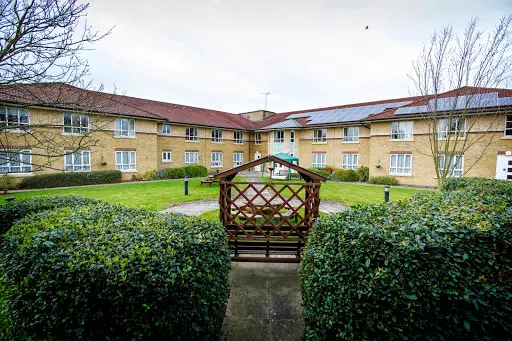
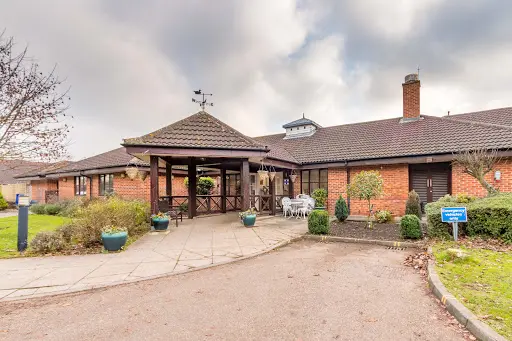
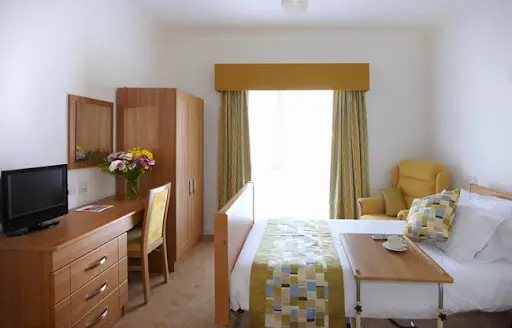
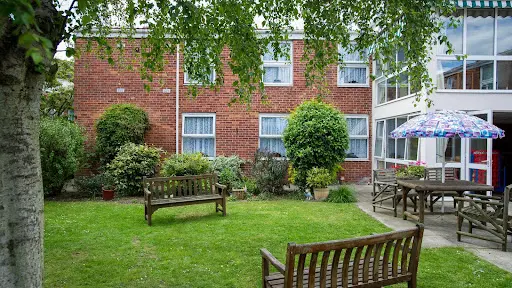
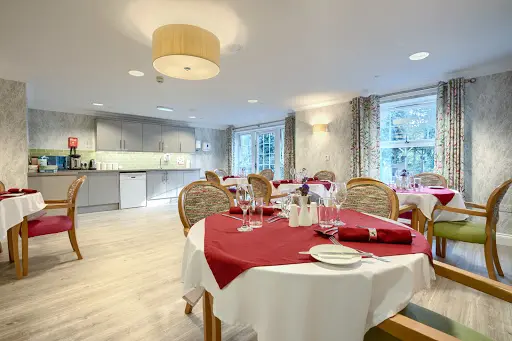
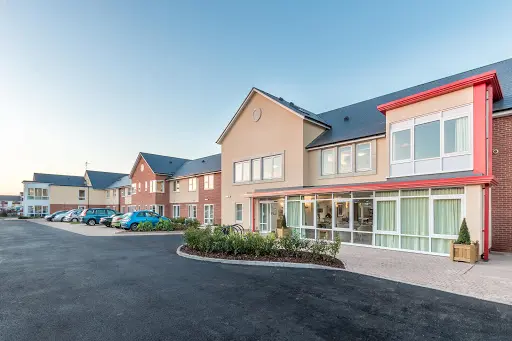
The home appears clean and well-maintained, with families mentioning decent food during their visits. While specific details about communal spaces and activities aren't widely discussed, the basics seem well covered.
“If you're considering Umika Lodge, it's worth visiting during different times to get a full picture of the care provided throughout the day and night.”
DCC does not edit or curate content in this tab. For independently curated information, see The Evidence and DCC Verdict.