Shrubbery Nursing Home
At a Glance
The information you need to decide whether this home warrants a closer look.
Nursing homes
Staff warmth score
of reviewers answered yes
Good to know
- Registered beds38
- SpecialismsCaring for adults over 65 yrs, Dementia, Physical disabilities, Sensory impairment
- Last inspected2020-01-10
Save Shrubbery Nursing Home to your shortlist
Keep a running list, add visit notes, and compare homes side-by-side. Free account — it takes a minute.
STAGE 4 — RESEARCHING CARE HOMES
Visit homes. Compare them side by side. Choose with confidence.
Most of us will view care homes the way we view houses, impression, atmosphere, the feeling in the corridor. We go home, try to remember what we saw, and make a permanent decision from a blurred memory.

The DCC shortlist gives every home you visit a structured record: the same twelve questions, answered the same way, every time. When you’re ready to choose, pull any two homes side by side and compare them directly. Same criteria, same evidence, your notes and your scores.
The Evidence
What the review data, the inspection reports, and the dementia-care evidence base tell us about this home.
What families say
Visitors often mention how clean and fresh the home feels when they arrive — no unpleasant odours, just a well-maintained environment. The care workers here seem to have that natural kindness you hope for, taking time with residents and showing real warmth in their daily interactions.
The eight family priority themes
- Staff warmth72
- Compassion & dignity72
- Cleanliness70
- Activities & engagement65
- Food quality65
- Healthcare70
- Management & leadership72
- Resident happiness70
What inspectors found
Inspected 2020-01-10
Is this home safe?
Is the care effective?
The Effective domain was rated Good at the May 2024 inspection. This domain covers care planning, dementia training, GP access, nutritional support, and whether care plans are treated as living documents that reflect the individual. No specific examples, training records, or care plan details are described in the available published text.Is this home caring?
The Caring domain was rated Good at the May 2024 inspection. This domain covers staff warmth, dignity, respect, and the degree to which residents are supported to maintain independence. No inspector observations, resident quotes, or specific examples of caring interactions are recorded in the available published text.Is the home responsive?
The Responsive domain was rated Good at the May 2024 inspection. This domain covers activities, individualised engagement, responsiveness to changing needs, and end-of-life care planning. The home is registered with a dementia specialism and cares for 38 people. No specific detail about the activities programme, one-to-one engagement, or end-of-life arrangements is recorded in the available published text.Is the home well-led?
The Well-led domain was rated Good at the May 2024 inspection. The home is operated by Chandos Lodge Limited and has two named registered managers and a nominated individual recorded at the time of the assessment. A stable leadership structure is a positive signal. No detail about management culture, staff empowerment, governance processes, or how the home responds to concerns is recorded in the available published text.
Source: CQC inspection report →
What the evidence base says
The Shrubbery caters specifically to those over 65 with nursing needs, including residents with dementia, physical disabilities, and sensory impairments. They have experience supporting people with varying levels of need. For those living with dementia, the home provides specialized nursing support as part of their overall care approach. The staff understand the importance of maintaining dignity and comfort for residents with cognitive challenges. All areas worth probing directly during a visit.
The DCC Verdict
Our editorial view, built from the three lenses: what families tell us, what inspectors record, and how the home sits against good dementia-care practice.
DCC Family Score
The home's most recent published assessment (May 2024) rated all five domains Good, which is a positive baseline, but the published inspection report contains very little specific detail to verify individual themes. Scores reflect the Good ratings while acknowledging the lack of observable evidence in the published text.
Homes in West Midlands typically score 68–82.The three-lens summary
What families tell us
Visitors often mention how clean and fresh the home feels when they arrive — no unpleasant odours, just a well-maintained environment. The care workers here seem to have that natural kindness you hope for, taking time with residents and showing real warmth in their daily interactions.
What inspectors have recorded
Families report that staff respond quickly to medical concerns, with nursing teams who understand when something needs attention. Some visitors have found management approachable and accommodating, though experiences seem to vary — it's worth having a good chat when you visit to see if their approach fits what you're looking for.
How it sits against good practice
Getting a feel for any care home means seeing it for yourself — especially somewhere like The Shrubbery where individual experiences can differ.
Worth a visit
The Shrubbery Nursing Home, on Birmingham Road in Kidderminster, was assessed in May 2024 and received a Good rating across all five inspection domains: Safe, Effective, Caring, Responsive, and Well-led. The home is registered to care for up to 38 people, including those living with dementia, older adults, people with physical disabilities, and people with sensory impairments. Two registered managers are named for the service, suggesting continuity of leadership at the time of the assessment. The main uncertainty here is that the published inspection report contains very little specific detail. A Good rating is a meaningful positive signal, but without inspector observations, resident testimony, or specific examples, it is difficult to verify what good looks like day to day in this home. Before you decide, visit at different times of day, ask to see last week's actual staffing rota, and request to speak with the manager about how staff are supported to care for people with dementia specifically. The questions in the checklist below are your best tools for filling the gaps the published report leaves open.
The three questions to ask when you visitSave this home. Compare it against your shortlist.
Let our analysis show you how Shrubbery Nursing Home measures up against the other homes you’re considering. Free account.
In Their Own Words
How Shrubbery Nursing Home describes itself — collected from its own website. DCC has not edited or independently verified the content in this tab.
Where kindness meets proper nursing care in Kidderminster
The Shrubbery Nursing Home – Your Trusted nursing home
When you're looking for nursing care in Kidderminster, you want somewhere that combines genuine warmth with solid medical support. The Shrubbery Nursing Home offers both, with staff who families describe as truly caring and attentive. It's a place where cleanliness matters and where nursing teams respond quickly to residents' medical needs.
Who they care for
The Shrubbery caters specifically to those over 65 with nursing needs, including residents with dementia, physical disabilities, and sensory impairments. They have experience supporting people with varying levels of need.
For those living with dementia, the home provides specialized nursing support as part of their overall care approach. The staff understand the importance of maintaining dignity and comfort for residents with cognitive challenges.
“Getting a feel for any care home means seeing it for yourself — especially somewhere like The Shrubbery where individual experiences can differ.”
DCC does not edit or curate content in this tab. For independently curated information, see The Evidence and DCC Verdict.
The DCC Verdict
Our editorial view, built from the three lenses: what families tell us, what inspectors record, and how the home sits against good dementia-care practice.
DCC Family Score
The home's most recent published assessment (May 2024) rated all five domains Good, which is a positive baseline, but the published inspection report contains very little specific detail to verify individual themes. Scores reflect the Good ratings while acknowledging the lack of observable evidence in the published text.
Homes in West Midlands typically score 68–82.The three-lens summary
What families tell us
Visitors often mention how clean and fresh the home feels when they arrive — no unpleasant odours, just a well-maintained environment. The care workers here seem to have that natural kindness you hope for, taking time with residents and showing real warmth in their daily interactions.
What inspectors have recorded
Families report that staff respond quickly to medical concerns, with nursing teams who understand when something needs attention. Some visitors have found management approachable and accommodating, though experiences seem to vary — it's worth having a good chat when you visit to see if their approach fits what you're looking for.
How it sits against good practice
Getting a feel for any care home means seeing it for yourself — especially somewhere like The Shrubbery where individual experiences can differ.
Worth a visit
The Shrubbery Nursing Home, on Birmingham Road in Kidderminster, was assessed in May 2024 and received a Good rating across all five inspection domains: Safe, Effective, Caring, Responsive, and Well-led. The home is registered to care for up to 38 people, including those living with dementia, older adults, people with physical disabilities, and people with sensory impairments. Two registered managers are named for the service, suggesting continuity of leadership at the time of the assessment. The main uncertainty here is that the published inspection report contains very little specific detail. A Good rating is a meaningful positive signal, but without inspector observations, resident testimony, or specific examples, it is difficult to verify what good looks like day to day in this home. Before you decide, visit at different times of day, ask to see last week's actual staffing rota, and request to speak with the manager about how staff are supported to care for people with dementia specifically. The questions in the checklist below are your best tools for filling the gaps the published report leaves open.
The three questions to ask when you visitSave this home. Compare it against your shortlist.
Let our analysis show you how Shrubbery Nursing Home measures up against the other homes you’re considering. Free account.
In Their Own Words
How Shrubbery Nursing Home describes itself — collected from its own website. DCC has not edited or independently verified the content in this tab.
Where kindness meets proper nursing care in Kidderminster
The Shrubbery Nursing Home – Your Trusted nursing home
When you're looking for nursing care in Kidderminster, you want somewhere that combines genuine warmth with solid medical support. The Shrubbery Nursing Home offers both, with staff who families describe as truly caring and attentive. It's a place where cleanliness matters and where nursing teams respond quickly to residents' medical needs.
Who they care for
The Shrubbery caters specifically to those over 65 with nursing needs, including residents with dementia, physical disabilities, and sensory impairments. They have experience supporting people with varying levels of need.
For those living with dementia, the home provides specialized nursing support as part of their overall care approach. The staff understand the importance of maintaining dignity and comfort for residents with cognitive challenges.
Management & ethos
Families report that staff respond quickly to medical concerns, with nursing teams who understand when something needs attention. Some visitors have found management approachable and accommodating, though experiences seem to vary — it's worth having a good chat when you visit to see if their approach fits what you're looking for.
The home & environment
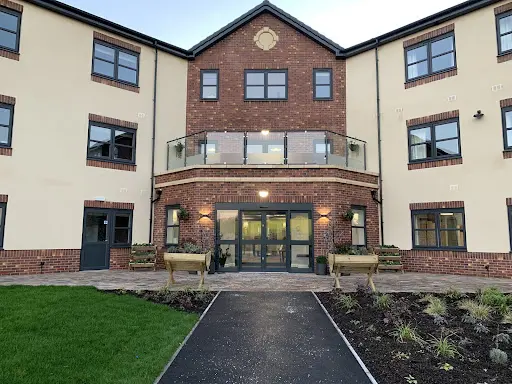
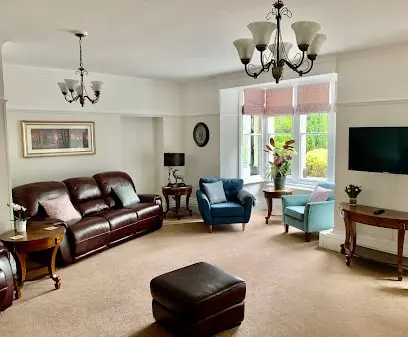
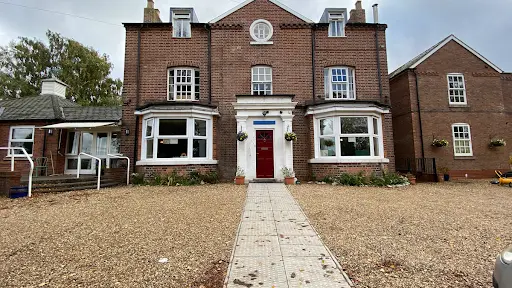
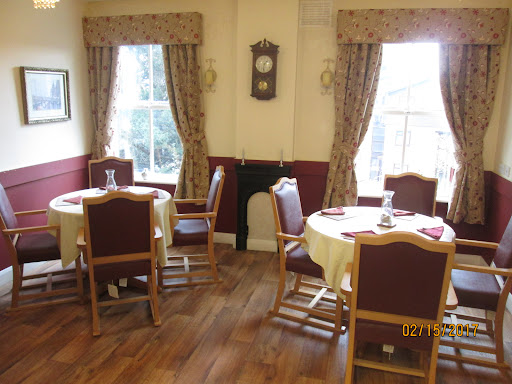
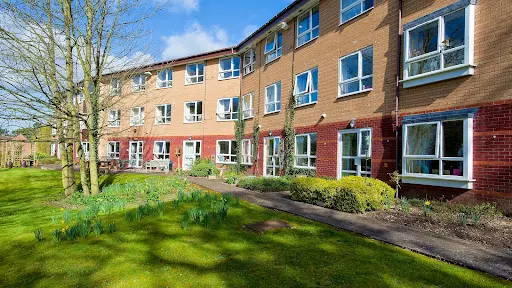
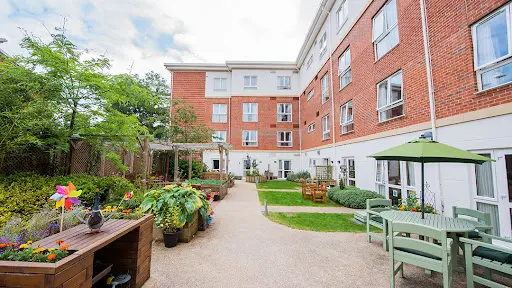
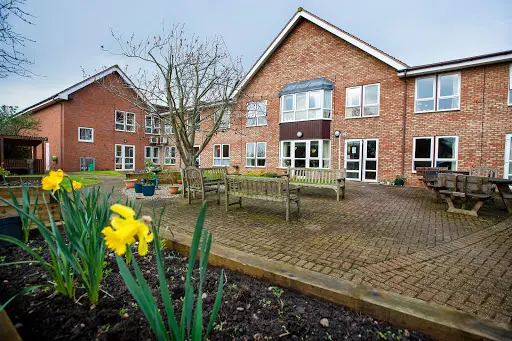
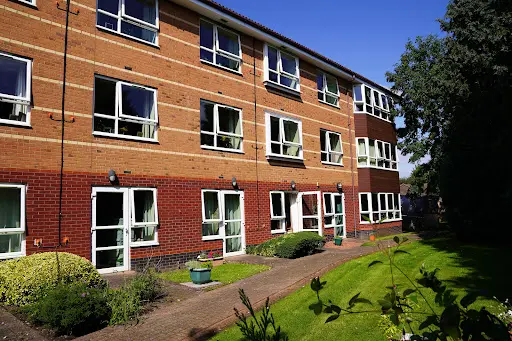
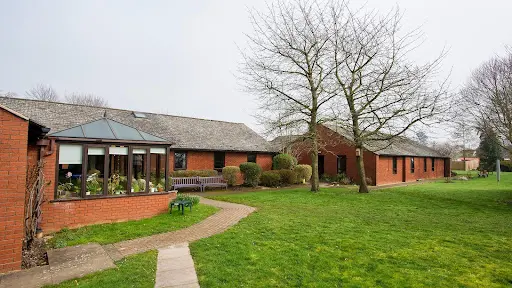
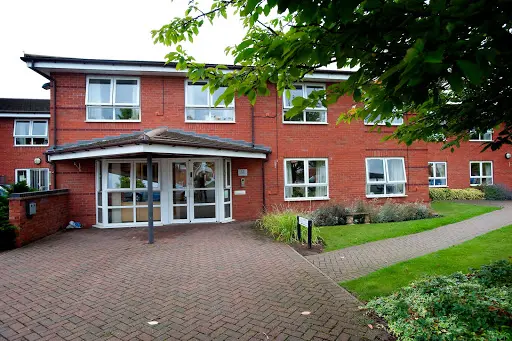
The home keeps things spotless throughout, which families really appreciate. Sunday lunches get particular praise, suggesting the kitchen knows how to make meals that residents actually enjoy.
“Getting a feel for any care home means seeing it for yourself — especially somewhere like The Shrubbery where individual experiences can differ.”
DCC does not edit or curate content in this tab. For independently curated information, see The Evidence and DCC Verdict.