Casa Mia Care Home
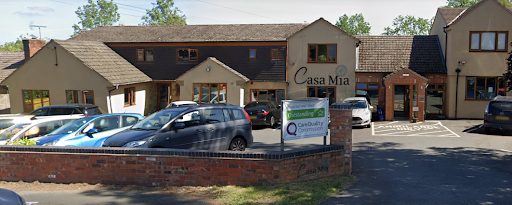
At a Glance
The information you need to decide whether this home warrants a closer look.
Residential homes
Staff warmth score
of reviewers answered yes
Good to know
- Registered beds40
- SpecialismsCaring for adults over 65 yrs, Caring for adults under 65 yrs, Dementia, Mental health conditions, Physical disabilities, Sensory impairment, Substance misuse problems
- Last inspected2019-04-09
Save Casa Mia Care Home to your shortlist
Keep a running list, add visit notes, and compare homes side-by-side. Free account — it takes a minute.
STAGE 4 — RESEARCHING CARE HOMES
Visit homes. Compare them side by side. Choose with confidence.
Most of us will view care homes the way we view houses, impression, atmosphere, the feeling in the corridor. We go home, try to remember what we saw, and make a permanent decision from a blurred memory.

The DCC shortlist gives every home you visit a structured record: the same twelve questions, answered the same way, every time. When you’re ready to choose, pull any two homes side by side and compare them directly. Same criteria, same evidence, your notes and your scores.
The Evidence
What the review data, the inspection reports, and the dementia-care evidence base tell us about this home.
What families say
Visitors describe a calm, compassionate atmosphere where staff take time to understand each resident as an individual. The home welcomes people at different stages of life, and observers have noticed how staff adapt their approach to match what each person needs.
The eight family priority themes
- Staff warmth82
- Compassion & dignity85
- Cleanliness65
- Activities & engagement80
- Food quality55
- Healthcare65
- Management & leadership70
- Resident happiness78
What inspectors found
Inspected 2019-04-09
Is this home safe?
Is the care effective?
The Effective domain was rated Good at the January 2019 inspection. This means inspectors found that care plans, training, and health monitoring were in place and functioning. The home supports adults with dementia, mental health conditions, physical disabilities, sensory impairment, and substance misuse, a wide and complex mix that requires broad staff competence. The published report does not record specific detail about which dementia training programmes are used, how often care plans are reviewed, or the frequency of GP access.Is this home caring?
The Caring domain was rated Outstanding at the January 2019 inspection. This is the strongest possible rating and requires inspectors to find specific, direct evidence of exceptional compassion, dignity, and respect, not just compliance with minimum standards. An Outstanding Caring rating at a home supporting people with dementia, mental health conditions, and physical disabilities indicates that inspectors observed staff treating the people who live here as individuals with histories and preferences, not as a group of needs to be managed. The published report does not reproduce verbatim quotes or specific observations, but the rating itself is a meaningful signal.Is the home responsive?
The Responsive domain was rated Outstanding at the January 2019 inspection. Outstanding in Responsive requires inspectors to find that the home tailors support to individual needs and histories, provides meaningful activities beyond a standard timetable, and responds flexibly when someone's needs or preferences change. For a home supporting people with dementia alongside mental health conditions and physical disabilities, this is a demanding standard to reach. The published report does not give specific examples of activities, individual care arrangements, or end-of-life planning practices.Is the home well-led?
The Well-led domain was rated Good at the January 2019 inspection. The home is owned and managed by Mr and Mrs Winfield, with one of them listed as the registered manager. Owner-management of a 40-bed home is a structural advantage for leadership visibility and accountability: the person in charge has a direct personal and financial stake in the home's quality. A Good rating indicates that governance, staff support, and quality monitoring were functioning. The published report does not record specific detail about audit systems, staff survey findings, or how the management team responds to complaints.
Source: CQC inspection report →
What the evidence base says
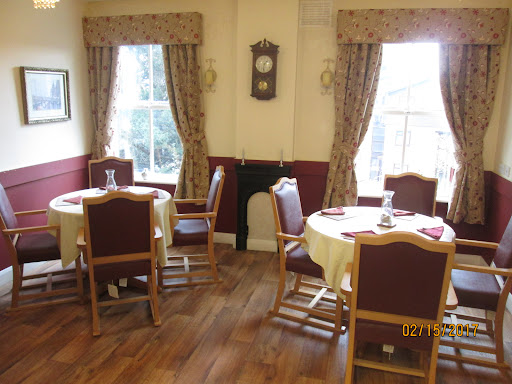
Casa Mia supports people with dementia, mental health conditions, physical disabilities, and sensory impairments. They also care for adults under 65 and those dealing with substance misuse issues. The home's approach to dementia care includes sensory design features and varied communal spaces that help residents maintain their independence. Activities are adapted to different cognitive abilities, with both group sessions and one-to-one support available. All areas worth probing directly during a visit.
The DCC Verdict
Our editorial view, built from the three lenses: what families tell us, what inspectors record, and how the home sits against good dementia-care practice.
DCC Family Score
Casa Mia scores strongly on the things families care about most, particularly staff warmth and dignity, where the inspection awarded Outstanding ratings. Scores for food, cleanliness, and healthcare are moderate because the published report gives little specific detail in those areas.
Homes in West Midlands typically score 68–82.The three-lens summary
What families tell us
Visitors describe a calm, compassionate atmosphere where staff take time to understand each resident as an individual. The home welcomes people at different stages of life, and observers have noticed how staff adapt their approach to match what each person needs.
What inspectors have recorded
Staff are described as consistently attentive and person-centred in their approach. Observers have particularly noted the compassionate way the team works with residents, taking time to ensure everyone feels heard and supported.
How it sits against good practice
If you're looking for a home that understands complex care needs across different age groups, Casa Mia might be worth exploring.
Worth a visit
Casa Mia Care Home in Cleobury Road, Kidderminster was rated Outstanding overall at its inspection in January 2019, an improvement on its previous Good rating. Inspectors awarded Outstanding for both Caring and Responsive, the two domains that matter most to families choosing a home for a parent with dementia or complex needs. Safe, Effective, and Well-led were each rated Good. The home is owner-managed by Mr and Mrs Winfield, which at 40 beds means leadership is close to daily life on the floor. The main uncertainty here is age. The inspection findings are from January 2019, and while a review in July 2023 found no reason to change the rating, no full re-inspection has been published since. A lot can change in six years, including staffing, management presence, and the physical environment. When you visit, ask to see last week's actual staffing rota (not the template), ask specifically how many permanent staff are on the dementia unit overnight, and spend time in the communal areas at a time of day when activity is happening so you can see for yourself whether the Outstanding quality in the Caring and Responsive domains still holds.
The three questions to ask when you visitSave this home. Compare it against your shortlist.
Let our analysis show you how Casa Mia Care Home measures up against the other homes you’re considering. Free account.
In Their Own Words
How Casa Mia Care Home describes itself — collected from its own website. DCC has not edited or independently verified the content in this tab.
Where different needs meet thoughtful care in Kidderminster
Residential home in Kidderminster: True Peace of Mind
Some families need a care home that understands complex needs — whether that's dementia, mental health challenges, or physical disabilities. Casa Mia Care Home in Kidderminster specialises in supporting residents with varied conditions, including younger adults under 65. The home creates spaces where people with different needs can find their own sense of comfort and independence.
Who they care for
Casa Mia supports people with dementia, mental health conditions, physical disabilities, and sensory impairments. They also care for adults under 65 and those dealing with substance misuse issues.
The home's approach to dementia care includes sensory design features and varied communal spaces that help residents maintain their independence. Activities are adapted to different cognitive abilities, with both group sessions and one-to-one support available.
“If you're looking for a home that understands complex care needs across different age groups, Casa Mia might be worth exploring.”
DCC does not edit or curate content in this tab. For independently curated information, see The Evidence and DCC Verdict.
The DCC Verdict
Our editorial view, built from the three lenses: what families tell us, what inspectors record, and how the home sits against good dementia-care practice.
DCC Family Score
Casa Mia scores strongly on the things families care about most, particularly staff warmth and dignity, where the inspection awarded Outstanding ratings. Scores for food, cleanliness, and healthcare are moderate because the published report gives little specific detail in those areas.
Homes in West Midlands typically score 68–82.The three-lens summary
What families tell us
Visitors describe a calm, compassionate atmosphere where staff take time to understand each resident as an individual. The home welcomes people at different stages of life, and observers have noticed how staff adapt their approach to match what each person needs.
What inspectors have recorded
Staff are described as consistently attentive and person-centred in their approach. Observers have particularly noted the compassionate way the team works with residents, taking time to ensure everyone feels heard and supported.
How it sits against good practice
If you're looking for a home that understands complex care needs across different age groups, Casa Mia might be worth exploring.
Worth a visit
Casa Mia Care Home in Cleobury Road, Kidderminster was rated Outstanding overall at its inspection in January 2019, an improvement on its previous Good rating. Inspectors awarded Outstanding for both Caring and Responsive, the two domains that matter most to families choosing a home for a parent with dementia or complex needs. Safe, Effective, and Well-led were each rated Good. The home is owner-managed by Mr and Mrs Winfield, which at 40 beds means leadership is close to daily life on the floor. The main uncertainty here is age. The inspection findings are from January 2019, and while a review in July 2023 found no reason to change the rating, no full re-inspection has been published since. A lot can change in six years, including staffing, management presence, and the physical environment. When you visit, ask to see last week's actual staffing rota (not the template), ask specifically how many permanent staff are on the dementia unit overnight, and spend time in the communal areas at a time of day when activity is happening so you can see for yourself whether the Outstanding quality in the Caring and Responsive domains still holds.
The three questions to ask when you visitSave this home. Compare it against your shortlist.
Let our analysis show you how Casa Mia Care Home measures up against the other homes you’re considering. Free account.
In Their Own Words
How Casa Mia Care Home describes itself — collected from its own website. DCC has not edited or independently verified the content in this tab.
Where different needs meet thoughtful care in Kidderminster
Residential home in Kidderminster: True Peace of Mind
Some families need a care home that understands complex needs — whether that's dementia, mental health challenges, or physical disabilities. Casa Mia Care Home in Kidderminster specialises in supporting residents with varied conditions, including younger adults under 65. The home creates spaces where people with different needs can find their own sense of comfort and independence.
Who they care for
Casa Mia supports people with dementia, mental health conditions, physical disabilities, and sensory impairments. They also care for adults under 65 and those dealing with substance misuse issues.
The home's approach to dementia care includes sensory design features and varied communal spaces that help residents maintain their independence. Activities are adapted to different cognitive abilities, with both group sessions and one-to-one support available.
Management & ethos
Staff are described as consistently attentive and person-centred in their approach. Observers have particularly noted the compassionate way the team works with residents, taking time to ensure everyone feels heard and supported.
The home & environment
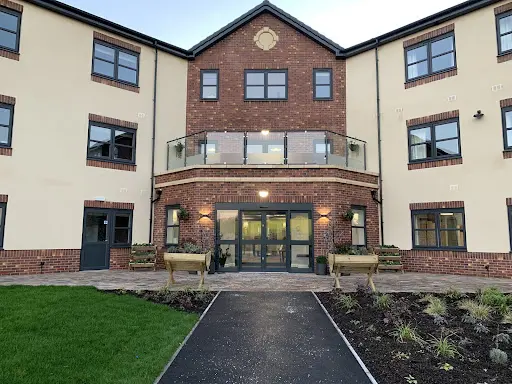
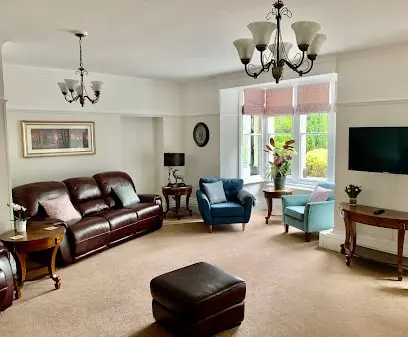
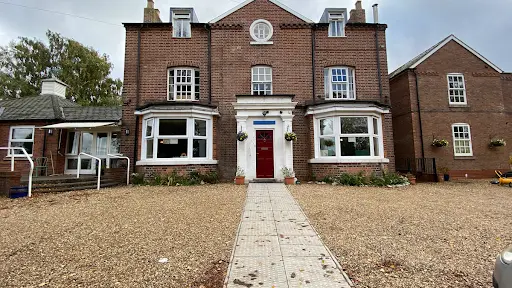
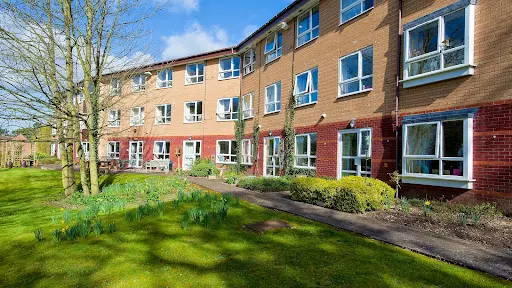
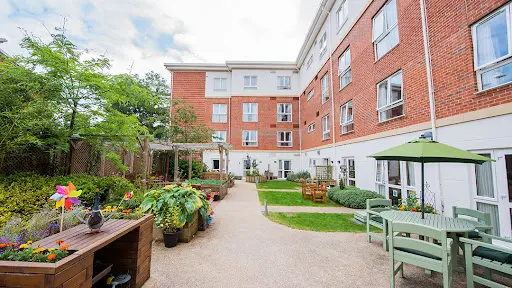
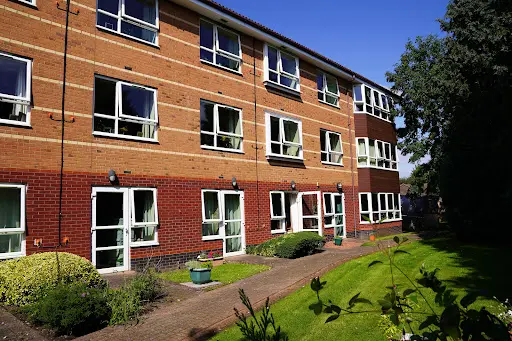
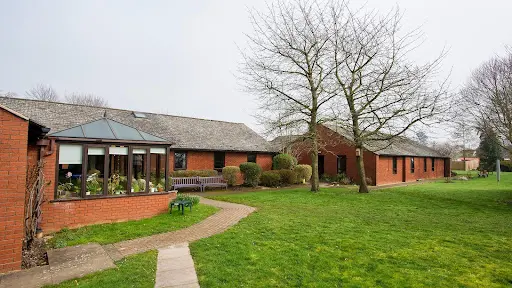
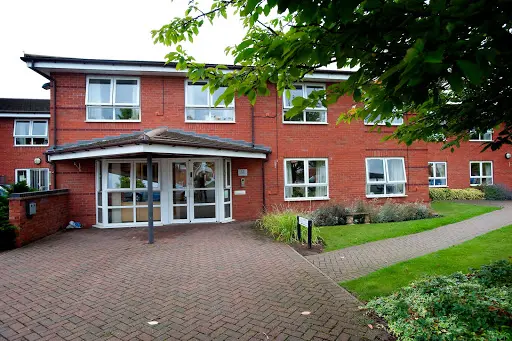
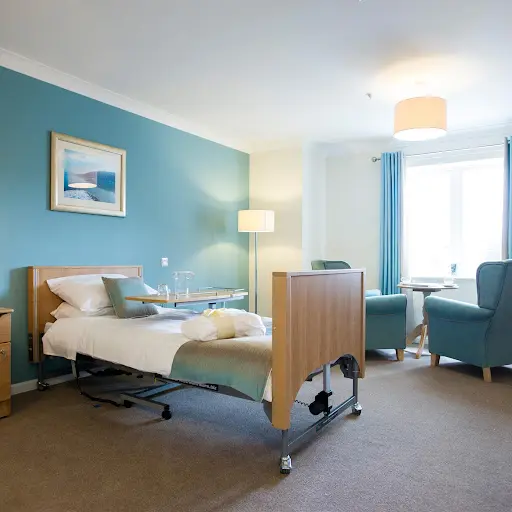
The home offers both indoor and outdoor spaces designed to engage the senses and support independence. There's a programme of group and one-to-one activities tailored to different abilities, and the grounds include natural features that residents can enjoy.
“If you're looking for a home that understands complex care needs across different age groups, Casa Mia might be worth exploring.”
DCC does not edit or curate content in this tab. For independently curated information, see The Evidence and DCC Verdict.