The Rise Care Home
At a Glance
The information you need to decide whether this home warrants a closer look.
Residential homes
Staff warmth score
of reviewers answered yes
Good to know
- Registered beds36
- SpecialismsCaring for adults over 65 yrs, Dementia, Physical disabilities, Sensory impairment
- Last inspected2022-05-17
Save The Rise Care Home to your shortlist
Keep a running list, add visit notes, and compare homes side-by-side. Free account — it takes a minute.
STAGE 4 — RESEARCHING CARE HOMES
Visit homes. Compare them side by side. Choose with confidence.
Most of us will view care homes the way we view houses, impression, atmosphere, the feeling in the corridor. We go home, try to remember what we saw, and make a permanent decision from a blurred memory.

The DCC shortlist gives every home you visit a structured record: the same twelve questions, answered the same way, every time. When you’re ready to choose, pull any two homes side by side and compare them directly. Same criteria, same evidence, your notes and your scores.
The Evidence
What the review data, the inspection reports, and the dementia-care evidence base tell us about this home.
What families say
What strikes families is how dignity shapes everything here. People describe staff who are patient and kind across every shift, taking time to really engage with each resident. There's a warmth that extends to visitors too, making those crucial early visits feel less daunting.
The eight family priority themes
- Staff warmth55
- Compassion & dignity55
- Cleanliness55
- Activities & engagement50
- Food quality50
- Healthcare55
- Management & leadership60
- Resident happiness55
What inspectors found
Inspected 2022-05-17
Is this home safe?
Is the care effective?
The Effective domain was rated Good at the April 2022 inspection. This domain covers training, care planning, healthcare access, nutrition, and how well staff understand individual needs. The home lists dementia as a specialism, which means staff should have relevant training and care plans should reflect the specific challenges of living with dementia. No specific examples of care plan content, GP access arrangements, dementia training programmes, or food quality are recorded in the published text.Is this home caring?
The Caring domain was rated Good at the April 2022 inspection. This domain covers staff warmth, dignity, respect, and how well staff know the individuals they care for. No direct inspector observations of staff interactions, no resident quotes, and no relative feedback are included in the published text. The home's Good rating in this domain is therefore confirmed by the inspection but not illustrated by specific examples.Is the home responsive?
The Responsive domain was rated Good at the April 2022 inspection. This domain covers activities, individual engagement, responsiveness to changing needs, complaints handling, and end-of-life planning. The home lists dementia as a specialism, which makes meaningful activity provision particularly important. No specific examples of the activity programme, individual engagement for people who cannot join group activities, or end-of-life planning arrangements are included in the published text.Is the home well-led?
The Well-led domain was rated Good at the April 2022 inspection. The home is run by Regency Care Limited and has a named registered manager (Mrs Lynda Jayne Carew) and nominated individual (Mrs Julia Christina Raven). This structure indicates clear lines of accountability. No specific detail about management visibility, staff culture, governance processes, or how the home responds to complaints and incidents is included in the published text. The July 2023 review found no evidence to change the Good rating.
Source: CQC inspection report →
What the evidence base says
The home cares for people over 65 with physical disabilities, sensory impairments and dementia. They make practical adjustments like large-print programmes for residents with sight loss. For residents living with dementia, the consistent staff team and structured activity programme provide important routine. The countryside setting offers peaceful grounds while remaining connected to local communities. All areas worth probing directly during a visit.
The DCC Verdict
Our editorial view, built from the three lenses: what families tell us, what inspectors record, and how the home sits against good dementia-care practice.
DCC Family Score
The Rise Care Home holds a Good rating across all five inspection domains, which is a solid foundation. However, the published inspection text contains very little specific detail, meaning this score reflects the rating itself rather than rich observed evidence, and many areas will need to be explored directly with the home.
Homes in South West typically score 68–82.The three-lens summary
What families tell us
What strikes families is how dignity shapes everything here. People describe staff who are patient and kind across every shift, taking time to really engage with each resident. There's a warmth that extends to visitors too, making those crucial early visits feel less daunting.
What inspectors have recorded
Directors and managers stay visible in daily life here, not tucked away in offices. Families notice they're genuinely open to suggestions and actively work on improvements. Staff seem well-supported, which shows in their consistent approach to care.
How it sits against good practice
It's the everyday kindnesses that seem to matter most here — staff who know each resident well, outings that bring genuine joy, and a leadership team that stays connected to what's happening.
Worth a visit
The Rise Care Home on Luscombe Hill in Dawlish was rated Good across all five inspection domains at its assessment in April 2022, with no concerns identified at a subsequent review in July 2023. The home is registered for 36 beds and lists dementia, physical disabilities, and sensory impairment as specialisms. A named registered manager and nominated individual are identified, indicating a clear leadership structure is in place. The main uncertainty here is that the published inspection text is extremely brief and contains almost no specific observed detail, resident or relative quotes, or concrete examples of practice. A Good rating is a positive sign, but it tells you the minimum standard was met, not how the home actually feels day to day. Before you decide, visit in person: arrive unannounced if possible, walk the corridors at a quieter time of day, and ask the manager directly about night staffing ratios, how often agency staff cover shifts on the dementia unit, and when your parent's care plan would next be reviewed with you present.
The three questions to ask when you visitSave this home. Compare it against your shortlist.
Let our analysis show you how The Rise Care Home measures up against the other homes you’re considering. Free account.
In Their Own Words
How The Rise Care Home describes itself — collected from its own website. DCC has not edited or independently verified the content in this tab.
Where kindness meets countryside in a Georgian setting
The Rise Care Home – Your Trusted residential home
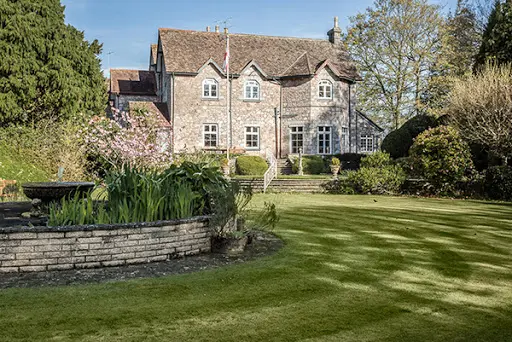
Families choosing The Rise Care Home in Dawlish often mention the same thing — their relatives seem genuinely settled and content. This spacious Georgian building sits in countryside surroundings, yet stays close enough to the coast for regular beach outings. The home specialises in supporting people with sensory impairments, dementia and physical disabilities.
Who they care for
The home cares for people over 65 with physical disabilities, sensory impairments and dementia. They make practical adjustments like large-print programmes for residents with sight loss.
For residents living with dementia, the consistent staff team and structured activity programme provide important routine. The countryside setting offers peaceful grounds while remaining connected to local communities.
“It's the everyday kindnesses that seem to matter most here — staff who know each resident well, outings that bring genuine joy, and a leadership team that stays connected to what's happening.”
DCC does not edit or curate content in this tab. For independently curated information, see The Evidence and DCC Verdict.
The DCC Verdict
Our editorial view, built from the three lenses: what families tell us, what inspectors record, and how the home sits against good dementia-care practice.
DCC Family Score
The Rise Care Home holds a Good rating across all five inspection domains, which is a solid foundation. However, the published inspection text contains very little specific detail, meaning this score reflects the rating itself rather than rich observed evidence, and many areas will need to be explored directly with the home.
Homes in South West typically score 68–82.The three-lens summary
What families tell us
What strikes families is how dignity shapes everything here. People describe staff who are patient and kind across every shift, taking time to really engage with each resident. There's a warmth that extends to visitors too, making those crucial early visits feel less daunting.
What inspectors have recorded
Directors and managers stay visible in daily life here, not tucked away in offices. Families notice they're genuinely open to suggestions and actively work on improvements. Staff seem well-supported, which shows in their consistent approach to care.
How it sits against good practice
It's the everyday kindnesses that seem to matter most here — staff who know each resident well, outings that bring genuine joy, and a leadership team that stays connected to what's happening.
Worth a visit
The Rise Care Home on Luscombe Hill in Dawlish was rated Good across all five inspection domains at its assessment in April 2022, with no concerns identified at a subsequent review in July 2023. The home is registered for 36 beds and lists dementia, physical disabilities, and sensory impairment as specialisms. A named registered manager and nominated individual are identified, indicating a clear leadership structure is in place. The main uncertainty here is that the published inspection text is extremely brief and contains almost no specific observed detail, resident or relative quotes, or concrete examples of practice. A Good rating is a positive sign, but it tells you the minimum standard was met, not how the home actually feels day to day. Before you decide, visit in person: arrive unannounced if possible, walk the corridors at a quieter time of day, and ask the manager directly about night staffing ratios, how often agency staff cover shifts on the dementia unit, and when your parent's care plan would next be reviewed with you present.
The three questions to ask when you visitSave this home. Compare it against your shortlist.
Let our analysis show you how The Rise Care Home measures up against the other homes you’re considering. Free account.
In Their Own Words
How The Rise Care Home describes itself — collected from its own website. DCC has not edited or independently verified the content in this tab.
Where kindness meets countryside in a Georgian setting
The Rise Care Home – Your Trusted residential home
Families choosing The Rise Care Home in Dawlish often mention the same thing — their relatives seem genuinely settled and content. This spacious Georgian building sits in countryside surroundings, yet stays close enough to the coast for regular beach outings. The home specialises in supporting people with sensory impairments, dementia and physical disabilities.
Who they care for
The home cares for people over 65 with physical disabilities, sensory impairments and dementia. They make practical adjustments like large-print programmes for residents with sight loss.
For residents living with dementia, the consistent staff team and structured activity programme provide important routine. The countryside setting offers peaceful grounds while remaining connected to local communities.
Management & ethos
Directors and managers stay visible in daily life here, not tucked away in offices. Families notice they're genuinely open to suggestions and actively work on improvements. Staff seem well-supported, which shows in their consistent approach to care.
The home & environment
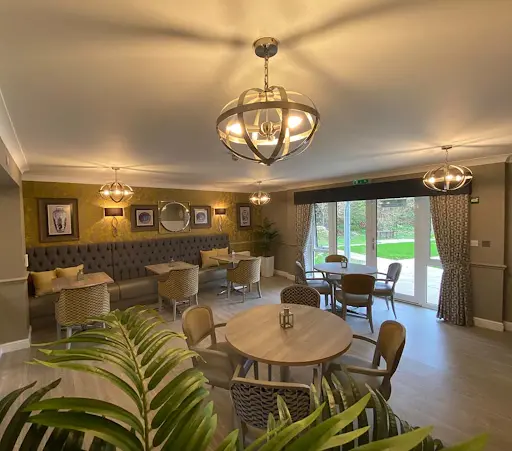
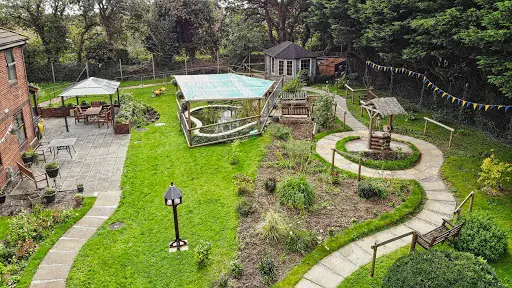
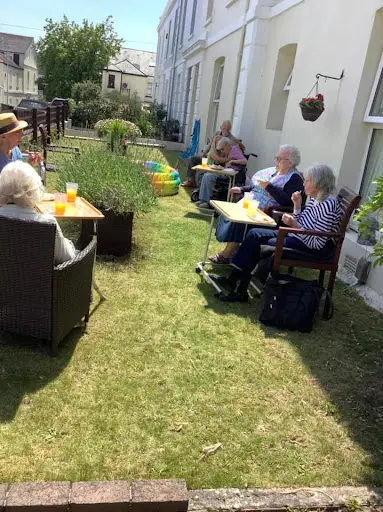
The Georgian building offers plenty of space, with different dining areas giving residents choice in where they eat. Gardens are well-kept and accessible. The activity programme catches attention — regular trips out to Dartmoor, steam train rides, beach visits and even the circus, with indoor quizzes for quieter days.
“It's the everyday kindnesses that seem to matter most here — staff who know each resident well, outings that bring genuine joy, and a leadership team that stays connected to what's happening.”
DCC does not edit or curate content in this tab. For independently curated information, see The Evidence and DCC Verdict.