The Pantiles Care Home Ltd
At a Glance
The information you need to decide whether this home warrants a closer look.
Residential homes
Staff warmth score
of reviewers answered yes
Good to know
- Registered beds16
- SpecialismsCaring for adults over 65 yrs, Dementia
- Last inspected2019-01-09
Save The Pantiles Care Home Ltd to your shortlist
Keep a running list, add visit notes, and compare homes side-by-side. Free account — it takes a minute.
STAGE 4 — RESEARCHING CARE HOMES
Visit homes. Compare them side by side. Choose with confidence.
Most of us will view care homes the way we view houses, impression, atmosphere, the feeling in the corridor. We go home, try to remember what we saw, and make a permanent decision from a blurred memory.

The DCC shortlist gives every home you visit a structured record: the same twelve questions, answered the same way, every time. When you’re ready to choose, pull any two homes side by side and compare them directly. Same criteria, same evidence, your notes and your scores.
The Evidence
What the review data, the inspection reports, and the dementia-care evidence base tell us about this home.
What families say
The eight family priority themes
- Staff warmth52
- Compassion & dignity52
- Cleanliness52
- Activities & engagement50
- Food quality50
- Healthcare50
- Management & leadership55
- Resident happiness52
What inspectors found
Inspected 2019-01-09
Is this home safe?
Is the care effective?
The Effective domain was rated Good, covering care planning, dementia-specific training, healthcare coordination, and nutrition. The home lists dementia as a specialism, which implies a commitment to relevant staff training. No specific detail is provided in the published report about the content of dementia training, how frequently care plans are reviewed, how GP and specialist input is arranged, or how the home monitors and responds to changes in a resident's health. The 16-bed scale means individual residents should, in principle, be well-known to staff.Is this home caring?
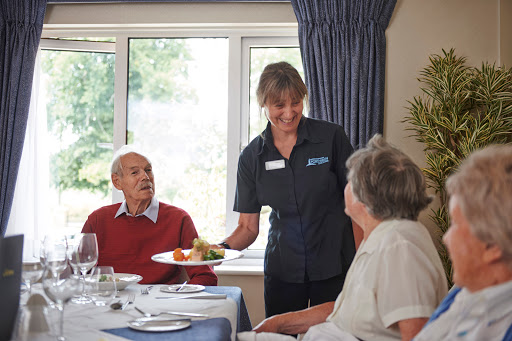
The home received a Good rating for Caring, the domain that most directly reflects whether your parent will be treated with warmth, dignity, and respect. This is the highest-weighted theme in DCC family review data. The published report contains no direct quotes from residents or relatives, and no specific observations of staff interactions — so while the Good rating is reassuring, it cannot be independently verified from the report text alone. The small size of the home (16 beds) does tend to support more personal, unhurried interactions.Is the home responsive?
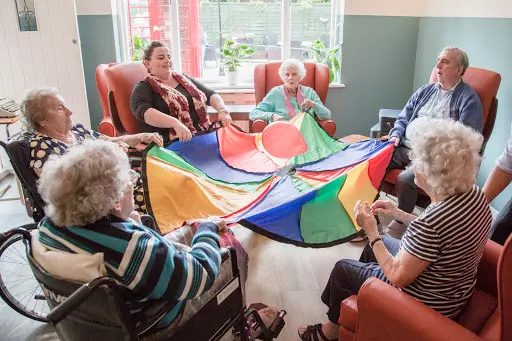
The Responsive domain was rated Good, covering activities, individual engagement, and how well the home adapts to each person's changing needs. The home's specialism in dementia care suggests awareness of the need for tailored rather than generic activity provision. No specific detail is available in the report about what activities are offered, how the programme is adapted for residents with more advanced dementia, or how the home supports individuals who cannot participate in group settings. End-of-life planning is not mentioned in the published report.Is the home well-led?
The Well-led domain was rated Good, and the home has named individuals in both the registered manager (Mrs Paula Stafford) and nominated individual (Mr Amit Parkash) roles, which reflects a clear governance structure. A monitoring review in July 2023 — four and a half years after the last full inspection — found no evidence requiring a reassessment of the rating. No detail is provided in the published report about management culture, staff empowerment, how the home handles complaints, or how it communicates with families. The July 2023 review was a desk-based assessment, not a physical inspection.
Source: CQC inspection report →
What the evidence base says
The team at The Pantiles focuses on two key areas of care — supporting people living with dementia and caring for adults over 65. Both require patience, understanding and real expertise. For those living with dementia, finding the right environment matters enormously. The Pantiles provides specialised dementia care, where staff understand the unique challenges and needs that come with memory loss. All areas worth probing directly during a visit.
The DCC Verdict
Our editorial view, built from the three lenses: what families tell us, what inspectors record, and how the home sits against good dementia-care practice.
DCC Family Score
The Pantiles Care Home Limited holds a Good rating across all five inspection domains, but the inspection report itself contains almost no specific observations, quotes, or direct evidence — meaning the Family Score reflects the rating's presence rather than verified detail that families can rely on.
Homes in South East typically score 68–82.Worth a visit
The Pantiles Care Home Limited, a 16-bed residential home in Ashtead specialising in dementia care for older adults, was rated Good across all five inspection domains when assessed in December 2018. That consistent Good rating — covering safety, effectiveness, caring, responsiveness, and leadership — is a positive baseline, and a July 2023 monitoring review found no reason to change that rating. The named registered manager and nominated individual provide a clear accountability structure, and the home's small size (16 beds) can be a genuine advantage for dementia care, supporting consistent staffing and a familiar, settled atmosphere. However, the published inspection report contains almost no specific observations, direct quotes from residents or relatives, or detailed evidence about day-to-day life — which means this report cannot tell you what visiting the home actually feels like. The inspection is now over six years old, which is a significant gap: staff teams change, management changes, and the culture of a small home can shift quickly. Before placing your parent here, you should visit in person at different times of day, ask specifically about night staffing ratios, how agency staff are used, and how the team supports residents living with advanced dementia who cannot join group activities. Ask to see the most recent care plan for a resident (with permission) to understand how individual preferences are captured and reviewed.
The three questions to ask when you visitSave this home. Compare it against your shortlist.
Let our analysis show you how The Pantiles Care Home Ltd measures up against the other homes you’re considering. Free account.
In Their Own Words
How The Pantiles Care Home Ltd describes itself — collected from its own website. DCC has not edited or independently verified the content in this tab.
A warm welcome awaits in this Ashtead care home
The Pantiles Care Home Limited – Your Trusted residential home
When you walk through the doors at The Pantiles Care Home in Ashtead, you'll find a place where genuine care comes first. This Surrey home specialises in supporting people living with dementia and those over 65. The caring approach here has left such positive impressions that one visitor hoped their own family would find somewhere just like it when the time comes.
Who they care for
The team at The Pantiles focuses on two key areas of care — supporting people living with dementia and caring for adults over 65. Both require patience, understanding and real expertise.
For those living with dementia, finding the right environment matters enormously. The Pantiles provides specialised dementia care, where staff understand the unique challenges and needs that come with memory loss.
“Sometimes the best recommendation is when someone wishes the same care for their own loved ones — and that's exactly the feeling The Pantiles inspires.”
DCC does not edit or curate content in this tab. For independently curated information, see The Evidence and DCC Verdict.
The DCC Verdict
Our editorial view, built from the three lenses: what families tell us, what inspectors record, and how the home sits against good dementia-care practice.
DCC Family Score
The Pantiles Care Home Limited holds a Good rating across all five inspection domains, but the inspection report itself contains almost no specific observations, quotes, or direct evidence — meaning the Family Score reflects the rating's presence rather than verified detail that families can rely on.
Homes in South East typically score 68–82.Worth a visit
The Pantiles Care Home Limited, a 16-bed residential home in Ashtead specialising in dementia care for older adults, was rated Good across all five inspection domains when assessed in December 2018. That consistent Good rating — covering safety, effectiveness, caring, responsiveness, and leadership — is a positive baseline, and a July 2023 monitoring review found no reason to change that rating. The named registered manager and nominated individual provide a clear accountability structure, and the home's small size (16 beds) can be a genuine advantage for dementia care, supporting consistent staffing and a familiar, settled atmosphere. However, the published inspection report contains almost no specific observations, direct quotes from residents or relatives, or detailed evidence about day-to-day life — which means this report cannot tell you what visiting the home actually feels like. The inspection is now over six years old, which is a significant gap: staff teams change, management changes, and the culture of a small home can shift quickly. Before placing your parent here, you should visit in person at different times of day, ask specifically about night staffing ratios, how agency staff are used, and how the team supports residents living with advanced dementia who cannot join group activities. Ask to see the most recent care plan for a resident (with permission) to understand how individual preferences are captured and reviewed.
The three questions to ask when you visitSave this home. Compare it against your shortlist.
Let our analysis show you how The Pantiles Care Home Ltd measures up against the other homes you’re considering. Free account.
In Their Own Words
How The Pantiles Care Home Ltd describes itself — collected from its own website. DCC has not edited or independently verified the content in this tab.
A warm welcome awaits in this Ashtead care home
The Pantiles Care Home Limited – Your Trusted residential home
When you walk through the doors at The Pantiles Care Home in Ashtead, you'll find a place where genuine care comes first. This Surrey home specialises in supporting people living with dementia and those over 65. The caring approach here has left such positive impressions that one visitor hoped their own family would find somewhere just like it when the time comes.
Who they care for
The team at The Pantiles focuses on two key areas of care — supporting people living with dementia and caring for adults over 65. Both require patience, understanding and real expertise.
For those living with dementia, finding the right environment matters enormously. The Pantiles provides specialised dementia care, where staff understand the unique challenges and needs that come with memory loss.
“Sometimes the best recommendation is when someone wishes the same care for their own loved ones — and that's exactly the feeling The Pantiles inspires.”
DCC does not edit or curate content in this tab. For independently curated information, see The Evidence and DCC Verdict.