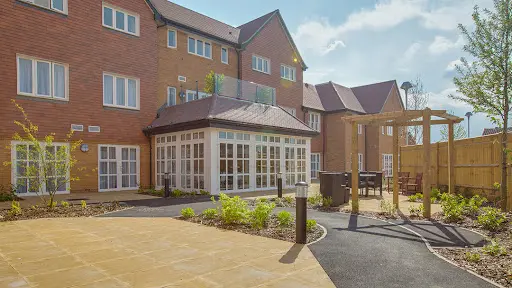
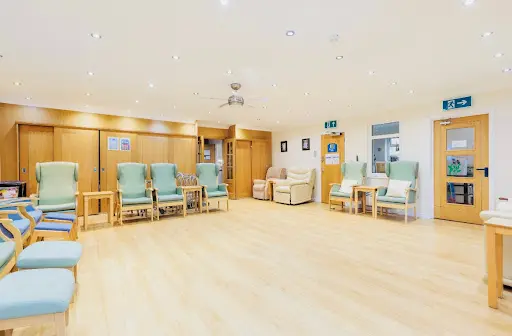
The Red House Care Home (Ashtead)

At a Glance
The information you need to decide whether this home warrants a closer look.
Nursing homes
Staff warmth score
of reviewers answered yes
Good to know
- Registered beds26
- SpecialismsCaring for adults over 65 yrs, Caring for adults under 65 yrs, Dementia
- Last inspected2019-04-30
Save The Red House Care Home (Ashtead) to your shortlist
Keep a running list, add visit notes, and compare homes side-by-side. Free account — it takes a minute.
STAGE 4 — RESEARCHING CARE HOMES
Visit homes. Compare them side by side. Choose with confidence.
Most of us will view care homes the way we view houses, impression, atmosphere, the feeling in the corridor. We go home, try to remember what we saw, and make a permanent decision from a blurred memory.

The DCC shortlist gives every home you visit a structured record: the same twelve questions, answered the same way, every time. When you’re ready to choose, pull any two homes side by side and compare them directly. Same criteria, same evidence, your notes and your scores.
The Evidence
What the review data, the inspection reports, and the dementia-care evidence base tell us about this home.
What families say
The eight family priority themes
- Staff warmth88
- Compassion & dignity90
- Cleanliness72
- Activities & engagement82
- Food quality65
- Healthcare72
- Management & leadership88
- Resident happiness82
What inspectors found
Inspected 2019-04-30
Is this home safe?
Is the care effective?
The Effective domain was rated Good at the February 2022 inspection. This covers how well the home uses its knowledge of each person to plan and deliver care, including dementia-specific training, care plan quality, access to healthcare professionals, and nutrition. The home lists dementia as a specialism, which means it has committed to a higher standard of knowledge and practice in this area. No specific examples of training content, GP visit frequency, or food quality are described in the published summary. The Good rating indicates that requirements were met but that inspectors did not find the level of evidence needed for an Outstanding award in this domain.Is this home caring?
The Caring domain was rated Outstanding at the February 2022 inspection, the highest possible rating. Inspectors award Outstanding for caring only when they find consistent, specific evidence that staff treat the people who live in the home with genuine warmth, respect the dignity of each individual, and support people's independence rather than doing things for them out of convenience. The published summary confirms this rating but does not reproduce the specific observations, quotes, or examples that inspectors used to reach it. No resident or relative quotes are included in the published record.Is the home responsive?
The Responsive domain was rated Outstanding at the February 2022 inspection. Responsive covers how well the home tailors its care, activities, and daily life to each person as an individual rather than fitting people into a routine that suits the home. An Outstanding rating in this domain requires inspectors to find specific evidence of individual activity planning, meaningful engagement for people at all stages of dementia, and effective systems for responding to complaints and requests. The published summary confirms the rating but does not include specific examples of activities, individual engagement approaches, or how the home supports people at more advanced stages of dementia.Is the home well-led?
The Well-led domain was rated Outstanding at the February 2022 inspection. The registered manager is named as Mrs Valsamma Mathew, with Ms Laura Rushton as the nominated individual representing the provider organisation. An Outstanding well-led rating requires inspectors to find evidence of a positive, open culture, staff who feel supported and able to raise concerns, robust governance systems that identify and act on problems, and leadership that is visible and connected to the people living in the home. The home had previously been rated Good overall and improved to Outstanding, which suggests that leadership drove genuine quality improvement rather than simply maintaining a standard. The inspection date of February 2022 means this assessment is now over two years old.
Source: CQC inspection report →
What the evidence base says
The home provides specialist care for adults both under and over 65, with particular expertise in dementia support. Their nursing team maintains a strong presence throughout the day, managing complex medical needs while keeping the atmosphere relaxed and welcoming. For residents living with dementia, the team brings patience and understanding to daily care. They work to maintain dignity and connection, helping people feel secure even as their needs change. All areas worth probing directly during a visit.
The DCC Verdict
Our editorial view, built from the three lenses: what families tell us, what inspectors record, and how the home sits against good dementia-care practice.
DCC Family Score
The home holds an Outstanding overall rating, with particular strength in caring for people with dignity and respect, and in responsive, individually tailored support. Scores reflect strong evidence in the caring and leadership domains, with less specific detail available on food, cleanliness, and healthcare in the published findings.
Homes in South East typically score 68–82.Worth a visit
Aurem Care (The Red House) in Ashtead was rated Outstanding overall at its last full inspection in February 2022, having previously been rated Good. This places it in a very small proportion of registered care homes in England. Inspectors rated the home Outstanding for caring, responsive care, and leadership, and Good for safety and effectiveness. The home specialises in dementia care and supports both adults over and under 65. The main caution for your visit is that the published inspection summary is brief and the full report dates from early 2022, meaning over two years have passed since inspectors walked through the door. Outstanding ratings can reflect a home at a particular moment in time, and staffing, leadership, and culture can shift. Ask specifically how many permanent staff are on the dementia unit at night, whether the registered manager is still in post, and how the home has changed since 2022. Use your visit to observe pace, warmth, and whether your parent would be known as an individual here.
The three questions to ask when you visitSave this home. Compare it against your shortlist.
Let our analysis show you how The Red House Care Home (Ashtead) measures up against the other homes you’re considering. Free account.
In Their Own Words
How The Red House Care Home (Ashtead) describes itself — collected from its own website. DCC has not edited or independently verified the content in this tab.
Where professional nursing meets genuine warmth in Ashtead
Aurem Care (The Red House) – Expert Care in Ashtead
When someone you love needs round-the-clock care, finding the right balance between medical expertise and personal touch matters deeply. The Red House in Ashtead brings together skilled nursing care with the kind of thoughtful attention that helps residents feel settled and families feel reassured. This care home specialises in supporting people over and under 65, including those living with dementia.
Who they care for
The home provides specialist care for adults both under and over 65, with particular expertise in dementia support. Their nursing team maintains a strong presence throughout the day, managing complex medical needs while keeping the atmosphere relaxed and welcoming.
For residents living with dementia, the team brings patience and understanding to daily care. They work to maintain dignity and connection, helping people feel secure even as their needs change.
“Getting a real sense of any care home means seeing it for yourself — the team here welcomes families to visit and ask all the questions that matter to you.”
DCC does not edit or curate content in this tab. For independently curated information, see The Evidence and DCC Verdict.
The DCC Verdict
Our editorial view, built from the three lenses: what families tell us, what inspectors record, and how the home sits against good dementia-care practice.
DCC Family Score
The home holds an Outstanding overall rating, with particular strength in caring for people with dignity and respect, and in responsive, individually tailored support. Scores reflect strong evidence in the caring and leadership domains, with less specific detail available on food, cleanliness, and healthcare in the published findings.
Homes in South East typically score 68–82.Worth a visit
Aurem Care (The Red House) in Ashtead was rated Outstanding overall at its last full inspection in February 2022, having previously been rated Good. This places it in a very small proportion of registered care homes in England. Inspectors rated the home Outstanding for caring, responsive care, and leadership, and Good for safety and effectiveness. The home specialises in dementia care and supports both adults over and under 65. The main caution for your visit is that the published inspection summary is brief and the full report dates from early 2022, meaning over two years have passed since inspectors walked through the door. Outstanding ratings can reflect a home at a particular moment in time, and staffing, leadership, and culture can shift. Ask specifically how many permanent staff are on the dementia unit at night, whether the registered manager is still in post, and how the home has changed since 2022. Use your visit to observe pace, warmth, and whether your parent would be known as an individual here.
The three questions to ask when you visitSave this home. Compare it against your shortlist.
Let our analysis show you how The Red House Care Home (Ashtead) measures up against the other homes you’re considering. Free account.
In Their Own Words
How The Red House Care Home (Ashtead) describes itself — collected from its own website. DCC has not edited or independently verified the content in this tab.
Where professional nursing meets genuine warmth in Ashtead
Aurem Care (The Red House) – Expert Care in Ashtead
When someone you love needs round-the-clock care, finding the right balance between medical expertise and personal touch matters deeply. The Red House in Ashtead brings together skilled nursing care with the kind of thoughtful attention that helps residents feel settled and families feel reassured. This care home specialises in supporting people over and under 65, including those living with dementia.
Who they care for
The home provides specialist care for adults both under and over 65, with particular expertise in dementia support. Their nursing team maintains a strong presence throughout the day, managing complex medical needs while keeping the atmosphere relaxed and welcoming.
For residents living with dementia, the team brings patience and understanding to daily care. They work to maintain dignity and connection, helping people feel secure even as their needs change.
“Getting a real sense of any care home means seeing it for yourself — the team here welcomes families to visit and ask all the questions that matter to you.”
DCC does not edit or curate content in this tab. For independently curated information, see The Evidence and DCC Verdict.